High-Yield General Orthopedics Board Review MCQs
High-Yield General Orthopedics Board Review MCQs
Comprehensive 100-Question Exam
00:00
Start Quiz
Question 1
A 15-year-old female gymnast presents with an insidious onset of low back pain that is exacerbated by extension activities. Oblique lumbar radiographs reveal a 'Scotty dog with a collar' sign. The anatomical structure affected in this condition is located between which two regions of the vertebra?
Explanation
Correct Answer: Superior and inferior articular processes
The patient's presentation and radiographic findings are classic for spondylolysis, which is a stress fracture or defect of the pars interarticularis. The pars interarticularis is the segment of bone located between the superior and inferior articular processes of the facet joint. This condition is most common in adolescents who participate in sports requiring repetitive hyperextension and rotation, such as gymnastics.
Question 2
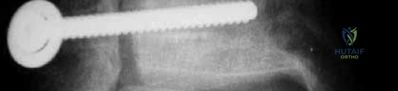
A 13-year-old obese male presents with a 3-week history of left groin and knee pain. On examination, his left hip obligatorily externally rotates during passive flexion. Radiographs confirm a stable slipped capital femoral epiphysis (SCFE). He undergoes in situ pinning with a single cannulated screw. What is the primary biological and biomechanical goal of this specific intervention?
Explanation
Correct Answer: To prevent further slippage and promote premature physeal closure
The standard of care for a stable Slipped Capital Femoral Epiphysis (SCFE) is in situ pinning. The primary goal is to stabilize the physis to prevent further displacement (slippage) of the epiphysis and to promote early closure (epiphysiodesis) of the proximal femoral physis. Attempting anatomical reduction in a stable SCFE significantly increases the risk of avascular necrosis (AVN) and is generally contraindicated.
Question 3
A 6-year-old boy sustains a widely displaced extension-type supracondylar humerus fracture after falling from the monkey bars. Which of the following physical examination findings is most indicative of the most commonly associated nerve injury in this specific fracture pattern?
Explanation
Correct Answer: Inability to flex the distal interphalangeal joint of the index finger
The median nerve, specifically its anterior interosseous nerve (AIN) branch, is the most commonly injured nerve in extension-type supracondylar humerus fractures. The AIN is a pure motor nerve that innervates the flexor pollicis longus (FPL), the pronator quadratus, and the flexor digitorum profundus (FDP) to the index and middle fingers. Injury results in the inability to flex the interphalangeal joint of the thumb and the distal interphalangeal joint of the index finger (loss of the 'A-OK' sign).
Question 4
A 14-year-old male presents with progressive, deep thigh pain that awakens him at night. Radiographs of the femur demonstrate a diaphyseal permeative lytic lesion with a prominent multi-layered, lamellated periosteal reaction. Based on the most likely diagnosis, what is the characteristic radiographic description of this periosteal reaction?
Explanation
Correct Answer: Onion-skin appearance
The clinical presentation and radiographic findings of a diaphyseal permeative lesion in an adolescent are highly suspicious for Ewing's sarcoma. The classic periosteal reaction associated with Ewing's sarcoma is a multi-layered, lamellated appearance, commonly referred to as an 'onion-skin' reaction. A 'sunburst' pattern or 'Codman's triangle' is more classically associated with osteosarcoma, which typically arises in the metaphysis.
Question 5
A 72-year-old female presents to the emergency department after a mechanical fall. Her right lower extremity is shortened and externally rotated. Radiographs confirm a displaced intracapsular femoral neck fracture. The high risk of avascular necrosis in this injury pattern is primarily due to disruption of which of the following vascular structures?
Explanation
Correct Answer: Medial femoral circumflex artery
Displaced femoral neck fractures carry a high risk of avascular necrosis (AVN) of the femoral head. The primary blood supply to the adult femoral head is derived from the ascending cervical branches of the medial femoral circumflex artery (MFCA). These vessels travel along the femoral neck and are highly susceptible to tearing or kinking when the femoral neck is displaced.
Question 6
A 55-year-old male presents with chronic right shoulder pain and weakness with overhead activities. Physical examination reveals a positive Jobe's (empty can) test and weakness in active abduction. MRI confirms a full-thickness tear of the most commonly injured rotator cuff tendon. To which anatomical structure does this specific tendon normally insert?
Explanation
Correct Answer: Superior facet of the greater tuberosity
The supraspinatus is the most commonly torn rotator cuff muscle. It originates from the supraspinous fossa of the scapula and inserts onto the superior facet of the greater tuberosity of the humerus. The infraspinatus inserts on the middle facet, the teres minor on the inferior facet, and the subscapularis inserts on the lesser tuberosity.
Question 7
A 28-year-old male sustains a closed midshaft humerus fracture following a motor vehicle collision. On secondary survey, the orthopedic surgeon notes a specific neurological deficit that is classically associated with this fracture pattern. Which of the following findings is most likely present?
Explanation
Correct Answer: Inability to actively extend the wrist
The radial nerve courses in the spiral groove along the posterior aspect of the midshaft of the humerus, making it highly vulnerable to injury in midshaft humerus fractures (Holstein-Lewis fracture). Radial nerve palsy presents clinically with a 'wrist drop'—the inability to actively extend the wrist and digits—as well as numbness over the dorsal first web space.
Question 8
A 68-year-old male undergoes a primary total hip arthroplasty via a posterior approach for severe osteoarthritis. According to epidemiological data, what is the most common early postoperative complication he is at risk for, and what combined patient position most frequently precipitates it?
Explanation
Correct Answer: Dislocation; hip flexion, adduction, and internal rotation
Postoperative dislocation is the most common early complication following total hip arthroplasty. When a posterior surgical approach is utilized, the posterior soft tissue envelope is violated, making the hip most unstable in a position of flexion, adduction, and internal rotation. Patients are typically placed on 'posterior hip precautions' to avoid this specific combination of movements.
Question 9
A 6-year-old boy is brought to the clinic by his parents due to a persistent, painless limp that has worsened over the past two months. He has no history of fever or recent illness. Radiographs of the pelvis reveal sclerosis and fragmentation of the proximal femoral epiphysis. What is the underlying pathophysiology of this patient's condition?
Explanation
Correct Answer: Idiopathic avascular necrosis of the femoral head
The clinical vignette describes Legg-Calve-Perthes (LCP) disease, which typically presents in children aged 4-8 years as a painless limp. The underlying pathophysiology is idiopathic avascular necrosis (osteonecrosis) of the proximal femoral epiphysis. Radiographic stages progress from initial sclerosis to fragmentation, reossification, and eventually remodeling.
Question 10
A 24-year-old male is admitted after sustaining a comminuted tibial shaft fracture. Twelve hours post-injury, he complains of severe, escalating leg pain that is not relieved by intravenous opioids. Which of the following is considered the most reliable early clinical indicator of the condition requiring urgent surgical fasciotomy?
Explanation
Correct Answer: Pain with passive stretch of the toes
The patient is developing acute compartment syndrome, a surgical emergency requiring prompt fasciotomy. The most sensitive and reliable early clinical sign of compartment syndrome is pain out of proportion to the injury, specifically exacerbated by passive stretch of the muscles within the affected compartment (e.g., passive toe flexion/extension). Pulselessness and paralysis are late, ominous signs that indicate irreversible tissue ischemia.
Question 11
A 14-year-old gymnast presents with chronic low back pain exacerbated by extension. Radiographs reveal a defect in the pars interarticularis. Which of the following biomechanical forces is most directly responsible for the development of this specific lesion?
Explanation
Correct Answer: B
Spondylolysis is a stress fracture of the pars interarticularis, most commonly occurring in the lower lumbar spine (L5). It is classically caused by repetitive hyperextension and rotational forces, which place maximal shear stress on the pars. This is frequently seen in adolescent athletes such as gymnasts, weightlifters, and football linemen.
Question 12
A 13-year-old obese male presents with a 3-week history of right groin pain and a limp. On examination, he has an obligate external rotation of the right hip during passive flexion. Radiographs confirm a stable slipped capital femoral epiphysis (SCFE). He undergoes in situ pinning with a single cannulated screw. Which of the following is the most critical technical objective during this procedure to minimize the risk of chondrolysis and avascular necrosis?
Explanation
Correct Answer: C
For a stable SCFE, the gold standard treatment is in situ pinning with a single cannulated screw. The goal is to stabilize the physis and prevent further slippage. The screw should be placed in the center-center position of the epiphysis. Penetration of the joint space by the hardware is a major risk factor for chondrolysis, while aggressive attempts at anatomical reduction (especially in stable slips) significantly increase the risk of avascular necrosis (AVN).
Question 13
A 6-year-old boy falls from monkey bars and sustains a widely displaced extension-type supracondylar humerus fracture. On examination, he is unable to flex his interphalangeal joint of the thumb and the distal interphalangeal joint of the index finger. Which nerve is most likely injured, and what is the most feared vascular complication associated with this fracture pattern?
Explanation
Correct Answer: C
The anterior interosseous nerve (AIN), a branch of the median nerve, is the most commonly injured nerve in extension-type supracondylar humerus fractures. AIN palsy presents with the inability to flex the IP joint of the thumb (FPL) and the DIP joint of the index finger (FDP), resulting in an abnormal 'OK' sign. The most severe complication of a displaced supracondylar fracture is vascular compromise (brachial artery injury or severe swelling) leading to compartment syndrome of the forearm, which, if untreated, results in Volkmann's ischemic contracture.
Question 14
A 14-year-old boy presents with a 2-month history of worsening thigh pain, particularly at night, and a low-grade fever. Radiographs of the femur reveal a permeative diaphyseal lesion with a prominent 'onion-skin' periosteal reaction. Which of the following genetic translocations is most characteristic of this patient's likely diagnosis?
Explanation
Correct Answer: A
The clinical and radiographic presentation (diaphyseal location, permeative destruction, 'onion-skin' periosteal reaction, systemic symptoms like fever) is classic for Ewing's sarcoma. Ewing's sarcoma is a small round blue cell tumor that is highly associated with the t(11;22) chromosomal translocation, which results in the EWS-FLI1 fusion protein. Osteosarcoma typically presents in the metaphysis with a 'sunburst' pattern or Codman's triangle.
Question 15
An active 68-year-old woman sustains a displaced femoral neck fracture (Garden IV) after a mechanical fall. She undergoes a total hip arthroplasty. If she had instead been treated with closed reduction and percutaneous pinning (CRPP), which of the following complications would she be at the highest risk for compared to arthroplasty?
Explanation
Correct Answer: B
Displaced femoral neck fractures (Garden III and IV) disrupt the tenuous blood supply to the femoral head (primarily the medial femoral circumflex artery). Treating a displaced femoral neck fracture with internal fixation (like CRPP or sliding hip screw) carries a high risk of avascular necrosis (AVN) and nonunion, particularly in older adults. Therefore, arthroplasty (hemiarthroplasty or total hip arthroplasty) is generally preferred in the elderly to allow immediate weight-bearing and avoid the complications of AVN and nonunion. Arthroplasty, however, carries a higher risk of dislocation compared to internal fixation.
Question 16
A 55-year-old male carpenter presents with chronic right shoulder pain and weakness. Physical examination reveals a positive Jobe's (empty can) test and weakness in active shoulder abduction. MRI confirms a full-thickness tear of the most commonly injured rotator cuff tendon. Where does this specific tendon insert anatomically?
Explanation
Correct Answer: B
The supraspinatus is the most commonly torn rotator cuff muscle. It is responsible for the initiation of shoulder abduction and is tested using the Jobe's (empty can) test. Anatomically, the supraspinatus tendon inserts onto the superior facet of the greater tuberosity of the humerus. The infraspinatus inserts on the middle facet, the teres minor on the inferior facet, and the subscapularis inserts on the lesser tuberosity.
Question 17
A 72-year-old man undergoes a primary total hip arthroplasty via a standard posterior approach. Six weeks postoperatively, he presents to the emergency department with severe hip pain and a shortened, internally rotated leg after bending over to tie his shoes. What is the most likely diagnosis, and what is the primary anatomical structure whose repair during surgery helps mitigate this specific complication?
Explanation
Correct Answer: B
The patient's presentation of a shortened, internally rotated leg after bending (flexion, adduction, internal rotation) is classic for a posterior hip dislocation, which is the most common early complication following a posterior approach THA. To minimize this risk, surgeons meticulously perform a posterior soft tissue repair, which involves reattaching the short external rotators (piriformis, superior gemellus, obturator internus, inferior gemellus) and the posterior capsule to the greater tuberosity.
Question 18
A 25-year-old male sustains a closed, transverse midshaft humerus fracture in a motor vehicle collision. On examination, he is unable to actively extend his wrist or fingers, and he has decreased sensation over the dorsal first web space. Which of the following is the most appropriate initial management for this neurological deficit?
Explanation
Correct Answer: C
The patient has a radial nerve palsy, which is the most common neurological injury associated with midshaft humerus fractures (especially Holstein-Lewis type fractures of the distal third). The vast majority of these are neuropraxias that will resolve spontaneously. The standard of care for a closed humerus fracture with a primary radial nerve palsy is observation and supportive care (e.g., functional bracing of the fracture, wrist splint to prevent contracture). Surgical exploration is generally reserved for open fractures, secondary palsies (occurring after reduction), or failure to recover after 3-6 months (confirmed by EMG).
Question 19
An infant is born with idiopathic congenital talipes equinovarus (clubfoot). The pediatric orthopedic surgeon initiates treatment using the Ponseti method of serial casting. According to the Ponseti principles, what is the correct sequence of deformity correction?
Explanation
Correct Answer: B
The Ponseti method is the gold standard for treating clubfoot. The deformities must be corrected in a specific sequence, remembered by the acronym CAVE: Cavus (elevating the first ray), Adductus (abducting the forefoot), Varus (correcting hindfoot varus, which corrects simultaneously with adductus), and finally Equinus (dorsiflexing the ankle). The equinus is often the last deformity to be corrected and frequently requires a percutaneous Achilles tenotomy.
Question 20
A 30-year-old male sustains a comminuted tibial shaft fracture. Twelve hours post-admission, he complains of severe, unrelenting leg pain that is out of proportion to the injury and not relieved by intravenous opioids. On examination, the leg is tense, and passive stretch of the toes elicits excruciating pain. Pulses are palpable. What is the underlying pathophysiological mechanism driving this condition?
Explanation
Correct Answer: B
The patient is presenting with classic signs of acute compartment syndrome (pain out of proportion, pain with passive stretch, tense compartments). The underlying pathophysiology is an increase in interstitial tissue pressure within a non-yielding osteofascial compartment. When this pressure exceeds the capillary perfusion pressure, microvascular flow is compromised, leading to muscle and nerve ischemia. The presence of palpable pulses does not rule out compartment syndrome, as arterial pressure is much higher than capillary pressure; pulses are often maintained until late in the disease process. Urgent fasciotomy is required.
Question 21
A 15-year-old competitive gymnast presents with chronic, insidious-onset low back pain that is exacerbated by arching her back. Radiographs reveal a defect in the pars interarticularis of L5. Which of the following biomechanical forces is the primary driver for the development of this specific injury?
Explanation
Correct Answer: Repetitive hyperextension and rotation
Spondylolysis is a stress fracture or defect of the pars interarticularis, most commonly occurring at L5. It is classically seen in adolescent athletes who participate in sports requiring repetitive hyperextension and rotational stresses across the lumbar spine, such as gymnastics, weightlifting, and football (linemen). These forces concentrate stress on the pars, leading to microtrauma and eventual fracture.
Question 22
A 13-year-old obese male presents with a painful limp and obligate external rotation of the hip during passive flexion. Radiographs confirm a stable slipped capital femoral epiphysis (SCFE). The surgeon recommends in situ pinning rather than an anatomical closed reduction. What is the primary rationale for avoiding forceful closed reduction in this patient?
Explanation
Correct Answer: High risk of iatrogenic avascular necrosis of the femoral head
The standard of care for a stable Slipped Capital Femoral Epiphysis (SCFE) is in situ pinning. Forceful closed reduction of the displaced epiphysis places the tenuous retinacular blood supply (specifically the medial femoral circumflex artery branches) at extreme risk, significantly increasing the incidence of iatrogenic avascular necrosis (AVN). While premature physeal closure is an expected outcome of pinning, AVN is a devastating complication that must be avoided.
Question 23
A 6-year-old boy sustains a displaced extension-type supracondylar humerus fracture after falling from monkey bars. Post-injury, he is unable to flex the interphalangeal joint of his thumb and the distal interphalangeal joint of his index finger. Which nerve is most likely injured?
Explanation
Correct Answer: Anterior interosseous branch of the median nerve
The median nerve is the most frequently injured nerve in extension-type supracondylar humerus fractures. Specifically, the anterior interosseous nerve (AIN), a motor branch of the median nerve, is highly susceptible. AIN palsy presents clinically as the inability to flex the IP joint of the thumb (flexor pollicis longus) and the DIP joint of the index finger (flexor digitorum profundus), resulting in an inability to make an 'OK' sign.
Question 24
A 14-year-old boy presents with progressive thigh pain and swelling. Radiographs demonstrate a diaphyseal lesion with a lamellated, 'onion-skin' periosteal reaction. Based on the most likely diagnosis, what is the underlying pathophysiology of this specific radiographic finding?
Explanation
Correct Answer: Rapid, discontinuous periosteal elevation by an aggressive tumor
The clinical and radiographic presentation is classic for Ewing's sarcoma, which frequently affects the diaphysis of long bones in children and adolescents. The 'onion-skin' (lamellated) periosteal reaction occurs because the aggressive, rapidly growing tumor outpaces the periosteum's ability to lay down new bone continuously. The periosteum is repeatedly elevated, laying down multiple concentric layers of reactive bone.
Question 25
A 72-year-old female sustains a displaced femoral neck fracture after a mechanical fall. She is at high risk for avascular necrosis of the femoral head. Disruption of which of the following vessels is primarily responsible for this complication?
Explanation
Correct Answer: Medial femoral circumflex artery
The primary blood supply to the adult femoral head is derived from the ascending cervical branches of the medial femoral circumflex artery (MFCA), particularly the lateral epiphyseal artery. Displaced femoral neck fractures disrupt this intracapsular blood supply, leading to a high rate of avascular necrosis and nonunion, which is why arthroplasty is often preferred over internal fixation in the elderly population.
Question 26
A 55-year-old male presents with chronic shoulder pain and weakness with overhead activities. MRI confirms a full-thickness tear of the most commonly injured rotator cuff tendon. Which of the following describes the primary biomechanical function and insertion site of this muscle?
Explanation
Correct Answer: Initiation of abduction; inserts on the superior facet of the greater tuberosity
The supraspinatus is the most frequently torn rotator cuff muscle. Its primary biomechanical role is the initiation of shoulder abduction (along with stabilizing the humeral head in the glenoid). Anatomically, it originates from the supraspinous fossa and inserts onto the superior facet of the greater tuberosity of the humerus.
Question 27
A 22-year-old basketball player sustains an acute ankle sprain. Clinical examination reveals laxity with the anterior drawer test of the ankle. The most commonly injured ligament in this scenario is primarily under maximal tension in which of the following foot positions?
Explanation
Correct Answer: Plantarflexion and inversion
The anterior talofibular ligament (ATFL) is the most commonly injured ligament in an ankle sprain. It acts as the primary restraint to anterior translation of the talus (tested via the anterior drawer test). Biomechanically, the ATFL is under maximal tension when the ankle is in plantarflexion and inversion, which is the classic mechanism of injury for a lateral ankle sprain.
Question 28
A 30-year-old male sustains a comminuted tibial shaft fracture. Twelve hours post-injury, he develops severe leg pain that is not relieved by intravenous opioids. Which of the following is the most sensitive early clinical indicator of the condition requiring urgent surgical intervention?
Explanation
Correct Answer: Pain with passive stretch of the toes
The patient is developing acute compartment syndrome, a surgical emergency requiring prompt fasciotomy. The earliest and most sensitive clinical sign of compartment syndrome is pain out of proportion to the injury, specifically exacerbated by passive stretch of the muscles within the involved compartment (e.g., passive extension of the toes stretching the deep posterior or anterior compartments). Pulselessness and paralysis are late, often irreversible signs.
Question 29
A 28-year-old male sustains a closed midshaft humerus fracture. On examination, he demonstrates a 'wrist drop' and an inability to extend his metacarpophalangeal joints. Which of the following sensory deficits is most likely to accompany this motor finding?
Explanation
Correct Answer: Numbness over the dorsal first web space
The radial nerve is highly vulnerable to injury in midshaft humerus fractures, particularly as it courses through the spiral groove. Radial nerve palsy presents with motor deficits including loss of wrist and MCP joint extension ('wrist drop'). The sensory distribution of the superficial branch of the radial nerve supplies the dorsal aspect of the hand, specifically the dorsal first web space.
Question 30
A 68-year-old male undergoes a total hip arthroplasty via a posterior approach for severe osteoarthritis. Postoperatively, he is counseled on hip precautions to prevent the most common early complication. Which combination of hip movements places this patient at the highest risk for this complication?
Explanation
Correct Answer: Flexion, adduction, and internal rotation
Postoperative dislocation is the most common early complication following total hip arthroplasty. When a posterior surgical approach is utilized, the posterior soft tissue envelope is violated. Consequently, the hip is most unstable posteriorly, and the position of maximum risk for a posterior dislocation is a combination of hip flexion, adduction, and internal rotation.
Question 31
A 15-year-old gymnast presents with an insidious onset of low back pain that is exacerbated by extension activities. Radiographs reveal a defect in the pars interarticularis. Which of the following biomechanical forces is most directly responsible for the development of this specific lesion?
Explanation
Correct Answer: Repetitive hyperextension and rotational shear
Spondylolysis is a stress fracture or defect of the pars interarticularis. It most commonly occurs in adolescent athletes who participate in sports requiring repetitive hyperextension and rotation of the lumbar spine, such as gymnastics, weightlifting, and football. These repetitive forces lead to microtrauma and subsequent stress fracture of the pars interarticularis.
Question 32
A 6-year-old boy falls from a playground structure and sustains a widely displaced extension-type supracondylar humerus fracture. Which of the following nerves is most frequently injured in this specific fracture pattern?
Explanation
Correct Answer: Median nerve
The median nerve, specifically its anterior interosseous nerve (AIN) branch, is the most frequently injured nerve in extension-type supracondylar humerus fractures. The radial nerve is the second most commonly injured, often seen with posteromedial displacement. The ulnar nerve is more commonly injured in flexion-type supracondylar fractures or iatrogenically during medial pin placement.
Question 33
A 12-year-old obese boy presents with a 3-week history of left knee pain and a painful limp. On physical examination, his left hip obligatorily externally rotates when passively flexed. Radiographs confirm a stable Slipped Capital Femoral Epiphysis (SCFE). What is the most appropriate immediate management for this patient?
Explanation
Correct Answer: In situ percutaneous pinning
The standard of care for a stable Slipped Capital Femoral Epiphysis (SCFE) is in situ percutaneous pinning with a single cannulated screw. This prevents further slippage of the epiphysis and promotes premature closure of the physis. Closed reduction is contraindicated as it significantly increases the risk of avascular necrosis of the femoral head.
Question 34
An 11-year-old boy presents with progressive thigh pain and swelling. Radiographs of the femur demonstrate a diaphyseal permeative lytic lesion with a prominent multi-layered, lamellated periosteal reaction. Based on the radiographic appearance, which of the following is the most likely diagnosis?
Explanation
Correct Answer: Ewing's sarcoma
Ewing's sarcoma is a highly malignant primary bone tumor that typically affects children and young adults. It most commonly arises in the diaphysis of long bones. The classic radiographic appearance includes a permeative, destructive lytic lesion with a lamellated or 'onion-skin' periosteal reaction. Osteosarcoma typically presents in the metaphysis with a 'sunburst' pattern or Codman's triangle.
Question 35
A 75-year-old female presents to the emergency department after a mechanical fall. On examination, her right lower extremity is shortened and externally rotated. Radiographs reveal a displaced intracapsular femoral neck fracture. If this fracture is treated with internal fixation, which of the following is the most significant complication associated with this specific injury?
Explanation
Correct Answer: Avascular necrosis of the femoral head
Displaced intracapsular femoral neck fractures disrupt the precarious blood supply to the femoral head, which is primarily derived from the medial femoral circumflex artery. This disruption leads to a high risk of avascular necrosis (osteonecrosis) and nonunion. Because of these high complication rates, displaced femoral neck fractures in the elderly are typically treated with arthroplasty (hemiarthroplasty or total hip arthroplasty) rather than internal fixation.
Question 36
A 55-year-old male presents with chronic shoulder pain and weakness with overhead activities. MRI confirms a full-thickness tear of the most commonly injured rotator cuff tendon. Which of the following physical examination findings is most likely to be positive in this patient?
Explanation
Correct Answer: Weakness in active shoulder abduction
The supraspinatus is the most frequently torn rotator cuff muscle. Its primary function is to initiate shoulder abduction. Therefore, a tear typically presents with weakness in active shoulder abduction, often assessed clinically using the Jobe (empty can) test. Weakness in external rotation points to the infraspinatus or teres minor, while a positive lift-off test indicates a subscapularis tear.
Question 37
A 9-year-old girl sustains a distal radius fracture. Radiographs demonstrate a fracture line that passes transversely through the physis and exits obliquely through the dorsal metaphysis, leaving the epiphysis intact. According to the Salter-Harris classification, what type of fracture is this?
Explanation
Correct Answer: Type II
A Salter-Harris Type II fracture involves a fracture line that extends through the physis and exits through the metaphysis, creating a metaphyseal fragment (Thurston-Holland fragment). It is the most common type of physeal fracture. Type I involves only the physis; Type III involves the physis and epiphysis; Type IV involves the metaphysis, physis, and epiphysis; and Type V is a crush injury to the physis.
Question 38
A newborn male is diagnosed with idiopathic talipes equinovarus (clubfoot). The parents are counseled on the standard of care for initial management. Which of the following best describes the primary treatment modality?
Explanation
Correct Answer: Serial manipulation and casting using the Ponseti method
The Ponseti method is the gold standard for the initial treatment of idiopathic clubfoot. It involves a specific sequence of serial manipulations and long-leg cast applications to gradually correct the cavus, adductus, varus, and equinus deformities (CAVE). A percutaneous Achilles tenotomy is often required as the final step to correct the equinus contracture.
Question 39
A 28-year-old male sustains a comminuted midshaft tibia fracture. Twelve hours post-injury, he develops severe, unrelenting leg pain out of proportion to the injury, which is exacerbated by passive stretch of the toes. What is the most appropriate definitive management?
Explanation
Correct Answer: Immediate emergent four-compartment fasciotomy
The patient's clinical presentation is classic for acute compartment syndrome, characterized by pain out of proportion, pain with passive stretch, paresthesias, pallor, paralysis, and pulselessness (the '6 Ps', though pulselessness is a late and unreliable sign). The definitive and urgent treatment is a surgical fasciotomy to release all four compartments of the lower leg to prevent irreversible ischemic muscle and nerve necrosis.
Question 40
A 65-year-old male presents with generalized bone pain, fatigue, and recent onset of renal insufficiency. Radiographs of the skull and pelvis reveal multiple punched-out lytic lesions. Which of the following is the most common primary malignant bone tumor in this age demographic, consistent with this presentation?
Explanation
Correct Answer: Multiple myeloma
Multiple myeloma is a plasma cell dyscrasia and is the most common primary malignant bone tumor in adults. It typically presents in patients over 50 years old with bone pain, anemia, renal failure, hypercalcemia, and characteristic 'punched-out' lytic bone lesions on radiographs. While metastatic carcinoma is the most common malignancy found in bone overall, multiple myeloma is the most common primary bone malignancy.
Question 41
A 15-year-old gymnast presents with an insidious onset of low back pain that is exacerbated by back extension. Radiographs reveal a defect in the pars interarticularis of L5. Which of the following biomechanical forces is the primary contributor to the development of this specific lesion?
Explanation
Correct Answer: B
Spondylolysis is a stress fracture or defect in the pars interarticularis, most commonly occurring in the lower lumbar spine (L5). It is classically caused by repetitive hyperextension and rotation forces across the lumbar spine. This mechanism is particularly common in adolescent athletes participating in sports such as gymnastics, weightlifting, and football linemen. Initial imaging includes plain radiographs (AP, lateral, and oblique views), where the defect may appear as a 'Scotty dog with a collar' on the oblique view.
Question 42
A 13-year-old obese male presents with a 3-week history of left knee pain and a noticeable limp. He denies any recent trauma. On physical examination, as the affected hip is passively flexed, the thigh obligatorily deviates into external rotation. Internal rotation of the hip is significantly limited. What is the most appropriate initial management for the suspected diagnosis?
Explanation
Correct Answer: C
The patient's clinical presentation (obese adolescent, knee/thigh pain, limp, obligatory external rotation with hip flexion, and limited internal rotation) is classic for a Slipped Capital Femoral Epiphysis (SCFE). The standard of care for a stable SCFE is in situ pinning, typically with a single cannulated screw placed in the center of the epiphysis. This prevents further slippage and promotes premature closure of the physis. Closed reduction is contraindicated as it significantly increases the risk of avascular necrosis (AVN) of the femoral head.
Question 43
A 6-year-old boy sustains a widely displaced extension-type supracondylar humerus fracture after falling from monkey bars. Upon presentation, he has a pulseless, pink hand and is unable to make an 'OK' sign with his thumb and index finger. Which of the following neural structures is most likely injured?
Explanation
Correct Answer: C
The anterior interosseous nerve (AIN), a motor branch of the median nerve, is the most frequently injured nerve in extension-type supracondylar humerus fractures. The AIN innervates the flexor pollicis longus (FPL), the flexor digitorum profundus (FDP) to the index and middle fingers, and the pronator quadratus. Injury to the AIN results in the inability to flex the interphalangeal joint of the thumb and the distal interphalangeal joint of the index finger, leading to an inability to form the 'OK' sign. The ulnar nerve is more commonly injured in flexion-type supracondylar fractures or iatrogenically during medial pin placement.
Question 44
A 14-year-old boy presents with progressive, deep thigh pain that frequently awakens him at night. Radiographs of the femur demonstrate a destructive diaphyseal lesion with a prominent, multi-layered 'onion-skin' periosteal reaction. Based on the radiographic appearance and patient demographic, which of the following is the most likely diagnosis?
Explanation
Correct Answer: C
Ewing's sarcoma is a highly malignant primary bone tumor that typically affects children and young adults in their second decade of life. It most commonly arises in the diaphysis of long bones (e.g., femur, tibia) or the pelvis. Radiographically, it is characterized by a permeative, destructive lytic lesion with a classic 'onion-skin' (lamellated) periosteal reaction, which represents sequential layers of reactive bone formation. Osteosarcoma, while the most common primary malignant bone tumor in children, typically presents in the metaphysis with a 'sunburst' pattern or Codman's triangle.
Question 45
A 72-year-old female sustains a displaced intracapsular femoral neck fracture after a mechanical fall. She is scheduled for surgical intervention. The high risk of avascular necrosis (AVN) associated with this specific injury pattern is primarily due to the disruption of which of the following vascular structures?
Explanation
Correct Answer: B
Displaced intracapsular femoral neck fractures carry a high risk of avascular necrosis (AVN) of the femoral head and nonunion. The primary blood supply to the adult femoral head is derived from the medial femoral circumflex artery (MFCA), specifically its lateral epiphyseal branches, which course along the posterosuperior aspect of the femoral neck. Disruption or kinking of these vessels during fracture displacement leads to ischemia and subsequent AVN. The artery of the ligamentum teres provides a negligible blood supply to the adult femoral head.
Question 46
A 55-year-old male presents with chronic right shoulder pain and weakness, particularly with overhead activities. Physical examination reveals a positive Jobe's (empty can) test. MRI confirms a full-thickness tear of the most commonly injured rotator cuff tendon. Where does this specific tendon anatomically insert?
Explanation
Correct Answer: B
The supraspinatus is the most commonly torn tendon of the rotator cuff. It originates from the supraspinous fossa of the scapula and inserts onto the superior facet of the greater tuberosity of the humerus. Its primary function is the initiation of shoulder abduction (first 15 degrees) and stabilization of the humeral head within the glenoid. The subscapularis is the only rotator cuff muscle that inserts onto the lesser tuberosity.
Question 47
A 22-year-old basketball player lands awkwardly on another player's foot, sustaining a severe inversion injury to his right ankle. He presents with localized swelling and ecchymosis over the anterolateral aspect of the ankle. An anterior drawer test of the ankle is positive. Which of the following ligaments is most likely ruptured?
Explanation
Correct Answer: C
The anterior talofibular ligament (ATFL) is the weakest of the lateral ankle ligaments and is the most frequently injured ligament in inversion ankle sprains. The anterior drawer test specifically assesses the integrity of the ATFL by translating the talus anteriorly relative to the tibia. The calcaneofibular ligament (CFL) is the second most commonly injured ligament and is assessed clinically with the talar tilt test. The deltoid ligament is located medially and is injured in eversion sprains.
Question 48
A 30-year-old male sustains a comminuted midshaft tibia fracture. Twelve hours post-injury, he develops severe, unrelenting leg pain that is out of proportion to the apparent injury and is not relieved by intravenous opioids. The pain is markedly exacerbated by passive stretch of his toes. What is the most appropriate definitive management?
Explanation
Correct Answer: C
The patient is exhibiting classic signs of acute compartment syndrome, a surgical emergency characterized by increased pressure within a closed fascial space that compromises tissue perfusion. The hallmark symptom is severe pain out of proportion to the injury, which is exacerbated by passive stretch of the muscles within the affected compartment. The definitive and urgent treatment is a four-compartment fasciotomy of the leg to decompress the tissues and prevent irreversible ischemic necrosis. Elevating the limb above the heart can actually decrease arterial perfusion pressure and worsen ischemia.
Question 49
A 28-year-old male presents to the emergency department after a motorcycle collision. Radiographs reveal a transverse midshaft humerus fracture. On physical examination, the patient is unable to extend his wrist or fingers, and he has decreased sensation over the dorsal web space of the hand. Which of the following nerves is most likely injured?
Explanation
Correct Answer: C
The radial nerve is highly vulnerable to injury in midshaft humerus fractures (particularly Holstein-Lewis fractures of the distal third) due to its close anatomical proximity as it spirals around the posterior aspect of the humerus in the spiral groove. Injury to the radial nerve results in a high radial nerve palsy, characterized by weakness or loss of wrist extension (wrist drop), finger extension, and thumb extension, along with sensory deficits over the dorsal first web space.
Question 50
A 65-year-old male presents with generalized bone pain, fatigue, and a recent onset of renal insufficiency. Radiographs of the skull and pelvis reveal multiple 'punched-out' lytic lesions without sclerotic margins. Based on epidemiological prevalence, what is the most likely primary malignant bone tumor in this patient demographic?
Explanation
Correct Answer: D
Multiple myeloma is a plasma cell dyscrasia and is the most common primary malignant bone tumor in adults. It frequently presents with the 'CRAB' criteria: hyperCalcemia, Renal insufficiency, Anemia (fatigue), and Bone lesions. Radiographically, it is characterized by multiple 'punched-out' lytic bone lesions without surrounding reactive sclerosis, commonly involving the axial skeleton (skull, spine, pelvis). Osteosarcoma and Ewing's sarcoma are more common in children and adolescents, while chondrosarcoma is the second most common primary malignant bone tumor in adults.
Question 51
A 14-year-old boy is diagnosed with a conventional intramedullary osteosarcoma of the distal femur. A detailed family history reveals that his younger sister was treated for bilateral ocular tumors during infancy. Which genetic mutation is most likely responsible for both conditions in this family?
Explanation
Question 52
A 6-week-old female infant is currently being treated with a Pavlik harness for developmental dysplasia of the hip (DDH). During a follow-up exam, the parents report the infant has stopped kicking her right leg. On exam, there is an absence of active knee extension on the right side. What is the most likely iatrogenic cause of this finding?
Explanation
Question 53
When evaluating bearing surfaces for a total hip arthroplasty (THA), which of the following accurately describes the primary tribological advantage of highly cross-linked polyethylene compared to conventional ultra-high-molecular-weight polyethylene (UHMWPE)?
Explanation
Question 54
A hemodynamically unstable 35-year-old male is brought to the trauma bay following a motorcycle collision. Pelvic radiographs demonstrate an anteroposterior compression type III (APC-III) pelvic ring injury. Where is the correct anatomical landmark for the application of a circumferential pelvic sheet or commercial binder?
Explanation
Question 55
A 24-year-old male presents with a nonunion of a scaphoid waist fracture. Magnetic resonance imaging (MRI) suggests avascular necrosis of the proximal pole. Which artery provides the primary blood supply to the proximal pole of the scaphoid?
Explanation
Question 56
A 25-year-old male is brought to the emergency department after a diving accident, presenting with C5 tetraplegia. He is noted to be hypotensive and bradycardic, yet his extremities are warm and well-perfused. Which of the following best describes this patient's current hemodynamic state?
Explanation
Question 57
When analyzing outcomes and complications following anterior cruciate ligament (ACL) reconstruction, bone-patellar tendon-bone (BPTB) autografts are associated with a higher incidence of which postoperative issue compared to quadrupled hamstring autografts?
Explanation
Question 58
During the early stages of fracture healing via endochondral ossification, which transcription factor is considered the essential "master regulator" for the differentiation of mesenchymal stem cells into chondrocytes?
Explanation
Question 59
A 65-year-old male presents with a painful, destructive lytic lesion in his proximal femur. Laboratory analysis reveals anemia, hypercalcemia, and a prominent M-spike on serum protein electrophoresis. Which imaging modality is currently the most sensitive test for detecting systemic skeletal lesions in this patient?
Explanation
Question 60
In the pathophysiological cascade of acute compartment syndrome, tissue ischemia begins when interstitial compartmental pressure progressively exceeds which of the following specific cardiovascular pressures?
Explanation
Question 61
A 2-week-old male is evaluated for rigid bilateral idiopathic clubfoot. According to the Ponseti method, what is the initial biomechanical step in the manipulative reduction before applying the first cast?
Explanation
Question 62
Acute ruptures of the Achilles tendon most frequently occur in its vascular "watershed" zone. Anatomically, approximately how far proximal to the superior tuberosity of the calcaneus is this susceptible region located?
Explanation
Question 63
During biomechanical testing, a ligament is rapidly stretched to a specific, constant length and held rigidly in place. Over a period of minutes, the tensile force required to maintain this exact length is observed to gradually decrease. What specific viscoelastic property does this phenomenon represent?
Explanation
Question 64
A 45-year-old male sustains a high-energy Schatzker VI tibial plateau fracture. Given the severe soft tissue injury, the patient is at high risk for acute lower leg compartment syndrome. Which muscular compartment of the lower leg is most commonly affected in this scenario?
Explanation
Question 65
A 30-year-old carpenter presents with a swollen, throbbing index finger two days after a minor puncture wound. Of Kanavel's four cardinal signs for acute pyogenic flexor tenosynovitis, which clinical finding is generally considered the earliest and most sensitive indicator?
Explanation
Question 66
While examining a patient for suspected cervical spondylotic myelopathy, the examiner assesses for a Hoffmann sign. A positive response, which indicates an upper motor neuron lesion, consists of reflex flexion of the thumb IP joint elicited by which specific maneuver?
Explanation
Question 67
During a total knee arthroplasty (TKA), after making the initial bony cuts and inserting trial components, the surgeon observes that the knee is excessively tight in flexion but perfectly balanced in extension. Which of the following surgical interventions is the most appropriate next step to correct this mismatch?
Explanation
Question 68
Denosumab is an effective pharmacological treatment utilized in the management of unresectable or recurrent Giant Cell Tumor of Bone (GCTB). What is the precise molecular mechanism of action of this drug?
Explanation
Question 69
In the management of a 7-year-old child with Legg-Calvé-Perthes disease, which radiographic classification system, applied during the fragmentation phase, is recognized as the most reliable predictor of long-term hip prognosis?
Explanation
Question 70
Normal articular cartilage is highly organized into four distinct structural zones. Which microscopic, basophilic feature definitively separates the deep (radial) uncalcified zone from the underlying calcified cartilage zone?
Explanation
Question 71
A 28-year-old male presents with a slow-growing, painful mass near his knee joint. MRI shows a deep, soft-tissue mass adjacent to the joint capsule. Biopsy reveals a biphasic pattern of spindle and epithelial cells. Which of the following chromosomal translocations is most characteristic of this tumor?
Explanation
Question 72
A 32-year-old male is evaluated for severe right leg pain 6 hours after sustaining a closed tibial shaft fracture. His leg is swollen and tense. Which of the following pressure measurements is the most definitive indication for emergent four-compartment fasciotomy?
Explanation
Question 73
A 6-week-old female is being treated with a Pavlik harness for developmental dysplasia of the hip (DDH). During a follow-up ultrasound, the anterior strap is noted to be excessively tight, forcing the hip into hyperflexion. Which of the following complications is she at highest risk of developing due to this specific strap positioning?
Explanation
Question 74
During a posterior-stabilized total knee arthroplasty for a severe varus deformity, the surgeon notes the knee is balanced in flexion but remains tight medially in extension. Which of the following structures should be released next to correct this specific asymmetry?
Explanation
Question 75
A 65-year-old female with long-standing rheumatoid arthritis presents with increasing clumsiness in her hands and difficulty walking. Radiographs of the cervical spine demonstrate atlantoaxial subluxation. Which of the following radiographic measurements is the most reliable predictor of impending neurologic injury?
Explanation
Question 76
A 24-year-old rock climber sustains a closed flexor tendon pulley rupture while forcefully gripping a crimp hold. He presents with clinically evident bowstringing of the flexor tendons in the ring finger. Rupture of which two pulleys is most likely responsible for this significant bowstringing?
Explanation
Question 77
A 28-year-old male sustains a vertically oriented (Pauwels type III) basicervical femoral neck fracture following a motor vehicle collision. Which of the following internal fixation constructs provides the most biomechanically stable fixation for this specific fracture pattern?
Explanation
Question 78
A 22-year-old elite baseball pitcher presents with posterior shoulder pain during the late cocking phase of throwing. Examination reveals a significant glenohumeral internal rotation deficit (GIRD). MRI arthrogram shows a partial articular-sided supraspinatus tendon tear and posterosuperior labral fraying. This pathoanatomy is primarily driven by contracture of which capsular structure?
Explanation
Question 79
A 55-year-old male with long-standing, poorly controlled diabetes presents with a swollen, erythematous, and warm left foot. Radiographs reveal fragmentation of the tarsometatarsal joints, periarticular debris, and subluxation. There are no open ulcers. What is the most appropriate initial management?
Explanation
Question 80
According to Perren's strain theory, what is the maximum interfragmentary strain that will still permit primary (direct) bone healing to occur via osteonal cutting cones without intermediate callus formation?
Explanation
Question 81
A 7-year-old boy is diagnosed with Legg-Calve-Perthes disease. When evaluating his pelvic radiographs, the treating orthopedic surgeon utilizes the Herring classification. Which specific anatomical feature is assessed in this classification system to determine the prognosis?
Explanation
Question 82
A 65-year-old man presents with progressive groin pain 12 years after undergoing a cementless total hip arthroplasty. Radiographs demonstrate eccentric wear of the polyethylene liner and expansive radiolucent lines around the femoral stem. What is the primary cellular mechanism driving this specific mode of failure?
Explanation
Question 83
A 2-week-old infant is undergoing serial casting for congenital talipes equinovarus. The pediatric orthopedic surgeon aims to correct the cavus deformity as the first step of the Ponseti method. Which maneuver is required to achieve this specific initial correction?
Explanation
Question 84
In an orthopedic biomechanics laboratory, a viscoelastic tendon graft is subjected to a constant, sustained tensile load over a prolonged period. It is observed that the material continues to deform slowly over time despite the load remaining unchanged. Which biomechanical property does this phenomenon represent?
Explanation
Question 85
A 14-year-old boy presents with an enlarging, painful mass in his distal femur. Radiographs reveal a permeative lytic lesion with a 'sunburst' periosteal reaction. Biopsy confirms high-grade intramedullary osteosarcoma. Which genetic alteration is most classically associated with the pathogenesis of this tumor?
Explanation
Question 86
A 45-year-old man sustains an anteroposterior compression (APC) type III pelvic ring injury in a high-speed motorcycle crash. He is hemodynamically unstable upon arrival despite a properly placed pelvic binder and aggressive fluid resuscitation. What is the most likely primary source of his pelvic hemorrhage?
Explanation
Question 87
A 32-year-old carpenter presents with progressive dorsal wrist pain and decreased grip strength. Radiographs show sclerosis and fragmentation of the lunate with proximal migration of the capitate (Lichtman Stage IIIB Kienbock disease). Ulnar variance is neutral and there is no diffuse radiocarpal arthritis. Which surgical intervention is most appropriate?
Explanation
Question 88
A 24-year-old professional soccer player undergoes anterior cruciate ligament (ACL) reconstruction using a bone-patellar tendon-bone autograft. During the 'ligamentization' process, the graft goes through predictable physiological phases. At what postoperative timeframe is the graft structurally at its weakest point?
Explanation
Question 89
A 55-year-old diabetic male presents with insidious onset of severe, unrelenting back pain that is worse at night, accompanied by low-grade fevers. MRI of the lumbar spine with contrast shows narrowing of the L4-L5 disc space, endplate destruction, and enhancement of the adjacent vertebral bodies. Blood cultures are pending. What is the next best step in management?
Explanation
Question 90
A 30-year-old woman presents with severe midfoot pain after missing a step and forcefully plantarflexing her foot. Weight-bearing radiographs show a 3 mm widening between the bases of the 1st and 2nd metatarsals. Which anatomic structure provides the primary stabilizing force against this specific lateral displacement?
Explanation
Question 91
During secondary fracture healing, the biochemical environment within the fracture hematoma undergoes significant changes. Which condition most accurately describes the local tissue environment during the initial inflammatory phase (first 1 to 7 days)?
Explanation
None
