
AAOS Basic Science MCQs (Set 2): Bone Physiology & Biomechanics | 2002 Board Review
Comprehensive 100-Question Exam
00:00
Start Quiz
Question 1
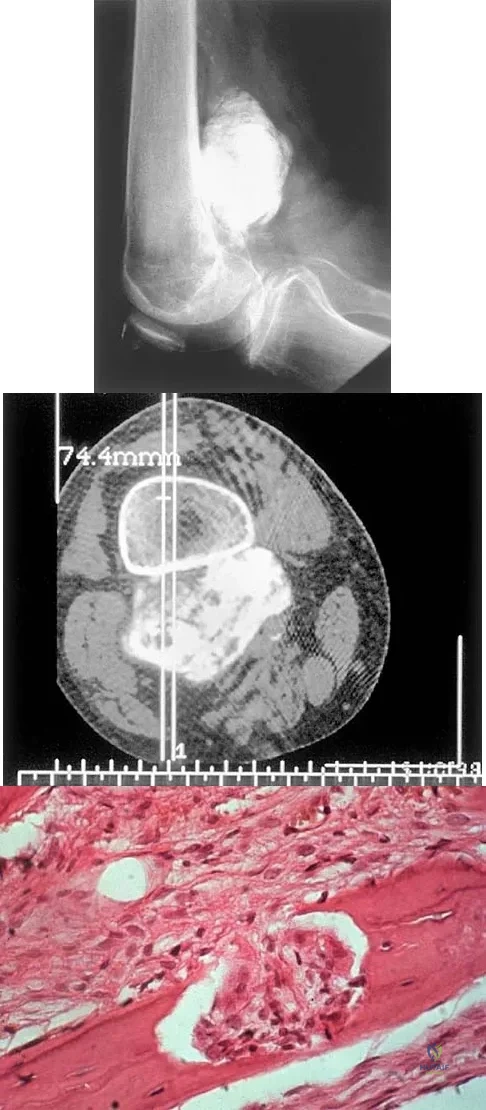
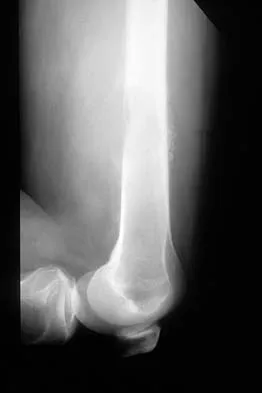
An otherwise healthy 75-year-old man has a painful mass in the popliteal fossa of his right knee. A lateral radiograph of the knee, a CT scan of the distal femur, and a histopathologic specimen are shown in Figures 13a through 13c. Management should consist of
Explanation
Question 2
What type of metastatic tumor most often has a lytic radiographic appearance?
Explanation
Question 3
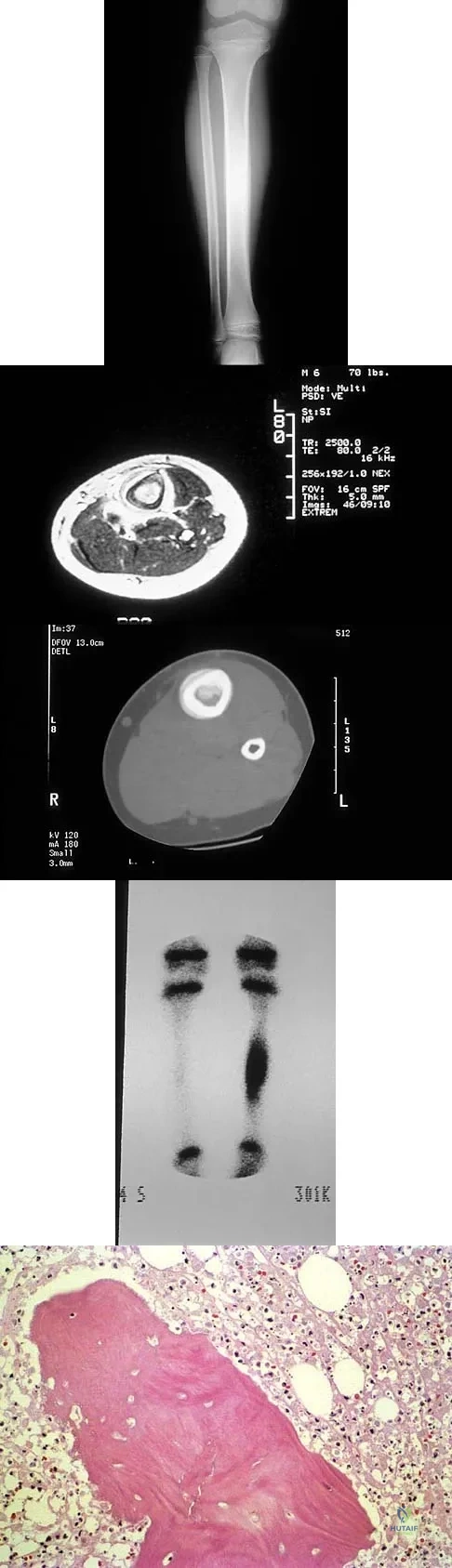
A 6-year-old boy has leg pain. A radiograph, MRI, CT, and bone scans, and a biopsy specimen are shown in Figures 14a through 14e. What is the most likely diagnosis?
Explanation
Question 4
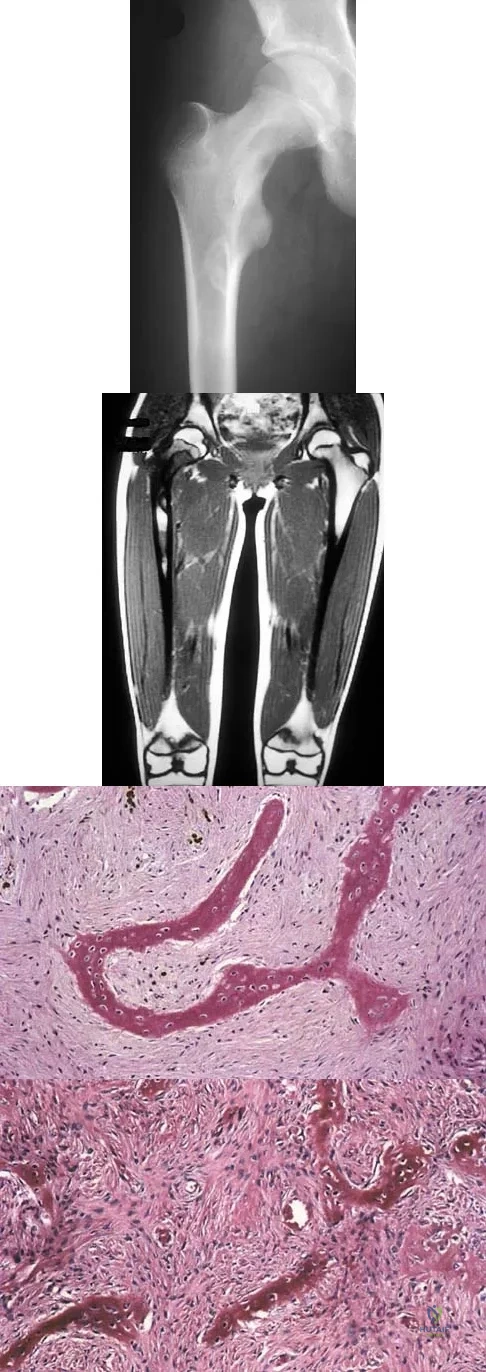
A 13-year-old girl has had right groin pain for the past 3 weeks. She denies any history of trauma. Examination of the hip reveals no palpable soft-tissue mass or lymphadenopathy, and there is full range of motion. A plain radiograph and MRI scan are shown in Figures 15a and 15b. Biopsy specimens are shown in Figures 15c and 15d. What is the most likely diagnosis?
Explanation
Question 5
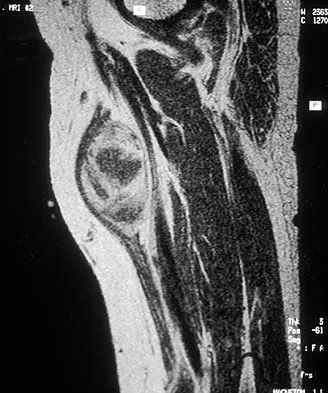
What process is often found associated with other neoplasms?
Explanation
Question 6
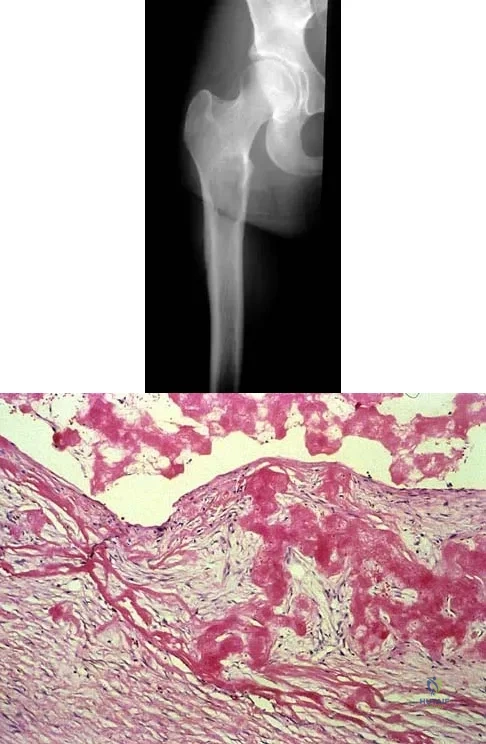
A 14-year-old girl reports hip pain that is exacerbated by weight bearing. A radiograph and biopsy specimen are shown in Figures 16a and 16b. The best course of management should be
Explanation
Question 7
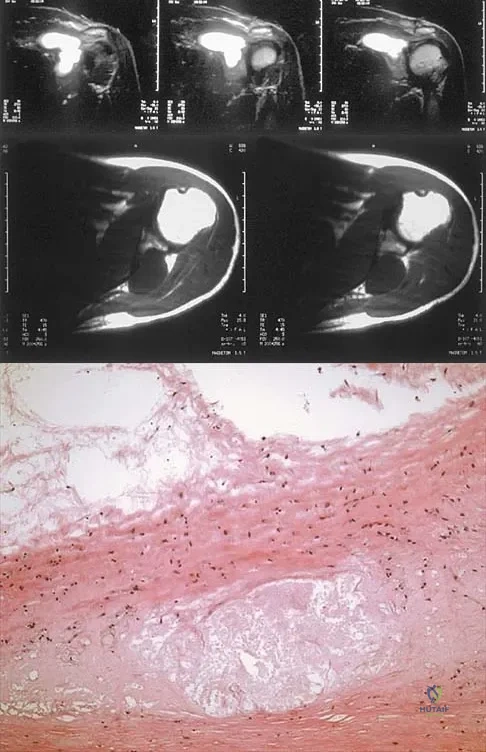
A 37-year-old man has left shoulder pain and weakness. Coronal T1- and axial T2-weighted MRI scans are shown in Figures 17a and 17b. The biopsy specimen is shown in Figure 17c. What is the most likely diagnosis?
Explanation
Question 8
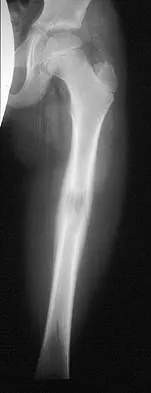
Of the following factors, which is considered the most important prognostic indicator in soft-tissue sarcomas?
Explanation
Question 9
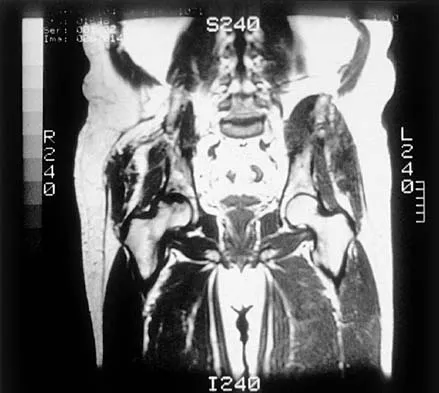
Radiographs of a 15-year-old girl with knee pain reveal a radiopaque lesion of the distal femoral metaphysis and epiphysis with a small associated soft-tissue mass. A biopsy specimen shows osteoid and pleomorphic cells with multiple mitotic figures. Staging studies show no other sites of disease. Treatment should consist of
Explanation
Question 10
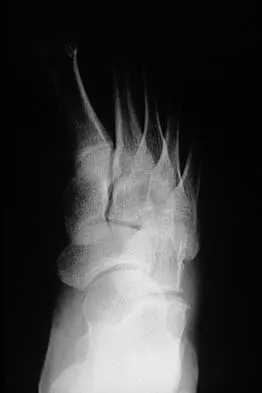
What form of fixation is associated with the highest incidence of osseous union when using segmental allograft reconstruction following tumor resection?
Explanation
Question 11
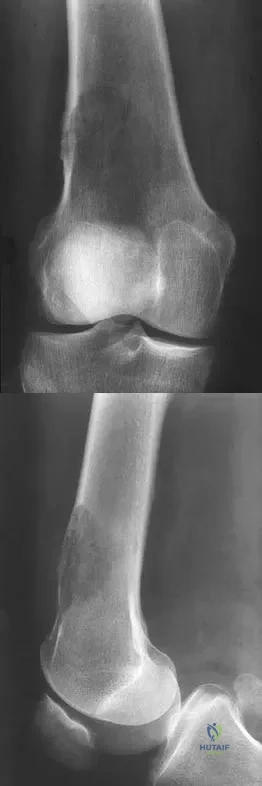
A 51-year-old woman has had progressively increasing right knee pain for the past 6 months. She has a history of metastatic renal cell carcinoma to the lung and the skeletal system. Radiographs are seen in Figures 18a and 18b. The next step in management of the right distal femur lesion should consist of
Explanation
Question 12
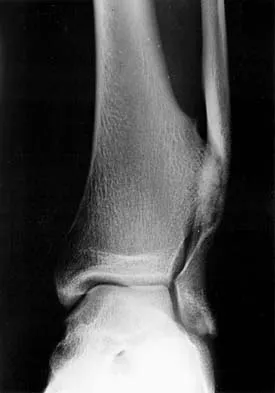
Following resection of malignant tumors, complications related to endoprosthetic reconstruction are most common in what anatomic location?
Explanation
Question 13
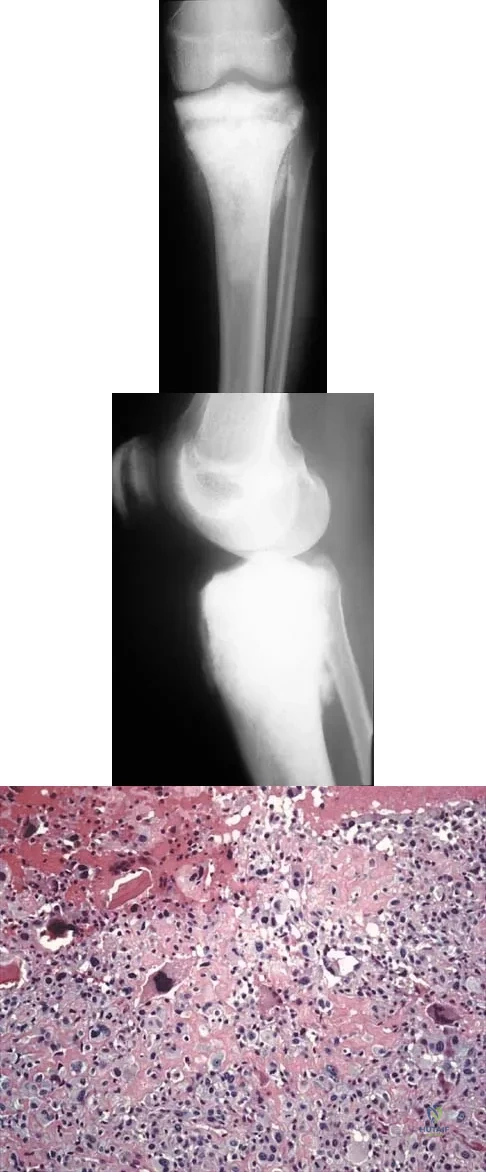
Figures 19a and 19b show the AP and lateral radiographs of an 18-year-old man who has had knee pain for 3 months. Figure 19c shows a histopathologic photomicrograph of the biopsy specimen. Which of the following factors is most likely to affect his survival?
Explanation
Question 14
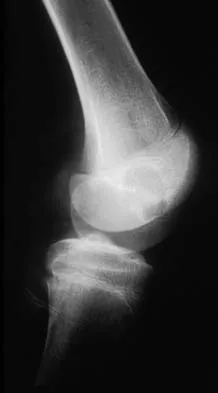
What anatomic site is considered at highest risk for pathologic fracture?
Explanation
Question 15
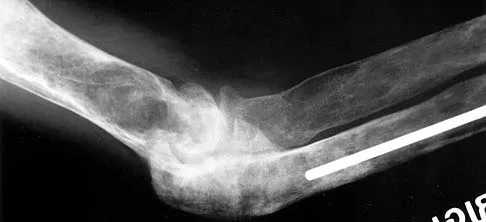
What clinical finding is associated with the least favorable prognosis in an adolescent patient who has been diagnosed with a high-grade osteosarcoma of the distal femur?
Explanation
Question 16
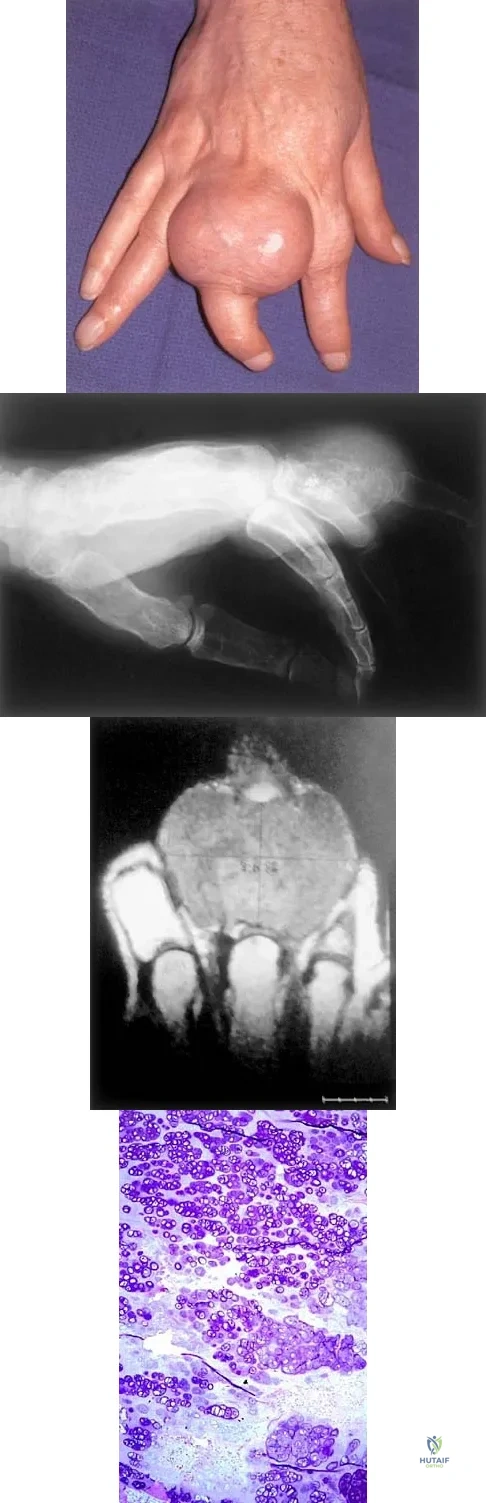
A 65-year-old man has a painful mass of the middle finger. A clinical photograph, lateral radiograph, coronal MRI scan, and biopsy specimen are seen in Figures 20a through 20d. What is the most likely diagnosis?
Explanation
Question 17
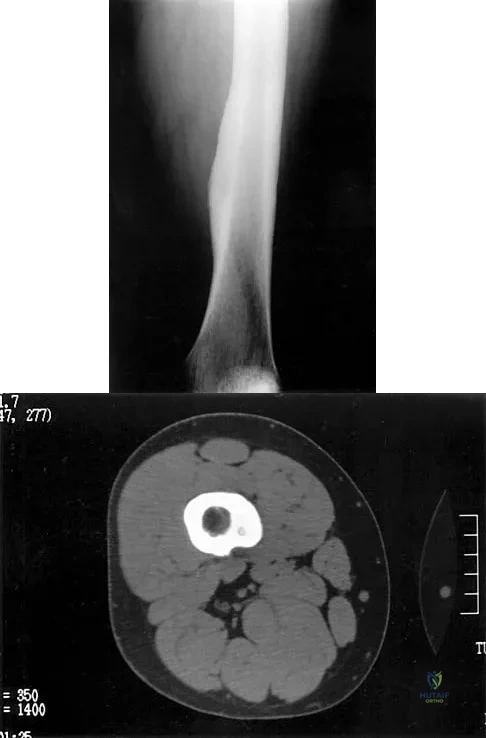
Figures 21a and 21b show the radiograph and CT scan of a 14-year-old patient with thigh pain. The next most appropriate step in management should consist of
Explanation
Question 18
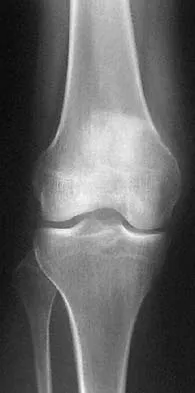
A 14-year-old boy has a midshaft fibular lesion. Biopsy results are consistent with Ewing's sarcoma. Following induction chemotherapy, local control typically consists of
Explanation
Question 19
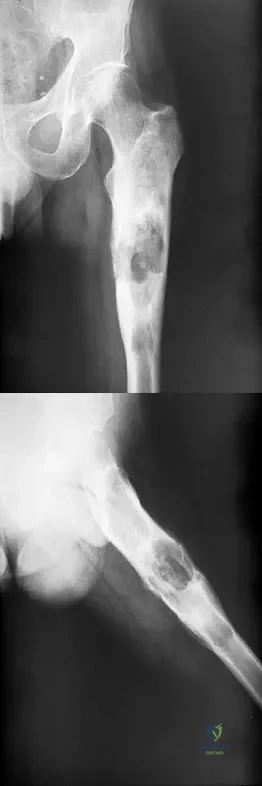
An otherwise healthy 65-year-old man reports thigh pain of insidious onset. He states that the pain is increased with weight bearing and also occurs at night. He denies any history of cancer. Radiographs are shown in Figures 22a and 22b. A bone scan shows an isolated lesion. CT scans of the chest and abdominal are negative for any other lesions. Initial management should consist of
Explanation
Question 20
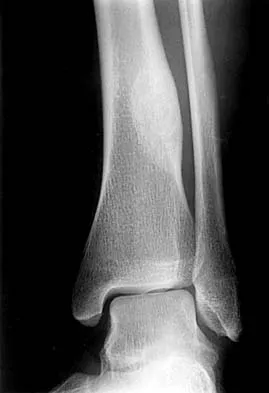
What is the most appropriate next step in the work-up of a patient with the asymptomatic lesion shown in Figure 23?
Explanation
Question 21
A 63-year-woman has an elbow flexion contracture. History reveals that she underwent three previous surgeries to remove a malignant fibrous histiocytoma of the forearm. An MRI scan reveals a locally recurrent tumor at the site of the previous surgery. Which of the following is considered the most predictive factor for local recurrence?
Explanation
Question 22
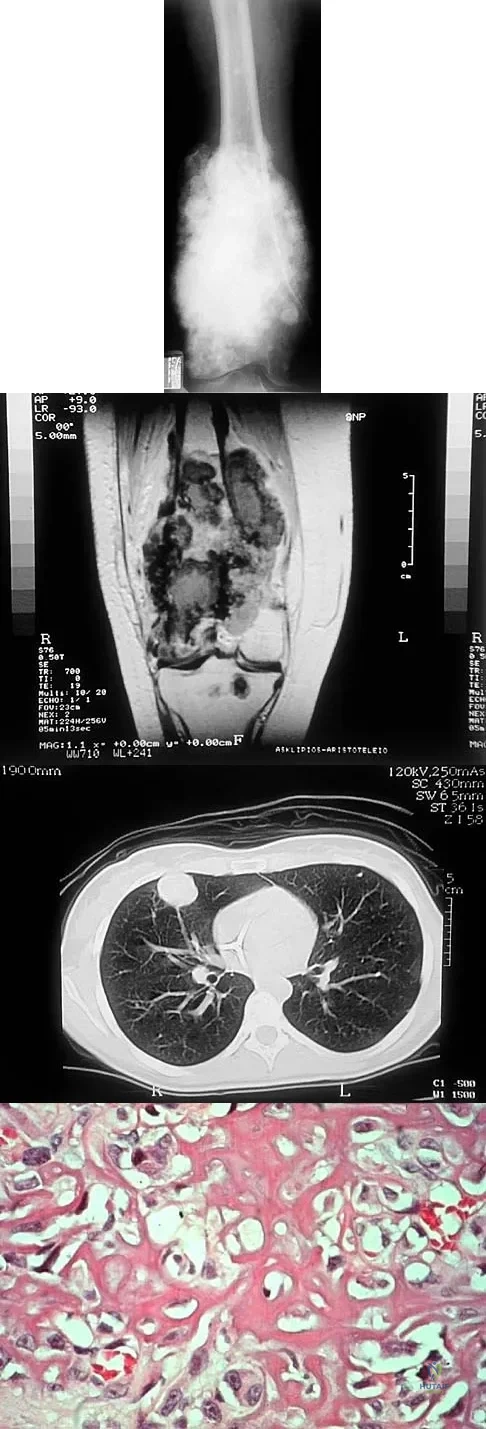
A 19-year-old woman has a painful right knee. A radiograph, MRI scan, CT scan, and histopathologic specimen are shown in Figures 24a through 24d. What is the most likely oncologic stage of the lesion?
Explanation
Question 23
Calcitonin acts as an antiresorptive agent by
Explanation
Question 24
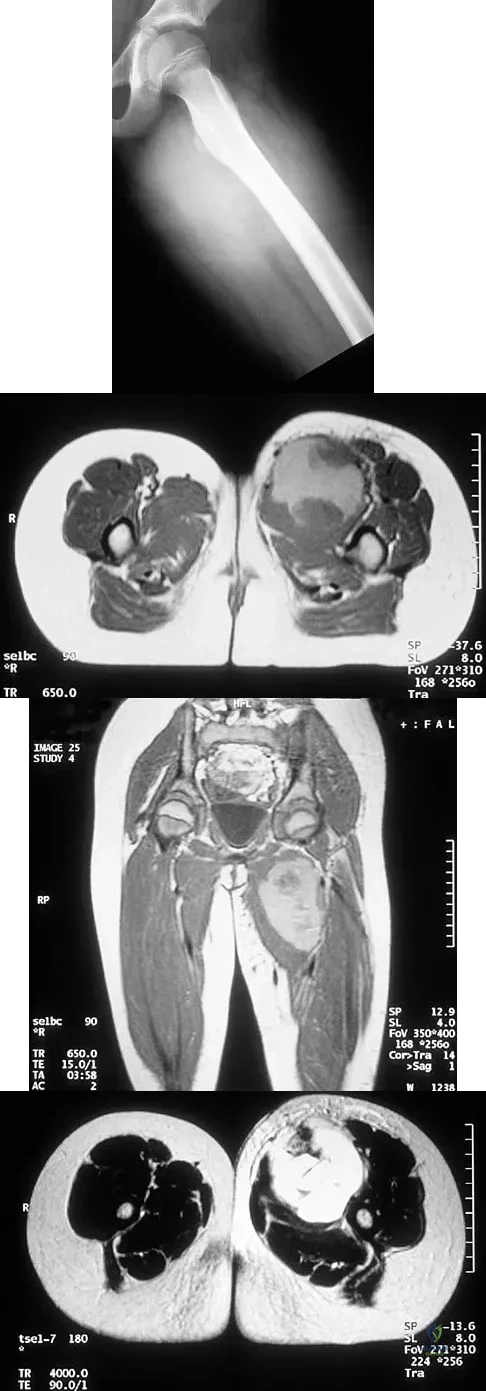
An 8-year-old girl has had a painless enlarging mass of insidious onset in the left thigh for the past 3 weeks. Her mother denies any history of trauma, fever, or disease. Examination reveals a nontender, mobile mass in the left medial thigh. Her gait is normal. Figures 25a through 25d show the frog-lateral radiograph, the axial and coronal T1-weighted MRI scans, and the axial T2-weighted MRI scan. Biopsy results reveal a nonrhabdomyosarcoma soft-tissue sarcoma. The most appropriate treatment should consist of
Explanation
Question 25
Histologically, synovial chondromatosis is characterized by
Explanation
Question 26
Which of the following molecules acts as a decoy receptor to inhibit osteoclast differentiation and activity in the bone remodeling cycle?
Explanation
Question 27
The viscoelastic nature of bone implies that its mechanical properties depend heavily on the rate of loading. When bone is subjected to a higher strain rate, it exhibits which of the following characteristics?
Explanation
Question 28
During the incorporation of a massive structural cortical bone allograft, the mechanical strength of the graft temporarily decreases. This process is primarily mediated by which of the following?
Explanation
Question 29
According to Perren's strain theory, absolute stability at a fracture site, defined as strain less than 2%, promotes which type of bone healing?
Explanation
Question 30
Bone morphogenetic proteins (BMPs) primarily exert their profound osteoinductive effects by initiating intracellular signaling through which of the following pathways?
Explanation
Question 31
In the fixation of a diaphyseal fracture using a bridge plate technique, intentionally increasing the distance between the innermost screws adjacent to the fracture gap (increasing the working length) has what biomechanical effect on the construct?
Explanation
Question 32
Mixing stainless steel and titanium implants within the same operative site is generally avoided due to the risk of implant degradation and failure. What is the primary mechanism of metal degradation in this specific scenario?
Explanation
Question 33
A 45-year-old patient with end-stage renal disease presents with metabolic bone disease (renal osteodystrophy). Which critical step of Vitamin D metabolism is most likely impaired in this patient?
Explanation
Question 34
Osteopetrosis is a genetic condition characterized by overly dense, disorganized, and brittle bones. What is the primary underlying cellular and molecular defect in this disease?
Explanation
Question 35
During bone remodeling under mechanical loading, the convex side of a bowed long bone experiences tension, while the concave side experiences compression. According to the piezoelectric effect, what is the electrical charge and corresponding cellular activity on the compressive side?
Explanation
Question 36
Which specific zone of mature articular cartilage contains the highest concentration of water and features collagen fibers oriented parallel to the joint surface to resist high shear stresses?
Explanation
Question 37
On a standard stress-strain curve for a healthy human ligament, the initial non-linear 'toe region' represents which of the following physical phenomena?
Explanation
Question 38
Which of the following alterations to the design of a surgical bone screw will most significantly increase its pull-out strength when inserted into cancellous bone?
Explanation
Question 39
A pediatric patient presents with bleeding gums, petechiae, and metaphyseal bone pain. Radiographs reveal a densely sclerotic 'white line of Frankel' at the metaphyses. The underlying defect is a failure of which biochemical process?
Explanation
Question 40
Aseptic loosening in total joint arthroplasty is primarily driven by a biological host response to particulate wear debris. Which cell type is the primary initial responder that engulfs these particles and releases pro-inflammatory cytokines like TNF-alpha and IL-1?
Explanation
Question 41
Nitrogen-containing bisphosphonates, such as alendronate, inhibit osteoclast function and induce cellular apoptosis by directly disrupting which of the following intracellular pathways?
Explanation
Question 42
In biomaterials testing, an S-N (Wöhler) curve is utilized to determine the endurance limit of a metallic orthopedic implant. The endurance limit specifically represents the:
Explanation
Question 43
Which of the following osseous structures develops primarily through the process of intramembranous ossification, bypassing a cartilaginous anlage intermediate stage?
Explanation
Question 44
Stress shielding around a rigid, cementless femoral stem occurs because the metallic implant is significantly stiffer than the surrounding cortical bone. Which of the following fundamental material properties best quantifies this stiffness?
Explanation
Question 45
Parathyroid hormone (PTH) plays a critical role in maintaining serum calcium homeostasis by acting on bone, the kidneys, and the intestines. Which of the following represents a direct physiological effect of PTH on the kidneys?
Explanation
Question 46
In the stress-strain curve of cortical bone, the point at which the material begins to undergo permanent deformation without a significant increase in load is known as the:
Explanation
Question 47
Ligaments and tendons exhibit time-dependent mechanical properties. The phenomenon where a tissue experiences a decrease in stress over time when held at a constant strain is known as:
Explanation
Question 48
Which of the following best describes the mechanical difference between cortical and cancellous bone?
Explanation
Question 49
Sclerostin is a protein that plays a key role in bone remodeling by inhibiting bone formation. Which of the following cells primarily secretes sclerostin?
Explanation
Question 50
Denosumab is used in the treatment of osteoporosis and giant cell tumors of bone. It acts by directly binding to and inhibiting which of the following?
Explanation
Question 51
Which of the following local factors is considered the most critical initiator of the fracture healing cascade immediately following injury and hematoma formation?
Explanation
Question 52
Demineralized bone matrix (DBM) primarily provides which of the following properties to aid in bone healing?
Explanation
Question 53
Mixing stainless steel and titanium implants in the same anatomical region is generally discouraged due to the risk of galvanic corrosion. Which of the following factors primarily drives this process?
Explanation
Question 54
In the classical pathway of vitamin D metabolism, which of the following enzymes is responsible for the conversion of 25-hydroxyvitamin D to its most active form, 1,25-dihydroxyvitamin D?
Explanation
Question 55
A 6-year-old child sustains a physeal injury to the distal femur, leading to asymmetric physeal arrest and subsequent angular deformity. This process of altered bone growth due to increased compressive forces is described by:
Explanation
Question 56
Cortical bone exhibits different mechanical properties depending on the direction of the applied load. This characteristic is known as:
Explanation
Question 57
In biomaterials science, the stress level below which an implant material can undergo an infinite number of loading cycles without failing is termed the:
Explanation
Question 58
A 10-year-old child presents with bleeding gums, petechiae, and bone pain. Radiographs reveal a Pelkan spur. The underlying pathophysiology involves a defect in the synthesis of which of the following?
Explanation
Question 59
The pullout strength of a cortical screw is directly proportional to which of the following parameters?
Explanation
Question 60
Parathyroid hormone (PTH) maintains serum calcium levels through several mechanisms. Which of the following is a direct physiologic effect of PTH?
Explanation
Question 61
The primary defect in Paget's disease of bone is characterized by which of the following cellular abnormalities?
Explanation
Question 62
Which of the following is the hallmark histological finding in osteomalacia?
Explanation
Question 63
When applying a compression plate to a transverse midshaft femur fracture, the plate is ideally placed on the tension side of the bone. For the human femur, the tension side is generally located on the:
Explanation
Question 64
Which of the following best describes the process of fretting corrosion in orthopedic implants?
Explanation
Question 65
The compressive stiffness of articular cartilage is primarily provided by the interaction between which two matrix components?
Explanation
Question 66
Which of the following cytokines is secreted by osteoblasts to directly inhibit osteoclastogenesis?
Explanation
Question 67
If the inner diameter of a hollow intramedullary nail is kept constant while the outer diameter is doubled, how does the torsional rigidity of the nail change?
Explanation
Question 68
A viscoelastic material subjected to a constant load exhibits a progressive increase in deformation over time. This phenomenon is known as:
Explanation
Question 69
Sclerostin, an important regulator of bone mass, primarily functions by inhibiting which of the following signaling pathways?
Explanation
Question 70
Which of the following bones undergoes formation primarily via intramembranous ossification?
Explanation
Question 71
During the incorporation of a cortical bone allograft, the process of simultaneous bone resorption and formation by osteoclasts and osteoblasts cutting cones is termed:
Explanation
Question 72
In the metabolism of Vitamin D, the conversion of 25-hydroxyvitamin D to its most active form, 1,25-dihydroxyvitamin D, occurs primarily in which organ?
Explanation
Question 73
According to the piezoelectric properties of bone, compression of a long bone results in which of the following electrical charges and cellular responses at the compressed surface?
Explanation
Question 74
Nitrogen-containing bisphosphonates (e.g., alendronate) inhibit bone resorption primarily by inhibiting which of the following enzymes?
Explanation
Question 75
Which of the following scenarios is most likely to result in galvanic corrosion?
Explanation
Question 76
The resistance of a rectangular plate to bending depends on its area moment of inertia. If the thickness of the plate in the plane of bending is doubled, how does its bending rigidity change?
Explanation
Question 77
Continuous, high-dose administration of Parathyroid Hormone (PTH) leads to which of the following net effects on bone?
Explanation
Question 78
Absolute stability of a fracture (e.g., rigid compression plating) leads to which type of bone healing?
Explanation
Question 79
Bone Morphogenetic Proteins (BMPs) transmit signals to the nucleus of osteoprogenitor cells primarily through which of the following intracellular mediators?
Explanation
Question 80
On a stress-strain curve, the area under the entire curve up to the point of failure represents which mechanical property of the material?
Explanation
Question 81
Which of the following histologic findings is characteristic of osteomalacia?
Explanation
Question 82
Particle-induced osteolysis after total joint arthroplasty is primarily driven by the phagocytosis of wear debris by which of the following cells?
Explanation
Question 83
Which type of collagen is the predominant organic component of normal mature cortical bone?
Explanation
Question 84
In biomechanics, the S-N curve (stress vs. number of cycles) is used to evaluate a material's susceptibility to:
Explanation
Question 85
Which of the following mechanical properties best describes a material whose mechanical behavior is dependent on the rate at which the load is applied?
Explanation
Question 86
Osteoprotegerin (OPG) functions to inhibit osteoclastogenesis by directly binding to which of the following molecular targets?
Explanation
Question 87
On a standard stress-strain curve for cortical bone, the slope of the curve within the linear elastic region represents which of the following mechanical properties?
Explanation
Question 88
Mutations in the retinoblastoma (Rb) gene are strongly associated with the subsequent development of which of the following primary bone tumors?
Explanation
Question 89
Nitrogen-containing bisphosphonates, such as alendronate, inhibit osteoclastic bone resorption primarily by targeting which of the following enzymes in the mevalonate pathway?
Explanation
Question 90
The torsional rigidity of a solid cylindrical intramedullary nail is mathematically proportional to its radius raised to which of the following powers?
Explanation
Question 91
According to Perren's strain theory, what is the maximum local tissue strain environment that allows for the formation of lamellar bone?
Explanation
Question 92
During the initial phase of acute, high-rate loading of articular cartilage, which component is primarily responsible for resisting the applied compressive force?
Explanation
Question 93
Highly cross-linked ultra-high molecular weight polyethylene (UHMWPE) reduces adhesive and abrasive wear in total hip arthroplasty primarily through which of the following mechanisms?
Explanation
Question 94
Which process accurately describes the incorporation of a massive cortical structural allograft, characterized by simultaneous osteoclastic resorption and osteoblastic bone formation that gradually replaces the dead graft?
Explanation
Question 95
A surgeon utilizes a stainless steel plate and secures it with titanium alloy screws. Which specific type of corrosion is most likely to occur at the plate-screw interface?
Explanation
Question 96
The characteristic chromosomal translocation t(11;22)(q24;q12) found in the majority of Ewing sarcoma cases results in the fusion of which two genes?
Explanation
Question 97
A patient with chronic severe vitamin C deficiency presents with joint effusions, gingival bleeding, and poor wound healing. The underlying pathophysiologic mechanism directly impairs which step of collagen synthesis?
Explanation
Question 98
Parathyroid hormone (PTH) acts directly on the kidney to increase serum calcium levels through which of the following mechanisms?
Explanation
Question 99
Which of the following orthopedic implant materials possesses a Young's modulus (elastic modulus) that is closest to that of human cortical bone?
Explanation
Question 100
In the context of the viscoelastic properties of ligaments and tendons, what is the biomechanical term for the progressive decrease in tension over time when the tissue is held at a constant length?
Explanation
None
Detailed Chapters & Topics
Dive deeper into specialized chapters regarding basic-science-2002-set-2-mcqs-3968