Comprehensive Guide to AC Joint Injuries: Epidemiology, Surgical Anatomy & Biomechanics
Key Takeaway
AC joint injuries affect the articulation between the clavicle and scapula, commonly due to direct shoulder blows in athletes. They involve disruption of the AC ligaments (horizontal stability) and the critical coracoclavicular ligaments (vertical stability: trapezoid, conoid). The Rockwood classification categorizes injuries based on displacement and ligament damage, guiding management from conservative care to complex surgical reconstruction, emphasizing precise anatomical understanding.
AC Joint Injuries: Spot Symptoms, Understand Anatomy & Types
Introduction & Epidemiology
Acromioclavicular (AC) joint injuries represent a spectrum of pathologies affecting the articulation between the distal clavicle and the acromion of the scapula. These injuries are common, particularly in active individuals and athletes, constituting approximately 10-12% of all shoulder girdle injuries. The most frequent mechanism involves a direct blow to the superior aspect of the shoulder, often with the arm adducted, driving the acromion inferiorly relative to the clavicle. This mechanism is typical in contact sports such (e.g., football, rugby) or falls onto the shoulder (e.g., cycling, skiing). Less commonly, an indirect force transmitted through the arm can also lead to injury.
The epidemiology demonstrates a higher incidence in males, especially those aged 20-30 years, correlating with participation in high-risk sports and activities. While often considered a minor injury, severe AC joint dislocations can lead to significant functional impairment, pain, and cosmetic deformity if not managed appropriately. The widely accepted Rockwood classification system categorizes these injuries based on the degree of displacement and ligamentous damage, guiding clinical decision-making from conservative management to complex surgical reconstruction. Understanding the precise anatomical structures involved and their biomechanical roles is paramount for accurate diagnosis, classification, and effective treatment planning.
Surgical Anatomy & Biomechanics
The AC joint is a diarthrodial joint with an intra-articular disc, connecting the lateral end of the clavicle to the medial border of the acromion. While seemingly small, it is critical for the intricate motion of the shoulder girdle.
Anatomy
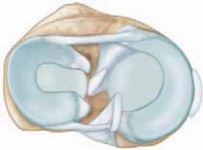
- Articular Surfaces: The articulating surfaces are typically incongruous, with the distal clavicle often overriding the acromion. Both surfaces are covered by hyaline cartilage, which can degenerate, leading to AC joint arthrosis. A variable fibrocartilaginous meniscus or disc is present within the joint, which can be complete or incomplete and may undergo degenerative changes or tears.
- Capsule and AC Ligaments: The joint is surrounded by a fibrous capsule, which is reinforced superiorly and inferiorly by the superior and inferior AC ligaments. These ligaments are the primary horizontal stabilizers of the AC joint, resisting posterior and anterior translation of the clavicle relative to the acromion. The superior AC ligament is significantly stronger and more defined than the inferior aspect, receiving contributions from the deltoid and trapezius muscle fibers.
-
Coracoclavicular (CC) Ligaments:
These are the primary vertical stabilizers of the AC joint and are crucial for preventing superior displacement of the clavicle. They consist of two distinct bundles:
- Trapezoid Ligament: Located anterolaterally, originating from the superior surface of the coracoid process and inserting onto the trapezoid line on the conoid tubercle of the clavicle. It is quadrangular and more oblique, resisting posterior and superior translation, as well as axial compression.
- Conoid Ligament: Located posteromedially, originating from the posteromedial base of the coracoid process and inserting onto the conoid tubercle on the inferoposterior surface of the clavicle. It is cone-shaped and more vertical, resisting superior translation and rotation.
- The average distance between the coracoid process and the inferior surface of the clavicle (the coracoclavicular interval) is typically 11-13 mm in adults.
- Muscular Attachments: The deltoid muscle originates from the lateral third of the clavicle and the acromion, while the trapezius muscle inserts onto the lateral third of the clavicle and the acromion. The integrity of these musculotendinous attachments, particularly the fascial investments, contributes significantly to the overall stability of the distal clavicle. Stripping of these attachments, particularly with higher-grade injuries (Rockwood Type V), leads to gross instability.
- Neurovascular Structures: The supraclavicular nerves (branches of the cervical plexus) course over the AC joint and clavicle, making them susceptible to injury during surgical approaches. The cephalic vein runs in the deltopectoral groove, which is medial to the primary surgical field but can be a landmark or potentially involved in more extensive approaches. The brachial plexus and subclavian vessels lie inferior to the clavicle, emphasizing the need for careful dissection, especially around the coracoid process.
Biomechanics
The AC joint allows limited motion in all three planes, contributing to the overall mobility of the shoulder girdle. It permits rotation of the scapula on the clavicle, allowing for greater range of motion of the glenohumeral joint.
*
Horizontal Stability:
Primarily maintained by the superior and inferior AC ligaments, resisting anterior-posterior translation of the clavicle on the acromion.
*
Vertical Stability:
Primarily maintained by the trapezoid and conoid CC ligaments, preventing superior displacement of the clavicle. The trapezoid ligament also contributes significantly to rotational stability and limits posterior displacement of the clavicle, while the conoid ligament primarily resists superior translation.
*
Load Transmission:
Forces transmitted from the upper extremity pass through the AC joint to the clavicle and sternoclavicular joint, ultimately dissipating into the axial skeleton.
*
Injury Mechanism:
A direct force to the acromion, driving it inferiorly, first disrupts the AC ligaments, then sequentially the trapezoid, and finally the conoid ligament, leading to progressive vertical instability and superior displacement of the clavicle. The degree of disruption dictates the Rockwood classification. Posterior displacement (Type IV) typically involves the force driving the distal clavicle posteriorly under the trapezius. Inferior displacement (Type VI) is rare and often associated with high-energy trauma.
Indications & Contraindications
The management of AC joint injuries is primarily dictated by the severity of the injury, classified by the Rockwood system, and patient-specific factors such as activity level, age, hand dominance, and comorbidities.
Rockwood Classification
- Type I: Sprain of the AC ligaments without macroscopic tearing. The AC joint remains stable, and the CC ligaments are intact. No radiographic displacement.
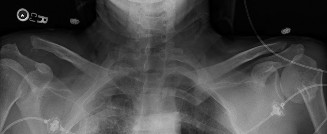
- Type II: Complete tear of the AC ligaments and capsule, with a sprain or partial tear of the CC ligaments. The clavicle is subluxated superiorly but not completely dislocated; the coracoclavicular interval is increased by less than 25% compared to the contralateral side. The deltoid and trapezius origins are intact.
- Type III: Complete tears of both the AC and CC ligaments. The distal clavicle is frankly dislocated superiorly, with the coracoclavicular interval increased by 25-100% (or up to one full clavicular shaft diameter) compared to the contralateral side. The deltoid and trapezius muscles are usually detached from the distal clavicle.
- Type IV: Complete tears of AC and CC ligaments, with the distal clavicle displaced posteriorly into or through the trapezius muscle. This displacement is best visualized on an axillary lateral or CT scan.
- Type V: Complete tears of AC and CC ligaments, with gross superior displacement of the distal clavicle, often more than 100% of the normal coracoclavicular interval or greater than one full clavicular shaft diameter. There is extensive stripping of the deltoid and trapezius muscles from the distal third of the clavicle and acromion.
- Type VI: Extremely rare. Complete tears of AC and CC ligaments, with inferior displacement of the distal clavicle into a subcoracoid or subacromial position. This is a high-energy injury with potential neurovascular compromise.
Indications for Management
| Rockwood Type | Operative Indications | Non-Operative Indications |
|---|---|---|
| Type I | N/A (Always non-operative) | Symptomatic management (sling for comfort, NSAIDs), early progressive range of motion. |
| Type II | N/A (Almost always non-operative, rarely considered for highly symptomatic persistent instability after failed conservative care) | Symptomatic management (sling for comfort for 1-2 weeks), early progressive range of motion and strengthening. |
| Type III | Acute: High-demand overhead athletes, manual laborers, young active patients with significant pain, deformity, or functional deficit. Consideration for surgical repair often based on patient preference and specific functional requirements. Chronic: Symptomatic instability, persistent pain, weakness, or cosmetic deformity after failed non-operative management. | Acute: Low-demand individuals, elderly, acceptable function despite deformity, mild symptoms. Many studies show comparable long-term functional outcomes for non-operative treatment in the general population. Chronic: Asymptomatic or minimally symptomatic individuals who have adapted to the deformity. |
| Type IV | Absolute: Posterior displacement of the distal clavicle into the trapezius, often irreducible closed and associated with high rates of poor outcomes if untreated. Requires surgical reduction and stabilization. | N/A (Operative management is the standard of care) |
| Type V | Absolute: Gross superior displacement, extensive soft tissue disruption, significant cosmetic deformity, and high incidence of functional impairment. Requires surgical reduction and stabilization. | N/A (Operative management is the standard of care) |
| Type VI | Absolute: Inferior displacement (subcoracoid or subacromial), high risk of neurovascular compromise, irreducible without surgery. Requires surgical reduction and stabilization. | N/A (Operative management is the standard of care) |
Contraindications
Absolute contraindications for operative management are rare and typically involve patient-specific factors rather than the injury itself:
*
Active Local or Systemic Infection:
Increases the risk of surgical site infection and hardware complications.
*
Significant Overlying Soft Tissue Compromise:
Severe open wounds, burns, or poor skin quality over the surgical site that would compromise wound healing or increase infection risk.
*
Severe Comorbidities:
Uncontrolled medical conditions (e.g., severe cardiac or pulmonary disease) that pose an unacceptable anesthetic or surgical risk.
*
Patient Non-compliance:
Inability or unwillingness to adhere to post-operative rehabilitation protocols.
*
Osteoporosis:
Severe osteoporosis may compromise hardware fixation, requiring careful consideration of technique.
Pre-Operative Planning & Patient Positioning
Thorough pre-operative planning is essential for successful outcomes in AC joint surgery, encompassing comprehensive imaging, patient education, and meticulous surgical setup.
Pre-Operative Assessment and Imaging
- Clinical Evaluation: A detailed history of the injury mechanism, time course, patient's functional demands, and pain characteristics. Physical examination to assess deformity, tenderness, stability (e.g., piano key sign, cross-body adduction test), and neurovascular status.
-
Radiographic Evaluation:
- Standard Series: Anteroposterior (AP) view of the shoulder (true AP with 30° caudal tilt or Grashey view), axillary lateral view (to assess anterior-posterior displacement and rule out posterior fracture-dislocation of the glenohumeral joint), and a scapular Y-view.
- Zanca View: A specialized AP view with a 10-15° cephalic tilt, centered on the AC joint, which minimizes bony overlap from the acromion and scapular spine, providing a clearer view of the AC joint space.
- Stress Views: Bilateral AP views with the patient holding 10-15 lbs weights in each hand were historically used to differentiate Type II from Type III injuries by accentuating vertical displacement. However, their use has decreased due to concerns regarding patient discomfort, inconsistent results, and radiation exposure. Clinical examination and standard views are often sufficient.
- Computed Tomography (CT) Scan: Indicated for Type IV injuries to precisely delineate posterior clavicular displacement into the trapezius, assess for associated fractures (e.g., coracoid, distal clavicle, acromion), and aid in complex chronic cases. 3D reconstructions can be particularly helpful.
- Magnetic Resonance Imaging (MRI): Not routinely required for acute injuries but can be beneficial in chronic cases to assess the integrity of the CC ligaments, rotator cuff, labrum, and for ruling out other causes of shoulder pain. It can also visualize the degree of muscle stripping.
Informed Consent
Comprehensive discussion with the patient regarding the diagnosis, treatment options (operative vs. non-operative), the specific surgical plan, expected outcomes, and potential complications. Emphasis should be placed on:
*
General surgical risks:
Infection, bleeding, anesthesia risks, neurovascular injury (supraclavicular nerves).
*
Specific AC joint surgery risks:
Loss of reduction, hardware failure (migration, breakage, loosening), persistent pain, stiffness, heterotopic ossification, osteolysis (acromial or distal clavicle), need for hardware removal (especially with hook plates), re-operation for revision.
*
Rehabilitation expectations:
Long recovery period, strict adherence to protocol.
Patient Positioning
The choice of patient position depends on surgeon preference and the specific technique employed.
*
Beach Chair Position:
*
Advantages:
Allows for easy access to the superior and anterior shoulder, permits free manipulation of the arm, and is familiar for many shoulder surgeons. Enables a comprehensive shoulder examination under anesthesia.
*
Setup:
Patient is semi-recumbent (30-60° recline), head secured in a well-padded headrest, operative arm draped free. Care must be taken to ensure adequate padding for pressure points (sacrum, heels, elbows, contralateral arm).
*
Anesthetic Considerations:
Potential for hypotension, requiring careful fluid management and close anesthetic monitoring.
*
Lateral Decubitus Position:
*
Advantages:
Less risk of hypotension, potentially better exposure for certain approaches (though less common for AC joint alone), gravity can assist with reduction.
*
Setup:
Patient positioned on the non-operative side, beanbag support, axillary roll, operative arm draped free, often in a traction device for glenohumeral visualization (if combined procedure).
*
Anesthesia:
General endotracheal anesthesia is typical. A regional nerve block (e.g., interscalene block) can be a valuable adjunct for post-operative pain control, reducing opioid requirements.
*
Preparation and Draping:
The entire shoulder, upper arm, and chest should be prepped and draped to allow for full range of motion manipulation of the arm during surgery, which is crucial for assessing reduction and stability. A clear sterile surgical field is established.
*
Fluoroscopy:
Portable fluoroscopy should be readily available and tested to ensure proper function and image acquisition during the procedure, especially for verifying reduction and hardware placement.
Detailed Surgical Approach / Technique
The goal of surgical intervention for high-grade AC joint injuries (Rockwood Types IV, V, VI, and select Type III) is to achieve anatomical reduction of the distal clavicle and provide stable fixation while promoting biological healing of the disrupted CC ligaments. For chronic injuries, the focus shifts to robust reconstruction and often includes distal clavicle excision.
General Principles
- Anatomic Reduction: Restoring the distal clavicle to its correct relationship with the acromion and coracoid.
- Stable Fixation: Employing techniques that provide sufficient stability to allow ligamentous healing without excessively rigid fixation that might lead to AC joint arthrosis.
- Coracoclavicular (CC) Interval Restoration: Re-establishing the normal distance between the coracoid and clavicle.
- Biological Healing: Encouraging scar formation and potentially ligamentization of the native CC ligaments or graft.
- Muscle Repair: Secure reattachment of the deltoid and trapezius origins is crucial for maintaining reduction and restoring shoulder strength.
Surgical Approach
- Incision: A curvilinear saber-type incision is made over the superior aspect of the AC joint, extending medially along the superior border of the distal clavicle and laterally onto the acromion. The length varies but should be sufficient for adequate exposure.
-
Dissection:
- Careful dissection through the subcutaneous tissue to avoid injury to the supraclavicular nerves, which typically cross the clavicle. These nerves can be identified and gently retracted.
- The fascial attachments of the deltoid and trapezius muscles are identified. In Type III injuries, these are often stripped from the distal clavicle. In Type V injuries, this stripping is extensive.
- A subperiosteal dissection is performed off the superior and anterior aspects of the distal clavicle, separating the origins of the deltoid and trapezius. This allows direct visualization of the AC joint and the superior surface of the clavicle for hardware placement.
- For CC ligament reconstruction, the lateral clavicle needs to be exposed inferiorly, and the coracoid process needs to be identified. This typically involves careful blunt dissection around the anteroinferior aspect of the clavicle.
- Internervous Plane: The deltoid muscle is innervated by the axillary nerve, and the trapezius by the spinal accessory nerve. The surgical approach respects these planes by either splitting the deltoid/trapezius origin or subperiosteally detaching them from the clavicle and acromion, with planned repair. The superior approach to the clavicle primarily involves the trapezius and deltoid origins, without crossing major internervous planes directly.
- Coracoid Exposure: Access to the coracoid is gained by extending the incision inferiorly or through a separate small incision, or by carefully dissecting through the interval between the deltoid and pectoralis major or splitting the anterior deltoid fibers. Blunt dissection along the inferior aspect of the clavicle towards the coracoid is performed. The conjoined tendon (coracobrachialis and short head of biceps) originates from the tip of the coracoid and serves as a vital landmark. The neurovascular bundle (brachial plexus, subclavian artery/vein) lies medial and posterior to the coracoid, emphasizing the need for extreme caution during drilling or suture passage around the coracoid base. A small "finger" of periosteum/soft tissue can be left on the coracoid tip to help protect the neurovascular bundle.
Reduction and Fixation Techniques
Several techniques exist, broadly categorized by their primary fixation target (AC joint vs. CC ligaments) and whether they use synthetic materials or biological grafts.
Acute Repair/Stabilization (Rockwood Types III, IV, V, VI)
-
Direct AC Joint Fixation (Historically):
- K-wires (Phemister technique): Transarticular K-wires were passed from the acromion across the AC joint into the clavicle. While offering direct AC joint reduction, they provided inadequate CC stability, high rates of migration, infection, and hardware fracture, leading to their abandonment as a primary sole fixation method.
- AC Joint Repair: Direct repair of the torn AC ligaments is performed where feasible, but their strength is often insufficient to maintain reduction alone.
-
Coracoclavicular (CC) Ligament Fixation/Augmentation: This is the current gold standard for acute instability.
-
Hook Plate:
- Description: A pre-contoured plate with a hook that engages the undersurface of the acromion, while the plate is secured to the superior aspect of the clavicle with screws.
- Technique: After reduction, the hook is carefully placed under the acromion. The clavicular portion of the plate is secured with bicortical screws. The deltoid and trapezius attachments are meticulously repaired over the plate.
- Advantages: Provides rigid initial fixation, good for grossly unstable injuries (Type V, VI), and can be used in cases with poor soft tissue quality.
- Disadvantages: Requires a mandatory second surgery for hardware removal (typically 3-6 months post-op) due to potential for subacromial impingement, acromial osteolysis, acromial fracture, and plate prominence. Can lead to AC joint stiffness if left in too long.
-
Suture Button Devices (e.g., Dog Bone, TightRope):
- Description: These devices use high-strength sutures (e.g., FiberWire) connecting two cortical buttons. One button is placed on the superior surface of the clavicle, and the other on the inferior surface of the coracoid. Variations include single-button (often two parallel drill holes) or double-button constructs (mimicking trapezoid and conoid insertion sites).
-
Technique:
- Reduce the clavicle manually.
- Using fluoroscopic guidance, drill one or two small tunnels (typically 2.4-3.5 mm) through the clavicle and coracoid process. The drill trajectory is crucial to ensure optimal button seating and avoid neurovascular injury. For double-button systems, the two tunnels in the clavicle are usually 45 mm apart, corresponding to the insertion sites of the conoid and trapezoid ligaments. The coracoid tunnels are drilled through the base.
- Pass the sutures with their attached buttons through the drill holes. The inferior button is deployed under the coracoid, and the superior button is seated on the clavicle.
- The sutures are tensioned, typically with the arm in slight abduction (30-45°) and externally rotated, to achieve anatomical reduction and secure the clavicle, then tied or crimped. Fluoroscopy is used to confirm reduction and button placement.
- Advantages: Minimally invasive for bone tunnels, avoids the need for a second surgery for hardware removal (though removal is possible if symptomatic), allows for micro-motion at the AC joint (potentially reducing AC joint arthrosis), and provides a stable environment for biological healing.
- Disadvantages: Learning curve for accurate tunnel placement and button deployment, potential for tunnel widening or osteolysis around the buttons, suture breakage (rare), and potential for residual laxity if not adequately tensioned.
- Biological Augmentation (Acute): For very high-grade injuries or revision cases, the native CC ligaments may be augmented with an allograft (e.g., Achilles tendon, semitendinosus) or autograft (e.g., semitendinosus, gracilis). The graft is passed through tunnels in the clavicle and around the coracoid, reconstructing the CC ligaments. This is often combined with suture button fixation.
-
Hook Plate:
Chronic Reconstruction (Symptomatic Type III and failed acute repairs)
Chronic injuries pose a greater challenge due to scarring, tissue retraction, and potential osteolysis.
*
Weaver-Dunn Procedure (Modified):
The original Weaver-Dunn involved excising the distal 1-2 cm of the clavicle and transferring the coracoacromial (CA) ligament from the acromion to the distal end of the clavicle. This provides some horizontal stability. The modification often involves augmenting this transfer with a CC ligament reconstruction using a graft (autograft or allograft) and suture button fixation.
*
Technique:
Distal clavicle excision (Mumford procedure) is performed (usually 1.5-2 cm to prevent impingement). The CA ligament is harvested from the acromion and secured into a drill hole or trough in the distal clavicle. Simultaneously, CC reconstruction is performed using a graft (e.g., hamstring allograft) passed through clavicular and coracoid tunnels, secured with interference screws or suture buttons.
*
Pure Coracoclavicular Ligament Reconstruction:
For chronic cases without significant AC joint arthritis, primary CC ligament reconstruction using an allograft (e.g., semitendinosus, gracilis) or autograft is performed. The graft is passed through two tunnels in the clavicle and around the coracoid, tensioned, and secured with screws or buttons.
*
Distal Clavicle Excision (Mumford Procedure):
Often combined with CC reconstruction in chronic cases to address concurrent AC joint arthritis or impingement. This can be performed open or arthroscopically.
Closure
- Deltoid and Trapezius Repair: Meticulous reattachment of the superior periosteal and muscular origins of the deltoid and trapezius to the clavicle and acromion is critical. Strong non-absorbable sutures are used to recreate the fascial envelope, which provides significant secondary stability and prevents residual superior clavicular prominence.
- Subcutaneous and Skin Closure: Standard layered closure.
Complications & Management
Despite careful surgical technique, AC joint reconstruction can be associated with various complications. Proactive management and patient education are key to mitigating these risks.
| Complication | Incidence (%) | Management / Salvage Strategy |
|---|---|---|
| Loss of Reduction / Recurrence | 5-20% (varies by technique, injury type, and compliance; higher with primary repair vs. reconstruction, and hook plates > suture buttons if plate removed too early) | Acute: Re-operation with stronger, more robust fixation (e.g., double suture button, hook plate, biologic augmentation). Chronic: Formal CC ligament reconstruction with graft, often combined with distal clavicle excision. |
| Hardware Failure / Migration | 5-15% (K-wires: very high; Hook plates: 5-10% for fracture/loosening; Suture buttons: <5% for suture breakage, tunnel widening) | K-wires: Immediate removal due to high risk. Hook Plate: If fracture or symptomatic impingement, early removal and revision to CC reconstruction. If acromial erosion/fracture, treat symptomatically or revise. Suture Buttons: Removal of broken suture/button. Re-drilling/re-insertion if possible, or conversion to different technique. Distal clavicle excision for symptomatic tunnel osteolysis. |
| Infection | 1-5% (Superficial > Deep) | Superficial: Oral antibiotics, local wound care. Deep: Surgical debridement, intravenous antibiotics, hardware removal if infection persists or involves implant. |
| Acromial Osteolysis / Fracture | 5-10% (primarily with hook plates due to stress riser effect and pressure from the hook) | Osteolysis: Hook plate removal. Conservative management if asymptomatic. Fracture: May require internal fixation (plates/screws) or removal of hardware with reconstruction. |
| Distal Clavicle Osteolysis | 2-10% (can occur with any fixation, particularly suture buttons from tunnel widening, or post-traumatic) | Conservative management initially (NSAIDs, activity modification). If symptomatic and refractory, distal clavicle excision (Mumford procedure). |
| Persistent Pain | 10-30% (multifactorial: residual instability, AC joint arthritis, hardware irritation, nerve injury) | Hardware: Removal if symptomatic. AC Joint Arthritis: Corticosteroid injections. If refractory, distal clavicle excision. Instability: Revision surgery. Neuropathic: Medications (gabapentin, pregabalin), nerve blocks. |
| Stiffness / Restricted ROM | 5-15% (often related to prolonged immobilization, inadequate rehabilitation) | Aggressive physical therapy emphasizing range of motion. Manipulation under anesthesia for resistant cases. Arthroscopic capsular release in severe, refractory stiffness. |
| Neurovascular Injury (Supraclavicular Nerve) | Rare, but risk during incision and dissection, particularly if retraction is aggressive. Injury to brachial plexus/subclavian vessels extremely rare but catastrophic with coracoid drilling. | Neuropraxia: Observation, symptomatic management (NSAIDs, neuropathic agents). Neuroma: Surgical exploration, neurolysis, or neurectomy if intractable. Prevention is key with careful dissection and retraction. |
| Heterotopic Ossification | <5% (increased risk with extensive soft tissue stripping, high-energy trauma) | Prophylaxis (NSAIDs, low-dose radiation post-op) if high risk. If symptomatic and mature, surgical excision. |
| AC Joint Arthritis | 5-20% (more common in Type III treated non-operatively, or after failed reconstruction, or with hook plate long term) | Conservative management (NSAIDs, injections). If persistent symptoms, distal clavicle excision. |
Post-Operative Rehabilitation Protocols
A structured and progressive rehabilitation protocol is paramount for optimizing outcomes after AC joint reconstruction, protecting the repair, and restoring full function. Protocols must be individualized based on the specific surgical technique, surgeon's preference, and patient's healing capacity and functional goals.
General Principles
- Protection of Repair: Early phases focus on protecting the reconstructed ligaments and repaired deltoid/trapezius origins.
- Gradual Progression: Introduce range of motion and strengthening exercises incrementally to avoid overloading healing tissues.
- Scapular Stability: Emphasize exercises that improve scapular control and kinematics, which are essential for overall shoulder function.
- Patient Education: Crucial for adherence to restrictions and understanding the recovery timeline.
Phases of Rehabilitation
Phase I: Protection and Early Motion (Weeks 0-6)
- Goals: Protect surgical repair, minimize pain and swelling, initiate gentle passive range of motion (PROM).
- Immobilization: Sling immobilization is typically used for 4-6 weeks to protect the repair. The exact duration may vary; for instance, some surgeons allow earlier discontinuation of sling for very stable suture button constructs.
-
Range of Motion:
- Passive Range of Motion (PROM): Pendulum exercises, supine passive flexion (to 90-120°), external rotation (to tolerance, avoiding stress on the AC joint).
- NO active shoulder elevation, abduction, or internal rotation against resistance beyond neutral. Avoid direct stress on the AC joint.
- Elbow, Wrist, Hand ROM: Active ROM for distal joints to prevent stiffness.
-
Muscle Activation:
- Gentle isometric contractions of the rotator cuff (submaximal, in neutral rotation) and scapular stabilizers (e.g., scapular squeezes).
- Core stability exercises.
- Activities of Daily Living (ADLs): Patient assistance required for dressing, showering. Avoid lifting, pushing, pulling with the operative arm.
- Weight Bearing: Non-weight bearing on the affected arm.
Phase II: Progressive Motion and Early Strengthening (Weeks 6-12)
- Goals: Achieve full passive and active-assisted range of motion (AAROM), initiate light strengthening, normalize scapulohumeral rhythm.
- Sling Discontinuation: Usually weaned off the sling around week 6.
-
Range of Motion:
- Continue PROM. Progress to AAROM for flexion, abduction, and rotation.
- Gradually introduce active range of motion (AROM), initially in gravity-eliminated planes.
- Aim for full AROM by the end of this phase.
-
Strengthening:
- Light isometric strengthening for deltoid, rotator cuff, and periscapular muscles (e.g., internal/external rotation with towel roll, scapular protraction/retraction).
- Begin light resistance exercises with elastic bands (e.g., rows, external rotation).
- Focus on eccentric control.
- Activities: Avoid overhead lifting, heavy pushing, or pulling. No impact activities or contact sports.
- Proprioception: Begin light proprioceptive exercises (e.g., rhythmic stabilization).
Phase III: Advanced Strengthening and Return to Activity (Weeks 12-24)
- Goals: Restore full strength, power, endurance, and sport-specific movements.
-
Strengthening:
- Progressive resistive exercises (isotonic and eccentric) with weights, resistance bands, and machines for all major shoulder muscle groups.
- Focus on functional movements and multi-planar exercises.
- Introduce plyometric exercises for athletes.
- Emphasis on overhead strength and control.
- Sport-Specific Training: Gradually introduce sport-specific drills, initially at lower intensity, progressively increasing load and complexity.
- Functional Progression: Incorporate work-specific tasks.
- Return to Activity: Light recreational activities (e.g., swimming, cycling) may begin by the end of this phase if strength and range of motion are adequate. Avoid contact sports.
Phase IV: Return to Sport/Full Activity (Months 6+)
- Goals: Achieve maximal strength, power, and endurance; safely return to full, unrestricted activities including contact sports.
-
Criteria for Return to Sport:
- Full pain-free range of motion.
- Isokinetic strength testing of the operative shoulder should be at least 90-95% of the contralateral, uninjured shoulder for internal/external rotation and abduction.
- Completion of sport-specific functional progression without pain or compensatory movements.
- No instability or apprehension on clinical examination.
- Gradual Return: A phased return to contact sports is recommended to allow the shoulder to adapt to higher loads. This typically occurs between 6-9 months post-surgery, depending on the individual, sport demands, and surgeon's protocol.
Throughout all phases, close communication between the surgeon, physical therapist, and patient is essential for safe and effective progression. Any signs of instability, pain, or hardware irritation should prompt re-evaluation.
Summary of Key Literature / Guidelines
The management of AC joint injuries, particularly Type III dislocations, remains an area of ongoing debate and evolving evidence. Current literature and guidelines generally support a nuanced approach, emphasizing patient-specific factors, injury characteristics, and surgical technique.
Acute Rockwood Type III Injuries
- Controversy: The optimal management for acute Rockwood Type III AC joint injuries is highly debated. Historically, operative intervention was favored, but numerous meta-analyses and systematic reviews have demonstrated that non-operative treatment often yields comparable long-term functional outcomes to surgical repair in the general population.
- Evidence: Studies comparing operative versus non-operative management for Type III injuries frequently report no significant differences in patient-reported outcome scores (e.g., Constant score, ASES score) at long-term follow-up. While surgical groups may initially show better radiographic reduction, this does not consistently translate to superior functional results. Non-operative management avoids surgical risks and potential hardware complications.
- Specific Patient Cohorts: Despite the general trend, operative treatment for Type III injuries is often favored in specific patient populations, such as high-demand overhead athletes, manual laborers, and young, active individuals who desire precise anatomical reduction and have higher functional demands. The rationale is to potentially minimize residual pain, weakness, and cosmetic deformity that could impact their specific activities. Patient preference, after thorough counseling, plays a significant role in this decision-making process.
High-Grade Injuries (Rockwood Types IV, V, VI)
-
Consensus for Surgery:
There is a strong consensus in the literature that Rockwood Types IV, V, and VI AC joint dislocations warrant surgical intervention. These injuries are associated with gross instability, significant soft tissue stripping, and often irreducibility or high rates of poor outcomes if managed non-operatively.
- Type IV: Posterior displacement into the trapezius can lead to chronic pain and functional limitation if not reduced.
- Type V: Gross superior displacement with extensive muscle stripping results in significant cosmetic deformity and functional deficits without stabilization.
- Type VI: Subcoracoid dislocation carries risks of neurovascular compromise and is mechanically unstable.
- Goal: Surgical intervention aims to achieve anatomical reduction and stable fixation, often incorporating CC ligament reconstruction.
Surgical Techniques and Outcomes
- Evolution of Techniques: Earlier techniques, such as K-wire fixation or simple primary AC ligament repair, have largely been supplanted due to high failure rates and complications.
- Hook Plate: Provides rigid initial fixation, particularly useful for grossly unstable injuries or cases with poor soft tissue. However, studies consistently report high rates of complications necessitating hardware removal, including subacromial impingement, acromial osteolysis/fracture, and symptomatic prominence. Its use has declined in favor of more biological reconstruction methods.
-
Coracoclavicular (CC) Ligament Reconstruction (Suture Buttons/Grafts):
Techniques emphasizing reconstruction of the CC ligaments, often using suture button devices (e.g., TightRope) with or without biologic augmentation (autograft/allograft), have gained popularity.
- Advantages: Provide stable fixation while allowing for some physiological motion, do not necessarily require a second surgery for hardware removal, and aim to promote biological healing of the CC ligaments.
- Complications: While generally favorable, potential complications include tunnel widening, osteolysis around the buttons, suture breakage, and persistent pain or loss of reduction.
- Comparison: Meta-analyses comparing hook plates to suture button devices often show similar functional outcomes but fewer reoperations (primarily for hardware removal) and fewer complications with suture button techniques.
- Biological Augmentation: For chronic instabilities or revision cases, the use of allografts (e.g., semitendinosus, Achilles) or autografts to reconstruct the CC ligaments has demonstrated good long-term stability and functional results. This is often combined with a distal clavicle excision in chronic settings to address any concomitant AC joint arthritis or impingement.
Conclusion
The Rockwood classification remains the cornerstone for guiding treatment decisions. While non-operative management is a viable and often preferred option for lower-grade injuries (Types I, II) and many Type III injuries, surgical reconstruction is indicated for higher-grade injuries (Types IV, V, VI) and symptomatic Type III injuries in specific patient populations. Current surgical trends favor techniques that reconstruct the CC ligaments, often using suture button constructs with or without biological grafts, to achieve anatomical reduction and promote long-term stability with minimal hardware-related morbidity. The importance of meticulous surgical technique, robust muscle repair, and a structured post-operative rehabilitation program cannot be overstated for optimal patient outcomes.
You Might Also Like