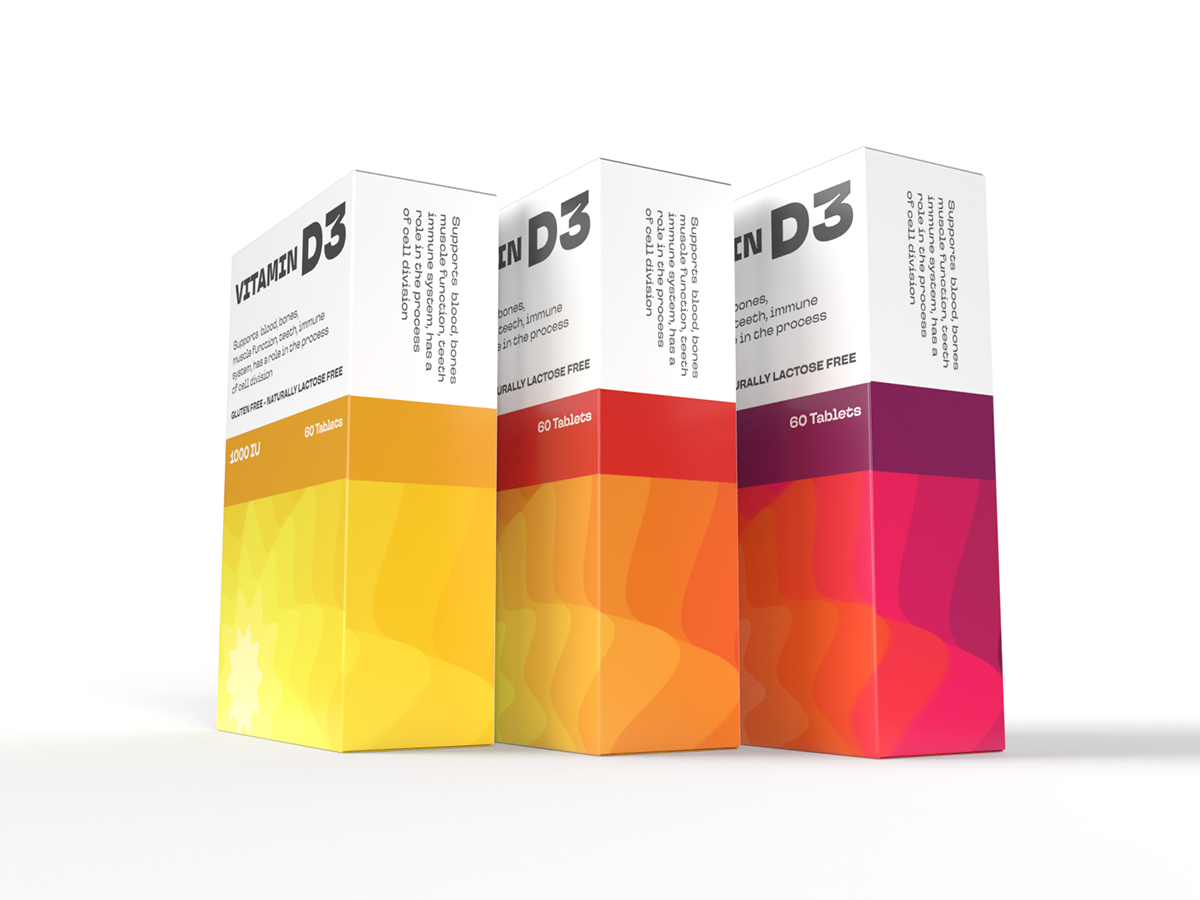
Vitamin D3: A Comprehensive Medical SEO Guide for Orthopedic Health and Beyond
Vitamin D3, scientifically known as cholecalciferol, is a fat-soluble vitamin essential for numerous physiological processes in the human body. While often referred to as a vitamin, D3 functions more like a prohormone, playing a critical role in calcium and phosphate homeostasis, bone health, and immune system modulation. Its significance extends across various medical disciplines, particularly in orthopedics, given its direct impact on skeletal integrity and muscle function.
Despite its vital role, vitamin D deficiency remains a global health concern, affecting populations across all age groups. This exhaustive guide, curated by an expert Medical SEO Copywriter and Orthopedic Specialist, delves deep into the intricacies of Vitamin D3, offering authoritative insights into its mechanisms, clinical applications, safety profiles, and management of related conditions.
Comprehensive Introduction & Overview
Vitamin D3 is primarily synthesized in the skin upon exposure to ultraviolet B (UVB) radiation from sunlight. It can also be obtained through dietary sources, such as fatty fish, fortified foods, and dietary supplements. Unlike other vitamins, the body's primary source of D3 is often endogenous production, highlighting the importance of sun exposure or supplementation when sun exposure is limited.
Its fundamental role lies in regulating calcium and phosphate levels, which are crucial for maintaining strong bones and teeth. Beyond its skeletal functions, emerging research continually uncovers Vitamin D3's broader impact on immune health, cardiovascular function, metabolic processes, and even mood regulation. Understanding its precise actions and appropriate usage is paramount for both preventative care and the management of various medical conditions.
Deep-dive into Technical Specifications & Mechanisms
Chemical Structure & Forms
Vitamin D exists in two main forms:
* Vitamin D2 (Ergocalciferol): Derived from plant sources and fortified foods.
* Vitamin D3 (Cholecalciferol): Synthesized in the skin from 7-dehydrocholesterol upon UVB exposure, and found in animal-derived foods (e.g., fatty fish, fish liver oils).
While both forms can raise serum 25-hydroxyvitamin D [25(OH)D] levels, Vitamin D3 is generally considered more potent and effective at maintaining these levels for a longer duration.
Mechanism of Action
The journey of Vitamin D3 from inactive precursor to active hormone involves several critical steps:
- Skin Synthesis/Ingestion: Cholecalciferol is either synthesized in the skin or absorbed from the diet.
- Hepatic Hydroxylation: In the liver, Vitamin D3 is hydroxylated by 25-hydroxylase (CYP2R1) to form 25-hydroxyvitamin D [25(OH)D], also known as calcifediol. This is the primary circulating form of vitamin D and the best indicator of vitamin D status.
- Renal Hydroxylation: The 25(OH)D then travels to the kidneys, where it undergoes a second hydroxylation by 1-alpha-hydroxylase (CYP27B1) to become 1,25-dihydroxyvitamin D [1,25(OH)2D], also known as calcitriol. Calcitriol is the biologically active form of vitamin D. This step is tightly regulated by parathyroid hormone (PTH), calcium, and phosphate levels.
- Binding to Vitamin D Receptor (VDR): Calcitriol exerts its effects by binding to the ubiquitous Vitamin D Receptor (VDR) found in target cells throughout the body. The VDR is a nuclear receptor that, once activated by calcitriol, forms a complex with the retinoid X receptor (RXR). This complex then binds to specific DNA sequences called Vitamin D Response Elements (VDREs) in the promoter regions of target genes, thereby regulating gene expression.
Key Physiological Roles Mediated by Calcitriol:
- Calcium and Phosphate Homeostasis:
- Intestinal Absorption: Increases the efficiency of calcium and phosphate absorption from the small intestine.
- Renal Reabsorption: Stimulates calcium and phosphate reabsorption in the kidneys, preventing their excessive loss in urine.
- Bone Mineralization/Resorption: Works synergistically with PTH to maintain serum calcium. While promoting bone mineralization, it can also stimulate bone resorption (release of calcium from bone) when serum calcium levels are low, to ensure calcium availability for vital physiological functions.
- Immune Modulation: VDRs are present on various immune cells (T cells, B cells, macrophages). Calcitriol modulates immune responses, showing anti-inflammatory and immunomodulatory effects.
- Cell Differentiation and Growth: Influences cell proliferation and differentiation, with potential roles in cancer prevention and treatment.
- Musculoskeletal Health: Directly impacts muscle strength and function, reducing the risk of falls in older adults.
Pharmacokinetics
- Absorption: Vitamin D3, being fat-soluble, is absorbed in the small intestine, primarily the jejunum, through micelles. This process requires bile salts. Skin-synthesized D3 is transported via Vitamin D-binding protein (DBP).
- Distribution: Once absorbed or synthesized, Vitamin D3 is transported in the blood bound to DBP. It is stored in adipose tissue and muscle, allowing for slow release over time.
- Metabolism:
- First hydroxylation occurs in the liver (25-hydroxylation) to form 25(OH)D (calcifediol).
- Second hydroxylation occurs primarily in the kidneys (1-alpha-hydroxylation) to form 1,25(OH)2D (calcitriol).
- Further metabolism leads to inactive metabolites (e.g., 24,25-dihydroxyvitamin D) that are excreted.
- Elimination: Metabolites of vitamin D are primarily excreted via the bile into the feces. A small amount is excreted renally.
- Half-life: The circulating half-life of 25(OH)D is relatively long, approximately 2-3 weeks, making it an excellent indicator of long-term vitamin D status. The active form, 1,25(OH)2D, has a much shorter half-life of about 4-6 hours.
Extensive Clinical Indications & Usage
Vitamin D3 supplementation is crucial for preventing and treating a wide array of conditions, particularly those impacting bone health.
Primary Indications
- Vitamin D Deficiency/Insufficiency: The most common indication. Treatment and prevention of low serum 25(OH)D levels.
- Osteoporosis: As an essential adjuvant therapy, often combined with calcium, to improve bone mineral density, reduce bone turnover, and significantly lower the risk of fractures in osteoporotic patients.
- Osteomalacia/Rickets: Direct treatment for these bone-softening disorders caused by severe vitamin D deficiency in adults and children, respectively.
- Hypoparathyroidism: Management of hypocalcemia resulting from insufficient parathyroid hormone production. Vitamin D3 helps restore normal calcium levels.
- Chronic Kidney Disease (CKD): Patients with CKD often have impaired renal 1-alpha-hydroxylation, leading to vitamin D deficiency and secondary hyperparathyroidism. While active vitamin D analogs (e.g., calcitriol) are often preferred for advanced CKD, cholecalciferol may be used in earlier stages.
- Malabsorption Syndromes: Conditions like cystic fibrosis, Crohn's disease, celiac disease, inflammatory bowel disease, and post-bariatric surgery states impair fat absorption, necessitating higher doses of Vitamin D3.
- Certain Medications: Patients on specific anticonvulsants or glucocorticoids may require supplementation due to altered vitamin D metabolism.
Potential Off-Label/Emerging Indications
While more research is ongoing, Vitamin D3 is being explored for its potential benefits in:
- Immune System Support: Reducing the risk and severity of acute respiratory infections (e.g., influenza, COVID-19), and modulating autoimmune diseases (e.g., multiple sclerosis, rheumatoid arthritis).
- Cardiovascular Health: Potential role in blood pressure regulation and reducing cardiovascular disease risk.
- Diabetes Mellitus: Improving insulin sensitivity and reducing the risk of type 1 and type 2 diabetes.
- Certain Cancers: Observational studies suggest a link between higher vitamin D levels and reduced risk of certain cancers (colon, breast, prostate).
- Neurological Conditions: Potential benefits in mood disorders (depression) and neurodegenerative diseases.
- Musculoskeletal Pain and Weakness: Alleviating non-specific musculoskeletal pain and improving muscle strength, particularly in deficient individuals.
Dosage Guidelines
Dosage of Vitamin D3 should always be individualized based on serum 25(OH)D levels, age, underlying health conditions, and response to therapy.
- Measurement: Serum 25(OH)D is the most reliable indicator of vitamin D status.
- Target Levels: Optimal serum 25(OH)D levels are generally considered to be 30-60 ng/mL (75-150 nmol/L). Levels below 20 ng/mL (50 nmol/L) indicate deficiency, while 21-29 ng/mL (52.5-72.5 nmol/L) indicate insufficiency.
General Dosage Recommendations (as per various health organizations):
| Population | Daily Recommended Intake (DRI) | Upper Limit (UL) |
|---|---|---|
| Infants (0-12 months) | 400 IU (10 mcg) | 1,000-1,500 IU |
| Children (1-18 years) | 600 IU (15 mcg) | 2,500-4,000 IU |
| Adults (19-70 years) | 600 IU (15 mcg) | 4,000 IU (100 mcg) |
| Adults (>70 years) | 800 IU (20 mcg) | 4,000 IU (100 mcg) |
| Pregnant/Lactating Women | 600 IU (15 mcg) | 4,000 IU (100 mcg) |
Treatment Doses for Deficiency (under medical supervision):
- Loading Doses: For significant deficiency (e.g., <20 ng/mL), higher doses may be prescribed initially. Common regimens include:
- 50,000 IU once weekly for 8-12 weeks.
- 6,000 IU daily for 8-12 weeks.
- Maintenance Doses: Following correction of deficiency, maintenance doses typically range from 1,000-4,000 IU daily to sustain optimal levels. Some individuals, especially those with malabsorption or obesity, may require higher maintenance doses.
Important Note: Self-dosing with high amounts of Vitamin D3 without medical consultation and monitoring is not recommended due to the risk of toxicity. Always consult a healthcare professional for personalized dosage recommendations.
Risks, Side Effects, or Contraindications
While generally safe at recommended doses, Vitamin D3 can pose risks, particularly with excessive intake.
Contraindications
- Hypercalcemia: Pre-existing high blood calcium levels.
- Vitamin D Toxicity: Existing signs or history of hypervitaminosis D.
- Hypersensitivity: Known allergy to vitamin D or any of its excipients.
- Granulomatous Diseases: Conditions like sarcoidosis, tuberculosis, or certain lymphomas, where there is unregulated extrarenal production of 1,25(OH)2D, increasing the risk of hypercalcemia.
Warnings & Precautions
- Monitoring: Regular monitoring of serum calcium, phosphate, parathyroid hormone (PTH), and 25(OH)D levels is crucial, especially during high-dose therapy or in patients with predisposing conditions.
- Renal Impairment: Patients with severe renal impairment may have altered vitamin D metabolism and an increased risk of hyperphosphatemia. They often require active vitamin D analogs.
- Cardiovascular Disease: Hypercalcemia induced by excessive vitamin D can exacerbate cardiovascular conditions and increase the risk of arrhythmias.
- Immobilized Patients: May be at increased risk of hypercalcemia.
Adverse Effects
Adverse effects are rare at recommended doses. The primary concern with excessive intake is Hypervitaminosis D (Vitamin D Toxicity), which is almost always due to over-supplementation, not from sun exposure or diet.
Symptoms of Hypervitaminosis D (primarily due to hypercalcemia):
- Gastrointestinal: Nausea, vomiting, anorexia, constipation, abdominal pain, metallic taste.
- Renal: Polyuria (frequent urination), polydipsia (excessive thirst), dehydration, nephrocalcinosis (calcium deposits in kidneys), kidney stones, renal failure.
- Neurological: Weakness, fatigue, headache, confusion, lethargy, irritability.
- Cardiovascular: Hypertension, cardiac arrhythmias (due to calcium effects on heart rhythm).
- Musculoskeletal: Bone pain, muscle weakness.
Drug Interactions
Vitamin D3 can interact with several medications, altering its efficacy or increasing the risk of adverse effects.
| Drug Class/Agent | Interaction Mechanism | Clinical Effect |
|---|---|---|
| Anticonvulsants | Phenytoin, carbamazepine, barbiturates induce hepatic enzymes that accelerate vitamin D metabolism. | May lead to vitamin D deficiency and osteomalacia. Higher vitamin D doses may be required. |
| Corticosteroids | Reduce intestinal calcium absorption and increase renal calcium excretion. | May counteract the effects of vitamin D. Higher vitamin D doses may be needed. |
| Bile Acid Sequestrants | Cholestyramine, colestipol bind bile acids, impairing absorption of fat-soluble vitamins. | Reduced vitamin D absorption. Administer vitamin D several hours apart from these medications. |
| Orlistat | Inhibits pancreatic lipases, reducing fat absorption. | Reduced absorption of fat-soluble vitamins, including D3. |
| Thiazide Diuretics | Decrease renal calcium excretion. | Concurrent use with vitamin D can increase the risk of hypercalcemia, especially in predisposed individuals. Monitor calcium levels closely. |
| Cardiac Glycosides | Digoxin. Hypercalcemia can increase myocardial sensitivity to digoxin. | Increased risk of digoxin toxicity (e.g., arrhythmias) if vitamin D causes hypercalcemia. Monitor serum calcium and digoxin levels. |
| Mineral Oil | Can interfere with the absorption of fat-soluble vitamins. | Reduced vitamin D absorption. Avoid concurrent use or separate administration by several hours. |
| Calcium Supplements | Directly increases calcium intake. | Increased risk of hypercalcemia if vitamin D doses are not appropriately adjusted. |
| Aluminum/Magnesium Antacids | Aluminum-containing antacids (risk of hyperaluminemia in CKD); Magnesium-containing antacids (risk of hypermagnesemia in CKD). | Vitamin D can increase absorption of these minerals. Use with caution in patients with renal impairment. |
| Ketoconazole | Inhibits 25-hydroxylase and 1-alpha-hydroxylase. | May reduce endogenous vitamin D synthesis and activation. |
Pregnancy & Lactation Warnings
- Pregnancy: Vitamin D is essential during pregnancy for maternal health and fetal skeletal development. The recommended daily intake is 600 IU. However, many pregnant women are deficient and may require higher doses (up to 4000 IU daily) under medical supervision to achieve optimal levels. Severe maternal vitamin D deficiency can lead to adverse pregnancy outcomes, including preeclampsia, gestational diabetes, and low birth weight, as well as impaired fetal bone development. Excessive doses during pregnancy can be teratogenic and lead to hypercalcemia in the fetus.
- Lactation: Vitamin D is excreted into breast milk in small amounts. Maternal supplementation can increase breast milk vitamin D levels, but often not sufficiently to meet the infant's needs. Therefore, breastfed infants generally require direct supplementation of 400 IU Vitamin D3 daily, starting shortly after birth.
Overdose Management
In the event of Vitamin D3 overdose (hypervitaminosis D), prompt medical intervention is crucial to manage hypercalcemia and prevent organ damage.
- Discontinuation: Immediately stop all vitamin D and calcium supplements.
- Hydration: Administer intravenous (IV) saline solution to promote renal calcium excretion and correct dehydration.
- Diuretics: Loop diuretics like furosemide can be used in conjunction with IV fluids to enhance renal calcium excretion, but careful monitoring of fluid and electrolyte balance is essential.
- Corticosteroids: Glucocorticoids (e.g., prednisone) can reduce intestinal calcium absorption and bone resorption, helping to lower serum calcium levels.
- Bisphosphonates: Intravenous bisphosphonates (e.g., pamidronate, zoledronic acid) are highly effective in inhibiting osteoclastic bone resorption, rapidly lowering serum calcium. Their effect typically begins within 24-48 hours.
- Calcitonin: Can provide a rapid, albeit transient, reduction in serum calcium by inhibiting osteoclast activity and increasing renal calcium excretion.
- Dialysis: In severe, life-threatening hypercalcemia unresponsive to other treatments, or in cases of concomitant renal failure, hemodialysis may be necessary to remove excess calcium.
- Monitoring: Close monitoring of serum calcium, phosphate, renal function (creatinine, BUN), electrolytes, and hydration status is critical throughout the management period.
Massive FAQ Section
Q1: What's the difference between Vitamin D2 and D3?
A1: Vitamin D2 (ergocalciferol) comes from plant sources and fortified foods, while Vitamin D3 (cholecalciferol) is synthesized in the skin upon sun exposure and found in animal products. D3 is generally considered more effective at raising and maintaining active vitamin D levels in the body.
Q2: How much Vitamin D3 do I need daily?
A2: For most adults, the recommended daily intake is 600-800 IU. However, individual needs vary based on age, sun exposure, diet, and existing health conditions. Your doctor may recommend higher doses if you are deficient or have specific medical needs.
Q3: Can I get enough Vitamin D3 from sunlight alone?
A3: While sunlight is a primary source, many factors limit its effectiveness, including skin tone, geographical location, season, time of day, sunscreen use, and clothing. It's often difficult to get sufficient Vitamin D3 from sun exposure alone, especially in winter months or for those with limited outdoor activity.
Q4: What are the symptoms of Vitamin D deficiency?
A4: Symptoms can be subtle and non-specific, including fatigue, muscle weakness or pain, bone pain, mood changes, and frequent infections. Severe deficiency can lead to osteomalacia in adults and rickets in children, causing significant bone deformities.
Q5: How is Vitamin D deficiency diagnosed?
A5: Vitamin D deficiency is diagnosed through a blood test that measures your serum 25-hydroxyvitamin D [25(OH)D] level. This is the best indicator of your body's vitamin D stores.
Q6: Is it possible to take too much Vitamin D3? What are the signs?
A6: Yes, it is possible to take too much Vitamin D3, leading to toxicity (hypervitaminosis D), almost always from excessive supplementation. Signs include nausea, vomiting, constipation, excessive thirst and urination, weakness, confusion, and in severe cases, kidney damage or heart rhythm problems due to high blood calcium levels (hypercalcemia).
Q7: Should I take Vitamin D3 with food?
A7: Yes, as Vitamin D3 is fat-soluble, taking it with a meal that contains some fat can significantly improve its absorption.
Q8: How long does it take for Vitamin D3 supplements to work?
A8: It typically takes several weeks to a few months for Vitamin D3 supplements to significantly raise blood 25(OH)D levels, especially if you are starting from a deficient state. Your doctor will usually re-test your levels after 2-3 months of supplementation to assess efficacy.
Q9: Does Vitamin D3 interact with any common medications?
A9: Yes, Vitamin D3 can interact with several medications, including certain anticonvulsants, corticosteroids, bile acid sequestrants (like cholestyramine), orlistat, and thiazide diuretics. Always inform your doctor or pharmacist about all medications and supplements you are taking.
Q10: Is Vitamin D3 good for bone health?
A10: Absolutely. Vitamin D3 is critical for bone health because it helps the body absorb calcium from the gut and regulates calcium and phosphate levels. Without adequate Vitamin D3, bones can become weak, brittle, or soft, increasing the risk of osteoporosis and fractures.
Q11: What is the optimal blood level for Vitamin D?
A11: Most medical organizations consider optimal serum 25(OH)D levels to be between 30 and 60 ng/mL (75-150 nmol/L). Levels below 20 ng/mL are considered deficient, and 21-29 ng/mL are insufficient.
Q12: Can Vitamin D3 help with immune function?
A12: Yes, Vitamin D3 plays a crucial role in modulating the immune system. It can enhance the body's natural defenses against pathogens and may help regulate immune responses, potentially reducing the risk and severity of infections and influencing autoimmune conditions.