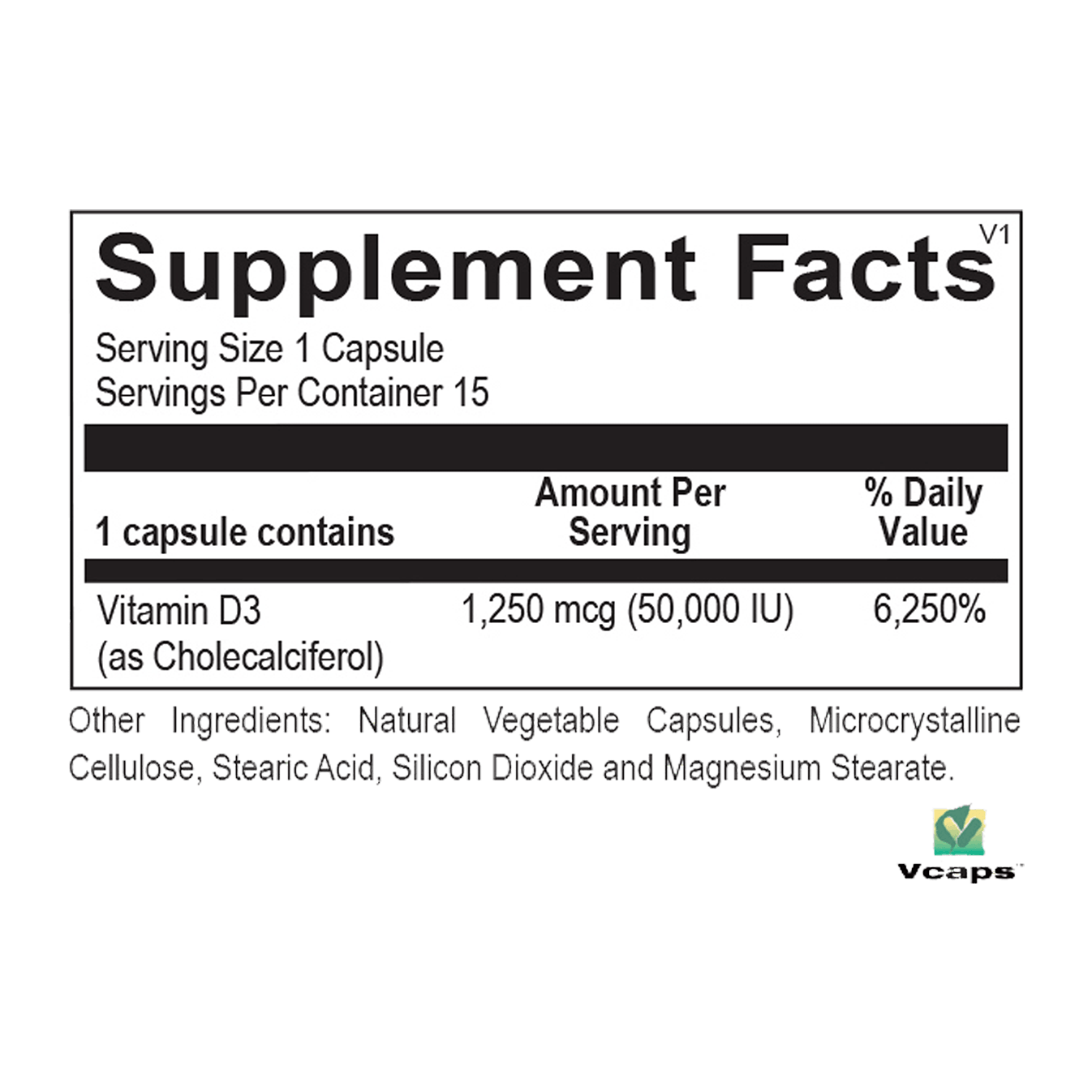
Vitamin D3 (Cholecalciferol): A Comprehensive Medical and Orthopedic SEO Guide
Vitamin D3, scientifically known as cholecalciferol, is a fat-soluble secosteroid that plays a critical role in maintaining overall health, particularly bone health, immune function, and neuromuscular performance. Often referred to as the "sunshine vitamin," it is unique among vitamins as the human body can synthesize it endogenously when skin is exposed to ultraviolet B (UVB) radiation from sunlight. Despite this natural production, Vitamin D deficiency remains a global health concern, affecting a significant portion of the population across all age groups and demographics.
As expert medical SEO copywriters and orthopedic specialists, we understand the profound impact Vitamin D3 has on musculoskeletal integrity, fracture prevention, and recovery. This exhaustive guide delves into the intricate mechanisms, clinical indications, appropriate dosage, potential risks, and management of Vitamin D3 to provide a definitive resource for patients and healthcare professionals alike.
Deep-dive into Technical Specifications and Mechanisms
Understanding Vitamin D3 goes beyond its simple role in calcium absorption; it's a complex hormone precursor with widespread effects throughout the body.
Chemical Structure and Synthesis
Vitamin D3 (cholecalciferol) is chemically distinct from Vitamin D2 (ergocalciferol), which is derived from plant sources. While both can raise serum 25(OH)D levels, D3 is generally considered more potent and effective in maintaining long-term Vitamin D status.
- Endogenous Synthesis: In the skin, 7-dehydrocholesterol is converted to pre-vitamin D3 upon exposure to UVB radiation. Pre-vitamin D3 then isomerizes to Vitamin D3 (cholecalciferol) through a heat-dependent process.
- Dietary Sources: Cholecalciferol can also be obtained from animal-based foods (fatty fish, fish liver oils, egg yolks, fortified dairy products) and supplements.
Mechanism of Action
The journey from inactive cholecalciferol to its biologically active form, calcitriol, involves a sophisticated two-step hydroxylation process:
- Hepatic Hydroxylation: Cholecalciferol, whether synthesized in the skin or ingested, is transported to the liver. Here, the enzyme 25-hydroxylase converts it into 25-hydroxyvitamin D [25(OH)D], also known as calcidiol. This is the primary circulating form of Vitamin D and the most reliable indicator of the body's Vitamin D stores.
- Renal Hydroxylation: Calcidiol is then transported to the kidneys, where the enzyme 1-alpha-hydroxylase converts it into 1,25-dihydroxyvitamin D [1,25(OH)2D], or calcitriol. This is the hormonally active form of Vitamin D. The activity of 1-alpha-hydroxylase is tightly regulated by parathyroid hormone (PTH), serum calcium, phosphate levels, and fibroblast growth factor 23 (FGF-23).
Once activated, calcitriol exerts its effects by binding to the Vitamin D Receptor (VDR), a nuclear receptor found in nearly all cells and tissues throughout the body. This binding initiates a cascade of genomic and non-genomic actions:
-
Genomic Actions: The VDR-calcitriol complex modulates gene expression, influencing over 200 genes involved in various physiological processes.
- Calcium and Phosphate Homeostasis:
- Increases intestinal absorption of calcium and phosphate.
- Works synergistically with PTH to regulate bone remodeling, promoting calcium mobilization from bone when serum calcium levels are low.
- Enhances renal reabsorption of calcium and phosphate.
- Bone Mineralization: Ensures adequate calcium and phosphate availability for proper bone formation and mineralization, preventing conditions like rickets in children and osteomalacia in adults.
- Muscle Function: Influences muscle cell differentiation and function, contributing to muscle strength and reducing the risk of falls.
- Immune Modulation: Modulates both innate and adaptive immune responses, influencing the activity of macrophages, T cells, and B cells.
- Cell Growth and Differentiation: Plays a role in cell cycle regulation, potentially inhibiting uncontrolled cell proliferation.
- Calcium and Phosphate Homeostasis:
-
Non-Genomic Actions: Faster responses mediated by VDRs located in the cell membrane, influencing intracellular signaling pathways.
Pharmacokinetics
The journey of Vitamin D3 through the body involves distinct phases:
- Absorption:
- Being fat-soluble, dietary Vitamin D3 is absorbed in the small intestine, primarily in the jejunum, requiring bile salts for emulsification and micelle formation.
- It's then incorporated into chylomicrons and transported via the lymphatic system into the bloodstream.
- Distribution:
- Once in circulation, Vitamin D3 and its metabolites are primarily bound to Vitamin D-binding protein (DBP), which transports them to various tissues.
- It is stored in adipose tissue, muscle, and liver, providing a reservoir for future use.
- Metabolism:
- The initial hydroxylation occurs in the liver to 25(OH)D.
- The second hydroxylation occurs in the kidneys to 1,25(OH)2D.
- Further metabolism occurs in the kidneys and other tissues (e.g., bone, colon) to inactive forms like 24,25-dihydroxyvitamin D [24,25(OH)2D], which are then excreted.
- Elimination:
- Vitamin D metabolites are primarily excreted in bile and feces. A small amount is excreted renally.
- Half-life:
- Cholecalciferol (Vitamin D3): Approximately 24 hours in circulation.
- 25(OH)D (Calcidiol): Has a relatively long half-life of 2-3 weeks, making it an excellent indicator of long-term Vitamin D status.
- 1,25(OH)2D (Calcitriol): Has a much shorter half-life of 4-6 hours due to its hormonal activity and tight regulation.
Extensive Clinical Indications & Usage
Vitamin D3 supplementation is indicated for a wide range of conditions, primarily revolving around maintaining adequate serum 25(OH)D levels.
Prevention and Treatment of Vitamin D Deficiency
The most common indication for Vitamin D3 is to prevent or treat deficiency.
* Risk Factors for Deficiency:
* Limited Sun Exposure: Indoor lifestyle, excessive use of sunscreen, dark skin pigmentation (melanin reduces UVB penetration).
* Dietary Insufficiency: Lack of fortified foods or natural sources.
* Malabsorption Syndromes: Celiac disease, Crohn's disease, cystic fibrosis, bariatric surgery, pancreatic insufficiency.
* Obesity: Vitamin D is sequestered in adipose tissue, leading to lower circulating levels.
* Kidney or Liver Disease: Impairs the hydroxylation steps necessary for activation.
* Elderly: Reduced skin synthesis efficiency and lower dietary intake.
* Certain Medications: Anticonvulsants, glucocorticoids.
* Symptoms of Deficiency: Often subtle or asymptomatic, but can include bone pain, muscle weakness, fatigue, increased susceptibility to infections, and in severe cases, osteomalacia (adults) or rickets (children).
Bone Health and Orthopedics
From an orthopedic perspective, Vitamin D3 is indispensable:
- Osteoporosis: Crucial for calcium absorption and bone mineralization. Adequate Vitamin D3, often combined with calcium, reduces bone turnover and significantly lowers the risk of fractures (hip, vertebral, non-vertebral) in osteoporotic patients.
- Osteomalacia and Rickets: Direct treatment for these metabolic bone diseases characterized by defective mineralization of bone matrix.
- Fracture Healing: Emerging research suggests optimal Vitamin D levels may positively influence fracture healing rates and outcomes, though more definitive studies are needed.
- Muscle Strength and Balance: Improves muscle function, particularly in older adults, reducing muscle weakness and enhancing balance, thereby decreasing the risk of falls and subsequent fractures.
Immune System Modulation
Vitamin D's role in immune function is increasingly recognized:
- Infection Prevention: Studies suggest adequate Vitamin D levels may reduce the risk of acute respiratory tract infections, influenza, and even COVID-19 severity.
- Autoimmune Diseases: Modulates the immune system, potentially playing a role in the prevention or management of autoimmune conditions like multiple sclerosis, rheumatoid arthritis, and inflammatory bowel disease, though it is not a primary treatment.
Other Potential Indications (Emerging Research)
While not definitive indications, ongoing research explores Vitamin D3's role in:
* Cardiovascular Health: Blood pressure regulation, endothelial function.
* Cancer Prevention: Potential protective effects against certain cancers (e.g., colorectal, breast, prostate).
* Diabetes Mellitus: Insulin sensitivity and glucose metabolism.
* Mental Health: Mood regulation and potential role in depression.
Dosage Guidelines
Dosage varies significantly based on age, existing Vitamin D status, and specific clinical conditions. It's crucial to consult a healthcare professional for personalized recommendations.
| Population/Condition | Recommended Dietary Allowance (RDA) / Adequate Intake (AI) | Upper Limit (UL) | Treatment of Deficiency (Example) |
|---|---|---|---|
| Infants (0-12 months) | 400 IU/day | 1,000-1,500 IU/day | 1,000-2,000 IU/day for 6-12 weeks, then maintenance |
| Children (1-18 years) | 600 IU/day | 2,500-4,000 IU/day | 2,000 IU/day for 6-12 weeks, or 50,000 IU once weekly for 8 weeks |
| Adults (19-70 years) | 600 IU/day | 4,000 IU/day | 6,000 IU/day or 50,000 IU once weekly for 8-12 weeks, then 1,500-2,000 IU/day |
| Adults (>70 years) | 800 IU/day | 4,000 IU/day | As above, often requiring higher maintenance doses |
| Pregnant/Lactating Women | 600 IU/day | 4,000 IU/day | As for adults, to ensure fetal/infant health |
| Target Serum 25(OH)D Levels: | >30 ng/mL (75 nmol/L) for optimal bone and overall health. |
Note: Individuals with obesity, malabsorption syndromes, or on certain medications may require significantly higher doses, which should always be determined and monitored by a physician.
Risks, Side Effects, and Contraindications
While generally safe when used appropriately, excessive Vitamin D3 intake can lead to adverse effects, primarily due to hypercalcemia.
Contraindications
- Hypercalcemia: Pre-existing high levels of calcium in the blood.
- Vitamin D Toxicity: Existing overdose.
- Hypersensitivity: Allergic reaction to Vitamin D or its analogues.
- Rare Genetic Disorders: Conditions like Williams syndrome or idiopathic hypercalcemia of infancy, which involve increased sensitivity to Vitamin D.
Precautions
- Renal Impairment: Patients with kidney disease may have impaired conversion of 25(OH)D to 1,25(OH)2D and require careful monitoring of calcium, phosphate, and PTH. Active Vitamin D analogues (e.g., calcitriol) may be preferred.
- Granulomatous Diseases: Conditions like sarcoidosis or tuberculosis can lead to extrarenal production of 1,25(OH)2D, increasing the risk of hypercalcemia even with normal Vitamin D supplementation.
- Arteriosclerosis/Cardiac Impairment: Close monitoring of calcium levels is essential due to the potential for calcium deposition and exacerbated cardiac issues.
- Patients on Digoxin: Hypercalcemia induced by Vitamin D toxicity can precipitate cardiac arrhythmias.
Side Effects (Primarily Associated with Toxicity/Hypercalcemia)
Vitamin D toxicity (hypervitaminosis D) is rare and typically occurs from excessive mega-dosing, not from sun exposure or typical therapeutic doses. The primary danger is hypercalcemia.
- Early Signs: Nausea, vomiting, anorexia, constipation, abdominal pain, fatigue, muscle weakness, headache, metallic taste.
- Severe Signs (Hypercalcemia):
- Renal: Polyuria (increased urination), polydipsia (increased thirst), nephrocalcinosis (kidney stones), renal failure.
- Cardiovascular: Cardiac arrhythmias, hypertension.
- Neurological: Confusion, disorientation, stupor, coma.
- Skeletal: Bone pain, demineralization.
Drug Interactions
Vitamin D3 can interact with various medications, necessitating careful management.
| Drug Class | Interaction Mechanism | Clinical Effect | Management |
|---|---|---|---|
| Anticonvulsants | Phenytoin, phenobarbital, carbamazepine increase hepatic metabolism of Vitamin D to inactive forms. | May lead to Vitamin D deficiency, osteomalacia, and reduced bone mineral density. | Higher Vitamin D doses may be required; regular monitoring of 25(OH)D levels. |
| Corticosteroids | Glucocorticoids impair intestinal calcium absorption and increase Vitamin D metabolism. | Reduced efficacy of Vitamin D, increased risk of osteoporosis. | May require higher Vitamin D doses; bone density monitoring. |
| Bile Acid Sequestrants | Cholestyramine, colestipol reduce absorption of fat-soluble vitamins, including Vitamin D. | Decreased Vitamin D absorption. | Administer Vitamin D at least 1-2 hours before or 4-6 hours after bile acid sequestrants. |
| Orlistat | Inhibits fat absorption, thus reducing absorption of fat-soluble vitamins. | Decreased Vitamin D absorption. | Administer Vitamin D at least 2 hours before or after orlistat; consider increasing Vitamin D dose. |
| Mineral Oil | Can interfere with absorption of fat-soluble vitamins. | Decreased Vitamin D absorption. | Avoid concomitant use or separate administration times. |
| Thiazide Diuretics | Hydrochlorothiazide, chlorthalidone reduce urinary calcium excretion. | Increased risk of hypercalcemia when co-administered with Vitamin D, especially in susceptible individuals. | Monitor serum calcium closely, especially at initiation or dose changes of either agent. |
| Cardiac Glycosides | Digoxin: Hypercalcemia (from Vitamin D toxicity) can potentiate the effects of digoxin, increasing risk of arrhythmias. | Increased risk of digoxin toxicity. | Avoid excessive Vitamin D doses; monitor serum calcium and potassium levels closely in patients on digoxin. |
| Aluminum-containing Antacids | Increased absorption of aluminum. | Risk of aluminum toxicity, particularly in patients with renal impairment. | Avoid concomitant use or separate administration times significantly. |
| Ketoconazole | May inhibit the renal 1-alpha-hydroxylase, reducing the conversion of 25(OH)D to active 1,25(OH)2D. | Potential for reduced Vitamin D efficacy. | Monitor Vitamin D status and adjust supplementation as needed. |
Pregnancy and Lactation Warnings
- Pregnancy: Adequate Vitamin D levels are crucial during pregnancy for fetal skeletal development and maternal health. Deficiency is associated with increased risks of preeclampsia, gestational diabetes mellitus, and preterm birth. Doses up to 4,000 IU/day are generally considered safe and beneficial. Higher doses should only be used under medical supervision.
- Lactation: Vitamin D is excreted in breast milk, though typically in low concentrations. Maternal supplementation can increase breast milk Vitamin D levels, but infants often still require direct supplementation (e.g., 400 IU/day) to meet their needs. Doses up to 4,000 IU/day in lactating mothers are generally considered safe.
Overdose Management (Vitamin D Toxicity / Hypervitaminosis D)
Vitamin D toxicity is a serious condition resulting from excessive intake, leading to severe hypercalcemia.
- Symptoms: Primarily those of hypercalcemia (nausea, vomiting, weakness, polyuria, polydipsia, confusion, kidney stones, cardiac arrhythmias, renal failure).
- Treatment:
- Discontinuation: Immediately stop all Vitamin D supplements, calcium supplements, and any other agents that may increase calcium levels.
- Dietary Restriction: Implement a low-calcium diet.
- Hydration: Administer intravenous saline to promote urinary calcium excretion and correct dehydration.
- Diuretics: Loop diuretics (e.g., furosemide) can be used after rehydration to further enhance calcium excretion, but thiazide diuretics should be avoided.
- Corticosteroids: Glucocorticoids (e.g., prednisone) can reduce intestinal calcium absorption and bone resorption, helping to lower serum calcium.
- Bisphosphonates/Calcitonin: For severe hypercalcemia, medications like intravenous bisphosphonates (e.g., pamidronate) or calcitonin can rapidly reduce bone resorption and lower calcium levels.
- Dialysis: In cases of severe hypercalcemia with renal failure, dialysis may be necessary.
Frequently Asked Questions (FAQ)
1. What is the difference between Vitamin D2 and D3?
Vitamin D2 (ergocalciferol) is plant-derived, while Vitamin D3 (cholecalciferol) is animal-derived and produced in human skin upon sun exposure. Studies show Vitamin D3 is generally more effective at raising and maintaining serum 25(OH)D levels and is considered more potent.
2. How much sunlight exposure is needed for adequate Vitamin D?
The amount varies greatly depending on skin type, time of day, season, latitude, and cloud cover. Generally, 10-30 minutes of midday sun exposure to face, arms, and legs, several times a week without sunscreen, can produce significant Vitamin D. However, consistent sun exposure carries skin cancer risks, making supplementation a safer and more reliable option for many.
3. Can I get enough Vitamin D from food alone?
It is challenging to obtain sufficient Vitamin D from diet alone for most people. Few foods naturally contain significant amounts, primarily fatty fish (salmon, mackerel, tuna) and fish liver oils. Some foods are fortified (milk, cereals, orange juice), but intake often falls short of recommended levels, especially for those with deficiency.
4. Who is at risk of Vitamin D deficiency?
Individuals at high risk include those with limited sun exposure (e.g., elderly, indoor workers, veiled individuals), dark skin, obesity, malabsorption conditions (e.g., Crohn's, celiac), kidney or liver disease, and those on certain medications like anticonvulsants.
5. What are the symptoms of Vitamin D deficiency?
Many people with mild deficiency are asymptomatic. However, symptoms can include bone pain, muscle weakness, fatigue, increased susceptibility to infections, impaired wound healing, and in severe cases, osteomalacia (soft bones in adults) or rickets (bone deformities in children).
6. How is Vitamin D deficiency diagnosed?
Vitamin D deficiency is diagnosed by measuring the serum level of 25-hydroxyvitamin D [25(OH)D]. Levels below 20 ng/mL (50 nmol/L) are generally considered deficient, while levels between 21-29 ng/mL (52-72 nmol/L) are considered insufficient.
7. What is a healthy Vitamin D level?
Most medical organizations recommend a serum 25(OH)D level of at least 30 ng/mL (75 nmol/L) for optimal bone and overall health. Some experts suggest levels up to 50 ng/mL (125 nmol/L) for certain populations or conditions.
8. Is it safe to take Vitamin D supplements long-term?
Yes, taking Vitamin D supplements long-term at recommended dosages (e.g., 1,000-4,000 IU/day for adults) is generally safe and often necessary to maintain adequate levels, especially for individuals at risk of deficiency. Regular monitoring of 25(OH)D levels is advisable, especially with higher doses.
9. Can Vitamin D help with my immune system?
Yes, Vitamin D plays a crucial role in modulating the immune system. It can enhance innate immunity and regulate adaptive immunity, potentially reducing the risk of infections, including respiratory tract infections, and influencing the course of autoimmune diseases.
10. What happens if I take too much Vitamin D?
Taking excessively high doses of Vitamin D can lead to toxicity (hypervitaminosis D), primarily characterized by hypercalcemia (abnormally high calcium levels in the blood). Symptoms include nausea, vomiting, weakness, frequent urination, kidney stones, and in severe cases, kidney failure, cardiac arrhythmias, and confusion.
11. Should I take Vitamin D with K2?
Some research suggests that Vitamin K2 may work synergistically with Vitamin D to direct calcium to the bones and teeth, preventing its deposition in soft tissues like arteries. While not universally recommended, some healthcare providers advocate for combined supplementation, especially in individuals concerned about cardiovascular health or bone density.
12. Does Vitamin D interact with any medications?
Yes, Vitamin D can interact with several medications. These include certain anticonvulsants (which can increase Vitamin D metabolism), corticosteroids (which impair calcium absorption), bile acid sequestrants and orlistat (which reduce Vitamin D absorption), and thiazide diuretics (which can increase calcium levels). Always inform your doctor about all medications and supplements you are taking.