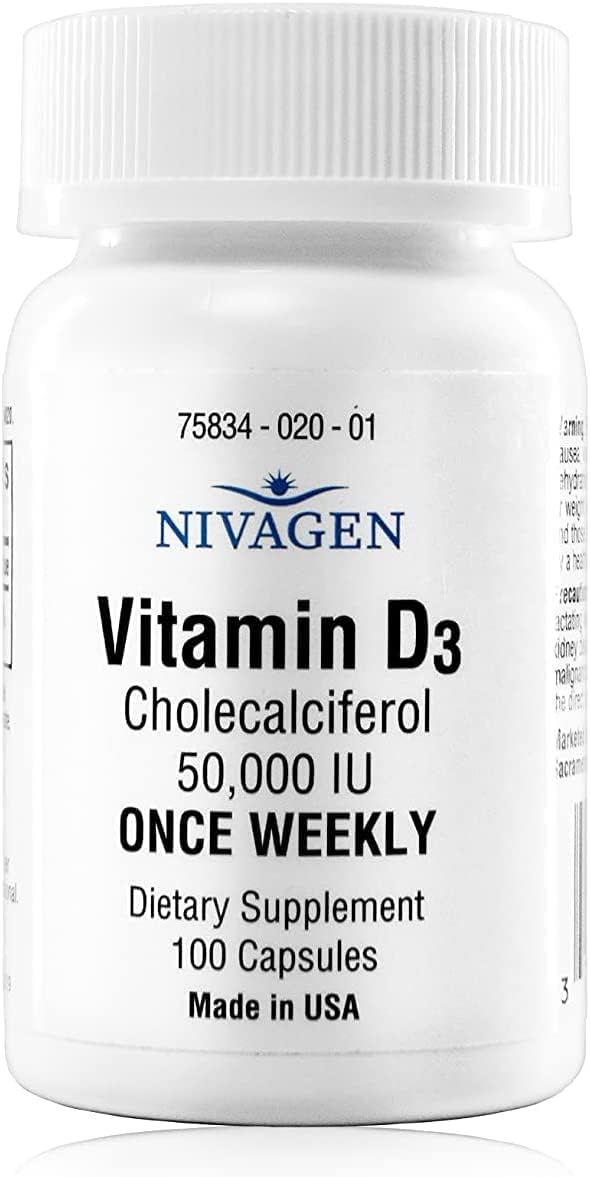
Vitamin D3 50,000 IU: An Expert Medical SEO Guide for Orthopedic Health
As an expert in orthopedic health and medical SEO, understanding the profound impact of Vitamin D on skeletal integrity and overall well-being is paramount. Vitamin D3 (cholecalciferol) is not merely a vitamin; it's a pro-hormone crucial for a myriad of bodily functions, most notably calcium homeostasis and bone metabolism. While lower doses are available for daily supplementation, Vitamin D3 50,000 IU represents a high-potency, often prescription-strength formulation specifically designed to rapidly replete severe deficiencies and manage various medical conditions. This comprehensive guide delves into the intricate science behind Vitamin D3 50,000 IU, providing an authoritative resource for patients, healthcare providers, and those seeking in-depth medical knowledge.
Comprehensive Introduction & Overview of Vitamin D3
Vitamin D, often referred to as the "sunshine vitamin," is synthesized in the skin upon exposure to ultraviolet B (UVB) radiation. Dietary sources, though fewer, include fatty fish, fortified foods, and supplements. There are two primary forms: Vitamin D2 (ergocalciferol), derived from plant sources and fungi, and Vitamin D3 (cholecalciferol), found in animal products and synthesized in human skin. Vitamin D3 is generally considered more potent and effective at raising serum 25-hydroxyvitamin D [25(OH)D] levels, which is the primary indicator of vitamin D status.
A Vitamin D3 50,000 IU supplement delivers a substantial dose of cholecalciferol, making it a powerful tool in clinical settings. It is typically prescribed for individuals with clinically diagnosed severe vitamin D deficiency, malabsorption syndromes, or specific medical conditions requiring aggressive repletion. Unlike lower-dose over-the-counter supplements, this high potency necessitates careful medical supervision due to the potential for adverse effects if inappropriately used. Its critical role extends beyond bone health to immune function, cell growth, and neuromuscular performance, underscoring its broad physiological importance.
Deep-Dive into Technical Specifications & Mechanisms
Understanding how Vitamin D3 50,000 IU works requires an appreciation of its journey through the body and its molecular interactions.
Mechanism of Action
Cholecalciferol (Vitamin D3) is biologically inert until it undergoes two hydroxylation steps:
- Hepatic Hydroxylation: In the liver, cholecalciferol is hydroxylated by the enzyme 25-hydroxylase (CYP2R1, CYP27A1) to form 25-hydroxyvitamin D [25(OH)D], also known as calcifediol. This is the main circulating form of Vitamin D and the one measured to assess a person's vitamin D status.
- Renal Hydroxylation: 25(OH)D then travels to the kidneys, where it undergoes a second hydroxylation by the enzyme 1-alpha-hydroxylase (CYP27B1) to form 1,25-dihydroxyvitamin D [1,25(OH)2D], also known as calcitriol. Calcitriol is the biologically active form of Vitamin D, functioning as a steroid hormone.
Calcitriol's Key Functions:
- Calcium and Phosphate Homeostasis:
- Intestinal Absorption: Calcitriol significantly enhances the absorption of calcium and phosphate from the small intestine by stimulating the synthesis of calcium-binding proteins (calbindin-D28k) and other transport mechanisms.
- Bone Remodeling: It works synergistically with parathyroid hormone (PTH) to regulate bone remodeling. In cases of low calcium, calcitriol, along with PTH, promotes calcium release from bone to maintain serum calcium levels. It also plays a crucial role in bone mineralization by ensuring adequate calcium and phosphate availability.
- Renal Reabsorption: It increases the reabsorption of calcium and phosphate in the renal tubules, reducing their excretion in urine.
- Beyond Bone Health: Calcitriol receptors (VDRs) are found in nearly all tissues and cells, indicating its widespread influence:
- Immune Modulation: Influences innate and adaptive immunity, supporting antimicrobial defense and regulating inflammatory responses.
- Cell Growth & Differentiation: Plays a role in cell proliferation and differentiation, with implications for cancer prevention.
- Neuromuscular Function: Essential for muscle strength and coordination.
- Cardiovascular Health: Involved in blood pressure regulation and endothelial function.
Pharmacokinetics
The journey of Vitamin D3 50,000 IU through the body involves several stages:
- Absorption: Cholecalciferol is a fat-soluble vitamin. It is absorbed in the small intestine, primarily in the jejunum, through a process dependent on bile salts and dietary fat. Absorption is highly efficient, typically around 80%.
- Distribution: Once absorbed, cholecalciferol enters the bloodstream and is primarily bound to vitamin D-binding protein (DBP), which transports it to the liver and other tissues.
- Metabolism:
- Liver: Converted to 25(OH)D (calcifediol) by 25-hydroxylase. The half-life of 25(OH)D is relatively long, approximately 2-3 weeks, making it a stable indicator of vitamin D status.
- Kidneys: Converted to 1,25(OH)2D (calcitriol) by 1-alpha-hydroxylase. The half-life of calcitriol is much shorter, about 4-6 hours.
- Excretion: Vitamin D and its metabolites are primarily excreted in the bile and feces, with only a small fraction appearing in the urine.
Extensive Clinical Indications & Usage
Vitamin D3 50,000 IU is a potent therapeutic agent indicated for specific medical conditions and severe deficiencies, always under medical supervision.
Detailed Indications
| Indication | Description ## Dosage Guidelines for Vitamin D3 50,000 IU
The dosing of Vitamin D3 50,000 IU is highly individualized and determined by a healthcare provider based on the patient's serum 25(OH)D levels, clinical symptoms, underlying medical conditions, and response to therapy. It is crucial to emphasize that this is not a daily supplement and should never be taken without medical guidance.
General Dosing Principles:
- Initial Repletion: For severe vitamin D deficiency (typically 25(OH)D < 20 ng/mL or 50 nmol/L), common regimens involve:
- Weekly Dosing: 50,000 IU once weekly for 8-12 weeks.
- Bi-weekly/Monthly Dosing: Less common for initial repletion but may be used for maintenance or in specific clinical scenarios.
- Cumulative Dose: The goal is often to deliver a cumulative dose of 300,000 to 600,000 IU over 8-12 weeks to raise 25(OH)D levels to a target range (e.g., >30 ng/mL or 75 nmol/L).
- Maintenance Therapy: Once initial repletion is achieved, lower daily or weekly doses of Vitamin D3 (e.g., 1,000-2,000 IU daily or 5,000-10,000 IU weekly) are usually prescribed to maintain adequate levels, or a less frequent 50,000 IU dose (e.g., monthly) may be used in certain cases.
- Monitoring: Serum 25(OH)D levels should be re-checked approximately 3 months after initiating high-dose therapy to assess response and adjust future dosing. Serum calcium and phosphorus levels should also be monitored, especially in patients with renal impairment or those on concomitant medications.
Special Populations:
- Malabsorption Syndromes: Patients with conditions like Crohn's disease, celiac disease, cystic fibrosis, or those who have undergone bariatric surgery may require higher and more frequent doses due to impaired absorption. Dosing regimens might be more aggressive and require closer monitoring.
- Obesity: Obese individuals often have lower circulating 25(OH)D levels due to sequestration of vitamin D in adipose tissue. They may require 2-3 times higher doses of vitamin D to achieve target levels.
- Chronic Kidney Disease (CKD): While Vitamin D3 50,000 IU can be used in some stages of CKD to replete deficiency, careful monitoring of calcium and phosphorus is essential, especially as kidney function declines. In later stages of CKD, active vitamin D analogs (e.g., calcitriol) may be preferred due to impaired renal 1-alpha-hydroxylation.
- Osteoporosis: Often used as part of a comprehensive treatment plan for osteoporosis, alongside calcium supplementation and other anti-osteoporotic medications, to ensure optimal calcium absorption and bone mineralization.
Risks, Side Effects, or Contraindications
While Vitamin D is essential, high doses like 50,000 IU carry specific risks if not properly managed.
Contraindications
- Hypercalcemia: Pre-existing high blood calcium levels. Vitamin D increases calcium absorption, exacerbating this condition.
- Hypervitaminosis D: Existing toxicity from excessive vitamin D intake.
- Hypersensitivity: Known allergy to cholecalciferol or any component of the formulation.
- Severe Renal Impairment (without close monitoring): Patients with severe kidney disease may have altered vitamin D metabolism and are at higher risk of hypercalcemia and hyperphosphatemia. Close monitoring is crucial.
- Primary Hyperparathyroidism: In this condition, PTH levels are already high, leading to increased calcium. Adding high-dose Vitamin D can worsen hypercalcemia.
Potential Side Effects (Primarily Due to Hypercalcemia from Overdose)
Side effects from Vitamin D3 50,000 IU are rare when used appropriately under medical supervision but can occur with excessive intake or in susceptible individuals, primarily manifesting as symptoms of hypercalcemia.
- Early Symptoms of Hypercalcemia:
- Nausea, vomiting, loss of appetite
- Constipation
- Excessive thirst (polydipsia)
- Frequent urination (polyuria)
- Fatigue, weakness, muscle pain
- Headache
- Metallic taste
- Severe Symptoms of Hypercalcemia (Chronic Overdose):
- Kidney damage (nephrocalcinosis, renal failure)
- Cardiac arrhythmias
- Confusion, disorientation, stupor, coma
- Pancreatitis
- Soft tissue calcification
Drug Interactions
Vitamin D3 50,000 IU can interact with several medications, altering their effects or increasing the risk of adverse events.
| Drug Class | Interaction Mechanism | Clinical Effect / Management |
|-----------------------------|------------------------------------------------------------------------------------------------------------------------------------------------------------------------------------------------------------------------------------------------------------------------------------------------------------------------------------------------------------------------------------------------------------------------------------------------------------------------------------------------------------------------------------------------------------------------------------------------------------------------------------------------------------------------------------------------------------------------------------------------------------------------------------------------------------------------------------------------------------------------------------------------------------------------------------------------------------------------------------------------------------------------------------------------------------------------------------------------------------------------------------------------------------------------------------------------------------------------------------------------------------------------------------------------------------------------------------------------------------------------------------------------------------------------------------------------------------------------------------------------------------------------------------------------------------------------------------------------------------------------------------------------------------------------------------------------------------------------------------------------------------------------------------------------------------------------------------------------------------------------------------------------------------------------------------------------------------------------------------------------------------------------------------------------------------------------------------------------------------------------------------------------------------------------------------------------------------------------------------------------------------------------------------------------------------------------------------------------------------------------------------------------------------------------------------------------------------------------------------------------------------------------------------------------------------------------------------------------