Vitamin D 50000 IU (21 Century): An Expert Orthopedic and Medical SEO Guide
Comprehensive Introduction & Overview
Vitamin D, often referred to as the "sunshine vitamin," is a crucial fat-soluble secosteroid hormone that plays a pivotal role in maintaining overall health, particularly bone integrity and immune function. While the body can synthesize Vitamin D upon exposure to sunlight, deficiencies are remarkably common worldwide due to modern lifestyles, geographical location, skin pigmentation, and various medical conditions.
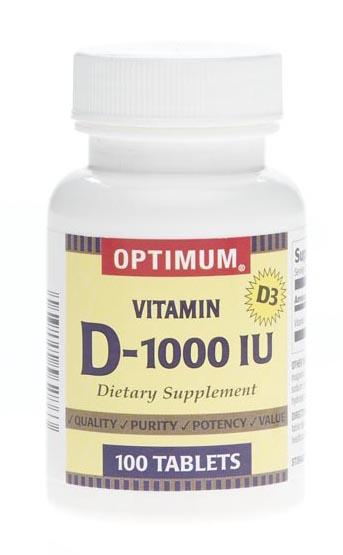
"Vitamin D 50000 21 Century" refers to a high-potency cholecalciferol (Vitamin D3) supplement offered by 21st Century Healthcare, a reputable brand known for its commitment to quality and accessibility in the supplement market. The 50,000 IU (International Units) dosage is typically prescribed for the rapid correction of significant Vitamin D deficiency, often administered weekly or bi-weekly under medical supervision, rather than as a daily maintenance dose.
This comprehensive guide, penned by an expert Medical SEO Copywriter and Orthopedic Specialist, delves into the intricate details of Vitamin D 50000 IU, covering its mechanism of action, pharmacokinetics, detailed clinical indications, precise dosage guidelines, critical contraindications, potential drug interactions, warnings for pregnancy and lactation, and essential overdose management strategies. Our aim is to provide an authoritative, exhaustive resource for healthcare professionals and informed patients alike.
Deep-Dive into Technical Specifications & Mechanisms
Understanding how Vitamin D 50000 IU works within the body is fundamental to appreciating its therapeutic value and potential risks.
Mechanism of Action
Vitamin D3 (cholecalciferol) is biologically inert and requires two hydroxylation steps to become its active form, calcitriol (1,25-dihydroxyvitamin D).
- Hepatic Hydroxylation: Upon absorption from the gastrointestinal tract or synthesis in the skin, cholecalciferol travels to the liver, where it is hydroxylated at the 25-position by the enzyme 25-hydroxylase (CYP2R1, CYP27A1) to form 25-hydroxyvitamin D [25(OH)D], also known as calcifediol. This is the primary circulating form of Vitamin D and the best indicator of the body's Vitamin D status.
- Renal Hydroxylation: Calcifediol then travels to the kidneys, where it undergoes a second hydroxylation at the 1-alpha position by the enzyme 1-alpha-hydroxylase (CYP27B1), primarily regulated by parathyroid hormone (PTH), calcium, and phosphate levels. This step converts 25(OH)D into the biologically active form, 1,25-dihydroxyvitamin D [1,25(OH)2D], or calcitriol.
Calcitriol's Actions:
The active form, calcitriol, exerts its effects primarily by binding to the Vitamin D Receptor (VDR), a nuclear receptor found in most cells and tissues throughout the body. This binding initiates a cascade of genomic and non-genomic actions:
- Calcium and Phosphate Homeostasis:
- Intestinal Absorption: Calcitriol is the most potent stimulator of intestinal calcium and phosphate absorption, enhancing the synthesis of calcium-binding proteins (e.g., calbindin-D28k) and active transport channels.
- Bone Remodeling: It promotes the differentiation of osteoclasts (bone-resorbing cells) and plays a role in osteoblast (bone-forming cells) function, ensuring proper bone mineralization and remodeling. In deficiency, it helps mobilize calcium from bone to maintain serum levels.
- Renal Reabsorption: It increases the reabsorption of calcium and phosphate in the renal tubules, reducing their excretion.
- Beyond Bone Health:
- Immune Modulation: VDRs are present in immune cells (T cells, B cells, macrophages, dendritic cells). Calcitriol modulates immune responses, promoting innate immunity and regulating adaptive immunity, potentially reducing inflammation and susceptibility to certain infections.
- Cell Growth and Differentiation: It influences cell proliferation, differentiation, and apoptosis, with implications for various tissues and a potential role in cancer prevention (though research is ongoing).
- Muscle Function: Vitamin D deficiency is linked to muscle weakness and myopathy, and supplementation can improve muscle strength and reduce fall risk.
- Cardiovascular Health: VDRs are found in the heart and vascular endothelium, suggesting roles in blood pressure regulation and cardiovascular disease prevention.
- Neurocognitive Function: Emerging research indicates a role in brain health and mood regulation.
Pharmacokinetics
The journey of Vitamin D 50000 IU through the body is complex and influenced by several factors.
- Absorption:
- Cholecalciferol is a fat-soluble vitamin, absorbed in the small intestine, primarily in the jejunum.
- Optimal absorption requires the presence of dietary fat and bile salts. Therefore, taking Vitamin D supplements with a meal containing fat is recommended.
- Conditions causing malabsorption (e.g., celiac disease, Crohn's disease, cystic fibrosis, bariatric surgery) can significantly impair absorption.
- Distribution:
- Once absorbed, cholecalciferol is incorporated into chylomicrons and transported via the lymphatic system into the bloodstream.
- In circulation, it binds primarily to Vitamin D Binding Protein (DBP), which transports it to various tissues, including the liver for initial hydroxylation.
- Vitamin D and its metabolites are stored in adipose tissue and muscle, allowing for slow release over time, which is why high-dose weekly or monthly regimens are effective.
- Metabolism:
- As detailed in the mechanism of action, the two main metabolic steps occur in the liver (25-hydroxylation) and kidneys (1-alpha-hydroxylation).
- The half-life of 25(OH)D (calcifediol) in the circulation is relatively long, approximately 2-3 weeks, making it an excellent marker for long-term Vitamin D status.
- The half-life of the active form, 1,25(OH)2D (calcitriol), is much shorter, only a few hours.
- Elimination:
- Vitamin D metabolites are primarily excreted in the bile and feces. A smaller portion is excreted renally.
- The body also has mechanisms to inactivate Vitamin D, such as 24-hydroxylation, which converts calcifediol and calcitriol into inactive forms, preventing toxicity.
Extensive Clinical Indications & Usage
Vitamin D 50000 IU is a potent formulation primarily used for therapeutic intervention rather than routine daily supplementation. Its use should always be guided by a healthcare professional following assessment of Vitamin D status.
Primary Indication: Vitamin D Deficiency
The most common and primary indication for Vitamin D 50000 IU is the treatment of moderate to severe Vitamin D deficiency.
- Defining Deficiency: Serum 25(OH)D levels are categorized as:
- Severe Deficiency: < 10 ng/mL (25 nmol/L)
- Moderate Deficiency: 10-20 ng/mL (25-50 nmol/L)
- Insufficiency: 21-29 ng/mL (52.5-72.5 nmol/L)
- Sufficiency: 30-100 ng/mL (75-250 nmol/L)
- Risk Factors for Deficiency:
- Limited Sun Exposure: Northern latitudes, extensive clothing, indoor occupations, sunscreen use, institutionalized individuals.
- Darker Skin Pigmentation: Melanin acts as a natural sunscreen, reducing D3 synthesis.
- Obesity: Vitamin D is sequestered in adipose tissue, reducing its bioavailability.
- Malabsorption Syndromes: Celiac disease, Crohn's disease, cystic fibrosis, short bowel syndrome, bariatric surgery.
- Kidney or Liver Disease: Impaired hydroxylation of Vitamin D.
- Certain Medications: Anticonvulsants, glucocorticoids, antiretrovirals.
- Elderly: Decreased skin synthesis and reduced renal 1-alpha-hydroxylase activity.
Specific Clinical Conditions
Beyond general deficiency, Vitamin D 50000 IU may be indicated as part of a treatment regimen for specific medical conditions:
- Osteoporosis and Osteopenia: As an adjunct to calcium supplementation and other anti-osteoporotic therapies to improve bone mineral density and reduce fracture risk.
- Osteomalacia (Adults) / Rickets (Children): Conditions characterized by impaired bone mineralization due to severe Vitamin D deficiency, leading to soft, weak bones.
- Secondary Hyperparathyroidism: Often seen in chronic kidney disease, where impaired renal hydroxylation leads to low calcitriol, increased PTH, and bone demineralization. High-dose Vitamin D can help suppress PTH.
- Hypoparathyroidism: To maintain calcium homeostasis in patients with inadequate PTH production.
- Psoriasis: While topical calcitriol is used, systemic Vitamin D may play a supportive role due to its immunomodulatory effects.
- Muscle Weakness and Myopathy: When directly attributable to Vitamin D deficiency.
- Immune Support: While not a primary indication for high doses, correcting deficiency supports overall immune function, potentially reducing susceptibility to infections.
Dosage Guidelines
The 50,000 IU formulation is designed for intermittent dosing. Always follow a healthcare provider's specific instructions.
- Typical Loading Dose for Severe Deficiency:
- Adults: 50,000 IU orally once weekly for 8-12 weeks, followed by maintenance therapy.
- Pediatric (under medical supervision): Dosing varies by age and severity.
- Maintenance Therapy (after correction of deficiency):
- Once target 25(OH)D levels (usually >30 ng/mL) are achieved, patients are typically transitioned to lower daily or weekly doses (e.g., 1,000-5,000 IU daily or 50,000 IU monthly).
- Monitoring:
- Serum 25(OH)D levels should be re-checked after the loading phase (e.g., 3 months) to confirm correction and guide maintenance dosing.
- Serum calcium, phosphate, and parathyroid hormone (PTH) levels should also be monitored, especially in patients with kidney disease or those at risk of hypercalcemia.
Risks, Side Effects, and Contraindications
While essential, high-dose Vitamin D supplementation is not without risks and requires careful consideration.
Contraindications
Vitamin D 50000 IU is contraindicated in individuals with:
- Hypercalcemia: Pre-existing elevated blood calcium levels, regardless of cause.
- Hypervitaminosis D: Existing Vitamin D toxicity.
- Severe Renal Impairment: Patients with severe kidney disease may have impaired ability to convert 25(OH)D to 1,25(OH)2D and may require activated Vitamin D analogues (e.g., calcitriol) instead.
- Hypersensitivity: Known allergy or hypersensitivity to Vitamin D or any component of the formulation.
- Granulomatous Diseases: Conditions like sarcoidosis, tuberculosis, or histoplasmosis can lead to unregulated extra-renal production of 1,25(OH)2D, increasing the risk of hypercalcemia even with normal Vitamin D levels.
Adverse Effects (Side Effects)
Adverse effects are rare at therapeutic doses but become more pronounced and serious with overdose (hypervitaminosis D).
- Mild (usually with mild hypercalcemia):
- Gastrointestinal: Nausea, vomiting, constipation, abdominal pain, loss of appetite.
- General: Fatigue, weakness, headache.
- Severe (with significant hypercalcemia, indicative of toxicity):
- Renal: Polyuria (increased urination), polydipsia (increased thirst), dehydration, nephrolithiasis (kidney stones), nephrocalcinosis (calcium deposits in kidneys), renal failure.
- Musculoskeletal: Muscle weakness, bone pain, joint pain.
- Neurological/Psychiatric: Confusion, disorientation, stupor, depression, psychosis.
- Cardiovascular: Arrhythmias (due to calcium's effect on heart rhythm), hypertension.
- Other: Weight loss, metallic taste.
Drug Interactions
Several medications can interact with Vitamin D, altering its efficacy or increasing the risk of adverse effects.
| Drug Class | Interaction Mechanism Th Thiazide Diuretics: Can increase serum calcium levels by enhancing renal calcium reabsorption. Concomitant use with Vitamin D can further elevate calcium, increasing the risk of hypercalcemia.
* Anticonvulsants (e.g., Phenytoin, Carbamazepine, Phenobarbital): These drugs induce hepatic cytochrome P450 enzymes, accelerating the metabolism of Vitamin D into inactive forms, thereby reducing its efficacy and potentially leading to deficiency.
* Corticosteroids (e.g., Prednisone): Long-term corticosteroid use can decrease intestinal calcium absorption and increase renal calcium excretion, counteracting the effects of Vitamin D and potentially leading to deficiency.
* Bile Acid Sequestrants (e.g., Cholestyramine, Colestipol): These agents bind to bile acids in the gut, which are essential for the absorption of fat-soluble vitamins like Vitamin D. This can reduce Vitamin D absorption.
* Orlistat: A lipase inhibitor used for weight loss, it reduces dietary fat absorption and can therefore impair the absorption of fat-soluble vitamins, including Vitamin D.
* Mineral Oil: Acts as a laxative and can interfere with the absorption of fat-soluble vitamins by dissolving them in the unabsorbed oil.
* Cardiac Glycosides (e.g., Digoxin): Hypercalcemia caused by Vitamin D toxicity can potentiate the effects of digoxin, leading to cardiac arrhythmias.
* Other Vitamin D Analogues/Metabolites: Concomitant use with other forms of Vitamin D (e.g., calcitriol, alfacalcidol) should be avoided unless specifically directed by a physician, as it can increase the risk of hypercalcemia.
Pregnancy and Lactation Warnings
Vitamin D is crucial for both maternal and fetal health, but high-dose supplementation requires careful consideration.
- Pregnancy: Vitamin D deficiency is common during pregnancy and can lead to adverse outcomes for both mother and child (e.g., preeclampsia, gestational diabetes, low birth weight, rickets in offspring). While supplementation is often recommended, high doses like 50,000 IU should only be used if there is a diagnosed severe deficiency and under strict medical supervision. Excess Vitamin D can lead to hypercalcemia in the mother, potentially affecting fetal development. The FDA classifies high-dose Vitamin D as Pregnancy Category C.
- Lactation: Vitamin D is excreted in breast milk. While adequate maternal Vitamin D levels ensure sufficient transfer to the infant, excessive maternal doses can lead to high levels in breast milk, potentially causing hypercalcemia in the nursing infant. Therefore, caution is advised, and infant calcium levels should be monitored if the mother is receiving high-dose Vitamin D.
Overdose Management (Hypervitaminosis D)
Hypervitaminosis D is a serious condition resulting from excessive intake of Vitamin D, leading to hypercalcemia. It is rare with appropriate dosing but a significant concern with unsupervised high-dose use.
- Symptoms of Hypervitaminosis D: Mimic those of hypercalcemia.
- Early symptoms: Anorexia, nausea, vomiting, constipation, polyuria, polydipsia, weakness, fatigue, headache.
- Later symptoms: Renal impairment (nephrocalcinosis, kidney stones), hypertension, cardiac arrhythmias, confusion, stupor, coma.
- Management:
- Immediate Cessation: Discontinue all Vitamin D supplements and calcium intake.
- Hydration: Administer intravenous fluids (normal saline) to correct dehydration and promote calcium excretion.
- Diuretics: Loop diuretics (e.g., furosemide) may be used to increase renal calcium excretion, but only after adequate rehydration.
- Corticosteroids: Glucocorticoids (e.g., prednisone) can reduce intestinal calcium absorption and bone resorption, especially in cases of granulomatous disease.
- Calcitonin: Can rapidly but temporarily lower serum calcium by inhibiting osteoclast activity.
- Bisphosphonates: In severe, refractory cases, intravenous bisphosphonates (e.g., pamidronate, zoledronic acid) can be used to inhibit bone resorption.
- Dialysis: In cases of severe renal failure or life-threatening hypercalcemia unresponsive to other treatments.
- Monitoring: Closely monitor serum calcium, phosphate, magnesium, BUN, creatinine, and electrolytes until levels normalize.
Massive FAQ Section
Q1: Why is Vitamin D 50000 IU such a high dose? Is it safe?
A1: Vitamin D 50000 IU is considered a high-potency dose, typically prescribed for the treatment of significant Vitamin D deficiency, not for daily maintenance. It's often given weekly or bi-weekly as a loading dose to rapidly restore deficient levels. While it is safe and effective when prescribed and monitored by a healthcare professional, unsupervised or prolonged use can lead to toxicity (hypervitaminosis D). Always follow your doctor's instructions.
Q2: How often should I take Vitamin D 50000 IU?
A2: The frequency of taking Vitamin D 50000 IU is determined by your healthcare provider based on your initial Vitamin D levels, your response to treatment, and other health factors. Common regimens include once weekly for 8-12 weeks, followed by a lower maintenance dose. Do NOT self-medicate or alter your prescribed dosing schedule.
Q3: How long does it take for Vitamin D 50000 IU to correct a deficiency?
A3: Significant improvement in Vitamin D levels (serum 25(OH)D) is usually seen within 8-12 weeks of consistent 50,000 IU weekly dosing