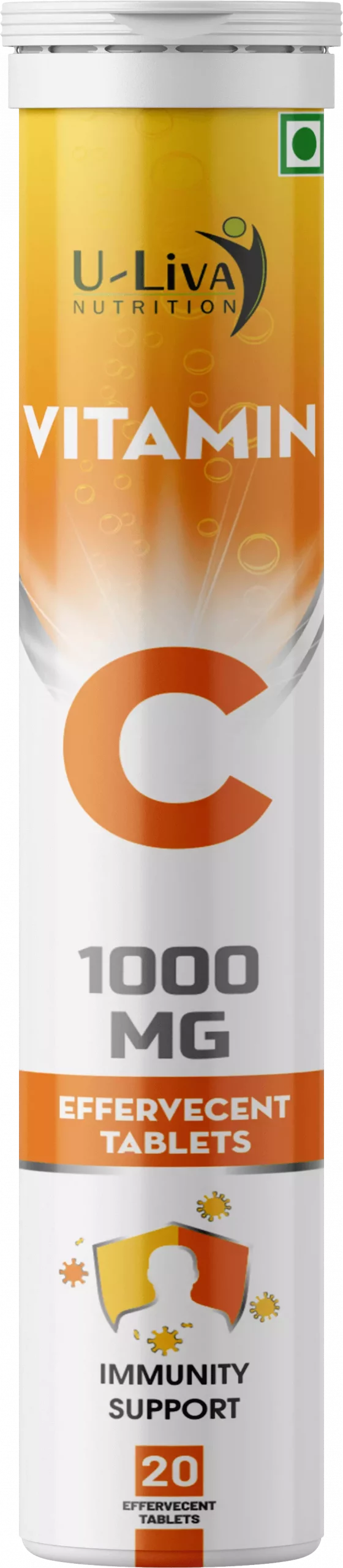
Vitamin C (Ascorbic Acid): An Exhaustive Medical SEO Guide
1. Comprehensive Introduction & Overview
Vitamin C, also known as L-ascorbic acid, is an essential water-soluble vitamin that plays a pivotal role in maintaining human health. Unlike most animals, humans cannot synthesize Vitamin C endogenously due to a mutation in the gene encoding L-gulonolactone oxidase, the last enzyme in the biosynthetic pathway. Therefore, it must be obtained through diet or supplementation.
Historically recognized for its ability to prevent and treat scurvy, Vitamin C's importance extends far beyond this deficiency disease. It is a powerful antioxidant, a critical co-factor in numerous enzymatic reactions, and a crucial component for immune function, collagen synthesis, and wound healing. Its diverse roles make it indispensable for the integrity of connective tissues, bone health, cardiovascular function, and neurological processes.
This comprehensive guide delves into the intricate details of Vitamin C, providing an authoritative resource for healthcare professionals, researchers, and individuals seeking in-depth knowledge about this vital nutrient.
2. Deep-Dive into Technical Specifications & Mechanisms
Chemical Structure
Vitamin C exists as L-ascorbic acid, a hexose derivative with a molecular formula of C₆H₈O₆. It is a weak acid with a pKa of 4.17, allowing it to donate two hydrogen atoms to form the ascorbate radical and then dehydroascorbic acid (DHAA). This reversible oxidation-reduction capability is central to its biological functions.
Mechanism of Action
The multifaceted actions of Vitamin C stem primarily from its role as an electron donor (reducing agent) and its capacity to act as a co-factor for various enzymes.
- Enzymatic Cofactor:
- Collagen Synthesis: Vitamin C is essential for the hydroxylation of proline and lysine residues by prolyl and lysyl hydroxylases. These hydroxylation reactions are critical for the proper cross-linking and stability of collagen, the most abundant protein in the body, forming the structural basis of skin, bone, cartilage, tendons, and blood vessels. Without adequate Vitamin C, collagen becomes unstable, leading to the symptoms of scurvy (e.g., fragile blood vessels, poor wound healing).
- Carnitine Synthesis: It acts as a cofactor for two hydroxylases involved in the biosynthesis of carnitine, a molecule vital for transporting long-chain fatty acids into mitochondria for energy production.
- Neurotransmitter Synthesis: Vitamin C is required for the synthesis of norepinephrine from dopamine, catalyzed by dopamine β-hydroxylase. It also plays a role in the synthesis of serotonin and other neurotransmitters.
- Peptide Hormone Amidation: It is a cofactor for peptidylglycine α-amidating monooxygenase, an enzyme involved in the amidation of many peptide hormones and neuropeptides, which is critical for their biological activity.
- Antioxidant Properties:
- Vitamin C is a potent water-soluble antioxidant, protecting cells and tissues from oxidative damage caused by reactive oxygen species (ROS) and reactive nitrogen species (RNS), which are generated during normal metabolism or exposure to toxins and pollutants.
- It directly scavenges free radicals, such as superoxide and hydroxyl radicals.
- It regenerates other antioxidants, notably alpha-tocopherol (Vitamin E), from its oxidized form, thereby extending its antioxidant capacity.
- Immune System Modulation:
- Enhances various immune cell functions, including phagocytic activity of neutrophils and macrophages, lymphocyte proliferation, and cytokine production.
- Supports epithelial barrier function, protecting against pathogen entry.
- Reduces oxidative stress in immune cells, which can be high during infection.
- Iron Absorption:
- Vitamin C significantly enhances the absorption of non-heme iron (iron from plant-based foods) by reducing ferric iron (Fe³⁺) to ferrous iron (Fe²⁺) in the stomach, which is more soluble and readily absorbed in the small intestine.
- Adrenal Gland Function:
- High concentrations of Vitamin C are found in the adrenal glands, where it is involved in the synthesis of steroid hormones (e.g., cortisol) and catecholamines.
Pharmacokinetics
The journey of Vitamin C through the body involves specific processes for absorption, distribution, metabolism, and excretion.
- Absorption:
- Oral Vitamin C is absorbed primarily in the small intestine via active transport mechanisms involving sodium-dependent Vitamin C transporters (SVCTs). At higher concentrations, passive diffusion may also occur.
- Absorption is dose-dependent and saturable. Bioavailability decreases as the dose increases. For example, about 70-90% of a 30-180 mg dose is absorbed, but this drops to less than 50% for doses exceeding 1 gram.
- Food intake does not significantly affect absorption.
- Distribution:
- Once absorbed, Vitamin C is widely distributed throughout body tissues and fluids.
- It is actively accumulated in various tissues against a concentration gradient, with the highest concentrations found in the adrenal glands, pituitary gland, brain, leukocytes, and eyes.
- Plasma concentrations are tightly regulated, with a renal threshold determining reabsorption.
- Metabolism:
- A portion of Vitamin C is metabolized in the body. The primary metabolic pathway involves oxidation to dehydroascorbic acid (DHAA), which can then be reduced back to ascorbic acid or further metabolized irreversibly to 2,3-diketogulonic acid and then to oxalic acid and L-xylonic acid.
- Excessive intake can increase urinary oxalate excretion, a factor in kidney stone formation in susceptible individuals.
- Excretion:
- Vitamin C and its metabolites are primarily excreted by the kidneys.
- At lower plasma concentrations, Vitamin C is almost completely reabsorbed by the renal tubules. However, as plasma concentrations rise above the renal threshold (approximately 60-100 µmol/L), excess Vitamin C is readily excreted in the urine.
- The half-life of Vitamin C in humans varies depending on intake, ranging from 8-40 days.
3. Extensive Clinical Indications & Usage
Vitamin C's wide range of physiological functions translates into numerous clinical indications and potential therapeutic uses.
Prevention and Treatment of Scurvy
This is the classic and definitive indication for Vitamin C. Scurvy results from severe Vitamin C deficiency, leading to impaired collagen synthesis. Symptoms include fatigue, bleeding gums, petechiae, impaired wound healing, joint pain, and anemia.
* Treatment: Typically 100-250 mg orally 1-2 times daily for several weeks, until symptoms resolve.
Immune Support
Vitamin C is widely recognized for its role in immune function, particularly in the context of infections.
* Common Cold: While not a cure, regular supplementation (e.g., 250 mg to 1 g/day) may reduce the duration and severity of the common cold, especially in individuals under physical stress (e.g., marathon runners, soldiers).
* Severe Infections: High-dose intravenous (IV) Vitamin C is being investigated as an adjunctive therapy in critical illnesses like sepsis and acute respiratory distress syndrome (ARDS) due to its antioxidant and anti-inflammatory properties, though definitive evidence is still emerging.
Wound Healing
As a critical cofactor for collagen synthesis, Vitamin C is essential for tissue repair and regeneration.
* Post-Surgical Recovery: Supplementation can support proper wound closure and reduce recovery time.
* Burns and Pressure Ulcers: Higher doses may be used to aid in the healing of severe burns and chronic wounds.
* Orthopedic Trauma: Crucial for the repair of bone fractures, tendon, and ligament injuries by facilitating the formation of a strong collagen matrix.
Iron Deficiency Anemia
Vitamin C significantly enhances the absorption of non-heme iron from plant-based foods.
* Usage: Co-administration of Vitamin C (e.g., 200 mg) with iron supplements or iron-rich meals can improve iron status, particularly in vegetarians or individuals with marginal iron intake.
Antioxidant Protection
Its robust antioxidant capacity suggests a role in mitigating oxidative stress linked to various chronic diseases.
* Cardiovascular Health: May contribute to endothelial function and reduce oxidative damage to LDL cholesterol, potentially lowering the risk of atherosclerosis.
* Ocular Health: High concentrations in the eye suggest a protective role against cataracts and age-related macular degeneration, though clinical trial results are mixed.
* Cancer: While high-dose IV Vitamin C is being explored as an adjunctive cancer therapy, its role as a preventive agent or oral supplement in cancer treatment remains controversial and requires further research.
Orthopedic Applications
The role of Vitamin C in collagen synthesis makes it particularly relevant in orthopedics.
* Bone Health: Collagen forms the organic matrix of bone, providing flexibility and strength. Vitamin C is indispensable for this matrix, indirectly supporting bone mineralization and density.
* Tendon and Ligament Health: Essential for the structural integrity and repair of connective tissues like tendons and ligaments, which are primarily composed of collagen.
* Post-Operative Recovery: Aids in wound healing following orthopedic surgeries and may help reduce inflammation.
* Complex Regional Pain Syndrome (CRPS): Some studies suggest Vitamin C supplementation (e.g., 500 mg daily for 50 days) following wrist fracture may reduce the incidence of CRPS.
Other Potential Indications (Research Areas)
- Hypertension: Some studies suggest a modest blood pressure-lowering effect.
- Diabetes Complications: May help reduce oxidative stress and improve endothelial function in diabetic patients.
- Lead Toxicity: May aid in reducing lead levels in the body.
Dosage Guidelines
Dosage recommendations vary based on age, physiological state, and specific clinical indications.
| Category | Recommended Dietary Allowance (RDA) | Upper Limit (UL) | Therapeutic Doses (Examples) |
|---|---|---|---|
| Adults (Men) | 90 mg/day | 2000 mg/day | |
| Adults (Women) | 75 mg/day | 2000 mg/day | |
| Smokers | Additional 35 mg/day (above RDA) | 2000 mg/day | |
| Pregnancy | 85 mg/day | 2000 mg/day | |
| Lactation | 120 mg/day | 2000 mg/day | |
| Children (1-3 years) | 15 mg/day | 400 mg/day | |
| Children (4-8 years) | 25 mg/day | 650 mg/day | |
| Children (9-13 years) | 45 mg/day | 1200 mg/day | |
| Adolescents (14-18 years) | 75 mg (boys), 65 mg (girls) | 1800 mg/day | |
| Scurvy Treatment | N/A | N/A | 100-250 mg 1-2 times daily for several weeks |
| Common Cold (Prevention/Reduction) | N/A | N/A | 250 mg - 1 g/day |
| Wound Healing | N/A | N/A | 500 mg - 1 g/day |
| Iron Absorption Enhancement | N/A | N/A | 200 mg with iron-rich meals/supplements |
| CRPS Prevention (Post-fracture) | N/A | N/A | 500 mg daily for 50 days (under medical supervision) |
| High-Dose IV Vitamin C | N/A | N/A | Grams to tens of grams, only under strict medical supervision for specific conditions (e.g., severe sepsis, experimental cancer therapy). |
It is crucial to consult a healthcare professional before initiating high-dose Vitamin C supplementation.
4. Risks, Side Effects, & Contraindications
While generally safe, especially at recommended dietary intakes, Vitamin C supplementation, particularly at high doses, can pose certain risks and side effects.
Side Effects
Most side effects of Vitamin C are mild and occur with doses exceeding the Upper Limit (UL) of 2000 mg/day.
* Gastrointestinal Distress: Nausea, vomiting, diarrhea, abdominal cramps, and heartburn are the most common side effects, typically due to the osmotic effect of unabsorbed Vitamin C in the gut.
* Kidney Stones: In susceptible individuals (e.g., those with a history of calcium oxalate kidney stones or hyperoxaluria), high doses of Vitamin C (especially >1-2 g/day) can increase urinary oxalate excretion, potentially increasing the risk of stone formation.
* Iron Overload: While beneficial for iron absorption in iron-deficient individuals, very high doses of Vitamin C can exacerbate iron overload in patients with conditions like hemochromatosis, leading to tissue damage.
* False Lab Results: High doses can interfere with certain laboratory tests, such as stool occult blood tests (false negatives) and glucose tests (false positives or negatives depending on the method).
Contraindications
- Hypersensitivity: Known allergy or hypersensitivity to ascorbic acid.
- Hemochromatosis and other Iron Overload Disorders: Due to its ability to enhance iron absorption, Vitamin C is contraindicated in these conditions.
- Glucose-6-Phosphate Dehydrogenase (G6PD) Deficiency: Very high doses of Vitamin C (especially IV) can induce hemolytic anemia in individuals with G6PD deficiency.
- History of Oxalate Kidney Stones: While not an absolute contraindication, individuals with a history of calcium oxalate kidney stones should exercise caution with high doses and consult their physician.
- Renal Impairment: Patients with severe renal impairment may have difficulty excreting excess Vitamin C and oxalate, increasing the risk of accumulation.
Drug Interactions
Vitamin C can interact with certain medications, potentially altering their efficacy or increasing side effects.
| Drug Class/Specific Drug | Potential Interaction