
Vitamin B12 Oral Disintegrating Film: A Comprehensive Medical SEO Guide
1. Comprehensive Introduction & Overview
Vitamin B12, also known as cobalamin, is an essential water-soluble vitamin that plays a crucial role in numerous physiological processes. Its importance spans from DNA synthesis and red blood cell formation to neurological function and energy metabolism. A deficiency in Vitamin B12 can lead to a wide array of health issues, including anemia, fatigue, neurological damage, and cognitive impairment.
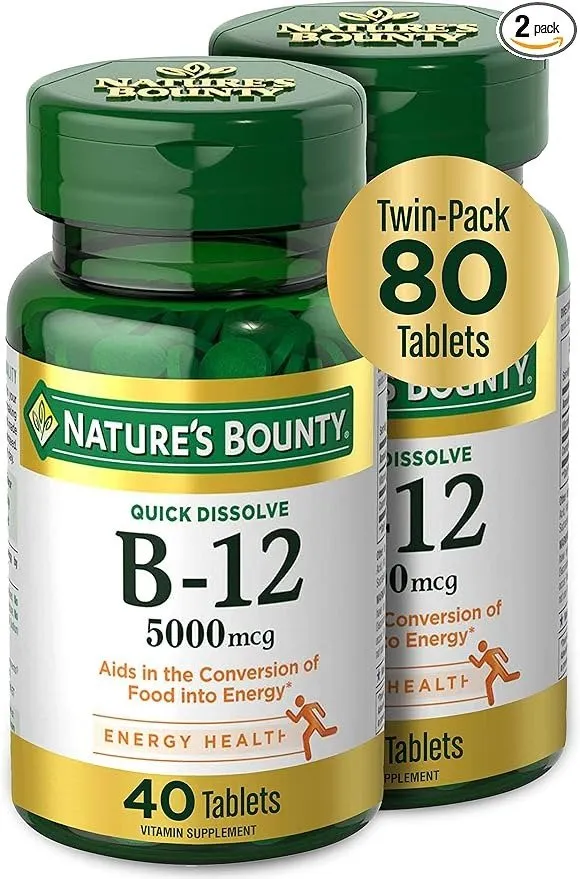
While traditional tablets and injections have long been the standard for B12 supplementation, advancements in pharmaceutical technology have introduced more convenient and potentially effective delivery methods. The Vitamin B12 Oral Disintegrating Film (ODF) represents one such innovation. This cutting-edge formulation is designed to dissolve rapidly on or under the tongue, allowing for efficient absorption directly into the bloodstream, bypassing the complex digestive processes that can hinder the absorption of conventional B12 supplements.
The ODF format offers significant advantages, particularly for individuals with malabsorption issues, those who struggle with swallowing pills (dysphagia), or those seeking a needle-free alternative to injections. Its ease of use and rapid dissolution make it an attractive option for a broad patient population, ensuring consistent and reliable B12 supplementation.
This comprehensive guide, authored by an expert Medical SEO Copywriter and Orthopedic Specialist, delves deep into the intricacies of Vitamin B12 Oral Disintegrating Film. We will explore its mechanism of action, pharmacokinetic profile, detailed clinical indications, precise dosage guidelines, potential contraindications, drug interactions, warnings during pregnancy and lactation, and management of overdose. Our goal is to provide a highly authoritative resource for healthcare professionals, patients, and anyone seeking to understand the full scope of this vital supplement.
2. Deep-dive into Technical Specifications / Mechanisms
Mechanism of Action
Vitamin B12 (cobalamin) functions as a coenzyme in two critical enzymatic reactions in the human body:
- Methylmalonyl-CoA Mutase: This enzyme is vital for the metabolism of odd-chain fatty acids and certain amino acids. B12, specifically as adenosylcobalamin, is required to convert methylmalonyl-CoA to succinyl-CoA. A deficiency leads to the accumulation of methylmalonic acid (MMA), a diagnostic marker for B12 deficiency.
- Methionine Synthase: This enzyme is crucial for the synthesis of methionine from homocysteine. B12, in its methylcobalamin form, acts as a cofactor, donating a methyl group to homocysteine, thereby converting it into methionine. Methionine is then used to form S-adenosylmethionine (SAMe), a universal methyl donor involved in various biochemical reactions, including DNA methylation, neurotransmitter synthesis, and myelin sheath maintenance. A deficiency in this pathway leads to elevated homocysteine levels, a risk factor for cardiovascular disease, and impaired DNA synthesis, contributing to megaloblastic anemia.
The Oral Disintegrating Film (ODF) delivery system enhances B12's bioavailability by utilizing sublingual and buccal absorption pathways. When placed on or under the tongue, the film rapidly dissolves, releasing the active ingredient directly into the rich capillary network of the oral mucosa. This bypasses the gastrointestinal tract's initial digestive processes, including the need for gastric acid and intrinsic factor, which are often compromised in various B12 deficiency states. This direct absorption mechanism ensures a quicker onset of action and potentially higher systemic bioavailability compared to traditional oral tablets that rely solely on intestinal absorption.
Pharmacokinetics
The pharmacokinetic profile of Vitamin B12 Oral Disintegrating Film is optimized for efficient systemic delivery:
- Absorption:
- Buccal/Sublingual Absorption: The primary route for ODFs. B12 is absorbed directly through the mucous membranes of the mouth into the systemic circulation. This non-enteric pathway is particularly advantageous for individuals with intrinsic factor deficiency, atrophic gastritis, or other conditions affecting intestinal B12 absorption.
- Intestinal Absorption (Secondary): A smaller fraction of the dissolved B12 may be swallowed and absorbed in the ileum via the intrinsic factor pathway, similar to dietary B12. However, the ODF's strength lies in its ability to circumvent this pathway largely.
- Distribution: Once absorbed, Vitamin B12 binds to specific plasma transport proteins called transcobalamins (TCs).
- Transcobalamin I (haptocorrin): Binds about 80% of plasma B12, forming a storage pool.
- Transcobalamin II (holoTC): Binds approximately 20% of plasma B12 and is responsible for delivering B12 to cells and tissues, making it the biologically active fraction.
- B12 is widely distributed throughout the body, with significant storage in the liver (up to 2-5 mg), which can sustain the body's needs for several years.
- Metabolism:
- The active forms of B12, methylcobalamin and adenosylcobalamin, are utilized directly by the body with minimal further metabolism.
- Cyanocobalamin, a synthetic form often found in supplements, requires conversion within the body to these active forms, a process that can be impaired in some individuals. Assuming the ODF uses methylcobalamin, it offers a directly bioavailable form.
- Elimination:
- Vitamin B12 is primarily eliminated via renal excretion. Due to its water-soluble nature, excess amounts not bound to transport proteins or stored in the liver are readily excreted in the urine.
- A portion also undergoes enterohepatic recirculation, where B12 secreted in bile is reabsorbed in the intestine.
3. Extensive Clinical Indications & Usage
Vitamin B12 Oral Disintegrating Film is indicated for the treatment and prevention of Vitamin B12 deficiency across a broad spectrum of patient populations. Its unique delivery system makes it particularly suitable for those with compromised gastrointestinal absorption.
Detailed Indications
- Pernicious Anemia: While severe cases often necessitate initial intramuscular injections, ODF can be an effective maintenance therapy for patients with pernicious anemia, a condition characterized by autoimmune destruction of intrinsic factor-producing parietal cells in the stomach, leading to severe B12 malabsorption.
- Malabsorption Syndromes:
- Gastric Bypass Surgery (Bariatric Surgery): Patients who undergo gastric bypass or gastrectomy often lose the ability to produce adequate intrinsic factor or have reduced absorptive surface area, leading to lifelong B12 supplementation needs.
- Crohn's Disease and Celiac Disease: Inflammatory bowel diseases or gluten-sensitive enteropathy can damage the ileum, the primary site for B12 absorption.
- Atrophic Gastritis and Achlorhydria: Reduced gastric acid production, common in the elderly or due to autoimmune conditions, impairs the release of B12 from food proteins, though it may not directly affect the absorption of free B12 in supplements.
- Pancreatic Insufficiency: Impaired pancreatic enzyme secretion can interfere with the cleavage of B12 from R-proteins, a necessary step for intrinsic factor binding.
- Dietary Deficiencies:
- Vegans and Vegetarians: Strict adherence to plant-based diets, which naturally lack B12, necessitates regular supplementation.
- Elderly Individuals: Decreased stomach acid, reduced intrinsic factor production, and general decline in digestive efficiency are common in older adults, increasing their risk of deficiency.
- Medication-Induced Deficiencies:
- Metformin: Long-term use of this common diabetes medication is known to interfere with B12 absorption.
- Proton Pump Inhibitors (PPIs) and H2 Blockers: Medications that reduce stomach acid can impair the release of B12 from food proteins.
- Certain Anticonvulsants: Some anti-seizure medications can affect B12 metabolism.
- Neurological Conditions: B12 deficiency can manifest with neurological symptoms such as peripheral neuropathy, myelopathy, cognitive impairment (memory loss, confusion), and mood disturbances. Supplementation aims to reverse or halt the progression of these symptoms.
- Megaloblastic Anemia (Non-Folate Deficiency): Characterized by abnormally large, immature red blood cells due to impaired DNA synthesis. B12 is critical for normal red blood cell development.
- Chronic Fatigue and Weakness: B12 plays a role in energy metabolism, and deficiency can contribute to persistent fatigue.
Dosage Guidelines
The dosage of Vitamin B12 Oral Disintegrating Film should always be determined by a healthcare professional based on the individual's specific deficiency level, underlying cause, age, and response to therapy.
- General Adult Deficiency:
- A common starting dose for established deficiency might be 1000 mcg (1 mg) daily.
- For maintenance after correction of deficiency, 1000 mcg daily or a few times per week may be sufficient.
- Dietary Supplementation (e.g., Vegans):
- Typically 500-1000 mcg daily or as recommended by a healthcare provider.
- Elderly Patients:
- Often require 1000 mcg daily due to age-related malabsorption.
- Post-Bariatric Surgery:
- Lifelong supplementation is usually required, often 1000 mcg daily or as directed by the surgeon/endocrinologist.
- Pediatric Dosing:
- Specific dosing for children should be determined by a pediatrician. Doses are typically lower than adult doses and depend on age and severity of deficiency.
Administration Instructions:
- Ensure hands are dry before handling the film.
- Carefully remove the film from its protective pouch.
- Place the film on or under the tongue.
- Allow the film to dissolve completely. Do not chew or swallow the film whole.
- Avoid eating or drinking for a few minutes after the film has dissolved to maximize absorption.
- The film can be taken with or without food, though some prefer to take it on an empty stomach for potentially faster dissolution.
Monitoring:
Regular monitoring of serum Vitamin B12 levels, homocysteine, and methylmalonic acid (MMA) is crucial to assess the effectiveness of treatment and adjust dosage as needed. Complete blood counts (CBC) should also be monitored, particularly for anemia.
4. Risks, Side Effects, or Contraindications
While Vitamin B12 is generally considered safe, even at high doses, it is essential to be aware of potential risks, side effects, and contraindications.
Contraindications
- Hypersensitivity: Known hypersensitivity or allergy to cobalamin, cobalt, or any component of the oral disintegrating film formulation. Although rare, allergic reactions can occur.
- Leber's Disease (Leber's Hereditary Optic Neuropathy): Patients with Leber's disease, an inherited optic nerve atrophy, should generally avoid cyanocobalamin due to a theoretical risk of exacerbating optic nerve damage. While methylcobalamin is less implicated, caution is still advised, and treatment should be closely monitored by a specialist.
- Undiagnosed Megaloblastic Anemia: Supplementation with B12 can mask a folate deficiency. If megaloblastic anemia is present, both B12 and folate levels should be assessed. Treating B12 deficiency alone in the presence of an undiagnosed folate deficiency can lead to irreversible neurological damage.
Drug Interactions
Several medications can interfere with Vitamin B12 absorption or metabolism, necessitating careful monitoring and potential dosage adjustments:
| Drug Class/Name | Interaction Mechanism | Clinical Implication | Management