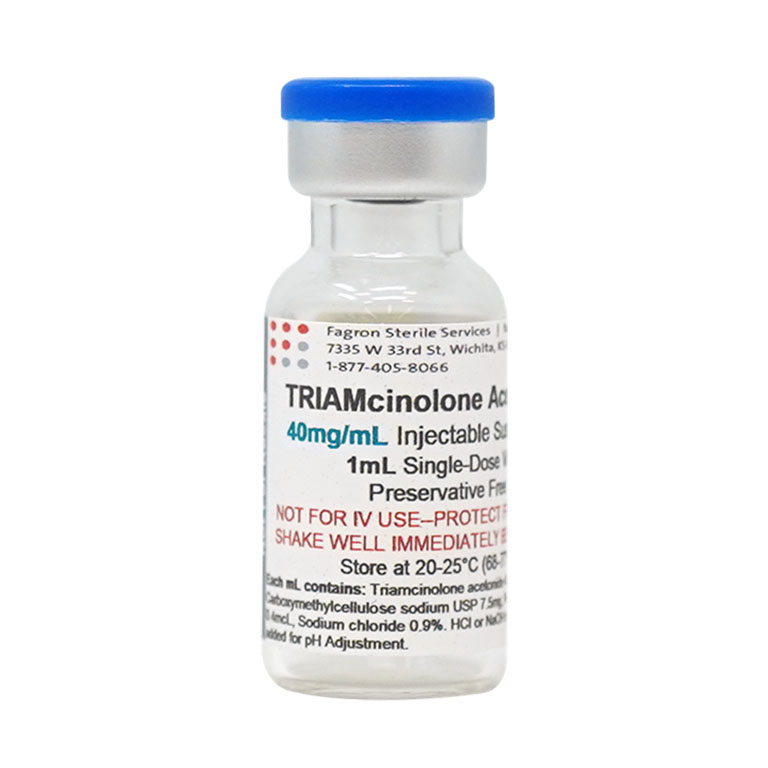
Triamcinolone Acetonide Injection: A Comprehensive Medical SEO Guide for Orthopedic Specialists and Patients
1. Introduction & Overview: Understanding Triamcinolone Acetonide Injection
Triamcinolone acetonide is a potent synthetic corticosteroid widely utilized in medicine for its robust anti-inflammatory and immunosuppressive properties. As an expert medical SEO copywriter and orthopedic specialist, we understand the critical role this medication plays in managing a myriad of conditions, particularly those affecting the musculoskeletal system. Available in various formulations, including topical creams, inhalers, and oral tablets, this guide will specifically focus on the injectable form of triamcinolone acetonide, which is invaluable in providing targeted relief for localized inflammation and systemic conditions.
The injectable form of triamcinolone acetonide offers a powerful therapeutic option for patients suffering from acute and chronic inflammatory processes. Its ability to directly address inflammation at the site of pathology, such as within a joint, bursa, or tendon sheath, makes it a cornerstone in orthopedic and rheumatological practices. This comprehensive guide aims to demystify triamcinolone acetonide injection, detailing its mechanism of action, clinical indications, appropriate dosage, potential risks, and crucial considerations for both healthcare providers and patients seeking effective pain and inflammation management.
2. Deep Dive into Technical Specifications and Mechanisms
Chemical Structure & Class
Triamcinolone acetonide is a fluorinated derivative of prednisolone, a synthetic glucocorticoid. Its chemical structure, specifically the acetonide group, enhances its lipophilicity, allowing for better tissue penetration and prolonged local action when injected. It belongs to the corticosteroid class, mimicking the effects of naturally occurring glucocorticoid hormones produced by the adrenal cortex.
Mechanism of Action (MOA)
The therapeutic efficacy of triamcinolone acetonide stems from its complex molecular interactions within cells. As a glucocorticoid, its primary mechanism involves binding to specific glucocorticoid receptors (GRs) located in the cytoplasm of target cells. This binding initiates a cascade of events:
- Receptor Activation and Translocation: Upon binding, the activated GR-ligand complex translocates into the cell nucleus.
- Gene Transcription Modulation: Within the nucleus, the complex interacts with specific DNA sequences called glucocorticoid response elements (GREs) or directly interacts with other transcription factors. This interaction leads to:
- Inhibition of Pro-inflammatory Gene Expression (Transrepression):
- Suppression of genes coding for pro-inflammatory cytokines such as Interleukin-1 (IL-1), IL-6, and Tumor Necrosis Factor-alpha (TNF-α).
- Reduced expression of adhesion molecules, thereby limiting leukocyte extravasation and infiltration into inflamed tissues.
- Inhibition of Cyclooxygenase-2 (COX-2) expression, reducing prostaglandin synthesis.
- Crucially, stimulation of the synthesis of annexin-1 (also known as lipocortin-1), which inhibits phospholipase A2. Phospholipase A2 is a key enzyme in the arachidonic acid pathway, responsible for producing potent inflammatory mediators like prostaglandins and leukotrienes.
- Activation of Anti-inflammatory Gene Expression (Transactivation):
- Upregulation of genes that produce anti-inflammatory proteins.
- Inhibition of Pro-inflammatory Gene Expression (Transrepression):
- Cellular Effects:
- Anti-inflammatory: Reduces edema, capillary dilation, leukocyte migration, and fibrin deposition. Stabilizes lysosomal membranes, preventing the release of destructive enzymes.
- Immunosuppressive: Decreases the activity and number of lymphocytes, eosinophils, and monocytes. Impairs antigen processing and antibody production, thereby attenuating immune responses.
Pharmacokinetics
The pharmacokinetic profile of triamcinolone acetonide injection is influenced by its route of administration, formulation (e.g., crystal size), and the physiological characteristics of the injection site.
- Absorption:
- Intra-articular/Intrabursal/Intralesional: Absorption from the injection site into the systemic circulation is slow but sustained. The duration of local action is prolonged due to the low solubility of the acetonide ester, allowing for a depot effect. Systemic bioavailability from these routes is variable but generally low compared to intramuscular administration.
- Intramuscular (IM): When administered intramuscularly, triamcinolone acetonide is absorbed more rapidly and completely into the systemic circulation, leading to more generalized anti-inflammatory and immunosuppressive effects.
- Distribution: Once absorbed, triamcinolone acetonide distributes widely throughout the body. It binds to plasma proteins, primarily corticosteroid-binding globulin (transcortin) and albumin, though to a lesser extent than natural cortisol.
- Metabolism: Triamcinolone acetonide is primarily metabolized in the liver, largely by the cytochrome P450 (CYP) 3A4 enzyme system. It undergoes hydroxylation and conjugation.
- Elimination: The inactive metabolites are primarily excreted in the urine. The biological half-life of triamcinolone acetonide is significantly longer than its plasma half-life (which is typically a few hours) due to its strong tissue binding and sustained release from the injection depot, leading to prolonged clinical effects.
3. Extensive Clinical Indications & Usage
Triamcinolone acetonide injection is a versatile therapeutic agent with a broad spectrum of indications. Its primary utility lies in managing inflammatory and autoimmune conditions, particularly in orthopedic and rheumatologic settings.
Orthopedic and Rheumatic Conditions (Key Focus)
| Condition | Description & Rationale for Use
| Condition | Description & Rationale for Use