Toradol (Ketorolac Tromethamine): A Comprehensive Medical SEO Guide
As an expert in orthopedic care and medical SEO, we understand the critical need for accurate, in-depth information regarding powerful pain management medications. Toradol, the brand name for ketorolac tromethamine, is a potent nonsteroidal anti-inflammatory drug (NSAID) widely utilized for its significant analgesic properties in managing acute, moderately severe pain. This comprehensive guide aims to provide a definitive resource for patients, caregivers, and healthcare professionals seeking authoritative insights into Toradol's mechanism, clinical applications, safety profile, and more.
1. Introduction & Overview of Toradol (Ketorolac Tromethamine)
Toradol (ketorolac tromethamine) is a member of the NSAID class of medications, distinguished by its potent analgesic (pain-relieving) effects, which are comparable to some opioids, particularly in the acute setting. Unlike many NSAIDs primarily used for chronic inflammation, ketorolac is specifically indicated for the short-term management of moderately severe acute pain, often serving as an opioid-sparing agent in post-operative or acute injury scenarios.
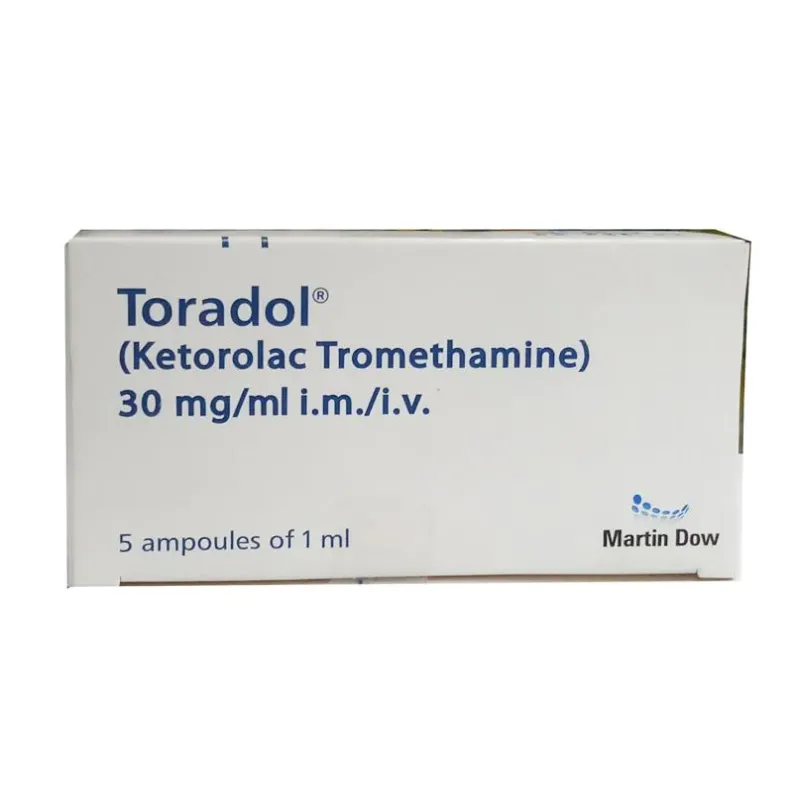
Available in various formulations, including oral tablets, intramuscular (IM) injections, intravenous (IV) injections, and ophthalmic solutions, Toradol offers flexibility in administration based on the patient's condition and the clinical setting. Its rapid onset of action and significant pain relief make it a valuable tool in acute pain protocols, particularly in emergency departments, surgical recovery units, and for certain orthopedic conditions. However, its potency is balanced by a strict limitation on the duration of use due to potential serious side effects, particularly affecting the gastrointestinal, renal, and cardiovascular systems.
This guide will delve into the intricate details of ketorolac, providing a robust understanding of its pharmacological profile and guiding principles for its safe and effective use.
2. Deep-dive into Technical Specifications / Mechanisms
Understanding how Toradol works at a molecular level is crucial for appreciating its therapeutic effects and potential risks.
Mechanism of Action (MOA)
Ketorolac tromethamine exerts its analgesic, anti-inflammatory, and antipyretic (fever-reducing) effects primarily through the inhibition of prostaglandin synthesis. Prostaglandins are lipid compounds derived from arachidonic acid, which play a central role in mediating pain, inflammation, and fever in the body.
The synthesis of prostaglandins is catalyzed by a group of enzymes known as cyclooxygenases (COX). There are two main isoforms of COX enzymes:
- COX-1 (Cyclooxygenase-1): This is a constitutively expressed enzyme found in most tissues. It plays a vital role in maintaining normal physiological functions, including protecting the gastric mucosa, regulating renal blood flow, and promoting platelet aggregation (clotting).
- COX-2 (Cyclooxygenase-2): This enzyme is primarily induced at sites of inflammation and injury, where it mediates the production of prostaglandins involved in pain, fever, and inflammation.
Ketorolac is a non-selective COX inhibitor, meaning it inhibits both COX-1 and COX-2 enzymes. By inhibiting COX enzymes, ketorolac prevents the conversion of arachidonic acid into various prostaglandins.
- Analgesic Effect: By reducing the production of prostaglandins that sensitize pain receptors, ketorolac effectively diminishes the perception of pain.
- Anti-inflammatory Effect: It reduces the synthesis of prostaglandins that mediate vasodilation and increased vascular permeability, thereby decreasing swelling and inflammation.
- Antipyretic Effect: It helps reduce fever by inhibiting prostaglandin E2 synthesis in the hypothalamus, which is involved in thermoregulation.
While its non-selective inhibition contributes to its powerful pain relief, it also accounts for many of its dose-limiting and duration-limiting side effects, particularly those related to the gastrointestinal tract (due to COX-1 inhibition) and renal system.
Pharmacokinetics
Pharmacokinetics describes how the body handles a drug – its absorption, distribution, metabolism, and excretion.
-
Absorption:
- Oral: Rapid and complete absorption after oral administration. Peak plasma concentrations are typically achieved within 30-60 minutes.
- Intramuscular (IM): Rapidly and completely absorbed following IM injection. Peak plasma concentrations are reached within 30-50 minutes.
- Intravenous (IV): Achieves peak plasma levels almost immediately after administration.
- Ophthalmic: Systemic absorption is minimal following ocular instillation.
-
Distribution:
- Ketorolac is highly protein-bound, with over 99% binding to plasma proteins, primarily albumin. This high protein binding means that only a small fraction of the drug is free and pharmacologically active.
- It distributes into synovial fluid and crosses the placenta. It is also excreted into breast milk.
- The volume of distribution is relatively small (0.11-0.3 L/kg).
-
Metabolism:
- Primarily metabolized in the liver via hydroxylation and conjugation reactions.
- The main metabolite is p-hydroxyketorolac, which is pharmacologically inactive.
- Metabolic pathways are not significantly affected by age or race, but can be altered in patients with hepatic impairment.
-
Excretion:
- The primary route of excretion is renal. Approximately 92% of a dose is excreted in the urine, with about 60% as unchanged drug and 40% as metabolites.
- A small amount (~6%) is excreted in the feces.
- Half-life: The elimination half-life averages 4-6 hours in healthy adults. This half-life can be prolonged in the elderly (up to 7 hours) and significantly extended in patients with renal impairment (up to 10 hours or more), necessitating dose adjustments.
-
Onset and Duration of Action:
- Onset: IM/IV: Analgesia typically begins within 30-60 minutes. Oral: Within 60 minutes.
- Duration: The analgesic effect generally lasts for 4-6 hours, which guides the dosing frequency.
3. Extensive Clinical Indications & Usage
Toradol is a powerful analgesic indicated for the short-term (up to 5 days total for all routes) management of moderately severe acute pain that requires analgesia at the opioid level. Its use is carefully restricted due to the potential for serious adverse effects.
Detailed Indications
- Post-operative Pain: This is one of the most common indications. Toradol is frequently used in the immediate post-surgical period (e.g., orthopedic surgery, general surgery, dental surgery) to manage acute pain, often in conjunction with or as an alternative to opioids, thereby reducing opioid consumption and associated side effects like nausea, vomiting, and sedation.
- Acute Musculoskeletal Pain: For acute injuries such as severe sprains, strains, fractures, or acute exacerbations of conditions like tendonitis or bursitis, where pain is moderate to severe and requires potent pain relief.
- Renal Colic (Off-Label): While not an FDA-approved indication, ketorolac is widely and effectively used off-label for the acute pain associated with renal colic (kidney stone pain). Its ability to inhibit prostaglandin synthesis can help reduce ureteral spasm and inflammation, thereby alleviating pain.
- Migraine (Off-Label): In some emergency settings, IV ketorolac has been used off-label for the acute management of severe migraine headaches, often as part of a multi-modal approach.
- Ophthalmic Use: Ketorolac ophthalmic solution is indicated for:
- The treatment of ocular itching due to seasonal allergic conjunctivitis.
- The treatment of post-operative inflammation following cataract extraction.
Dosage Guidelines
It is paramount to adhere strictly to recommended dosage guidelines and the maximum duration of treatment (5 days total for systemic use) to minimize the risk of adverse events. Dosing must be individualized based on patient age, weight, renal function, and the severity of pain.
General Principles:
* Use the lowest effective dose for the shortest possible duration.
* The total combined duration of ketorolac (parenteral and oral) should not exceed 5 days.
Adults <65 years and not renally impaired, and weighing ≥50 kg:
-
Intramuscular (IM) Administration:
- Initial dose: 30 mg or 60 mg as a single dose.
- Maintenance dose: 15 mg or 30 mg every 6 hours as needed.
- Maximum daily dose: 120 mg/day.
-
Intravenous (IV) Administration:
- Initial dose: 30 mg as a single dose.
- Maintenance dose: 15 mg or 30 mg every 6 hours as needed.
- Maximum daily dose: 120 mg/day.
- Administer over at least 15 seconds.
-
Oral Administration (Transition from Parenteral):
- Initial dose: 20 mg once, followed by 10 mg every 4-6 hours as needed.
- Maximum daily dose: 40 mg/day.
- Oral therapy should only be used as continuation therapy after parenteral ketorolac, and the combined duration must not exceed 5 days.
Adults ≥65 years, renally impaired, or weighing <50 kg:
These patient populations are at higher risk for adverse effects and require reduced dosing.
-
IM/IV Administration:
- Initial dose: 15 mg or 30 mg as a single dose.
- Maintenance dose: 15 mg every 6 hours as needed.
- Maximum daily dose: 60 mg/day.
-
Oral Administration (Transition from Parenteral):
- Initial dose: 10 mg once, followed by 10 mg every 4-6 hours as needed.
- Maximum daily dose: 40 mg/day.
- Combined duration (parenteral + oral) not to exceed 5 days.
Pediatric Use:
* Systemic ketorolac is generally not recommended for children under 17 years due to insufficient data on safety and efficacy, and a higher risk of adverse effects, particularly in neonates and infants.
Ophthalmic Solution:
* 1 drop to the affected eye(s) 4 times daily for ocular itching or post-operative inflammation.
Special Considerations:
* Renal Impairment: Contraindicated in advanced renal impairment. For mild to moderate impairment, significant dose reduction is required as indicated above.
* Hepatic Impairment: Use with caution. Dose adjustments may be necessary.
4. Risks, Side Effects, and Contraindications
Toradol carries significant risks, which necessitate careful patient selection, strict adherence to dosing, and vigilant monitoring. The FDA has issued multiple "Black Box Warnings" to highlight these serious risks.
Black Box Warnings (Critical Safety Information)
-
Gastrointestinal (GI) Risk:
- NSAIDs, including ketorolac, can cause serious GI adverse events including bleeding, ulceration, and perforation of the stomach or intestines, which can be fatal.
- These events can occur at any time during use without warning symptoms.
- Elderly patients and those with a history of peptic ulcer disease and/or GI bleeding are at greater risk.
-
Cardiovascular (CV) Risk:
- NSAIDs may cause an increased risk of serious cardiovascular thrombotic events (e.g., myocardial infarction (heart attack) and stroke), which can be fatal. This risk may increase with duration of use.
- Ketorolac is contraindicated for the treatment of peri-operative pain in the setting of coronary artery bypass graft (CABG) surgery due to increased risk of MI and stroke.
-
Renal Risk:
- Ketorolac is contraindicated in patients with advanced renal impairment or at risk for renal failure due to volume depletion.
- Acute renal failure, interstitial nephritis, papillary necrosis, and nephrotic syndrome have been reported with NSAID use.
-
Bleeding Risk:
- Ketorolac inhibits platelet aggregation and may prolong bleeding time. It should not be used in patients with suspected or confirmed cerebrovascular bleeding, hemorrhagic diathesis, or incomplete hemostasis.
- Not recommended for prophylactic use before major surgery or in patients at high risk of bleeding.
-
Duration of Use:
- The total duration of ketorolac treatment, by all routes (parenteral and oral combined), must not exceed 5 days. Prolonged use significantly increases the risk of serious adverse events.
Contraindications
Ketorolac is absolutely contraindicated in the following situations:
- Hypersensitivity: Known hypersensitivity to ketorolac, aspirin, other NSAIDs, or any component of the formulation (e.g., asthma, urticaria, or allergic-type reactions).
- Active GI Disease: Active peptic ulcer disease, recent gastrointestinal bleeding or perforation, or a history of these conditions.
- Advanced Renal Impairment: Patients with advanced renal disease or those at risk of renal failure due to volume depletion.
- Coagulopathy/Bleeding Risk: Patients with suspected or confirmed cerebrovascular bleeding, hemorrhagic diathesis, incomplete hemostasis, or those at high risk of bleeding (including prophylactic use before major surgery).
- Concomitant NSAIDs/Aspirin: Concurrent use with other NSAIDs or aspirin due to increased risk of adverse effects.
- Pregnancy (Third Trimester), Labor, and Delivery: Due to the risk of premature closure of the fetal ductus arteriosus and potential inhibition of uterine contractions.
- Breastfeeding: Due to excretion into breast milk and potential harm to the infant.
- Concurrent Probenecid Use: Significantly increases ketorolac plasma levels and half-life.
- Concurrent Pentoxifylline Use: Increased risk of bleeding.
- Pediatric Patients: Systemic use is generally contraindicated for children under 17 years.
- Coronary Artery Bypass Graft (CABG) Surgery: For peri-operative pain.
Common Side Effects
While serious side effects are a major concern, patients may also experience more common, less severe adverse reactions:
- Gastrointestinal: Nausea, dyspepsia (indigestion), abdominal pain, diarrhea, constipation, flatulence, vomiting, stomatitis.
- Central Nervous System: Headache, dizziness, drowsiness, somnolence.
- Renal: Edema (fluid retention).
- Injection Site: Pain at the injection site (IM).
- Other: Sweating, tinnitus.
Serious Side Effects
Beyond the black box warnings, other serious side effects include:
- Hepatotoxicity: Liver dysfunction, elevated liver enzymes, rare cases of severe liver injury.
- Anaphylactoid Reactions: Severe allergic reactions including angioedema, bronchospasm, and shock, even in patients with no prior exposure.
- Hypertension: New onset or worsening of pre-existing hypertension.
- Aseptic Meningitis: Rarely reported with NSAID use.
- Dermatological: Exfoliative dermatitis, Stevens-Johnson Syndrome, Toxic Epidermal Necrolysis (rare but life-threatening skin reactions).
- Hematologic: Aplastic anemia, hemolytic anemia, agranulocytosis (rare).
Drug Interactions
Ketorolac can interact with numerous medications, altering their effects or increasing the risk of adverse events.
| Drug Class/Specific Drug | Interaction Mechanism/Effect | Recommendation/Risk