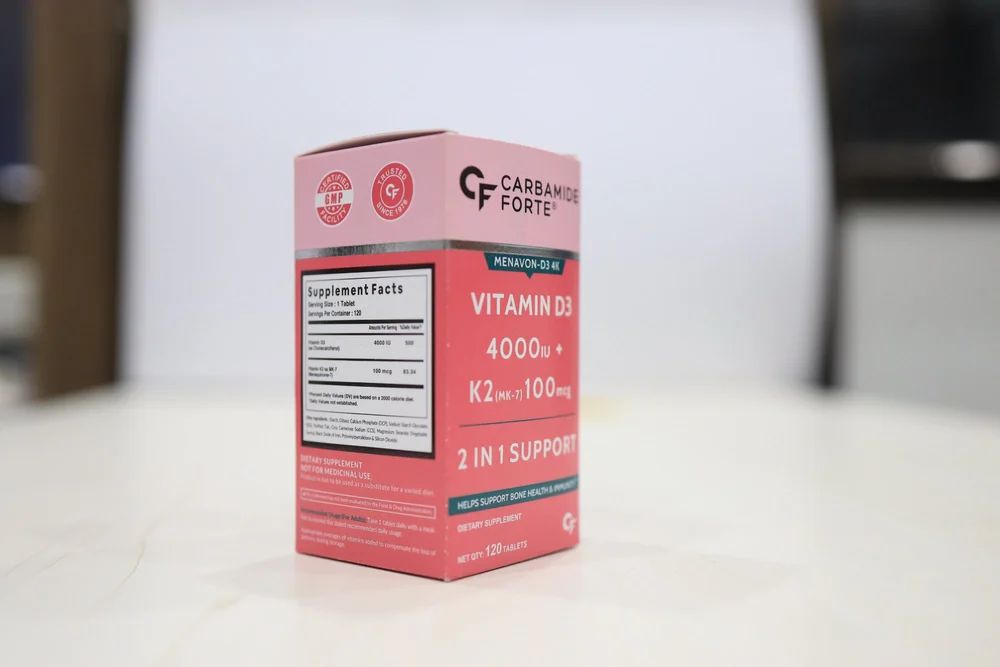
Super D3: The Definitive Medical Guide to Cholecalciferol Supplementation
1. Introduction & Overview of Super D3
Welcome to the authoritative medical guide on Super D3, a premium formulation of Vitamin D3 (Cholecalciferol). As an expert in medical SEO copywriting with a specialization in orthopedics, we understand the critical role Vitamin D plays in maintaining optimal health, particularly concerning bone integrity, musculoskeletal function, and immune system resilience.
Vitamin D, often referred to as the "sunshine vitamin," is a fat-soluble secosteroid responsible for enhancing intestinal absorption of calcium and phosphate. It is also crucial for numerous other biological processes, including immune function, cell growth, and neuromuscular activity. Despite its vital importance, Vitamin D deficiency remains a global health concern, affecting millions across all demographics.
Super D3 is designed to address this widespread deficiency, providing a potent and bioavailable form of Cholecalciferol to support a myriad of physiological functions. This comprehensive guide will delve deep into the scientific underpinnings of Super D3, covering its mechanism of action, pharmacokinetics, detailed clinical indications, precise dosage guidelines, potential risks, drug interactions, and crucial warnings for special populations like pregnant or lactating individuals. Our goal is to equip healthcare professionals and informed patients with exhaustive, evidence-based information to optimize health outcomes through appropriate Vitamin D supplementation.
2. Deep-Dive into Technical Specifications & Mechanisms
2.1. What is Vitamin D3 (Cholecalciferol)?
Vitamin D3, or Cholecalciferol, is the naturally occurring form of Vitamin D produced in the skin upon exposure to ultraviolet B (UVB) radiation from sunlight. It can also be obtained from certain foods (e.g., fatty fish, fortified dairy) and dietary supplements. Super D3 provides this exact form, ensuring maximal biological activity and conversion within the body.
2.2. Mechanism of Action
The biological activity of Vitamin D3 is not direct; it requires a two-step hydroxylation process to become its active hormonal form, 1,25-dihydroxyvitamin D (1,25(OH)2D), also known as calcitriol.
2.2.1. Activation Pathway:
- Cutaneous Synthesis/Dietary Intake: Cholecalciferol (Vitamin D3) is synthesized in the skin or ingested.
- Hepatic Hydroxylation: Cholecalciferol travels to the liver, where it undergoes its first hydroxylation by the enzyme 25-hydroxylase (CYP2R1, CYP27A1) to form 25-hydroxyvitamin D (25(OH)D), also known as calcifediol. This is the main circulating form of Vitamin D and the best indicator of Vitamin D status.
- Renal Hydroxylation: 25(OH)D then travels to the kidneys, where it undergoes a second hydroxylation by the enzyme 1-alpha-hydroxylase (CYP27B1) to form 1,25(OH)2D (calcitriol). This conversion is tightly regulated by parathyroid hormone (PTH), calcium, and phosphate levels.
2.2.2. Physiological Roles of Calcitriol:
- Calcium and Phosphate Homeostasis: Calcitriol is the primary regulator of calcium and phosphate levels in the blood.
- Intestinal Absorption: It promotes the absorption of dietary calcium and phosphate from the small intestine.
- Bone Mineralization: It facilitates the deposition of calcium and phosphate into bone, crucial for bone strength and integrity. It also plays a role in bone remodeling by influencing osteoblast and osteoclast activity.
- Kidney Reabsorption: It reduces the renal excretion of calcium and phosphate.
- Parathyroid Hormone (PTH) Regulation: It suppresses PTH synthesis and secretion, preventing excessive bone resorption.
- Non-Skeletal Effects: Beyond its classic roles, calcitriol exerts widespread effects via the Vitamin D Receptor (VDR), which is present in almost all tissues and cells in the body.
- Immune System Modulation: Influences innate and adaptive immunity, reducing inflammation and enhancing antimicrobial responses.
- Cell Growth and Differentiation: Regulates cell proliferation and differentiation, potentially playing a role in cancer prevention.
- Muscle Function: Essential for normal muscle development and function, impacting strength and balance.
- Cardiovascular Health: Involved in blood pressure regulation and endothelial function.
- Brain Health: VDRs are found in the brain, suggesting roles in neuroprotection and mood regulation.
2.3. Pharmacokinetics
Understanding how Super D3 is absorbed, distributed, metabolized, and eliminated is crucial for optimizing its therapeutic use.
- Absorption: Super D3 (Cholecalciferol) is a fat-soluble vitamin. It is absorbed from the small intestine primarily in the jejunum and ileum, requiring the presence of bile salts for efficient emulsification and micelle formation. Absorption can be enhanced when taken with a fatty meal.
- Distribution: Once absorbed, Cholecalciferol is incorporated into chylomicrons and transported via the lymphatic system into the systemic circulation. In the blood, it largely binds to Vitamin D-binding protein (VDBP) and, to a lesser extent, to albumin. It is distributed to various tissues, with significant storage in adipose tissue, muscle, and the liver, allowing for a sustained release.
- Metabolism:
- First Hydroxylation: Occurs in the liver, converting Cholecalciferol to 25(OH)D (calcifediol). The half-life of 25(OH)D is approximately 2-3 weeks.
- Second Hydroxylation: Occurs predominantly in the kidneys, converting 25(OH)D to the active form, 1,25(OH)2D (calcitriol). The half-life of 1,25(OH)2D is much shorter, typically 4-6 hours.
- Elimination: Vitamin D and its metabolites are primarily excreted via the bile into the feces. A small amount is excreted in the urine.
3. Extensive Clinical Indications & Usage
Super D3 is indicated for a wide range of conditions stemming from Vitamin D deficiency or insufficiency, and for the prophylactic management of bone and musculoskeletal health.
3.1. Primary Indications
- Vitamin D Deficiency and Insufficiency:
- Diagnosis: Serum 25(OH)D levels are used to assess Vitamin D status.
- Deficiency: <20 ng/mL (50 nmol/L)
- Insufficiency: 21-29 ng/mL (52.5-72.5 nmol/L)
- Sufficiency: ≥30 ng/mL (75 nmol/L)
- Prevalence: Common in individuals with limited sun exposure, darker skin pigmentation, obesity, malabsorption syndromes, or certain medical conditions.
- Diagnosis: Serum 25(OH)D levels are used to assess Vitamin D status.
- Osteoporosis and Osteopenia:
- Prevention and Treatment: Super D3, often in conjunction with calcium, is fundamental for maintaining bone mineral density, reducing bone turnover markers, and decreasing the risk of fractures in individuals with osteoporosis or osteopenia.
- Mechanism: Improves calcium absorption, supports bone mineralization, and reduces secondary hyperparathyroidism.
- Rickets (in children) and Osteomalacia (in adults):
- Conditions characterized by defective bone mineralization leading to soft, weak bones. Super D3 is crucial for reversing these conditions by restoring calcium and phosphate balance.
- Hypoparathyroidism:
- Used to manage hypocalcemia resulting from insufficient parathyroid hormone production.
- Chronic Kidney Disease (CKD):
- While active Vitamin D analogues are often preferred in advanced CKD, Cholecalciferol can be used in earlier stages (CKD G1-G3) to replete Vitamin D stores and manage secondary hyperparathyroidism. Careful monitoring is essential.
3.2. Secondary and Emerging Indications (Orthopedic & General Health)
- Muscle Weakness and Falls Prevention:
- Vitamin D receptors are present in skeletal muscle. Supplementation with Super D3 can improve muscle strength, balance, and reduce the risk of falls, especially in the elderly.
- Immune System Support:
- Enhances both innate and adaptive immune responses, potentially reducing the risk and severity of respiratory infections, including influenza and common colds.
- Autoimmune Diseases:
- Growing evidence suggests a role for Vitamin D in modulating the immune system in conditions like Multiple Sclerosis (MS), Rheumatoid Arthritis (RA), and Type 1 Diabetes.
- Cardiovascular Health:
- May contribute to blood pressure regulation, improve endothelial function, and reduce cardiovascular risk factors.
- Certain Cancers:
- Observational studies and some clinical trials suggest a potential role for Vitamin D in reducing the risk or progression of certain cancers, including colorectal, breast, and prostate cancers.
- Mood Disorders:
- Links between Vitamin D deficiency and depression, seasonal affective disorder, and general mood disturbances are being explored, with some studies showing beneficial effects of supplementation.
3.3. Dosage Guidelines for Super D3
Dosage of Super D3 should be individualized based on baseline 25(OH)D levels, age, weight, presence of malabsorption, and concurrent medical conditions. The goal is typically to achieve and maintain serum 25(OH)D levels between 30-60 ng/mL (75-150 nmol/L).
3.3.1. General Recommendations for Adults:
- Prevention of Deficiency (Maintenance):
- Most healthy adults: 600-2000 IU (15-50 mcg) daily.
- Some experts recommend 1000-4000 IU daily for optimal levels, especially with limited sun exposure.
- Treatment of Deficiency (<20 ng/mL):
- Loading Dose: High-dose short-term therapy is often used to rapidly replete stores.
- 50,000 IU once weekly for 8-12 weeks, OR
- 6,000 IU daily for 8-12 weeks.
- Maintenance Dose (after repletion): 1,000-4,000 IU daily to maintain target levels.
- Loading Dose: High-dose short-term therapy is often used to rapidly replete stores.
- Treatment of Insufficiency (21-29 ng/mL):
- 2,000-4,000 IU daily for 6-8 weeks, followed by a maintenance dose.
3.3.2. Specific Populations:
| Population | Recommended Daily Intake (RDI) / Treatment | Notes |
|---|---|---|
| Infants (0-12 months) | 400 IU (10 mcg) | Supplement all breastfed infants; formula-fed infants may not need if formula is fortified. |
| Children (1-18 years) | 600-1000 IU (15-25 mcg) | Higher doses for deficiency treatment may be needed. |
| Adults (19-70 years) | 600-2000 IU (15-50 mcg) | Up to 4000 IU may be safely used for maintenance by some. |
| Elderly (>70 years) | 800-4000 IU (20-100 mcg) | Increased risk of deficiency due to reduced skin synthesis and dietary intake. Higher doses often needed. |
| Pregnant/Lactating | 600-4000 IU (15-100 mcg) | Essential for maternal and fetal bone health. Consult healthcare provider for specific recommendations. |
| Obese Individuals | 2-3 times standard dose | Vitamin D is sequestered in adipose tissue, requiring higher doses for adequate serum levels. |
| Malabsorption Syndromes | Significantly higher doses (e.g., 50,000 IU 1-3 times weekly) | Conditions like Crohn's disease, celiac disease, cystic fibrosis, bariatric surgery. Requires close monitoring. |
3.3.3. Monitoring:
- Serum 25(OH)D levels should be measured at baseline and then typically 3-6 months after initiating or changing high-dose Super D3 therapy to assess response and adjust dosage.
- Serum calcium and phosphate levels should also be monitored, especially during high-dose therapy or in patients with renal impairment.
4. Risks, Side Effects, & Contraindications
While Super D3 is generally safe and well-tolerated at recommended doses, it is essential to be aware of potential risks, side effects, and contraindications.
4.1. Contraindications
Super D3 should not be used in individuals with the following conditions:
- Hypercalcemia: Pre-existing abnormally high levels of calcium in the blood.
- Vitamin D Toxicity: Existing overdose of Vitamin D.
- Hypersensitivity: Known allergy to Cholecalciferol or any components of Super D3.
- Severe Renal Impairment with Hyperphosphatemia: Use with extreme caution and under strict medical supervision, as it can worsen hyperphosphatemia.
- Sarcoidosis and other Granulomatous Diseases: These conditions can lead to extra-renal production of 1,25(OH)2D, increasing sensitivity to exogenous Vitamin D and risk of hypercalcemia.
- Nephrolithiasis (Calcium-containing kidney stones): Individuals with a history of recurrent calcium kidney stones should use Super D3 cautiously and under medical guidance due to the potential for increased calcium absorption.
4.2. Adverse Effects (Side Effects)
Adverse effects are rare at recommended doses. The most significant concern with excessive Vitamin D intake is Vitamin D toxicity, which leads to hypercalcemia.
4.2.1. Symptoms of Hypercalcemia (Vitamin D Toxicity):
These symptoms typically occur with prolonged intake of extremely high doses (e.g., >10,000 IU/day for several months) or acute ingestions of massive doses, leading to serum 25(OH)D levels >150 ng/mL.
- Gastrointestinal: Nausea, vomiting, constipation, abdominal pain, loss of appetite.
- Renal: Polyuria (frequent urination), polydipsia (excessive thirst), dehydration, nephrocalcinosis (calcium deposits in kidneys), kidney stones, and potentially kidney failure.
- Neurological/Psychological: Fatigue, weakness, confusion, irritability, headache, depression.
- Musculoskeletal: Muscle weakness, bone pain.
- Cardiovascular: Hypertension, cardiac arrhythmias (rare but serious).
4.2.2. Other Potential Mild Side Effects (Rare):
- Mild gastrointestinal upset (e.g., indigestion).
- Allergic reactions (rash, itching) in sensitive individuals.
4.3. Drug Interactions
Super D3 can interact with several medications, potentially altering its efficacy or increasing the risk of adverse effects.
| Drug Class / Medication | Interaction Mechanism | Clinical Implication |
|---|---|---|
| Thiazide Diuretics | Reduce urinary calcium excretion. | Increased risk of hypercalcemia when co-administered with Vitamin D. Monitor serum calcium closely. |
| Corticosteroids | Reduce intestinal calcium absorption and impair Vitamin D metabolism. | May necessitate higher Super D3 doses in patients on long-term corticosteroid therapy. |
| Anticonvulsants | (e.g., Phenytoin, Carbamazepine, Barbiturates) Induce hepatic enzymes that metabolize Vitamin D. | Accelerate Vitamin D metabolism, potentially leading to deficiency. Higher Super D3 doses may be required. |
| Cholestyramine, Colestipol | Bile acid sequestrants, interfere with fat-soluble vitamin absorption. | Reduce Super D3 absorption. Administer Super D3 at least 2 hours before or 4-6 hours after these medications. |
| Orlistat | Lipase inhibitor, reduces fat absorption. | Can impair Super D3 absorption. Consider supplementation several hours apart or increased dosage. |
| Mineral Oil | Laxative, can interfere with fat-soluble vitamin absorption. | Impairs Super D3 absorption. Avoid concurrent use or separate doses by several hours. |
| Digoxin | Cardiac glycoside. | Hypercalcemia induced by excessive Vitamin D can potentiate the effects of digoxin, leading to cardiac arrhythmias. Monitor calcium and digoxin levels carefully. |
| Calcipotriene (topical) | Vitamin D analog used for psoriasis. | Concurrent systemic Super D3 may increase the risk of hypercalcemia. |
| Other Vitamin D Analogues | (e.g., Calcitriol, Doxercalciferol, Paricalcitol) | Concurrent use with Super D3 can increase the risk of hypercalcemia and Vitamin D toxicity. Avoid unless specifically directed by a physician. |
4.4. Pregnancy and Lactation Warnings
- Pregnancy: Vitamin D is crucial for maternal health and fetal skeletal development. Adequate Vitamin D levels during pregnancy are associated with reduced risks of preeclampsia, gestational diabetes, and low birth weight. Super D3 is generally considered safe and beneficial at recommended daily doses (e.g., 600-4000 IU). However, excessive doses (>4000 IU without medical supervision) should be avoided due to the theoretical risk of fetal hypercalcemia and potential birth defects. Always consult a healthcare provider for personalized recommendations during pregnancy.
- Lactation: Cholecalciferol and its metabolites are excreted in breast milk in small amounts. Supplementing the mother with Super D3 at recommended doses is generally safe and can help improve the infant's Vitamin D status, although direct infant supplementation is often still recommended (400 IU/day). High maternal doses are not recommended as a sole strategy for infant Vitamin D supply due to the potential for adverse effects in the mother.
4.5. Overdose Management
In the event of Super D3 overdose, leading to Vitamin D toxicity and hypercalcemia, immediate medical attention is required.
- Initial Steps:
- Discontinue Super D3 and any concomitant calcium supplements immediately.
- Institute a low-calcium diet.
- Management of Hypercalcemia:
- Hydration: Aggressive intravenous hydration with normal saline to promote renal calcium excretion and correct dehydration.
- Loop Diuretics: Furosemide can be used after adequate rehydration to further increase urinary calcium excretion, but careful monitoring of fluid and electrolyte balance is crucial.
- Corticosteroids: Prednisone can be administered to reduce intestinal calcium absorption and inhibit 1,25(OH)2D production in some cases.
- Calcitonin: Can rapidly but transiently lower serum calcium levels.
- Bisphosphonates: In severe or refractory cases, intravenous bisphosphonates (e.g., pamidronate, zoledronic acid) may be used to inhibit bone resorption and lower calcium.
- Dialysis: In life-threatening hypercalcemia with renal failure, hemodialysis may be necessary.
- Monitoring: Closely monitor serum calcium, phosphate, creatinine, electrolytes, and 25(OH)D levels until they normalize.
5. Frequently Asked Questions (FAQ) about Super D3
Q1: What is Super D3 and how does it differ from other Vitamin D forms?
Super D3 is a supplement containing Cholecalciferol, which is Vitamin D3. Vitamin D3 is the natural form of Vitamin D produced by the skin in response to sunlight and is generally considered more effective at raising and maintaining Vitamin D levels than Vitamin D2 (ergocalciferol), which is derived from plant sources.
Q2: Who should take Super D3?
Individuals with diagnosed Vitamin D deficiency or insufficiency, those at high risk (e.g., limited sun exposure, elderly, obese, darker skin, malabsorption), and those looking to support bone health, immune function, and overall well-being. Always consult a healthcare professional before starting supplementation.
Q3: How often should I take Super D3?
The frequency depends on your current Vitamin D status, the dosage, and your healthcare provider's recommendations. For deficiency, it may be prescribed daily or weekly for a period. For maintenance, a daily dose is common. Some high-dose formulations might be taken less frequently (e.g., monthly), but this should only be under medical supervision.
Q4: Can I get enough Vitamin D from sun exposure alone?
While sun exposure is a primary source of Vitamin D, factors like skin pigmentation, latitude, season, time of day, sunscreen use, and clothing can significantly limit its production. Many people, especially in non-tropical regions or with indoor lifestyles, cannot achieve sufficient levels from sun exposure alone.
Q5: What are the signs of Vitamin D deficiency?
Symptoms can be subtle and non-specific, including fatigue, bone pain, muscle weakness or cramps, mood changes, and frequent infections. In severe cases, it can lead to bone softening (osteomalacia in adults, rickets in children) and increased fracture risk. A blood test for 25(OH)D is the only definitive way to diagnose deficiency.
Q6: How long does it take for Super D3 to work?
It can take several weeks to months to raise persistently low Vitamin D levels into the sufficient range, especially with lower daily maintenance doses. High-dose loading regimens can achieve repletion faster, but subsequent blood tests (typically 3-6 months after starting therapy) are needed to confirm adequate levels.
Q7: Can Super D3 interact with my other medications?
Yes, Super D3 can interact with certain medications, including thiazide diuretics, corticosteroids, anticonvulsants, bile acid sequestrants (e.g., cholestyramine), and mineral oil. Always inform your doctor and pharmacist about all medications and supplements you are taking to avoid potential interactions.
Q8: Is it possible to take too much Super D3?
Yes, it is possible to take too much Vitamin D, leading to Vitamin D toxicity and hypercalcemia (high blood calcium). This usually occurs with extremely high doses taken over prolonged periods. Symptoms include nausea, vomiting, frequent urination, excessive thirst, and confusion. Adhere strictly to prescribed dosages.
Q9: What is the best time of day to take Super D3?
As Super D3 is fat-soluble, it is best absorbed when taken with a meal containing some fat. There's no specific "best" time of day; consistency is key. Many people take it with their largest meal or breakfast.
Q10: Does Super D3 help with muscle pain or weakness?
Yes, Vitamin D plays a crucial role in muscle function. Deficiency can manifest as muscle weakness and pain. Supplementation with Super D3, particularly in deficient individuals, can improve muscle strength, reduce pain, and decrease the risk of falls, especially in older adults.
Q11: Is Super D3 safe during pregnancy?
Yes, adequate Vitamin D is essential during pregnancy for both maternal and fetal health. Super D3 is generally safe at recommended doses (e.g., 600-4000 IU daily) but high doses should be avoided unless specifically prescribed and monitored by a healthcare provider.
Q12: How should I store Super D3?
Super D3 should be stored at room temperature (typically 20-25°C or 68-77°F), away from moisture and direct heat. Keep it in its original container and out of reach of children.
Q13: What is the optimal 25(OH)D level?
While sufficiency is generally defined as ≥30 ng/mL (75 nmol/L), many experts, especially in the orthopedic and endocrinology fields, advocate for optimal levels to be between 40-60 ng/mL (100-150 nmol/L) for maximum health benefits, particularly for bone health and fall prevention.