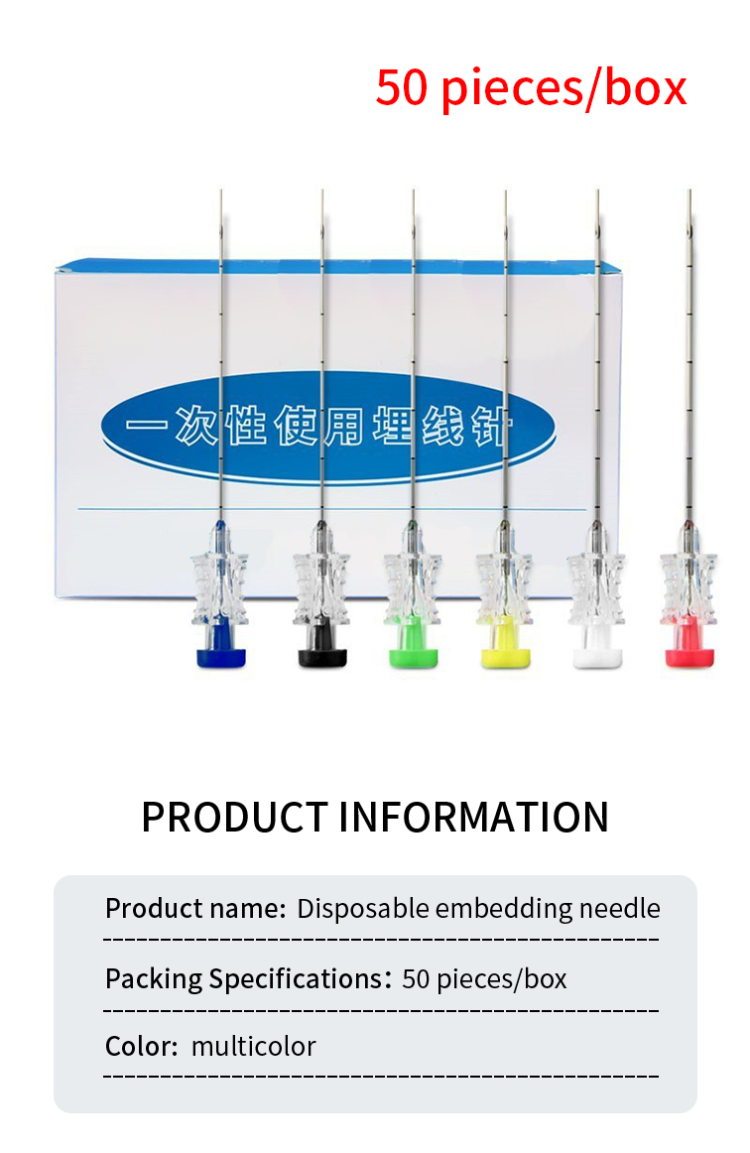
Spinal Needle 16G: A Comprehensive Medical SEO Guide for Orthopedic and Anesthetic Applications
Welcome to the definitive medical SEO guide on the Spinal Needle 16G. While the spinal needle itself is a medical device, its critical role in delivering medications, performing diagnostics, and facilitating therapeutic interventions within the neuraxial space necessitates a deep understanding of the pharmacological principles of the substances it administers. This guide, crafted by an expert Medical SEO Copywriter and Orthopedic Specialist, delves into the technical specifications of the 16G spinal needle, its extensive clinical indications, the pharmacokinetics and pharmacodynamics of drugs delivered via this route, and crucial considerations for patient safety.
1. Comprehensive Introduction & Overview
The spinal needle is an indispensable instrument in modern medicine, primarily within anesthesia, pain management, and neurological diagnostics. The "16G" designation refers to its gauge, a measure of its outer diameter. A 16-gauge needle is relatively large compared to typical spinal needles (which are often 22G to 27G). This larger bore makes the 16G spinal needle particularly suited for specific applications, such as the placement of epidural catheters, continuous spinal anesthesia catheters, or for procedures requiring aspiration of larger volumes of cerebrospinal fluid (CSF) or the injection of viscous substances.
Its primary function is to provide access to the subarachnial space (for spinal anesthesia or CSF sampling) or the epidural space (for epidural anesthesia or analgesia). The safety and efficacy of procedures involving the 16G spinal needle are paramount, requiring meticulous technique, a thorough understanding of spinal anatomy, and comprehensive knowledge of the pharmacological agents being administered.
Key Applications of the 16G Spinal Needle:
- Epidural Anesthesia/Analgesia: Most commonly for catheter insertion.
- Continuous Spinal Anesthesia: For catheter placement.
- Myelography: For contrast agent injection.
- CSF Drainage: In specific neurosurgical procedures.
- Diagnostic Puncture: When larger bore access is required.
2. Deep-Dive into Technical Specifications & Mechanisms
2.1 Technical Specifications of the 16G Spinal Needle
The "16G" refers to a standard gauge, where a smaller gauge number indicates a larger outer diameter. A 16G needle has an outer diameter of approximately 1.65 mm (0.065 inches). This larger diameter influences its handling characteristics, tissue penetration, and the potential for post-dural puncture headache (PDPH) if used for intrathecal access without a catheter.
Key Features:
- Gauge: 16G (approximately 1.65 mm outer diameter).
- Length: Varies significantly based on application, typically ranging from 3.5 inches (90 mm) to 6 inches (150 mm) or more for larger patients.
- Tip Design:
- Quincke (Cutting) Tip: Features a sharp, beveled tip designed to cut through tissue. While effective for penetration, it creates a larger dural hole, increasing PDPH risk if used for direct dural puncture.
- Whitacre (Pencil-Point) Tip: Designed to separate rather than cut dural fibers, theoretically reducing PDPH risk. However, 16G pencil-point needles are less common as the primary needle for dural puncture, often used as introducers or for specific catheter placements.
- Tuohy Tip: Specifically designed for epidural procedures, featuring a curved, blunt bevel that helps "walk off" the dura and directs an epidural catheter anteriorly. This is the most common tip design for 16G needles used in epidural catheter placement.
- Stylet: All spinal needles are equipped with a stylet to prevent tissue coring and blockage of the lumen during insertion.
- Hub: Transparent hub allows visualization of CSF or blood flashback.
- Material: Typically medical-grade stainless steel.
2.2 Mechanism of Action (Device & Drug Delivery)
The 16G spinal needle's "mechanism of action" as a device is its ability to safely and precisely traverse tissue layers to access the desired anatomical space:
- Tissue Penetration: The needle's sharp tip (e.g., Tuohy, Quincke) allows it to pass through skin, subcutaneous tissue, ligaments (supraspinous, interspinous, ligamentum flavum), and ultimately, the epidural space or dura mater to reach the subarachnoid space.
- Tactile Feedback: As the needle passes through different tissues, the practitioner experiences distinct changes in resistance, providing crucial tactile feedback (e.g., "pop" as the ligamentum flavum or dura is penetrated).
- Catheter Delivery (Epidural/Continuous Spinal): For epidural procedures, the Tuohy tip facilitates the easy passage of a catheter through its lumen into the epidural space. For continuous spinal anesthesia, a similar principle applies.
- Fluid Aspiration/Injection: Once the target space is confirmed (e.g., by CSF flashback for intrathecal, or loss of resistance for epidural), the needle lumen provides a conduit for aspiration of fluid (e.g., CSF for diagnostics) or injection of medications.
Pharmacological Mechanism of Action (of Administered Drugs):
The "mechanism of action" for drugs delivered via the 16G spinal needle primarily pertains to local anesthetics, opioids, and other adjuncts.
- Local Anesthetics (e.g., Bupivacaine, Ropivacaine, Lidocaine):
- MOA: Reversibly block voltage-gated sodium channels in neuronal membranes, preventing the generation and propagation of action potentials. This leads to a temporary loss of sensation (anesthesia) and motor function (motor block) in the innervated dermatomes.
- Site of Action: Primarily nerve roots in the subarachnoid space (spinal) or epidural space (epidural).
- Opioids (e.g., Fentanyl, Morphine, Sufentanil):
- MOA: Bind to specific opioid receptors (mu, delta, kappa) in the spinal cord's substantia gelatinosa, inhibiting the release of pronociceptive neurotransmitters and activating descending inhibitory pathways, leading to analgesia.
- Site of Action: Predominantly opioid receptors in the dorsal horn of the spinal cord.
- Adjuncts (e.g., Clonidine, Epinephrine):
- Clonidine: Alpha-2 adrenergic agonist, enhances local anesthetic block and provides analgesia by binding to alpha-2 receptors in the spinal cord.
- Epinephrine: Vasoconstrictor, prolongs local anesthetic duration by reducing systemic absorption and can improve block density.
2.3 Pharmacokinetics (of Administered Drugs)
The pharmacokinetics of drugs administered via the 16G spinal needle are highly dependent on the route (intrathecal vs. epidural) and the specific drug properties.
Intrathecal (Spinal) Administration:
- Absorption: Drugs are absorbed from the CSF into the systemic circulation and surrounding neural tissues. Highly lipid-soluble drugs (e.g., fentanyl) have a rapid onset and shorter duration due to faster absorption into neural tissue and systemic circulation. Hydrophilic drugs (e.g., morphine) spread more widely in CSF, have a slower onset, and longer duration due to slower absorption.
- Distribution: Drugs distribute within the CSF, influenced by baricity (density relative to CSF), patient position, and drug dose/volume.
- Metabolism & Excretion: Systemic absorption leads to metabolism (e.g., hepatic for most local anesthetics) and renal excretion.
Epidural Administration:
- Absorption: Drugs must first diffuse across the dura mater to reach the nerve roots and spinal cord, or be absorbed into the systemic circulation via epidural venous plexuses. Systemic absorption is significant and contributes to plasma concentrations.
- Distribution: Spread within the epidural space is influenced by volume, dose, and patient anatomy.
- Metabolism & Excretion: Similar to intrathecal administration, systemic absorption leads to hepatic metabolism and renal excretion. The epidural route generally results in higher systemic drug levels compared to intrathecal administration for the same dose, due to greater vascular absorption from the epidural space.
3. Extensive Clinical Indications & Usage
The 16G spinal needle is primarily utilized for procedures requiring larger bore access to the neuraxial space, especially for catheter placement.
3.1 Epidural Anesthesia and Analgesia
This is the most common indication for a 16G Tuohy-tipped needle.
- Purpose: To provide regional anesthesia and/or analgesia by intermittently or continuously administering local anesthetics and/or opioids into the epidural space.
- Indications:
- Obstetric Anesthesia: Labor analgesia, Cesarean section.
- Surgical Anesthesia: Abdominal, thoracic, orthopedic (lower limb), urological surgeries.
- Postoperative Pain Management: Continuous epidural infusion for prolonged analgesia.
- Chronic Pain Management: Administration of steroids, local anesthetics for nerve blocks.
- Procedure: The 16G Tuohy needle is advanced using a "loss of resistance" technique (to air or saline) until the epidural space is identified. A flexible epidural catheter is then threaded through the needle lumen into the epidural space, and the needle is carefully withdrawn.
3.2 Continuous Spinal Anesthesia (CSA)
While less common than epidural, 16G needles can be used for CSA catheter placement.
- Purpose: To provide prolonged spinal anesthesia by continuously infusing local anesthetics into the subarachnoid space via a catheter.
- Indications: Surgeries requiring prolonged regional anesthesia, patients with challenging airways, or those unsuitable for general anesthesia.
- Procedure: A 16G needle (often a Tuohy, used as an introducer for a smaller gauge spinal needle, or specific kits designed for CSA) accesses the subarachnoid space, and a fine catheter is then threaded. Due to the risk of PDPH, the use of larger gauge needles for direct dural puncture for CSA has largely been replaced by smaller gauge systems or combined spinal-epidural techniques.
3.3 Myelography
- Purpose: To inject a contrast agent into the subarachnoid space to visualize the spinal cord, nerve roots, and surrounding structures using X-ray or CT imaging.
- Indications: Diagnosis of spinal canal stenosis, herniated discs, spinal tumors, or other conditions affecting the spinal cord.
- Procedure: The 16G needle may be used in specific cases where a larger volume of contrast is needed or for more robust access, though smaller gauges are often preferred to minimize CSF leakage.
3.4 Cerebrospinal Fluid (CSF) Drainage
- Purpose: To reduce intracranial pressure or prevent CSF leaks in certain neurosurgical procedures or conditions like normal pressure hydrocephalus.
- Indications: Management of hydrocephalus, intracranial hemorrhage, or during complex spinal surgeries to reduce cord tension.
- Procedure: A 16G needle may be used to initiate CSF drainage, often followed by catheter insertion for continuous drainage.
3.5 Diagnostic Lumbar Puncture (Less Common for 16G)
While smaller gauge needles are preferred for routine diagnostic lumbar punctures to minimize PDPH, a 16G needle might be used in rare circumstances, such as:
- Aspiration of highly viscous CSF.
- When large volumes of CSF are required.
- As an introducer for specialized diagnostic equipment.
3.6 Dosage Guidelines (for Drugs Administered via 16G Spinal Needle)
Dosage guidelines are specific to the drug, route, patient factors (weight, age, comorbidities), and desired effect. The 16G needle facilitates the delivery; the drug choice and dose are paramount.
Table: Typical Dosage Ranges for Common Neuraxial Medications (Adults)
| Drug Class | Drug | Route | Typical Single Dose Range | Notes |
|---|---|---|---|---|
| Local Anesthetics | Bupivacaine | Epidural | 0.125% - 0.5%, 10-20 mL | For anesthesia or analgesia. Max total dose varies. |
| Ropivacaine | Epidural | 0.2% - 0.75%, 10-20 mL | Similar to bupivacaine, less cardiotoxic. | |
| Lidocaine | Epidural | 1% - 2%, 15-25 mL | Faster onset, shorter duration. | |
| Bupivacaine | Intrathecal | 0.5% - 0.75%, 1.5-4 mL (7.5-20mg) | For spinal anesthesia. Hyperbaric or isobaric. | |
| Lidocaine | Intrathecal | 2% - 5%, 1-2 mL (20-100mg) | Rarely used due to risk of transient neurological symptoms. | |
| Opioids | Fentanyl | Epidural | 25-100 mcg | Often combined with local anesthetics. |
| Morphine | Epidural | 2-5 mg | For prolonged postoperative analgesia. | |
| Fentanyl | Intrathecal | 10-25 mcg | Rapid onset, short duration. | |
| Morphine | Intrathecal | 0.1-0.3 mg | Slow onset, prolonged duration (up to 24 hours). | |
| Adjuncts | Epinephrine | Epidural | 2-5 mcg/mL local anesthetic | Test dose, or to prolong block. |
| Clonidine | Epidural | 150-300 mcg | For analgesia, enhances local anesthetic. | |
| Epinephrine | Intrathecal | 0.1-0.2 mg (not common) | Rarely used, potential for spinal cord ischemia. |
Note: These are general guidelines. Actual dosages must be determined by a qualified medical professional based on individual patient assessment and specific clinical context.
4. Risks, Side Effects, or Contraindications
The use of a 16G spinal needle, particularly for neuraxial procedures, carries inherent risks related to both the mechanical insertion and the pharmacological agents administered.
4.1 Contraindications
Absolute Contraindications (Procedure-Related):
- Patient Refusal: Always paramount.
- Coagulopathy/Anticoagulation: Increased risk of epidural or spinal hematoma, which can lead to permanent neurological damage.
- Infection at the Insertion Site: Risk of introducing infection into the CNS (meningitis, epidural abscess).
- Systemic Infection/Sepsis: Increased risk of CNS infection.
- Increased Intracranial Pressure (ICP) with Mass Lesion: Risk of cerebral herniation if CSF is removed.
- Severe Hypovolemia/Shock: Sympathectomy from neuraxial block can worsen hypotension.
- Severe Aortic Stenosis/Mitral Stenosis: Patients cannot tolerate changes in preload/afterload.
- Allergy to Local Anesthetics or Opioids: Specific to the drugs being used.
Relative Contraindications:
- Pre-existing Neurological Disease: May complicate assessment of new neurological deficits.
- Spinal Anatomy Abnormalities/Deformities: Difficult needle placement.
- Uncooperative Patient: Risk of patient movement during needle insertion.
- Prior Spinal Surgery: May make identification of spaces difficult.
- Peripheral Neuropathy: May mask symptoms of nerve injury.
4.2 Potential Side Effects and Complications (Procedure-Related)
The larger bore of the 16G needle, especially if used for direct dural puncture, can increase certain risks.
- Post-Dural Puncture Headache (PDPH): The most common complication of dural puncture, caused by CSF leakage through the dural hole. While less of a concern for epidural procedures where the dura is intentionally not punctured, accidental dural puncture with a 16G needle significantly increases PDPH risk compared to smaller gauge spinal needles.
- Epidural Hematoma: Bleeding into the epidural space, potentially compressing the spinal cord. Rare but devastating.
- Epidural Abscess: Infection in the epidural space, also rare but serious.
- Nerve Damage: Direct trauma to spinal nerves or the spinal cord.
- Hypotension: Due to sympathetic blockade, leading to vasodilation.
- Bradycardia: Less common, but can occur with high spinal blocks.
- High/Total Spinal Block: Unintended spread of local anesthetic causing widespread sympathetic, sensory, and motor blockade, potentially leading to respiratory arrest.
- Backache: Common, usually transient.
- Urinary Retention: Due to blockade of sacral nerves.
- Failed Block: Inability to achieve adequate anesthesia/analgesia.
- Systemic Toxicity: Accidental intravascular injection of local anesthetics.
4.3 Drug Interactions (of Administered Drugs)
Drug interactions primarily concern the medications administered via the 16G spinal needle.
- Local Anesthetics:
- Additive effects with other CNS depressants: Sedatives, opioids, general anesthetics.
- Beta-blockers/Calcium Channel Blockers: Can exacerbate hypotension and bradycardia if systemic absorption of local anesthetics occurs.
- Amiodarone: Increased risk of cardiotoxicity with local anesthetics.
- Opioids:
- CNS Depressants: Potentiate respiratory depression and sedation when combined with benzodiazepines, other opioids, alcohol, or general anesthetics.
- MAOIs: Can lead to hypertensive crisis or serotonin syndrome with certain opioids (e.g., meperidine, though not typically used neuraxially).
- Epinephrine (if added to local anesthetic):
- Non-selective Beta-blockers: Can lead to unopposed alpha-adrenergic stimulation, resulting in hypertension and reflex bradycardia.
- MAOIs, Tricyclic Antidepressants: Can potentiate the pressor effects of epinephrine.
4.4 Pregnancy & Lactation Warnings (for Administered Drugs & Procedures)
Neuraxial procedures, including those using a 16G spinal needle for epidural or spinal anesthesia, are frequently performed during pregnancy, especially for labor and delivery.
Pregnancy:
- Epidural/Spinal Anesthesia: Generally considered safe and often preferred during labor and Cesarean sections. Local anesthetics and opioids cross the placenta to varying degrees.
- Local Anesthetics: Most local anesthetics (e.g., bupivacaine, ropivacaine) are Class C or B. While they cross the placenta, clinically significant fetal effects are rare with appropriate dosing. Fetal bradycardia can occur with high systemic levels or severe maternal hypotension.
- Opioids: Fentanyl and sufentanil cross the placenta readily. Morphine crosses less rapidly. Fetal respiratory depression can occur, especially if administered close to delivery.
- Contraindications: Same as general, plus specific obstetric concerns like placental abruption with coagulopathy, or acute fetal distress requiring immediate delivery.
- Considerations: Maternal physiological changes (e.g., aortocaval compression, increased epidural venous engorgement, decreased CSF volume) necessitate dose adjustments and careful monitoring.
Lactation:
- Local Anesthetics: Generally considered safe during lactation. Only minimal amounts are excreted into breast milk, and the infant's systemic absorption is negligible.
- Opioids: Most opioids are excreted into breast milk.
- Fentanyl, Sufentanil: Minimal amounts, generally considered safe for short-term use.
- Morphine: Low levels in breast milk, generally safe.
- Recommendation: Breastfeeding can usually be resumed shortly after neuraxial anesthesia. Discuss specific drug choices and timing with the mother and pediatrician.
4.5 Overdose Management (for Administered Drugs)
Overdose primarily refers to systemic toxicity from local anesthetics or excessive opioid effects.
Local Anesthetic Systemic Toxicity (LAST):
- Causes: Accidental intravascular injection, rapid systemic absorption, or administration of an excessively large dose.
- Symptoms:
- CNS: Tinnitus, circumoral numbness, metallic taste, lightheadedness, confusion, muscle twitching, seizures, coma, respiratory arrest.
- Cardiovascular: Hypertension/tachycardia initially, followed by hypotension, bradycardia, arrhythmias (ventricular fibrillation, asystole), cardiovascular collapse. Bupivacaine is particularly cardiotoxic.
- Management:
- Stop Injection: Immediately stop local anesthetic administration.
- Call for Help: Alert team, call for Lipid Emulsion Therapy (LET) kit.
- Airway & Breathing: Maintain airway, administer 100% oxygen, assist ventilation if needed.
- Circulation: Manage hypotension with vasopressors (e.g., epinephrine). Treat bradycardia.
- Seizures: Administer benzodiazepines (e.g., midazolam, diazepam).
- Cardiac Arrest: Initiate ACLS protocols. Administer Intralipid® (lipid emulsion therapy) IV bolus, followed by infusion. Continue CPR.
Opioid Overdose:
- Causes: Excessive dose, rapid absorption, or patient hypersensitivity.
- Symptoms: Respiratory depression (most dangerous), sedation, miosis (pinpoint pupils), nausea, vomiting, pruritus (itching).
- Management:
- Airway & Breathing: Maintain airway, administer 100% oxygen, assist ventilation.
- Reversal Agent: Administer Naloxone (opioid antagonist) IV, IM, or SQ. Titrate carefully to reverse respiratory depression while avoiding complete reversal of analgesia.
- Monitoring: Continuous monitoring of respiratory rate, oxygen saturation, and level of consciousness.
5. Massive FAQ Section
Q1: What is a 16G spinal needle primarily used for?
A1: A 16G spinal needle is primarily used for epidural procedures, specifically for the insertion of epidural catheters for continuous epidural anesthesia or analgesia. It may also be used for continuous spinal anesthesia catheter placement or specific diagnostic/therapeutic interventions requiring a larger bore.
Q2: Is a 16G spinal needle larger or smaller than a 25G spinal needle?
A2: A 16G spinal needle is significantly larger in diameter than a 25G spinal needle. In the gauge system, a smaller number indicates a larger needle diameter.
Q3: What is the main difference between a Quincke tip and a Tuohy tip on a spinal needle?
A3: A Quincke tip is a cutting tip, designed to penetrate tissue by cutting fibers, often used for direct spinal punctures. A Tuohy tip has a curved, blunt bevel designed to "walk off" the dura and guide a catheter into the epidural space without puncturing the dura, making it ideal for epidural catheter insertion.
Q4: What are the main risks associated with using a 16G spinal needle for direct dural puncture?
A4: If a 16G needle accidentally punctures the dura or is intentionally used for direct intrathecal access, the primary risk is a significantly higher incidence and severity of Post-Dural Puncture Headache (PDPH) due to the larger hole created in the dura, leading to greater CSF leakage.
Q5: How do local anesthetics work when administered via a spinal needle?
A5: Local anesthetics, when administered into the subarachnoid or epidural space via a spinal needle, block voltage-gated sodium channels in the nerve membranes. This prevents the transmission of nerve impulses, leading to temporary loss of sensation (anesthesia) and/or motor function (motor block) in the affected areas.
Q6: What is the difference in pharmacokinetics between intrathecal and epidural drug administration?
A6: Intrathecal (spinal) administration places drugs directly into the CSF, leading to rapid onset and highly concentrated effects on spinal nerves. Epidural administration places drugs into the epidural space, from where they must diffuse across the dura to reach nerve roots or be absorbed systemically, resulting in a slower onset and potentially higher systemic absorption.
Q7: Can a 16G spinal needle be used in pregnant patients?
A7: Yes, 16G Tuohy-tipped epidural needles are very commonly used in pregnant patients for epidural analgesia during labor and for epidural anesthesia for Cesarean sections. The procedure and administered drugs are generally considered safe when performed by experienced practitioners, with careful monitoring.
Q8: What are the signs of Local Anesthetic Systemic Toxicity (LAST) and how is it managed?
A8: Signs of LAST include CNS symptoms (tinnitus, circumoral numbness, seizures, coma) and cardiovascular symptoms (hypotension, bradycardia, arrhythmias, cardiac arrest). Management involves immediately stopping the injection, maintaining airway and breathing, managing seizures, and administering lipid emulsion therapy (Intralipid®) for cardiovascular collapse.
Q9: Why is a test dose often given before a full epidural dose?
A9: A test dose (typically a small amount of local anesthetic with epinephrine) is given to detect inadvertent intravascular or intrathecal injection. If intravascular, the epinephrine causes a transient increase in heart rate and blood pressure. If intrathecal, the local anesthetic produces a rapid, dense motor and sensory block. This helps prevent larger, potentially toxic doses from being given into the wrong space.
Q10: What are absolute contraindications for neuraxial procedures using a spinal needle?
A10: Absolute contraindications include patient refusal, severe coagulopathy or therapeutic anticoagulation, infection at the needle insertion site, systemic infection/sepsis, significantly increased intracranial pressure with a mass lesion, severe hypovolemia/shock, and severe valvular heart disease (e.g., aortic stenosis).
Q11: How long does the effect of a spinal anesthetic (e.g., with bupivacaine) typically last when delivered via a spinal needle?
A11: The duration of a single-shot spinal anesthetic with bupivacaine typically lasts between 90 minutes to 4 hours, depending on the dose, concentration, presence of adjuncts (like epinephrine or opioids), and patient factors. Continuous spinal anesthesia via a catheter allows for prolonged effects.
Q12: Is it possible to get an infection from a spinal needle procedure?
A12: Yes, while rare, infections such as epidural abscess, meningitis, or osteomyelitis can occur if strict aseptic technique is not followed, or if the patient has a pre-existing infection. These are serious complications requiring prompt diagnosis and treatment.