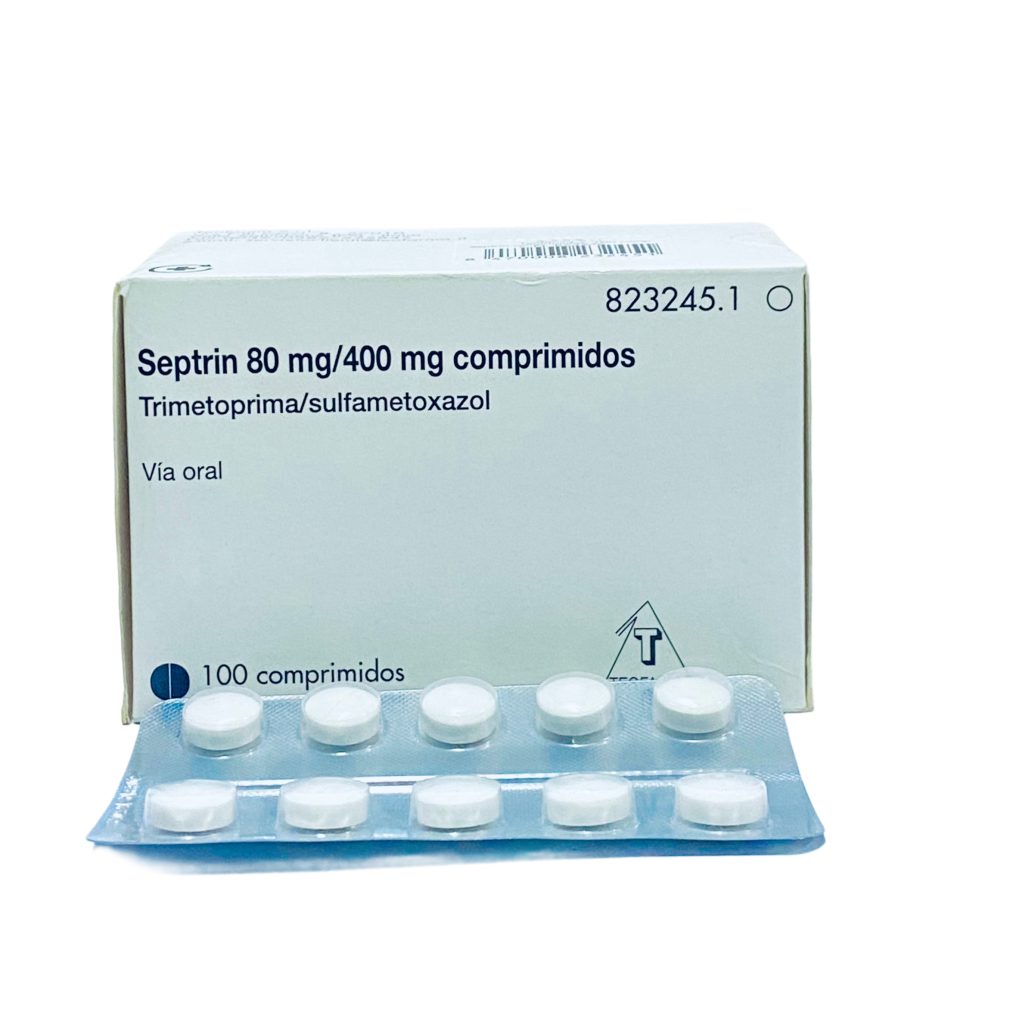
Septrin: Your Comprehensive Medical Guide
Septrin, scientifically known as Co-trimoxazole, is a widely recognized and potent antibiotic combination used to combat a broad spectrum of bacterial infections. It comprises two active antimicrobial agents: sulfamethoxazole and trimethoprim. This synergistic pairing allows Septrin to exert a powerful bactericidal effect by targeting critical pathways essential for bacterial survival, making it an invaluable tool in modern medicine.
As expert medical SEO copywriters and orthopedic specialists, we understand the importance of detailed, accurate, and accessible information. This comprehensive guide aims to provide an exhaustive overview of Septrin, delving into its intricate mechanisms, diverse clinical applications, precise dosage guidelines, potential risks, and crucial considerations for safe and effective use. While this guide offers authoritative information, it is imperative to remember that it serves as an educational resource and not a substitute for professional medical advice. Always consult with a qualified healthcare provider for diagnosis, treatment, and personalized guidance regarding your health.
Understanding Septrin's Potent Action
Septrin's efficacy stems from the ingenious combination of its two components, which work in tandem to disrupt bacterial metabolism.
Mechanism of Action: The Synergistic Power
The antimicrobial action of Septrin is based on the sequential blockade of bacterial folic acid synthesis, a pathway vital for bacterial DNA, RNA, and protein synthesis. Unlike humans, bacteria must synthesize their own folate, making this pathway an excellent target for antimicrobial intervention.
- Sulfamethoxazole (SMX): This sulfonamide acts as a competitive antagonist of para-aminobenzoic acid (PABA). PABA is a crucial substrate for the enzyme dihydropteroate synthase, which is responsible for converting PABA into dihydrofolic acid. By mimicking PABA, sulfamethoxazole inhibits this enzyme, thereby preventing the formation of dihydrofolic acid.
- Trimethoprim (TMP): This dihydrofolate reductase inhibitor targets the next step in the folic acid synthesis pathway. It competitively binds to and inhibits the bacterial enzyme dihydrofolate reductase, which is responsible for reducing dihydrofolic acid to tetrahydrofolic acid. Tetrahydrofolic acid is the biologically active form of folate, essential for the synthesis of purines, pyrimidines, and certain amino acids.
The combined effect of sulfamethoxazole and trimethoprim results in a synergistic blockade. While each component is bacteriostatic on its own, their combination at the optimal ratio (typically 5:1 SMX:TMP) achieves a bactericidal effect, meaning it kills bacteria rather than just inhibiting their growth. This dual-pronged attack significantly reduces the likelihood of bacterial resistance developing against either drug alone.
Pharmacokinetics: Absorption, Distribution, Metabolism, Excretion (ADME)
Understanding how Septrin moves through the body is crucial for optimizing its therapeutic effect and managing potential side effects.
- Absorption: Both sulfamethoxazole and trimethoprim are rapidly and almost completely absorbed from the gastrointestinal tract after oral administration. Peak plasma concentrations are typically reached within 1 to 4 hours. The presence of food generally does not significantly impair absorption.
- Distribution: Both components are widely distributed throughout body tissues and fluids, including:
- Lungs
- Kidneys
- Cerebrospinal fluid (CSF)
- Middle ear fluid
- Prostatic fluid
- Vaginal fluid
- Bile
- Aqueous humor
Both drugs cross the placental barrier and are excreted into breast milk. Sulfamethoxazole is approximately 60-70% protein-bound, while trimethoprim is about 40-50% protein-bound.
- Metabolism:
- Sulfamethoxazole: Primarily metabolized in the liver, mainly through N4-acetylation and glucuronidation. Some metabolites are microbiologically inactive.
- Trimethoprim: Also metabolized in the liver, primarily via oxidation, with several inactive metabolites formed.
- Excretion: Both drugs and their metabolites are primarily eliminated by the kidneys through a combination of glomerular filtration and tubular secretion.
- The elimination half-life of sulfamethoxazole is approximately 10-12 hours.
- The elimination half-life of trimethoprim is approximately 8-10 hours.
Due to their renal excretion, dosage adjustments are necessary in patients with impaired kidney function to prevent accumulation and toxicity.
Clinical Applications of Septrin: When and How to Use
Septrin's broad spectrum of activity makes it effective against a variety of Gram-positive and Gram-negative bacteria.
Detailed Indications
Septrin is indicated for the treatment of numerous infections, particularly those caused by susceptible organisms.
- Urinary Tract Infections (UTIs):
- Acute uncomplicated UTIs
- Complicated UTIs
- Recurrent UTIs
- Prophylaxis against recurrent UTIs
- Often effective against common uropathogens like E. coli, Klebsiella pneumoniae, and Proteus mirabilis.
- Respiratory Tract Infections:
- Acute exacerbations of chronic bronchitis (AECB) caused by susceptible strains of S. pneumoniae or H. influenzae.
- Pneumocystis Pneumonia (PCP): Septrin is the drug of choice for both prophylaxis and treatment of PCP (formerly Pneumocystis carinii pneumonia), a severe opportunistic infection common in immunocompromised individuals, especially those with HIV/AIDS.
- Gastrointestinal Infections:
- Traveler's diarrhea caused by enterotoxigenic E. coli.
- Shigellosis (bacillary dysentery) caused by susceptible strains of Shigella flexneri and Shigella sonnei.
- Cholera (as an alternative therapy).
- Skin and Soft Tissue Infections:
- Community-acquired Methicillin-resistant Staphylococcus aureus (CA-MRSA) infections, particularly for skin and soft tissue abscesses or cellulitis where MRSA is suspected.
- Other Infections:
- Nocardiosis: A rare bacterial infection affecting the lungs, brain, or skin.
- Toxoplasmosis: As an alternative agent, often in combination with pyrimethamine.
- Brucellosis: Often used in combination with other antibiotics like rifampicin or doxycycline.
- Some forms of acute otitis media, though its role has diminished due to increasing resistance and availability of other agents.
Dosage Guidelines
Dosage of Septrin varies significantly based on the indication, patient age, weight, and renal function. It is available in various formulations, including oral tablets, suspension, and intravenous (IV) solution.
- General Adult Dosage (Oral):
- Standard Dose: 800 mg sulfamethoxazole / 160 mg trimethoprim (1 DS tablet) every 12 hours.
- High Dose: For severe infections or PCP treatment, doses can be significantly higher.
- Pediatric Dosage (Oral Suspension):
- Dosage is typically calculated based on trimethoprim content (e.g., 6-12 mg/kg/day of trimethoprim, divided into two doses).
- Specific Indication Dosing Examples:
| Indication | Adult Dosage (Oral) | Duration |
|---|---|---|
| Acute Uncomplicated UTI | 1 DS tablet every 12 hours | 3-7 days |
| Acute Exacerbation of Chronic Bronchitis | 1 DS tablet every 12 hours | 10-14 days |
| Traveler's Diarrhea | 1 DS tablet every 12 hours | 5 days |
| Shigellosis | 1 DS tablet every 12 hours | 5 days |
| PCP Prophylaxis (Adults) | 1 DS tablet once daily or 3 times a week | Lifelong for high-risk |
| PCP Treatment (Adults) | 15-20 mg/kg/day (TMP) divided into 3-4 doses (IV/Oral) | 14-21 days |
| CA-MRSA Skin/Soft Tissue Infections | 1-2 DS tablets every 12 hours | 7-14 days |
- Dosage in Renal Impairment:
Patients with impaired renal function require careful dosage adjustments. Creatinine clearance (CrCl) is used to guide modifications.
| Creatinine Clearance (CrCl) | Recommended Dosage Adjustment |
|---|---|
| >30 mL/min | Standard dosage |
| 15-30 mL/min | Half the usual dose |
| <15 mL/min | Not recommended unless plasma concentrations can be monitored, or alternative therapy is unavailable. If used, very reduced dose. |
- Administration:
- Oral: Can be taken with or without food. Taking it with food might reduce gastrointestinal upset. It is crucial to drink plenty of fluids to prevent crystalluria, especially with higher doses.
- Intravenous (IV): The IV formulation should be diluted and infused slowly over 60-90 minutes. It is reserved for severe infections or when oral administration is not feasible.
Navigating the Risks: Side Effects, Contraindications, and Interactions
Like all medications, Septrin carries potential risks, including side effects, contraindications, and drug interactions. Awareness of these is vital for patient safety.
Common Side Effects
Most side effects are mild and transient.
- Gastrointestinal: Nausea, vomiting, diarrhea, anorexia, abdominal pain.
- Skin: Rash (maculopapular, urticarial), pruritus, photosensitivity (avoid excessive sun exposure).
- Hematologic: Mild, reversible leukopenia (decreased white blood cells), thrombocytopenia (decreased platelets), mild anemia.
- Other: Headache, dizziness.
Serious/Rare Side Effects
These require immediate medical attention.
- Hematologic: Severe bone marrow depression (agranulocytosis, aplastic anemia, megaloblastic anemia, hemolytic anemia – especially in G6PD deficient individuals).
- Severe Skin Reactions: Stevens-Johnson Syndrome (SJS), Toxic Epidermal Necrolysis (TEN), erythema multiforme. These are life-threatening mucocutaneous reactions.
- Renal: Crystalluria (formation of crystals in urine), interstitial nephritis, acute kidney injury, elevated creatinine and BUN.
- Hepatic: Hepatitis, cholestatic jaundice, elevated liver enzymes.
- Hypersensitivity Reactions: Anaphylaxis, angioedema.
- Metabolic: Hyperkalemia (especially with high doses, in elderly, or renal impairment), hypoglycemia (rare, in non-diabetics).
- Central Nervous System: Aseptic meningitis, convulsions, peripheral neuritis, depression, ataxia.
- Pancreatitis.
Contraindications
Septrin should not be used in patients with:
- Hypersensitivity: Known allergy to sulfamethoxazole, trimethoprim, other sulfonamides, or any component of the formulation.
- Severe Renal Impairment: If plasma concentrations cannot be monitored (CrCl < 15 mL/min).
- Severe Hepatic Damage: Due to its metabolism in the liver.
- Blood Dyscrasias: Especially megaloblastic anemia due to folate deficiency, as Septrin can exacerbate this.
- Infants Less Than 2 Months of Age: Risk of kernicterus (bilirubin encephalopathy) due to displacement of bilirubin from albumin binding sites by sulfamethoxazole.
- Pregnancy (especially third trimester): Due to the risk of kernicterus in the neonate.
- Porphyria: May exacerbate acute attacks.
- Glucose-6-Phosphate Dehydrogenase (G6PD) Deficiency: High doses are generally contraindicated due to the risk of hemolytic anemia. Lower doses should be used with extreme caution.
Drug Interactions
Septrin can interact with several medications, potentially altering their effects or increasing toxicity.
- Warfarin: Septrin can potentiate the anticoagulant effect of warfarin, leading to an increased risk of bleeding. Close monitoring of INR is essential.
- Methotrexate: Septrin can increase the toxicity of methotrexate by inhibiting its renal excretion and by competing for dihydrofolate reductase. Folinic acid (leucovorin) may be needed.
- Phenytoin: Septrin can inhibit the hepatic metabolism of phenytoin, leading to increased phenytoin plasma levels and potential toxicity.
- Diuretics (especially Thiazides): Increased risk of thrombocytopenia (low platelet count), particularly in elderly patients.
- Cyclosporine: May lead to increased nephrotoxicity and decreased cyclosporine levels in transplant patients.
- Digoxin: Increased plasma levels of digoxin have been reported.
- Potassium-Sparing Diuretics, ACE Inhibitors, Angiotensin Receptor Blockers (ARBs): Increased risk of hyperkalemia due to trimethoprim's potassium-sparing effect.
- Oral Contraceptives: Sulfonamides can rarely reduce the efficacy of oral contraceptives; advise backup contraception.
- Amiodarone: Concomitant use may increase the risk of arrhythmias.
- Antidiabetic Agents (Sulfonylureas): May increase the hypoglycemic effect.
- Pyrimethamine: Concomitant use may increase the risk of megaloblastic anemia.
Pregnancy and Lactation Warnings
- Pregnancy: Septrin is generally considered Category D in pregnancy, meaning there is positive evidence of human fetal risk.
- First Trimester: Folate antagonism by trimethoprim poses a theoretical risk of neural tube defects. Supplementation with folic acid is crucial if used.
- Third Trimester: Sulfamethoxazole can displace bilirubin from albumin, increasing the risk of kernicterus in the neonate, especially in premature infants or those with hyperbilirubinemia. Septrin is generally contraindicated in the late stages of pregnancy.
- Use only if the potential benefit justifies the potential risk to the fetus.
- Lactation (Breastfeeding): Both sulfamethoxazole and trimethoprim are excreted into breast milk.
- Potential for kernicterus in jaundiced infants or infants with G6PD deficiency.
- Potential for hemolytic anemia in G6PD-deficient infants.
- Generally, use with caution. Weigh the benefits of breastfeeding against the potential risks to the infant. Avoid in infants less than 2 months of age.
Overdose Management
In the event of an overdose, symptoms can vary depending on acute vs. chronic exposure.
- Acute Overdose Symptoms: Nausea, vomiting, diarrhea, anorexia, headache, dizziness, crystalluria, hematuria, anuria (in severe cases), mental depression.
- Chronic Overdose Symptoms: Bone marrow depression (manifesting as thrombocytopenia, leukopenia, megaloblastic anemia), fever.
Treatment for Overdose:
- Gastric Lavage/Emesis: If recent ingestion.
- Forced Diuresis: To increase excretion of both drugs, especially if renal function is normal.
- Urinary pH Adjustment:
- Alkalinization of urine: Helps increase the solubility and excretion of sulfamethoxazole.
- Acidification of urine: May increase the excretion of trimethoprim.
- Hydration: Maintain adequate fluid intake to prevent crystalluria.
- Hemodialysis: Limited efficacy for sulfamethoxazole, but more effective for trimethoprim. Peritoneal dialysis is not effective.
- Leucovorin (Folinic Acid): Administer 5-15 mg daily to counteract bone marrow depression caused by trimethoprim, especially in chronic overdose.
- Symptomatic and Supportive Care: Monitor vital signs, renal function, liver function, and complete blood count. Manage specific symptoms as they arise.
Frequently Asked Questions About Septrin
Q1: What is Septrin used for?
Septrin (Co-trimoxazole) is a combination antibiotic used to treat various bacterial infections, including urinary tract infections (UTIs), respiratory tract infections (like Pneumocystis Pneumonia or PCP), certain gastrointestinal infections (e.g., traveler's diarrhea, shigellosis), and some skin and soft tissue infections (e.g., community-acquired MRSA).
Q2: How does Septrin work?
Septrin works by blocking two consecutive steps in the bacterial folic acid synthesis pathway. Sulfamethoxazole inhibits the initial step, and trimethoprim inhibits a later step. This synergistic "dual blockade" prevents bacteria from producing essential components for their survival and reproduction, effectively killing them.
Q3: Is Septrin a strong antibiotic?
Yes, Septrin is considered a potent, broad-spectrum antibiotic. Its unique dual mechanism of action provides a strong bactericidal effect against many susceptible bacteria, making it highly effective for specific severe or resistant infections like PCP and certain MRSA strains.
Q4: What are the most common side effects of Septrin?
Common side effects include nausea, vomiting, diarrhea, loss of appetite, skin rash, itching, and increased sensitivity to sunlight (photosensitivity). Most of these are mild and resolve on their own.
Q5: Can I take Septrin if I'm allergic to sulfa drugs?
No, if you have a known allergy to sulfa drugs (sulfonamides), you should not take Septrin. Sulfamethoxazole is a sulfa drug, and taking Septrin could trigger a severe allergic reaction. Always inform your doctor about any drug allergies.
Q6: How long does it take for Septrin to work?
The time it takes for Septrin to show effects can vary depending on the type and severity of the infection. Many patients start to feel better within a few days of starting treatment. However, it's crucial to complete the entire prescribed course of antibiotics, even if symptoms improve, to ensure the infection is fully eradicated and to prevent resistance.
Q7: Can Septrin cause kidney problems?
Yes, Septrin can cause kidney problems, especially if you are dehydrated or have pre-existing kidney impairment. It can lead to crystalluria (crystal formation in urine), interstitial nephritis, or acute kidney injury. Drinking plenty of fluids during treatment is important to minimize this risk. Your doctor may adjust the dosage if you have reduced kidney function.
Q8: Is Septrin safe during pregnancy?
Septrin is generally not recommended during pregnancy, especially in the first and third trimesters. In the first trimester, there's a theoretical risk of neural tube defects due to trimethoprim's folate antagonism. In the third trimester, sulfamethoxazole can increase the risk of kernicterus in the newborn. Your doctor will weigh the risks and benefits carefully if its use is absolutely necessary.
Q9: What should I avoid while taking Septrin?
While taking Septrin, you should:
* Avoid excessive sun exposure or use protective clothing and sunscreen due to photosensitivity.
* Avoid alcohol, as it can worsen gastrointestinal side effects.
* Inform your doctor about all other medications you are taking, especially warfarin, methotrexate, phenytoin, and certain diuretics, as Septrin can have significant drug interactions.
* Drink plenty of water to help prevent kidney problems.
Q10: What is the difference between Septrin and Co-trimoxazole?
Septrin is a brand name for the generic drug Co-trimoxazole. They are the same medication, containing the active ingredients sulfamethoxazole and trimethoprim in a fixed combination.
Q11: Can Septrin treat viral infections?
No, Septrin is an antibiotic and is only effective against bacterial infections. It will not work for viral infections like the common cold, flu, or COVID-19. Using antibiotics for viral infections is ineffective and contributes to antibiotic resistance.
Q12: What if I miss a dose of Septrin?
If you miss a dose, take it as soon as you remember, unless it's almost time for your next scheduled dose. In that case, skip the missed dose and continue with your regular dosing schedule. Do not double up on doses to make up for a missed one.
Q13: Should I drink a lot of water with Septrin?
Yes, it is highly recommended to drink plenty of water or other fluids while taking Septrin. Adequate hydration helps to prevent the formation of crystals in the urine (crystalluria) and reduces the risk of kidney-related side effects.