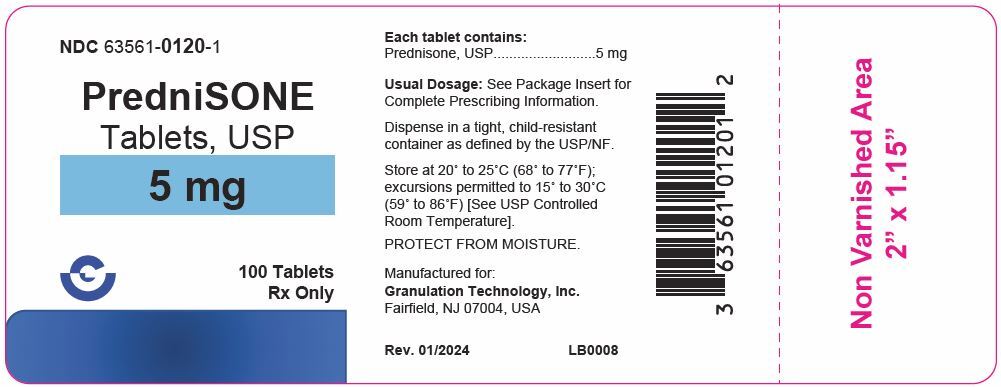
Prednisone: The Definitive Medical SEO Guide
As an expert Medical SEO Copywriter and Orthopedic Specialist, we understand the critical need for accurate, comprehensive, and accessible information regarding medications like Prednisone. This guide aims to provide an exhaustive resource for patients, caregivers, and healthcare professionals seeking to understand the intricacies of this widely prescribed corticosteroid.
Prednisone is a powerful synthetic corticosteroid medication, renowned for its potent anti-inflammatory and immunosuppressive properties. It is a prodrug, meaning it is inactive until metabolized by the liver into its active form, prednisolone. Its broad range of applications makes it a cornerstone in the management of numerous inflammatory, autoimmune, allergic, and neoplastic conditions. However, its efficacy comes with a complex profile of potential side effects and interactions, necessitating careful medical supervision.
Understanding Prednisone: Technical Specifications and Mechanisms
To truly appreciate Prednisone's role in modern medicine, one must delve into its sophisticated biological mechanisms and pharmacokinetic profile.
Mechanism of Action: How Prednisone Works
Prednisone exerts its therapeutic effects primarily through its active metabolite, prednisolone, which acts as a synthetic glucocorticoid. Glucocorticoids are steroid hormones that play vital roles in regulating inflammation, immune responses, metabolism, and stress responses.
The primary mechanism involves binding to specific intracellular glucocorticoid receptors (GRs) found in the cytoplasm of target cells. This binding initiates a cascade of events:
- Genomic Effects (Slower, Longer-lasting):
- Transactivation: The activated GR complex translocates into the cell nucleus and binds to specific DNA sequences called glucocorticoid response elements (GREs). This binding upregulates the transcription of anti-inflammatory genes, such as those encoding annexin A1 (lipocortin-1), which inhibits phospholipase A2 (a key enzyme in prostaglandin and leukotriene synthesis).
- Transrepression: More importantly for anti-inflammatory and immunosuppressive effects, the GR complex directly or indirectly interacts with and inhibits the activity of pro-inflammatory transcription factors, such as Nuclear Factor-kappa B (NF-κB) and Activator Protein-1 (AP-1). This inhibition leads to a downregulation of genes encoding:
- Pro-inflammatory cytokines: Interleukins (IL-1, IL-2, IL-6, IL-8), Tumor Necrosis Factor-alpha (TNF-α).
- Chemokines: Proteins that attract immune cells.
- Adhesion molecules: Essential for immune cell migration.
- Enzymes: Cyclooxygenase-2 (COX-2) and inducible nitric oxide synthase (iNOS), which produce inflammatory mediators.
- Other mediators: Prostaglandins, leukotrienes, histamine.
- Impact on Immune Cells: Prednisone also directly affects the function and distribution of various immune cells:
- Decreases the number of circulating lymphocytes, eosinophils, monocytes, and basophils.
- Inhibits macrophage function and antigen presentation.
- Reduces antibody production at high doses.
- Non-Genomic Effects (Rapid, Short-lived): Some effects occur too rapidly to be explained by gene transcription. These involve direct interactions with cell membranes or cytoplasmic components, potentially altering ion channels or signaling pathways. While less understood, these effects contribute to immediate responses, such as rapid changes in blood pressure or mood.
In essence, Prednisone powerfully suppresses the immune system's inflammatory cascade, reducing swelling, redness, pain, and immune cell activity.
Pharmacokinetics: The Journey of Prednisone in the Body
Understanding how Prednisone is absorbed, distributed, metabolized, and eliminated is crucial for proper dosing and managing potential interactions.
- Absorption:
- When taken orally, Prednisone is rapidly and well-absorbed from the gastrointestinal tract.
- It then undergoes first-pass metabolism in the liver, where it is converted to its active metabolite, prednisolone. This conversion is efficient, making oral prednisone highly effective.
- Distribution:
- Prednisolone is extensively bound to plasma proteins, primarily albumin and corticosteroid-binding globulin (transcortin). Protein binding can be altered in conditions like hypoalbuminemia.
- It is widely distributed throughout the body, crossing the placenta and entering breast milk.
- Metabolism:
- The primary site of metabolism is the liver. Prednisone is first converted to prednisolone.
- Prednisolone is then further metabolized into inactive conjugated metabolites (e.g., sulfates, glucuronides) via various enzymatic pathways, including cytochrome P450 3A4 (CYP3A4).
- Elimination:
- The inactive metabolites are primarily excreted by the kidneys.
- The plasma half-life of prednisolone is approximately 2 to 4 hours, but its biological half-life (reflecting its duration of action at the tissue level) is much longer, ranging from 18 to 36 hours. This longer biological half-life allows for once-daily or alternate-day dosing in many cases.
Extensive Clinical Indications & Usage
Prednisone's potent anti-inflammatory and immunosuppressive actions make it invaluable across a vast spectrum of medical conditions. Its use is always tailored to the individual patient and the specific disease being treated.
Detailed Indications
Prednisone is indicated for the treatment of numerous conditions, including but not limited to:
- Rheumatic Disorders:
- Rheumatoid Arthritis
- Systemic Lupus Erythematosus (SLE)
- Psoriatic Arthritis
- Ankylosing Spondylitis
- Acute Gouty Arthritis
- Polymyalgia Rheumatica
- Giant Cell Arteritis (Temporal Arteritis)
- Polyarteritis Nodosa
- Dermatomyositis/Polymyositis
- Allergic Conditions:
- Severe or incapacitating allergic conditions refractory to adequate trials of conventional treatment.
- Seasonal or perennial allergic rhinitis
- Bronchial Asthma (especially severe or acute exacerbations)
- Contact Dermatitis
- Atopic Dermatitis
- Serum Sickness
- Drug Hypersensitivity Reactions
- Anaphylactic reactions (as adjunctive therapy)
- Dermatologic Diseases:
- Pemphigus
- Bullous Dermatitis Herpetiformis
- Severe Erythema Multiforme (Stevens-Johnson Syndrome)
- Exfoliative Dermatitis
- Mycosis Fungoides
- Severe Psoriasis
- Severe Seborrheic Dermatitis
- Ophthalmic Diseases:
- Severe acute and chronic allergic and inflammatory processes involving the eye and its adnexa.
- Allergic Conjunctivitis
- Keratitis
- Corneal Marginal Ulcers
- Herpes Zoster Ophthalmicus
- Iritis and Iridocyclitis
- Chorioretinitis
- Diffuse Posterior Uveitis and Choroiditis
- Optic Neuritis
- Sympathetic Ophthalmia
- Respiratory Diseases:
- Symptomatic Sarcoidosis
- Loeffler's Syndrome not manageable by other means
- Berylliosis
- Fulminating or Disseminated Pulmonary Tuberculosis (used concurrently with appropriate antituberculous chemotherapy)
- Aspiration Pneumonitis
- Hematologic Disorders:
- Acquired (Autoimmune) Hemolytic Anemia
- Pure Red Cell Aplasia (Erythrocytic Anemia)
- Secondary Thrombocytopenia in Adults
- Congenital (Erythroid) Hypoplastic Anemia
- Neoplastic Diseases: (Palliative management of)
- Leukemias and Lymphomas in Adults
- Acute Leukemia of Childhood
- Gastrointestinal Diseases:
- Ulcerative Colitis
- Regional Enteritis (Crohn's Disease)
- Endocrine Disorders:
- Primary or Secondary Adrenocortical Insufficiency (Prednisone is a potent glucocorticoid but lacks significant mineralocorticoid activity; mineralocorticoid supplementation is essential.)
- Congenital Adrenal Hyperplasia
- Hypercalcemia associated with cancer
- Nonsuppurative Thyroiditis
- Neurological Disorders:
- Acute exacerbations of Multiple Sclerosis
- Cerebral Edema associated with primary or metastatic brain tumor, craniotomy, or other trauma.
- Organ Transplantation:
- As an immunosuppressant to prevent and treat organ rejection.
Dosage Guidelines
Prednisone dosage is highly individualized and depends on the specific disease, its severity, the patient's response to therapy, and the duration of treatment.
- Initial Dosing: Doses can range from 5 mg to 60 mg or more per day. For acute, severe conditions, higher initial doses (e.g., 40-60 mg/day) may be used.
- Maintenance Dosing: Once the condition is controlled, the dosage should be gradually reduced to the lowest effective maintenance dose.
- Tapering:
- Crucial for long-term therapy: Abrupt discontinuation of Prednisone, especially after prolonged use, can lead to adrenal insufficiency (adrenal crisis) due to suppression of the body's natural corticosteroid production.
- A slow, gradual tapering schedule is essential, allowing the adrenal glands to recover their function. The tapering rate depends on the dose, duration of therapy, and individual patient response.
- Alternate-Day Therapy: For some chronic conditions, alternate-day therapy (administering a double dose every other morning) may be considered to minimize adrenal suppression and reduce certain side effects, while maintaining therapeutic efficacy.
- Pediatric Dosing: Dosage in children is generally based on body weight or surface area, but must be carefully monitored for growth retardation and other age-specific side effects.
- Administration: Prednisone should generally be taken with food or milk to minimize gastrointestinal upset.
Risks, Side Effects, and Contraindications
While Prednisone is a life-saving medication, its powerful effects come with a significant risk profile. Patients and prescribers must be fully aware of potential adverse reactions and situations where its use is contraindicated or requires extreme caution.
Contraindications
Prednisone is generally contraindicated in patients with:
- Systemic Fungal Infections: Corticosteroids can exacerbate these infections.
- Known Hypersensitivity: To Prednisone or any component of the formulation.
- Live or Live Attenuated Vaccines: During immunosuppressive doses of corticosteroids, due to the risk of vaccine-induced infection.
Drug Interactions
Prednisone can interact with numerous other medications, potentially altering its efficacy or increasing the risk of adverse effects.
| Drug Class / Specific Drug | Interaction Mechanism | Clinical Consequence |
|---|---|---|
| CYP3A4 Inducers | Increase metabolism of prednisolone. | Decreased Prednisone efficacy. (e.g., Rifampin, Phenytoin, Phenobarbital, Carbamazepine, Ephedrine) |
| CYP3A4 Inhibitors | Decrease metabolism of prednisolone. | Increased Prednisone levels and potential toxicity. (e.g., Ketoconazole, Itraconazole, Erythromycin, Clarithromycin, Diltiazem, Grapefruit juice) |
| NSAIDs (Non-Steroidal Anti-Inflammatory Drugs) | Additive gastrointestinal toxicity. | Increased risk of GI ulceration and bleeding. |
| Anticoagulants (e.g., Warfarin) | May alter anticoagulant effects (increase or decrease). | Close monitoring of INR/PT is essential. |
| Diuretics (Thiazide or Loop) | Enhance potassium loss. | Increased risk of hypokalemia. |
| Insulin / Oral Hypoglycemics | Prednisone can induce hyperglycemia. | May require increased doses of anti-diabetic medications. |
| Vaccines (Live/Live Attenuated) | Immunosuppressive effects. | Reduced vaccine efficacy; increased risk of infection from live vaccines. |
| Cardiac Glycosides (e.g., Digoxin) | Hypokalemia induced by Prednisone can increase risk of digitalis toxicity. | Monitor potassium levels and cardiac function. |
| Anticholinesterases | May cause severe weakness in patients with myasthenia gravis. | Use with caution. |
| Cyclosporine | Both drugs inhibit metabolism of each other; increased risk of convulsions. | Careful monitoring of drug levels and patient for adverse effects. |
| Cholestyramine, Antacids | May decrease Prednisone absorption. | Administer Prednisone at least 2 hours before or after these agents. |
| Oral Contraceptives | May increase plasma levels of corticosteroids. | Potential for increased Prednisone effects. |
Pregnancy and Lactation Warnings
- Pregnancy (Category C):
- Animal studies have shown corticosteroids to be teratogenic (e.g., cleft palate, skeletal abnormalities).
- There are no adequate and well-controlled studies in pregnant women.
- Prednisone should be used during pregnancy only if the potential benefit justifies the potential risk to the fetus.
- Infants born to mothers who have received substantial doses of corticosteroids during pregnancy should be carefully observed for signs of hypoadrenalism.
- Lactation:
- Prednisolone (the active metabolite) is excreted into breast milk.
- While typically in small amounts, potential adverse effects in the infant (e.g., growth suppression, interference with endogenous corticosteroid production) exist.
- The decision to continue or discontinue nursing or the drug should take into account the importance of the drug to the mother and the potential risks to the infant.
Side Effects
The side effects of Prednisone are numerous and vary widely depending on the dose, duration of therapy, and individual patient sensitivity. They can be broadly categorized as follows:
- Endocrine/Metabolic:
- Adrenal suppression (most significant long-term risk)
- Cushingoid features (moon face, buffalo hump, central obesity)
- Hyperglycemia, new-onset diabetes mellitus, or worsening of existing diabetes
- Growth retardation in children
- Menstrual irregularities
- Increased appetite and weight gain
- Negative nitrogen balance due to protein catabolism
- Musculoskeletal:
- Osteoporosis (especially with long-term use), increased fracture risk
- Muscle weakness (steroid myopathy), particularly in proximal muscles
- Aseptic necrosis of femoral and humeral heads
- Tendon rupture
- Gastrointestinal:
- Peptic ulceration, pancreatitis
- Abdominal distention, ulcerative esophagitis
- Increased risk of perforation of the small and large bowel
- Ophthalmic:
- Posterior subcapsular cataracts
- Increased intraocular pressure, glaucoma
- Exophthalmos
- Cardiovascular:
- Hypertension
- Fluid retention, edema
- Congestive heart failure in susceptible patients
- Dermatologic:
- Thin fragile skin, impaired wound healing
- Petechiae and ecchymoses
- Acne, hirsutism
- Striae, facial erythema
- Increased sweating
- Neurological/Psychiatric:
- Mood swings, depression, euphoria, insomnia, anxiety
- Psychotic manifestations
- Headache, vertigo
- Increased intracranial pressure with papilledema (pseudotumor cerebri)
- Immunologic:
- Increased susceptibility to infection (bacterial, viral, fungal, parasitic)
- Masking of signs of infection
- Activation of latent infections (e.g., tuberculosis, herpes simplex)
- Electrolyte/Fluid:
- Sodium retention, potassium loss
- Hypokalemic alkalosis
- Withdrawal Syndrome:
- Abrupt discontinuation can lead to adrenal insufficiency with symptoms like fatigue, weakness, nausea, vomiting, hypotension, hypoglycemia, and joint/muscle pain.
- Even with gradual tapering, patients may experience a "steroid withdrawal syndrome" with symptoms like malaise, anorexia, nausea, lethargy, and headache, without evidence of adrenal insufficiency.
Overdose Management
Acute overdose with Prednisone is rare and generally not associated with life-threatening toxicity. However, chronic overdose can lead to severe adverse effects.
- Acute Overdose:
- Symptoms are usually mild and include increased blood pressure, fluid retention, hyperglycemia, and gastrointestinal irritation.
- Treatment is primarily symptomatic and supportive. There is no specific antidote.
- Electrolyte balance, fluid status, and blood glucose should be monitored.
- Chronic Overdose:
- Leads to the development of Cushingoid features (as described in side effects).
- Treatment involves gradual dose reduction under medical supervision to avoid adrenal insufficiency.
- Management of specific symptoms (e.g., blood pressure control, diabetes management) is crucial.
Massive FAQ Section
Here are some frequently asked questions about Prednisone:
Q1: What is Prednisone primarily used for?
Prednisone is primarily used for its potent anti-inflammatory and immunosuppressive effects. It treats a wide range of conditions, including autoimmune diseases (like rheumatoid arthritis, lupus), severe allergic reactions, asthma, inflammatory bowel disease, certain cancers, and to prevent organ transplant rejection.
Q2: How does Prednisone work in the body?
Prednisone is a prodrug that is converted by the liver into its active form, prednisolone. Prednisolone works by binding to specific receptors inside cells, which then affects gene expression. This process reduces the production of inflammatory chemicals and suppresses the activity of immune cells, thereby decreasing inflammation and immune responses.
Q3: How should I take Prednisone, and what is a "steroid taper"?
Prednisone is usually taken orally, often with food or milk to prevent stomach upset. Dosage and frequency vary greatly depending on your condition. A "steroid taper" is a gradual reduction in your Prednisone dose over days or weeks. This is crucial, especially after prolonged use, to allow your body's natural adrenal glands to recover their function and prevent withdrawal symptoms like fatigue, weakness, and nausea. Never stop Prednisone suddenly without your doctor's guidance.
Q4: What are the most common side effects of Prednisone?
Common short-term side effects include increased appetite, weight gain, fluid retention, mood changes (e.g., irritability, insomnia), increased blood sugar, and indigestion. Long-term use can lead to more serious side effects like osteoporosis, adrenal suppression, cataracts, glaucoma, high blood pressure, diabetes, and increased susceptibility to infections.
Q5: Can I stop taking Prednisone suddenly?
Absolutely not. Stopping Prednisone suddenly, especially after taking it for more than a few days or in high doses, can lead to a severe and potentially life-threatening condition called adrenal crisis. Your body needs time to resume its natural production of corticosteroids. Always follow your doctor's instructions for tapering off the medication.
Q6: How long does Prednisone stay in your system?
Prednisone is converted to prednisolone, which has a plasma half-life of about 2 to 4 hours. However, its biological effects can last much longer, typically 18 to 36 hours, due to its genomic mechanism of action. This means its anti-inflammatory effects persist for a significant period after the drug has been metabolized.
Q7: Does Prednisone cause weight gain?
Yes, weight gain is a very common side effect of Prednisone, especially with higher doses and longer durations of therapy. This can be due to increased appetite, fluid retention, and changes in fat distribution (e.g., "moon face," "buffalo hump").
Q8: Can Prednisone affect my mood or mental health?
Yes, Prednisone can significantly impact mood and mental health. Patients may experience mood swings, irritability, anxiety, insomnia, euphoria, or, less commonly, depression or even psychotic episodes. These effects are often dose-dependent and can be more pronounced at higher doses. It's important to report any significant mood changes to your doctor.
Q9: Is it safe to get vaccinated while on Prednisone?
It depends on the type of vaccine and your Prednisone dose. Live or live attenuated vaccines (e.g., MMR, varicella, nasal flu vaccine) are generally contraindicated if you are on immunosuppressive doses of Prednisone, due to the risk of developing the disease from the vaccine. Inactivated vaccines (e.g., tetanus, injectable flu vaccine) are generally safe but may be less effective. Always discuss your vaccination schedule with your doctor while taking Prednisone.
Q10: What should I avoid while taking Prednisone?
You should avoid:
* Abruptly stopping the medication.
* Consuming grapefruit or grapefruit juice, as it can increase Prednisone levels.
* Taking NSAIDs (like ibuprofen, naproxen) without consulting your doctor, due to increased risk of stomach ulcers.
* Exposure to people with contagious diseases (like chickenpox, measles) if you are on high doses, due to increased infection risk.
* Alcohol, as it can exacerbate stomach irritation and potentially interact with the drug's metabolic pathways.
Q11: Can Prednisone affect my bones?
Yes, long-term use of Prednisone is a significant risk factor for osteoporosis (bone thinning) and increased fracture risk. Your doctor may recommend calcium and vitamin D supplements or other medications to protect your bone health while on Prednisone.
Q12: How long does it take for Prednisone to start working?
The onset of action for Prednisone can vary depending on the condition being treated. For acute inflammatory or allergic reactions, you might feel relief within hours. For chronic conditions, it may take several days to weeks to notice the full therapeutic effect.
This comprehensive guide is intended for informational purposes only and does not constitute medical advice. Always consult with a qualified healthcare professional for diagnosis, treatment, and any questions regarding your medical condition or medication.