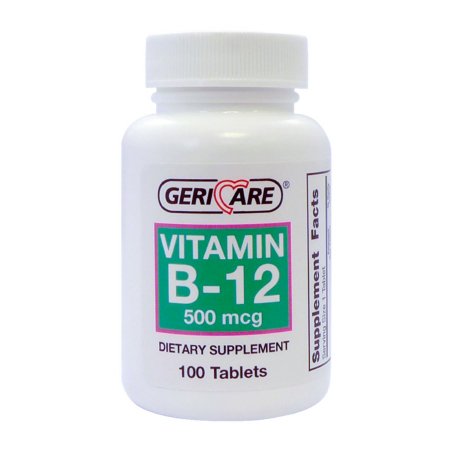
Power B12: The Definitive Medical Guide to Cobalamin Supplementation
As an essential nutrient, Vitamin B12, scientifically known as cobalamin, plays a pivotal role in numerous physiological processes vital for human health. From the intricate workings of the nervous system to the fundamental processes of DNA synthesis and red blood cell formation, its importance cannot be overstated. "Power B12" represents a formulation designed to address deficiencies and support optimal B12 levels, thereby bolstering overall well-being.
This comprehensive medical SEO guide aims to provide an exhaustive resource on Power B12. We will delve into its sophisticated mechanisms of action, trace its journey through the body via pharmacokinetics, delineate its extensive clinical indications, and provide clear dosage guidelines. Furthermore, we will thoroughly address potential risks, including contraindications, drug interactions, specific warnings for pregnancy and lactation, and protocols for managing overdose. This guide is tailored for healthcare professionals, patients, and anyone seeking authoritative information on cobalamin supplementation.
Deep Dive into Technical Specifications and Mechanisms
Vitamin B12 is a complex organometallic compound characterized by a cobalt atom at its core. It is unique among vitamins due to its large and intricate structure and its reliance on intrinsic factor for absorption.
Mechanism of Action: The Biochemical Symphony of Cobalamin
Cobalamin functions primarily as a coenzyme in two crucial metabolic reactions within the human body, each mediated by a specific active form of B12:
-
Methylcobalamin (MeCbl): This active form is a cofactor for the enzyme methionine synthase (also known as 5-methyltetrahydrofolate-homocysteine methyltransferase). This enzyme catalyzes the conversion of homocysteine to methionine. Methionine is subsequently converted to S-adenosylmethionine (SAMe), a universal methyl donor involved in over 100 methylation reactions, including those crucial for DNA, RNA, proteins, neurotransmitters, and myelin synthesis. The methionine synthase reaction also regenerates tetrahydrofolate from 5-methyltetrahydrofolate, which is essential for purine and pyrimidine synthesis, thereby impacting DNA replication and repair. A deficiency here leads to the "methyl-folate trap," impairing DNA synthesis and resulting in megaloblastic anemia.
-
5'-Deoxyadenosylcobalamin (AdoCbl or Adenosylcobalamin): This form acts as a cofactor for the enzyme L-methylmalonyl-CoA mutase. This enzyme converts L-methylmalonyl-CoA to succinyl-CoA. Succinyl-CoA is a vital intermediate in the citric acid cycle and is involved in the metabolism of odd-chain fatty acids and branched-chain amino acids. A deficiency in this pathway leads to the accumulation of methylmalonic acid (MMA), which is a characteristic biochemical marker of B12 deficiency and contributes to the neurological manifestations observed.
The synergistic action of these two coenzymes underpins B12's critical roles in:
* Hematopoiesis: Ensuring proper DNA synthesis for red blood cell maturation, preventing megaloblastic anemia.
* Neurological Function: Maintaining myelin sheath integrity (essential for nerve impulse transmission), neurotransmitter synthesis, and preventing neurodegeneration.
* Energy Metabolism: Contributing to the breakdown of fats and proteins.
Pharmacokinetics: The Journey of Power B12 Through the Body
Understanding how Power B12 is absorbed, distributed, metabolized, and excreted is fundamental to its effective clinical application.
-
Absorption:
- Oral Absorption (Intrinsic Factor-Dependent): Dietary B12, or orally administered Power B12, is released from food proteins by gastric acid and pepsin. It then binds to R-proteins (haptocorrins). In the duodenum, pancreatic enzymes degrade the R-protein, releasing B12, which then binds to intrinsic factor (IF), a glycoprotein secreted by gastric parietal cells. The B12-IF complex travels to the terminal ileum, where it is absorbed via specific receptors (cubilin and megalin) into enterocytes.
- Oral Absorption (Intrinsic Factor-Independent, Passive Diffusion): A small percentage (1-2%) of high-dose oral B12 can be absorbed via passive diffusion throughout the small intestine, bypassing the intrinsic factor mechanism. This pathway is crucial for patients with pernicious anemia or other intrinsic factor deficiencies.
- Parenteral Absorption (Intramuscular/Subcutaneous): When administered via injection, B12 bypasses the gastrointestinal tract and is directly absorbed into the bloodstream, making it highly bioavailable and effective for malabsorption conditions.
- Sublingual/Nasal Absorption: These routes offer direct absorption into the bloodstream through mucous membranes, bypassing some digestive steps.
-
Distribution: Once absorbed, B12 binds to plasma transport proteins called transcobalamins (TCs).
- Transcobalamin II (TC II): This is the primary transport protein that delivers newly absorbed B12 to all body cells and tissues, including the bone marrow and central nervous system.
- Transcobalamin I (TC I) and III (TC III): These primarily bind inactive B12 analogues and store B12, particularly in the liver.
The body has a substantial storage capacity for B12, primarily in the liver, which can last for several years.
-
Metabolism: In the cells, cyanocobalamin (a common synthetic form in supplements) is converted into the active coenzyme forms, methylcobalamin and adenosylcobalamin.
-
Excretion: Excess B12 is primarily excreted unchanged via the kidneys in the urine. A portion also undergoes enterohepatic recirculation, where B12 is secreted in bile, reabsorbed in the intestine, and returned to the liver. This recirculation contributes to the body's efficient conservation of B12.
-
Half-life: Due to significant liver storage and enterohepatic recirculation, B12 has a relatively long biological half-life, meaning deficiencies often develop slowly over several years.
Extensive Clinical Indications & Usage
Power B12 is indicated for the prevention and treatment of various conditions associated with cobalamin deficiency. The choice of formulation (oral, sublingual, injectable) and dosage depends heavily on the underlying cause and severity of the deficiency.
Detailed Indications for Power B12
-
Pernicious Anemia: An autoimmune condition leading to the destruction of gastric parietal cells, resulting in intrinsic factor deficiency and severe B12 malabsorption. This is a lifelong condition requiring continuous B12 supplementation, typically parenteral initially.
-
Malabsorption Syndromes: Conditions that impair B12 absorption in the gastrointestinal tract.
- Gastric Conditions: Atrophic gastritis, gastrectomy (partial or total), gastric bypass surgery, Helicobacter pylori infection.
- Small Intestine Conditions: Crohn's disease, celiac disease, tropical sprue, ileal resection, bacterial overgrowth in the small intestine, Zollinger-Ellison syndrome.
- Pancreatic Insufficiency: Impaired release of R-protein-cleaving enzymes.
-
Dietary Deficiency: Primarily seen in strict vegans and some vegetarians who do not consume animal products (meat, dairy, eggs) or fortified foods. Infants breastfed by B12-deficient mothers are also at risk.
-
Medication-Induced Deficiency:
- Metformin: Commonly used for type 2 diabetes, metformin can interfere with calcium-dependent B12-IF complex absorption in the ileum.
- Proton Pump Inhibitors (PPIs) & H2-Receptor Antagonists: Medications like omeprazole or ranitidine reduce gastric acid secretion, impairing the release of B12 from food proteins, though absorption of supplemental B12 (not bound to food) may be less affected.
- Other Drugs: Colchicine, neomycin, chloramphenicol, and nitrous oxide can also interfere with B12 metabolism or absorption.
-
Neurological Disorders: B12 deficiency can lead to a wide spectrum of neurological manifestations, including:
- Peripheral neuropathy (numbness, tingling, weakness).
- Subacute combined degeneration of the spinal cord (affecting posterior and lateral columns, leading to gait disturbance, spasticity, sensory loss).
- Cognitive impairment, memory loss, dementia.
- Mood disturbances (depression, irritability).
- Optic atrophy.
-
Hyperhomocysteinemia: Elevated homocysteine levels are a risk factor for cardiovascular disease and stroke. B12, along with folate and vitamin B6, is crucial for metabolizing homocysteine. Supplementation can help reduce homocysteine levels.
-
Chronic Fatigue and Energy Support: While B12 is not a direct "energy booster" for individuals with adequate levels, those with deficiency often experience profound fatigue, and supplementation can dramatically improve energy levels.
-
Support for Myelination and Nerve Regeneration: In orthopedic contexts, particularly post-surgical nerve repair or in conditions involving nerve compression, adequate B12 levels are crucial for supporting myelin integrity and nerve regeneration processes.
Dosage Guidelines for Power B12
Dosage regimens vary considerably based on the indication, severity of deficiency, and route of administration. It is imperative that dosage be determined and monitored by a healthcare professional.
Table 1: General Dosage Guidelines for Power B12
| Indication | Route | Initial Dosing | Maintenance Dosing |
|---|---|---|---|
| Pernicious Anemia / Severe Malabsorption | Intramuscular (IM) | 1,000 mcg daily for 1 week, then weekly for 4-8 weeks, or until symptoms resolve and hematological parameters normalize. | 1,000 mcg IM monthly for life. High-dose oral (1,000-2,000 mcg daily) or sublingual may be considered for maintenance in some cases, under strict medical supervision. |
| Dietary Deficiency (Vegans) | Oral / Sublingual | 1,000 mcg daily for 1-2 weeks (if symptomatic), then 250-1,000 mcg daily or 2,000 mcg weekly. | 250-1,000 mcg daily or 2,000 mcg weekly. |
| Medication-Induced Deficiency (e.g., Metformin) | Oral | 500-1,000 mcg daily. | 500-1,000 mcg daily. |
| Mild Deficiency / Prophylaxis | Oral / Sublingual | 250-1,000 mcg daily. | 250-1,000 mcg daily. |
| Neuropathic Symptoms | IM / Oral | 1,000 mcg IM 2-3 times weekly for several weeks, followed by oral 1,000-2,000 mcg daily. | Individualized based on response. |
- Monitoring: Regular monitoring of serum B12 levels, complete blood count (CBC), and clinical symptoms is crucial to adjust dosage and ensure therapeutic efficacy. Methylmalonic acid (MMA) and homocysteine levels can also be useful markers.
- Formulation Choice: Injectable forms are preferred for initial severe deficiencies or malabsorption issues due to rapid and complete absorption. Oral or sublingual forms are often suitable for maintenance or less severe deficiencies.
Risks, Side Effects, and Contraindications
Power B12 is generally considered safe and well-tolerated, even at high doses, due to its water-soluble nature and efficient renal excretion. However, like all medications and supplements, it has specific contraindications, potential drug interactions, and rare side effects.
Contraindications
- Hypersensitivity: Known allergy or hypersensitivity to cobalamin, cobalt, or any component of the Power B12 formulation.
- Leber's Disease (Hereditary Optic Neuropathy): While controversial, some sources suggest that B12 supplementation, particularly cyanocobalamin, may exacerbate optic atrophy in patients with Leber's disease. Caution is advised, and alternative forms like methylcobalamin may be preferred if B12 is deemed necessary.
- Undiagnosed Megaloblastic Anemia: B12 supplementation can mask a co-existing folate deficiency by improving hematological parameters, but neurological damage due to folate deficiency may progress undetected. It is crucial to diagnose the specific cause of megaloblastic anemia before initiating B12 therapy.
Drug Interactions
Several medications can interfere with B12 absorption, metabolism, or efficacy:
- Biguanides (e.g., Metformin): Can reduce B12 absorption by altering calcium-dependent intrinsic factor binding in the ileum. Long-term metformin users should be monitored for B12 deficiency.
- Proton Pump Inhibitors (PPIs) & H2-Receptor Antagonists (e.g., Omeprazole, Ranitidine): By reducing gastric acid, these drugs impair the release of B12 from food proteins, potentially leading to deficiency with long-term use.
- Antibiotics (e.g., Chloramphenicol): Can antagonize the hematopoietic response to B12 in patients with megaloblastic anemia.
- Colchicine: Used for gout, can cause reversible malabsorption of B12.
- Neomycin: An antibiotic that can cause B12 malabsorption.
- Nitrous Oxide (N2O): Used in anesthesia, irreversibly inactivates the methylcobalamin form of B12, potentially leading to acute B12 deficiency and neurological complications, especially with prolonged or repeated exposure.
- Ascorbic Acid (Vitamin C): Historically, high doses of Vitamin C taken concurrently with oral B12 were thought to destroy B12. Modern research suggests this interaction is minimal and clinically insignificant, especially when B12 is taken at a different time of day.
Pregnancy and Lactation Warnings
- Pregnancy: Vitamin B12 is an essential nutrient during pregnancy for both maternal health and fetal development, particularly for neural tube development and neurological function. Recommended daily intake for pregnant women is typically 2.6 mcg. Power B12 is generally considered safe when used at recommended doses to treat or prevent deficiency. High doses are usually not associated with adverse effects, but any supplementation during pregnancy should be discussed with a healthcare provider.
- Lactation: B12 is also crucial for infant health and is excreted in breast milk. The recommended daily intake for lactating women is typically 2.8 mcg. Power B12 is safe for use by nursing mothers at appropriate doses. Deficient mothers may have B12-deficient breast milk, potentially leading to deficiency in the infant.
Side Effects
Power B12 is remarkably safe, with side effects being rare and generally mild.
* Common (especially with injections):
* Pain or redness at the injection site.
* Mild diarrhea.
* Itching or rash.
* Headache.
* Nausea.
* Rare:
* Acneiform eruptions: High doses, particularly with parenteral administration, have been rarely associated with acne.
* Polycythemia Vera: Very rare reports suggest that B12 supplementation might exacerbate polycythemia vera.
* Anaphylaxis: Extremely rare hypersensitivity reactions (e.g., hives, swelling, difficulty breathing) have been reported, primarily with injectable forms.
Overdose Management
Due to its water-soluble nature, Vitamin B12 has an extremely low toxicity profile. Excess B12 is readily excreted by the kidneys.
* Oral Overdose: There are no known toxic effects from excessive oral intake of B12.
* Parenteral Overdose: Even with very high parenteral doses, severe toxicity is not observed. In the rare instances of side effects like acneiform eruptions or exacerbation of polycythemia vera, treatment involves discontinuing or reducing the dose.
* Management: In the unlikely event of an overdose leading to symptoms, management is primarily supportive and symptomatic. No specific antidote is required.
Massive FAQ Section
Q1: What is Power B12?
A1: Power B12 is a specialized supplement formulation of Vitamin B12 (cobalamin), an essential water-soluble vitamin critical for neurological function, red blood cell formation, and DNA synthesis. It is designed to prevent and treat B12 deficiencies.
Q2: Who should take Power B12?
A2: Individuals at risk of or diagnosed with B12 deficiency, including strict vegans/vegetarians, people with malabsorption syndromes (e.g., pernicious anemia, Crohn's disease, gastric bypass), older adults with reduced gastric acid, and those on certain medications like metformin or PPIs.
Q3: How long does it take for Power B12 to work?
A3: The onset of action depends on the severity of the deficiency and the route of administration. For severe deficiencies, particularly with injectable forms, patients may notice improvements in fatigue and neurological symptoms within days to weeks. Hematological parameters typically normalize within 4-8 weeks. Full recovery from neurological damage can take months or may not be complete if damage is long-standing.
Q4: Can I take Power B12 with other medications?
A4: While B12 is generally safe, certain medications can interact with its absorption or metabolism, including metformin, proton pump inhibitors, H2 blockers, colchicine, and nitrous oxide. Always consult your healthcare provider or pharmacist about potential interactions before starting Power B12.
Q5: Is Power B12 safe during pregnancy and lactation?
A5: Yes, Vitamin B12 is essential for both maternal and fetal health during pregnancy and for infant health during lactation. Power B12 is considered safe at recommended doses to prevent or treat deficiency. However, always discuss any supplementation with your doctor during these periods.
Q6: What's the difference between methylcobalamin and cyanocobalamin?
A6: Both are forms of Vitamin B12. Cyanocobalamin is a synthetic form that the body converts into the active forms (methylcobalamin and adenosylcobalamin). Methylcobalamin is one of the two active coenzyme forms of B12, meaning it's already in a biologically active state. Some prefer methylcobalamin as it bypasses the conversion step and does not contain a cyanide molecule, though the amount of cyanide in cyanocobalamin is considered negligible.
Q7: Can B12 injections be self-administered?
A7: In some cases, after proper training and under strict medical supervision, patients may be taught to self-administer B12 injections. This is particularly common for individuals with lifelong conditions like pernicious anemia. However, initial doses and ongoing monitoring should always be managed by a healthcare professional.
Q8: Are there any dietary sources of B12?
A8: Yes, Vitamin B12 is naturally found almost exclusively in animal products. Excellent sources include meat (especially liver), fish, poultry, eggs, and dairy products. Some fortified cereals, plant milks, and nutritional yeasts also contain B12, making them important for vegans and vegetarians.
Q9: What are the symptoms of B12 deficiency?
A9: Symptoms can be wide-ranging and include fatigue, weakness, pale skin, shortness of breath, numbness or tingling in hands and feet (peripheral neuropathy), difficulty walking, memory loss, depression, and a swollen, red tongue (glossitis). If left untreated, severe neurological damage can occur.
Q10: Can B12 help with weight loss or energy if I'm not deficient?
A10: If you are not deficient in B12, taking extra B12 is unlikely to significantly boost energy levels or aid in weight loss. B12 is not a direct energy source, but it plays a crucial role in metabolism. Its "energy-boosting" effect is primarily seen in individuals whose fatigue is a direct symptom of their B12 deficiency.
Q11: How often should I get my B12 levels checked?
A11: The frequency of B12 level checks depends on your individual risk factors and treatment plan. If you are on B12 supplementation for a known deficiency, your doctor will likely recommend periodic checks to ensure levels are therapeutic. For those at risk but not yet deficient, annual screening might be advised.
Q12: Is Power B12 suitable for individuals with orthopedic conditions?
A12: While Power B12 is not a direct treatment for orthopedic conditions, adequate B12 levels are crucial for general nerve health and can support nerve regeneration processes, which are vital in recovery from nerve injuries, surgeries, or conditions involving nerve compression. Maintaining optimal B12 status is part of comprehensive patient care, especially for those with neuropathic pain or neurological symptoms accompanying orthopedic issues.