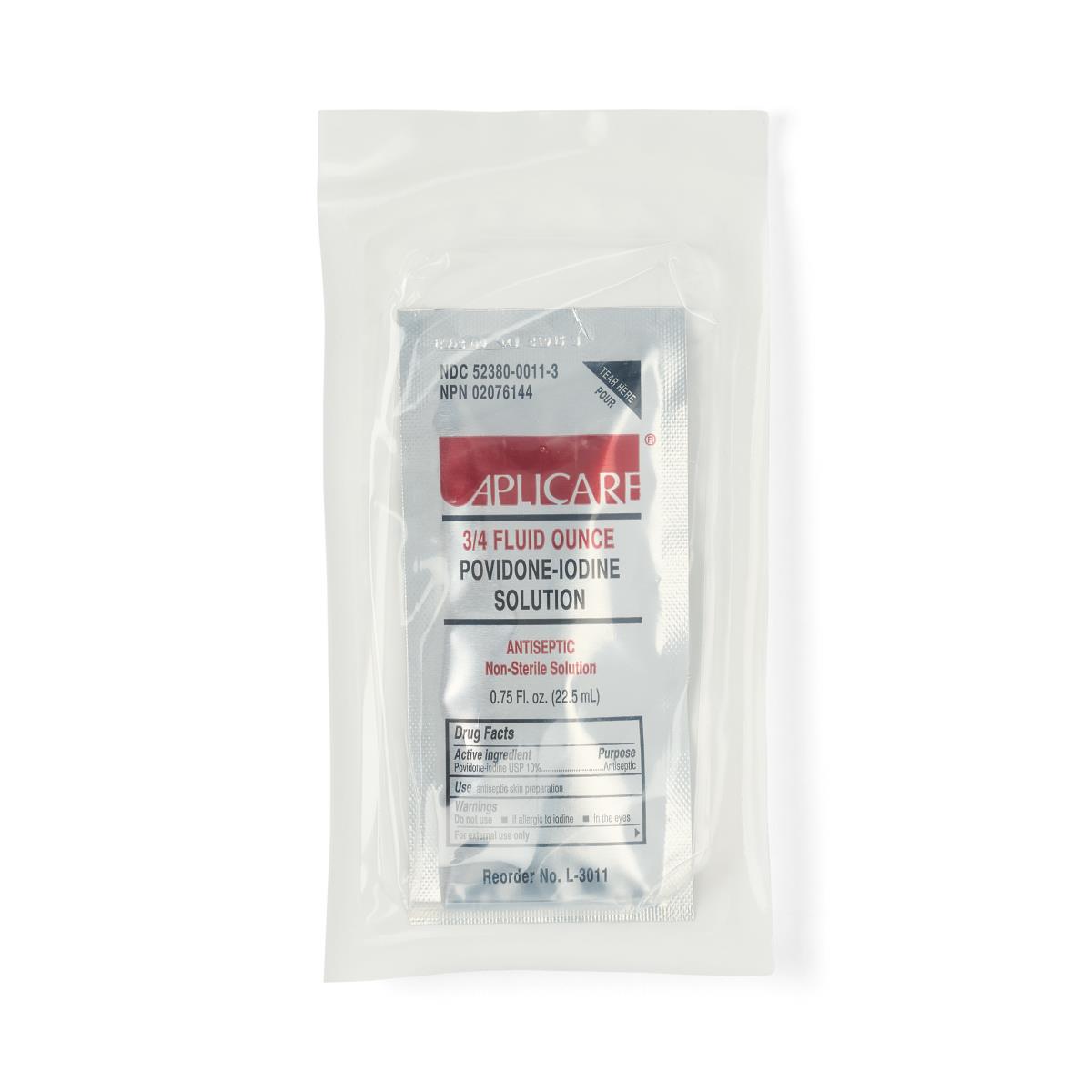
Povidone Iodine Solution: A Comprehensive Medical SEO Guide
Povidone Iodine (PVP-I) solution stands as a cornerstone in modern antisepsis, widely recognized for its broad-spectrum antimicrobial efficacy. As an expert medical SEO copywriter and orthopedic specialist, this guide delves into the intricate details of this essential compound, covering its mechanism, clinical applications, safety profile, and more. From critical surgical preparations to everyday wound care, understanding PVP-I is paramount for healthcare professionals and patients alike.
Comprehensive Introduction & Overview
Povidone Iodine is an antiseptic agent used extensively across various medical disciplines to prevent and treat infections. It is a complex of polyvinylpyrrolidone (PVP) and elemental iodine, where the povidone acts as a carrier, allowing for a sustained release of iodine. This formulation significantly reduces the toxicity and irritation associated with elemental iodine while maintaining its potent microbicidal properties.
Discovered in 1955, PVP-I quickly gained prominence due to its broad-spectrum activity against bacteria, viruses, fungi, protozoa, and spores. Its applications range from pre-operative skin disinfection and wound management to mucosal antisepsis and emergency first aid. For orthopedic surgeons, in particular, PVP-I is an indispensable tool in the fight against Surgical Site Infections (SSIs), a critical complication in musculoskeletal procedures.
Key Characteristics of Povidone Iodine:
- Broad-Spectrum Efficacy: Active against a wide range of pathogens.
- Rapid Action: Kills microbes quickly upon contact.
- Sustained Release: Povidone carrier allows for prolonged antiseptic action.
- Reduced Irritation: Less caustic and staining compared to elemental iodine.
- Visible Application: Typically a reddish-brown color, indicating application area.
Deep-dive into Technical Specifications / Mechanisms
Understanding how Povidone Iodine works is crucial for appreciating its clinical utility and safety considerations.
Mechanism of Action
The antimicrobial action of Povidone Iodine is primarily attributed to the gradual release of free iodine from the PVP-I complex when it comes into contact with skin or mucous membranes. This free iodine is a potent oxidizing agent that exerts its effect through several mechanisms:
- Cell Wall Disruption: Iodine rapidly penetrates microbial cell walls and membranes, leading to their structural damage and loss of integrity.
- Protein Denaturation: It oxidizes and iodinates critical proteins, enzymes, and amino acids within the microbial cells, altering their three-dimensional structure and rendering them non-functional. This includes enzymes essential for metabolism, respiration, and replication.
- Nucleic Acid Interference: Iodine can also interact with nucleic acids (DNA and RNA), interfering with genetic transcription and replication, thereby inhibiting microbial proliferation.
This non-specific, multi-target mechanism makes it highly effective against a broad spectrum of microorganisms and significantly reduces the likelihood of microbial resistance development, a growing concern with antibiotic use.
Pharmacokinetics
The pharmacokinetic profile of Povidone Iodine is important, especially concerning systemic absorption and potential effects on the thyroid gland.
- Absorption:
- Intact Skin: Minimal systemic absorption occurs through healthy, unbroken skin.
- Denuded Skin/Mucous Membranes: Absorption is significantly increased when applied to large areas of compromised skin (e.g., burns, extensive wounds), mucous membranes (e.g., vaginal, oral), or intravenously (in rare cases of irrigation).
- Neonate Skin: Due to immature skin barrier function, neonates, especially premature infants, have a higher risk of systemic absorption.
- Distribution: Once absorbed, free iodine is distributed throughout the body. A significant portion of absorbed iodide is taken up by the thyroid gland, where it is utilized in the synthesis of thyroid hormones (T3 and T4).
- Metabolism: Free iodine that is not incorporated into thyroid hormones or excreted is primarily metabolized in the liver, though this is less significant than direct thyroid uptake.
- Excretion: The majority of absorbed iodine, particularly iodide, is excreted unchanged by the kidneys. Renal function therefore plays a critical role in the clearance of absorbed iodine.
- Half-life: The systemic half-life of absorbed iodine can vary, but typically ranges from several hours to a few days, depending on renal function and the extent of absorption.
Summary of Pharmacokinetics:
| Parameter | Description | Clinical Relevance |
|---|---|---|
| Absorption | Minimal through intact skin; increased through damaged skin/mucosa. | Risk of systemic effects (e.g., thyroid dysfunction) rises with large surface area application or compromised skin. |
| Distribution | Distributed systemically, with significant uptake by the thyroid gland. | Direct impact on thyroid hormone synthesis. |
| Metabolism | Minor hepatic metabolism; primarily by thyroid gland for hormone synthesis. | Thyroid is the primary metabolic site for iodine. |
| Excretion | Primarily renal. | Impaired renal function can lead to iodine accumulation and increased systemic exposure. |
Extensive Clinical Indications & Usage
Povidone Iodine's versatility makes it invaluable across a vast array of medical applications.
Orthopedic Applications
As an orthopedic specialist, I can attest to the critical role PVP-I plays in preventing and managing infections in musculoskeletal settings.
- Pre-operative Skin Preparation: This is arguably its most crucial orthopedic application. Thorough skin antisepsis with PVP-I before incision significantly reduces the bacterial load on the skin, thereby lowering the risk of Surgical Site Infections (SSIs) in procedures like total joint replacements, fracture repairs, and spinal surgeries. It is typically applied to the surgical site and allowed to dry for a specified contact time (e.g., 2-5 minutes) to ensure maximum efficacy.
- Intraoperative Irrigation: Diluted Povidone Iodine solutions (e.g., 0.35% to 1%) are sometimes used for wound lavage during surgery, particularly in cases of contaminated wounds (e.g., open fractures, traumatic injuries) or suspected joint infections. While its use in sterile fields is debated, its role in contaminated situations is often considered beneficial to reduce bacterial burden before closure.
- Post-operative Wound Care: For superficial surgical wounds or dressing changes, topical application of PVP-I can aid in maintaining a clean environment, especially in the initial post-operative period.
- Management of Superficial Skin Infections: Abrasions, cuts, or minor skin infections around orthopedic hardware can be managed with topical PVP-I to prevent progression.
General Surgical & Medical Indications
Beyond orthopedics, Povidone Iodine is a staple in various other medical fields:
- Wound Disinfection:
- Minor Cuts and Abrasions: First-aid treatment to prevent infection.
- Burns: Superficial burns to prevent bacterial colonization.
- Ulcers: Decubitus ulcers, diabetic foot ulcers, venous stasis ulcers (under medical supervision).
- Dermatological Conditions: Pyoderma, impetigo, folliculitis, and some fungal skin infections.
- Mucosal Antisepsis:
- Vaginal Douching: For specific infections (e.g., vaginitis) or pre-operative gynecological procedures.
- Oral Hygiene: As a gargle or mouthwash for gingivitis, stomatitis, or before dental procedures (diluted solutions).
- Catheter Site Disinfection: Preparation of skin before insertion of central venous catheters, urinary catheters, and peripheral IV lines to reduce catheter-related bloodstream infections.
- Emergency First Aid: Readily available in emergency kits for immediate wound cleaning after injuries.
Dosage Guidelines and Administration
Povidone Iodine is available in various formulations, including solutions, scrubs, ointments, and sprays. The most common solution concentration is 10% (equivalent to 1% available iodine).
General Administration Guidelines:
- Skin Preparation (Pre-operative):
- Apply undiluted 10% Povidone Iodine solution or scrub to the surgical site.
- Rub thoroughly for 2-5 minutes, ensuring complete coverage.
- Allow to air dry completely to maximize antiseptic effect. Do not blot or wipe off.
- In some protocols, a second application may be recommended.
- Wound Disinfection:
- For minor cuts and abrasions, apply undiluted 10% solution directly to the affected area.
- For larger wounds or ulcers, follow healthcare provider's instructions, which may involve diluted solutions (e.g., 0.35% to 1%) for irrigation or compresses.
- Apply 1-3 times daily, or as directed.
- Mucosal Application (e.g., Vaginal):
- Use specific formulations (e.g., douches) as directed by a healthcare professional.
- Often involves diluted solutions.
- Oral Rinse/Gargle:
- Dilute 10% solution (e.g., 1 part PVP-I to 9 parts water, yielding 1% PVP-I) as per product instructions or dental professional advice.
- Gargle for 30 seconds and spit out. Do not swallow.
Important Considerations:
- Contact Time: Adequate contact time is essential for optimal microbicidal activity.
- Drying: For skin prep, allowing the solution to dry completely enhances its efficacy and helps prevent pooling, which can cause skin irritation.
- Avoid Pooling: Do not allow Povidone Iodine to pool under the patient during surgery, as this can lead to skin burns or irritation.
- Sterile Technique: Always use aseptic technique when applying PVP-I to open wounds or during surgical procedures.
Risks, Side Effects, or Contraindications
While generally safe and effective, Povidone Iodine is not without potential risks and contraindications.
Contraindications
- Known Hypersensitivity/Allergy: Individuals with a documented allergy to iodine or povidone should avoid PVP-I. Reactions can range from mild skin irritation to severe anaphylaxis.
- Thyroid Disorders:
- Hyperthyroidism: Use is contraindicated due to the risk of exacerbating the condition from absorbed iodine.
- Goiter/Thyroid Adenoma: Caution is advised as iodine absorption can induce hyperthyroidism or worsen existing conditions.
- Nephropathy/Renal Impairment: Patients with compromised kidney function may have difficulty excreting absorbed iodine, leading to accumulation and potential systemic toxicity.
- Newborns and Infants (especially Premature): Due to immature thyroid function and greater skin absorption, PVP-I is generally contraindicated or used with extreme caution in this population, as it can induce hypothyroidism.
- Concurrent Lithium Therapy: The combination can increase the risk of hypothyroidism.
- Deep Puncture Wounds, Animal Bites, Serious Burns: These conditions require immediate medical evaluation, and PVP-I alone may not be sufficient or appropriate.
- Prior to Radioiodine Scintigraphy or Therapy: Iodine exposure can interfere with diagnostic tests or treatments involving radioactive iodine.
Side Effects
Most side effects are localized and mild, but systemic effects can occur with extensive use or in susceptible individuals.
- Local Reactions:
- Skin irritation, redness (erythema), itching (pruritus), burning sensation at the application site.
- Contact dermatitis.
- Temporary staining of skin and clothing (can be washed off).
- Allergic Reactions (Rare):
- Rash, hives (urticaria), swelling (angioedema).
- Anaphylaxis (extremely rare but life-threatening).
- Systemic Effects (Rare, typically with extensive absorption):
- Thyroid Dysfunction: Hypothyroidism (especially in neonates, pregnant women, or those with underlying thyroid conditions) or hyperthyroidism (iodine-induced hyperthyroidism, Jod-Basedow phenomenon).
- Metabolic Acidosis.
- Renal Impairment: Acute kidney injury in severe cases of systemic toxicity.
- Electrolyte Disturbances: Hypernatremia.
- Iodism: Symptoms include metallic taste, increased salivation, painful swelling of salivary glands, gastrointestinal upset, skin lesions, and ocular irritation.
Drug Interactions
Care should be taken when using Povidone Iodine concurrently with certain other medications or compounds.
- Lithium: The combination can synergistically increase the risk of developing hypothyroidism.
- Mercury-Containing Compounds: Concomitant use with mercurial antiseptics can lead to the formation of caustic mercury iodide, which is irritating and potentially toxic. Avoid simultaneous application.
- Other Antiseptics/Disinfectants: While not strictly a drug interaction, using PVP-I immediately after or with other strong oxidizing agents (e.g., hydrogen peroxide) or some chlorhexidine formulations may reduce the efficacy of one or both agents or cause increased skin irritation.
- Enzyme-Based Wound Care Products: Iodine can inactivate enzymes, so avoid using PVP-I simultaneously with enzymatic debriding agents.
Pregnancy and Lactation Warnings
- Pregnancy: Povidone Iodine is generally classified as Pregnancy Category D in some extensive or prolonged uses, meaning there is evidence of fetal risk. Absorbed iodine can cross the placenta and potentially affect fetal thyroid function, leading to fetal hypothyroidism or goiter. It should be used during pregnancy only if the potential benefit justifies the potential risk to the fetus, and under strict medical supervision. Avoid prolonged or extensive application.
- Lactation: Iodine is excreted in breast milk. Extensive use of PVP-I in breastfeeding mothers can lead to absorption and subsequent excretion of iodine into breast milk, potentially causing hypothyroidism in the nursing infant. Therefore, it is generally advised to avoid or use PVP-I with extreme caution in breastfeeding women.
Overdose Management
Systemic overdose or toxicity from Povidone Iodine is rare and typically occurs only with massive absorption, accidental ingestion, or in highly susceptible individuals.
- Symptoms of Overdose (Iodism/Systemic Iodine Toxicity):
- Metallic taste in mouth.
- Increased salivation, burning sensation in mouth and throat.
- Gastrointestinal upset: Nausea, vomiting, diarrhea, abdominal pain.
- Skin manifestations: Acneiform rash, urticaria.
- Ocular irritation, conjunctivitis.
- Headache, fever.
- Thyroid dysfunction (hypo- or hyperthyroidism).
- In severe cases: Metabolic acidosis, renal failure, circulatory collapse, pulmonary edema.
- Treatment:
- Discontinue Use: Immediately stop all Povidone Iodine application.
- Supportive Care: Treatment is primarily symptomatic and supportive.
- Gastric Lavage: If ingested, consider gastric lavage if presentation is early and the patient is stable.
- Fluid and Electrolyte Management: Administer intravenous fluids to maintain hydration and correct electrolyte imbalances.
- Renal Function Monitoring: Closely monitor kidney function. Hemodialysis may be considered in severe renal impairment or refractory toxicity.
- Thyroid Function Monitoring: Regularly assess thyroid hormone levels and manage any induced thyroid dysfunction.
- Antihistamines/Corticosteroids: For allergic reactions or severe skin manifestations.
- Observation: Close monitoring for systemic complications.
Massive FAQ Section
Here are answers to some of the most frequently asked questions about Povidone Iodine Solution:
1. What is Povidone Iodine Solution used for?
Povidone Iodine Solution is a broad-spectrum antiseptic used for disinfecting skin before surgery, treating and preventing infections in minor cuts, abrasions, and burns, and for antiseptic procedures on mucous membranes. In orthopedics, it's vital for pre-operative skin preparation and sometimes intraoperative wound irrigation.
2. Is Povidone Iodine the same as Betadine?
Yes, Betadine is a well-known brand name for Povidone Iodine. While "Betadine" is a specific brand, "Povidone Iodine" is the active ingredient found in Betadine and many other generic or branded antiseptic products.
3. How long does Povidone Iodine take to work?
Povidone Iodine acts rapidly. Its microbicidal effect begins within seconds to a few minutes of application, with sustained activity due to the slow release of free iodine. For pre-operative skin prep, it's typically allowed to dry for 2-5 minutes to ensure optimal efficacy.
4. Can I use Povidone Iodine on open wounds?
Yes, Povidone Iodine can be used on minor open wounds like cuts, scrapes, and superficial burns to prevent infection. However, for deep puncture wounds, animal bites, serious burns, or extensive wounds, it's crucial to seek medical advice before use. Diluted solutions may be preferred for larger or more sensitive wounds to minimize irritation.
5. Is Povidone Iodine safe for all skin types?
Povidone Iodine is generally safe for most skin types. However, individuals with sensitive skin may experience mild irritation, redness, or a burning sensation. Those with known allergies to iodine or povidone should avoid it entirely. Always perform a patch test on a small area if you have sensitive skin.
6. Can Povidone Iodine cause a rash?
Yes, Povidone Iodine can cause localized skin irritation, redness, or contact dermatitis, which may appear as a rash. In rare cases, more severe allergic reactions like hives or generalized rashes can occur. If a rash develops, discontinue use and consult a healthcare professional.
7. What are the signs of an allergic reaction to Povidone Iodine?
Signs of an allergic reaction can include skin rash, hives (itchy welts), swelling (especially of the face, lips, or tongue), severe itching, dizziness, and difficulty breathing. Anaphylaxis is a rare but severe allergic reaction requiring immediate medical attention.
8. Can Povidone Iodine be used during pregnancy?
Povidone Iodine should be used with caution and only if clearly needed during pregnancy, under medical supervision. Extensive or prolonged use can lead to significant iodine absorption, potentially affecting the fetal thyroid gland and causing fetal hypothyroidism or goiter.
9. How should Povidone Iodine be stored?
Povidone Iodine solutions should be stored at room temperature, away from direct sunlight and excessive heat. Keep the container tightly closed and out of reach of children. Do not freeze.
10. Is Povidone Iodine effective against viruses?
Yes, Povidone Iodine is a broad-spectrum antiseptic that is effective against a wide range of microorganisms, including bacteria, fungi, protozoa, and many viruses (e.g., influenza virus, herpes simplex virus, adenovirus, rotavirus, and coronaviruses).
11. What is the difference between Povidone Iodine and rubbing alcohol?
Both are antiseptics, but they work differently. Rubbing alcohol (isopropyl alcohol) primarily denatures proteins and dissolves lipids, offering rapid but short-lived action against bacteria and some viruses. Povidone Iodine releases free iodine, which oxidizes microbial components, providing broader and more sustained antimicrobial activity. PVP-I also tends to be less drying and irritating than alcohol for repeated use on skin.
12. Can Povidone Iodine stain clothes?
Yes, Povidone Iodine can cause temporary brown stains on skin and clothing. While skin stains typically wash off, clothing stains can be more persistent. It's advisable to protect clothing during application.