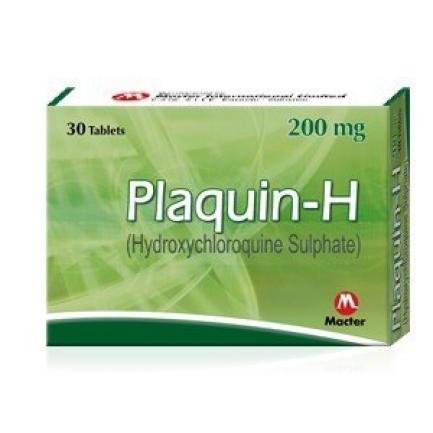
Plaquin: An Exhaustive Medical SEO Guide for Healthcare Professionals and Patients
1. Comprehensive Introduction & Overview
Plaquin is a potent immunomodulatory and anti-inflammatory medication frequently prescribed for a range of autoimmune diseases. As an expert medical SEO copywriter and orthopedic specialist, this guide aims to provide an exhaustive, authoritative, and accessible resource on Plaquin, detailing its scientific underpinnings, clinical applications, safety profile, and management considerations. While not directly an orthopedic drug, Plaquin's role in managing systemic inflammatory conditions such as rheumatoid arthritis and systemic lupus erythematosus significantly impacts musculoskeletal health and patient quality of life, making it highly relevant to the broader orthopedic and rheumatologic landscape.
Originally recognized for its antimalarial properties, Plaquin has since been repurposed due to its remarkable efficacy in modulating the immune system, reducing inflammation, and preventing disease progression in chronic autoimmune disorders. Its unique mechanism of action allows for long-term management with a generally favorable safety profile when used appropriately and monitored diligently. This guide will delve into every critical aspect of Plaquin, from its molecular interactions to practical dosing strategies and comprehensive safety information.
2. Deep-Dive into Technical Specifications / Mechanisms
2.1. Mechanism of Action
Plaquin (hydroxychloroquine sulfate) exerts its therapeutic effects through a multifaceted and complex mechanism, primarily by interfering with lysosomal function within various immune cells, notably antigen-presenting cells (APCs). The key actions include:
- Lysosomal pH Elevation: Plaquin is a weak base that concentrates in cellular lysosomes, increasing their intralysosomal pH. This elevation disrupts the activity of pH-dependent lysosomal enzymes, including proteases, which are essential for the processing of autoantigens. By inhibiting autoantigen processing, Plaquin reduces the presentation of these antigens to T-lymphocytes, thereby dampening autoreactive T-cell activation and proliferation.
- Modulation of Toll-like Receptor (TLR) Signaling: Plaquin has been shown to interfere with the signaling pathways of endosomal Toll-like receptors, specifically TLR7 and TLR9. These TLRs are crucial in recognizing nucleic acid immune complexes (e.g., DNA, RNA) and initiating inflammatory responses, particularly in diseases like systemic lupus erythematosus. By inhibiting TLR activation, Plaquin reduces the production of pro-inflammatory cytokines and interferons.
- Anti-inflammatory Cytokine Modulation: It modulates the production and release of various cytokines. It typically decreases pro-inflammatory cytokines such as Tumor Necrosis Factor-alpha (TNF-α), Interleukin-1 (IL-1), Interleukin-6 (IL-6), and Interleukin-17 (IL-17). Conversely, it may promote the production of anti-inflammatory mediators.
- Enzyme Inhibition: Plaquin can inhibit various enzymes involved in inflammation and immune cell function, including phospholipase A2.
- Antioxidant Properties: Some studies suggest Plaquin may possess antioxidant properties, contributing to its overall anti-inflammatory effects.
- Reduced Chemotaxis: It can also reduce the chemotaxis (movement) of leukocytes and the release of enzymes from lysosomes, further attenuating inflammatory responses.
These combined actions result in significant immunosuppressive and anti-inflammatory effects, making Plaquin highly effective in managing chronic autoimmune conditions by interrupting key pathogenic pathways.
2.2. Pharmacokinetics
Plaquin exhibits unique pharmacokinetic properties that contribute to its prolonged therapeutic effects and require careful consideration during dosing and monitoring.
| Parameter | Description |
|---|---|
| Absorption | Readily absorbed from the gastrointestinal tract following oral administration. Bioavailability can vary but is generally high. Peak plasma concentrations are typically reached within 2 to 4 hours. Food can enhance absorption. |
| Distribution | Extensively distributed throughout the body, with a large volume of distribution. It preferentially accumulates in highly pigmented tissues such as the retina, skin, liver, kidneys, lungs, and spleen. This tissue binding contributes to its prolonged elimination. |
| Metabolism | Primarily metabolized in the liver via cytochrome P450 enzymes, particularly CYP2D6, into several active metabolites (e.g., desethylchloroquine, desethylhydroxychloroquine) and inactive metabolites. Genetic variations in CYP2D6 activity can influence metabolism. |
| Elimination | Elimination is slow due to extensive tissue binding. The terminal elimination half-life is long, ranging from several days to weeks (typically 32-50 days). Excretion is predominantly renal (approximately 50% unchanged drug), with a smaller proportion eliminated through biliary routes. |
| Steady State | Due to its prolonged half-life and extensive tissue distribution, steady-state plasma concentrations may take several weeks to months to achieve (typically 4-6 months). Therapeutic effects may also take several weeks to manifest. |
3. Extensive Clinical Indications & Usage
Plaquin is indicated for the treatment of various autoimmune and inflammatory conditions, often as a long-term therapy.
3.1. Detailed Indications
- Rheumatoid Arthritis (RA): Plaquin is a cornerstone disease-modifying antirheumatic drug (DMARD) used in the treatment of active, chronic rheumatoid arthritis. It helps reduce joint inflammation, pain, and swelling, and can slow disease progression, particularly in early or mild-to-moderate RA. It is often used in combination with other DMARDs.
- Systemic Lupus Erythematosus (SLE): Plaquin is considered a foundational therapy for most patients with SLE. It is effective in managing cutaneous manifestations (skin rashes), arthralgias, fatigue, and serositis. It has also been shown to reduce disease flares, decrease cumulative organ damage, and improve survival in SLE patients.
- Discoid Lupus Erythematosus (DLE): Specifically indicated for the chronic cutaneous form of lupus, Plaquin helps control skin lesions and prevent scarring.
- Sjögren's Syndrome: While not a primary treatment, Plaquin may be used off-label to help manage some systemic symptoms, such as arthralgias and fatigue, in patients with Sjögren's syndrome.
- Psoriatic Arthritis: In some cases, Plaquin may be used as an adjunct therapy for psoriatic arthritis, particularly when skin involvement is prominent or other DMARDs are contraindicated.
- Juvenile Idiopathic Arthritis (JIA): In specific subtypes of JIA, Plaquin may be considered, especially for polyarticular forms.
- Malaria Prophylaxis and Treatment: Historically, and still in some regions, Plaquin is used for the prophylaxis and acute treatment of uncomplicated malaria caused by Plasmodium vivax, P. ovale, and sensitive strains of P. malariae and P. falciparum. However, resistance is widespread.
3.2. Dosage Guidelines
Dosage of Plaquin must be individualized based on the patient's weight, specific indication, disease activity, and renal/hepatic function. It is crucial to use the lowest effective dose to minimize the risk of adverse effects, particularly retinopathy.
-
General Dosing Principles:
- Administer with food or milk to minimize gastrointestinal upset.
- Doses are typically expressed as the sulfate salt.
- Long-term therapy often requires regular monitoring.
-
Adult Dosing for Autoimmune Conditions (e.g., RA, SLE):
- Initial Dose: Typically 200 mg to 400 mg daily, divided into one or two doses.
- Maintenance Dose: The lowest effective dose, often 200 mg daily or 200 mg every other day.
- Maximum Daily Dose: Should not exceed 5 mg/kg actual body weight per day (or 400 mg daily, whichever is lower, for most adults) to minimize the risk of retinopathy. For patients with a BMI > 30, ideal body weight may be considered.
- Duration: Therapeutic effects may take 6 weeks to 6 months to become apparent. Treatment is often long-term.
-
Pediatric Dosing for JIA/SLE:
- Maximum Daily Dose: Should not exceed 6.5 mg/kg ideal body weight per day.
- Typical Dose: Often 3-5 mg/kg per day, adjusted based on response and tolerability.
-
Malaria Prophylaxis:
- Adults: 400 mg once weekly, starting 1-2 weeks before exposure, continuing during exposure, and for 4 weeks after leaving the endemic area.
- Children: 6.5 mg/kg (up to 400 mg) once weekly.
-
Malaria Treatment:
- Adults (uncomplicated): Initial dose of 800 mg, followed by 400 mg 6 hours later, then 400 mg daily for 2 days (total 2000 mg over 3 days).
- Children: Initial dose of 13 mg/kg (up to 800 mg), followed by 6.5 mg/kg (up to 400 mg) 6 hours later, then 6.5 mg/kg daily for 2 days.
-
Renal/Hepatic Impairment: Dose adjustments may be necessary in patients with significant renal or hepatic dysfunction due to impaired drug clearance. Close monitoring is essential.
4. Risks, Side Effects, and Contraindications
While generally well-tolerated, Plaquin carries potential risks and side effects, and specific contraindications must be observed.
4.1. Common Side Effects
| System/Category | Common Side Effects (incidence > 1%) Ocular Toxicity (Retinopathy): This is the most serious side effect and is dose- and duration-dependent. It can lead to irreversible vision loss. Regular ophthalmologic screening is mandatory for all patients on Plaquin.
* Gastrointestinal: Nausea, vomiting, diarrhea, abdominal cramps, anorexia. These are usually mild and transient and can often be mitigated by taking the medication with food.
* Dermatologic: Skin rash, pruritus (itching), hair loss (alopecia), skin hyperpigmentation (bluish-black discoloration), photosensitivity. Stevens-Johnson syndrome and toxic epidermal necrolysis are rare but severe.
* Neurologic: Headache, dizziness, vertigo, tinnitus, nervousness, irritability, emotional lability, convulsions (rare), peripheral neuropathy (rare).
* Hematologic: Bone marrow suppression (agranulocytosis, aplastic anemia, leukopenia, thrombocytopenia) is rare but serious. Regular blood count monitoring is recommended.
* Cardiovascular: Cardiomyopathy (rare, but potentially fatal), QT interval prolongation, Torsades de Pointes (very rare). Patients with pre-existing cardiac conditions or those on other QT-prolonging drugs are at higher risk.
* Otic/Auditory: Tinnitus, hearing loss (sensorineural deafness, rare).
* Musculoskeletal: Myopathy, proximal muscle weakness.
* Hepatic: Liver enzyme elevations, hepatic failure (rare).
* Hypersensitivity Reactions: Urticaria, angioedema, bronchospasm, anaphylaxis (rare).
* Psychiatric: Psychosis, hallucinations, depression, suicidal thoughts (rare).
4.2. Contraindications
Plaquin is contraindicated in patients with:
- Hypersensitivity: Known hypersensitivity to hydroxychloroquine, chloroquine, or any component of the formulation.
- Pre-existing Retinopathy: Patients with pre-existing maculopathy or any retinal changes, as Plaquin can exacerbate these conditions and lead to irreversible vision loss.
- Porphyria: Plaquin can precipitate or worsen acute attacks of porphyria.
- G6PD Deficiency: While not an absolute contraindication, caution is advised as it may induce hemolysis in patients with glucose-6-phosphate dehydrogenase deficiency.
- Long-term use in children: Long-term use in children is generally contraindicated due to increased risk of toxicity relative to body weight, except for approved indications and under strict supervision.
4.3. Drug Interactions
Plaquin can interact with several medications, potentially altering its efficacy or increasing the risk of adverse effects.
| Interacting Drug/Class | Potential Interaction