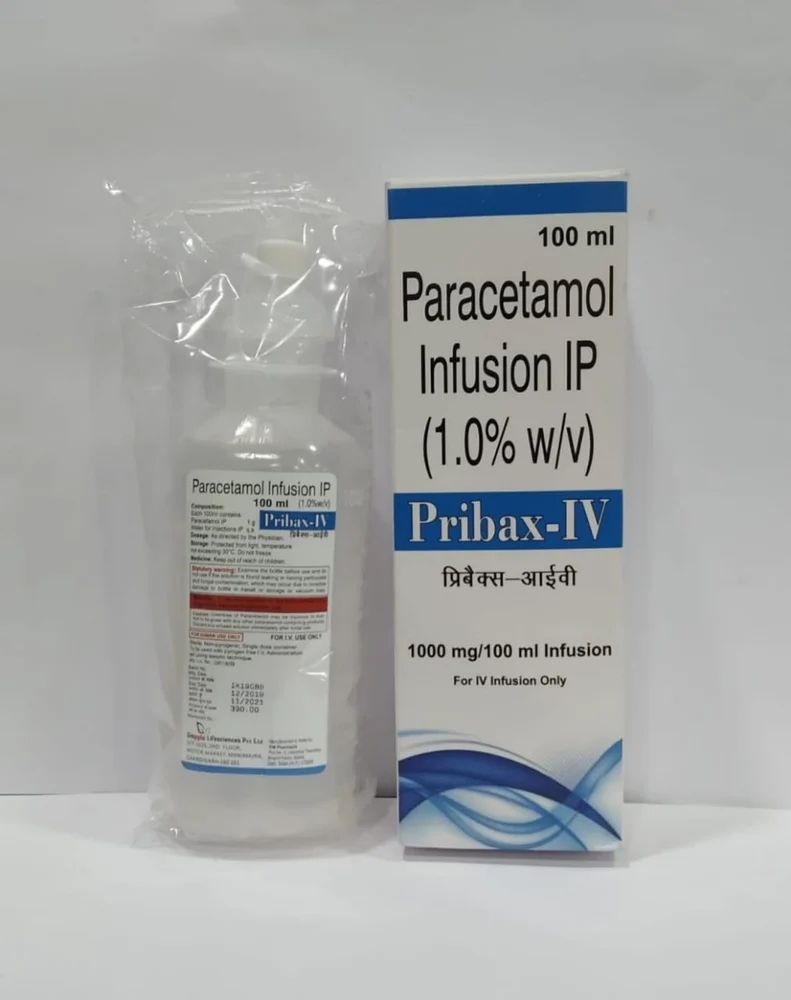
Comprehensive Introduction & Overview
Paracetamol, also widely known as acetaminophen in North America, is one of the most commonly used analgesic and antipyretic agents globally. While its oral formulations are ubiquitous, the intravenous (IV) formulation of paracetamol offers a critical alternative, particularly in acute care settings where rapid onset of action and reliable systemic delivery are paramount. Developed to bypass the gastrointestinal tract, IV paracetamol ensures 100% bioavailability, making it an invaluable tool for managing moderate to severe pain and fever, especially when oral administration is not feasible or desirable.
As an expert Medical SEO Copywriter and Orthopedic Specialist, I frequently encounter scenarios where effective pain management is crucial for patient recovery and mobility, particularly in post-operative orthopedics. IV paracetamol plays a significant role in multimodal analgesia strategies, aiming to reduce reliance on opioids while providing robust pain relief. Its favorable side effect profile, lack of significant anti-inflammatory action (which can be beneficial post-surgery), and broad applicability make it a cornerstone of modern acute pain management protocols. This comprehensive guide will delve into the intricate details of Paracetamol IV Infusion, from its fundamental mechanisms to its clinical applications and safety considerations.
Deep-dive into Technical Specifications & Mechanisms
Understanding how IV paracetamol works is key to appreciating its therapeutic benefits and potential limitations. Unlike NSAIDs, paracetamol does not exert significant peripheral anti-inflammatory effects, which contributes to its lower risk of gastrointestinal and renal side effects.
Mechanism of Action
The precise mechanism of action for paracetamol is complex and not fully elucidated, but it is generally understood to be centrally mediated, primarily within the central nervous system (CNS). Key proposed mechanisms include:
- Central Cyclooxygenase (COX) Inhibition: Paracetamol is thought to selectively inhibit COX enzymes, particularly COX-2 and potentially a putative COX-3 isoform, within the brain and spinal cord. This central inhibition reduces prostaglandin synthesis, leading to its analgesic and antipyretic effects without affecting peripheral COX activity significantly.
- Modulation of Serotonergic Pathways: Evidence suggests paracetamol may activate descending serotonergic pathways, which play a role in pain modulation.
- Endocannabinoid System Interaction: Some research indicates paracetamol metabolites (e.g., AM404) may interact with the endocannabinoid system, contributing to its analgesic effects.
- Nitric Oxide Pathway Modulation: Paracetamol may interfere with the nitric oxide pathway, influencing pain signaling.
- Antioxidant Properties: Its ability to reduce oxidative stress in the CNS might also play a role in its therapeutic action.
Pharmacokinetics
The intravenous route of administration provides distinct pharmacokinetic advantages, ensuring rapid and predictable drug levels.
- Absorption: As an IV infusion, paracetamol bypasses the absorption phase, achieving complete (100%) bioavailability directly into the systemic circulation. This results in peak plasma concentrations much faster than oral formulations.
- Distribution:
- Rapidly distributed throughout most body tissues, including the brain, spinal fluid, and breast milk.
- Volume of distribution is approximately 1 L/kg in adults.
- Protein binding is relatively low (10-25%).
- Metabolism:
- Primarily metabolized in the liver via three main pathways:
- Glucuronidation (45-55%): Forms non-toxic paracetamol glucuronide.
- Sulfation (25-35%): Forms non-toxic paracetamol sulfate.
- Cytochrome P450 Pathway (CYP2E1, <5%): Oxidized to a highly reactive, toxic intermediate, N-acetyl-p-benzoquinone imine (NAPQI).
- NAPQI is rapidly detoxified by conjugation with glutathione. In overdose situations, glutathione stores become depleted, leading to NAPQI accumulation and hepatocyte damage.
- Primarily metabolized in the liver via three main pathways:
- Excretion:
- Mainly via the kidneys, with metabolites excreted in urine.
- Less than 5% is excreted unchanged.
- Half-life:
- Plasma elimination half-life is typically 2-3 hours in adults with normal liver function.
- Can be prolonged in neonates, patients with severe liver dysfunction, and elderly individuals.
Key Pharmacokinetic Differences (IV vs. Oral)
| Feature | Oral Paracetamol | IV Paracetamol |
|---|---|---|
| Bioavailability | 60-90% (variable due to first-pass metabolism) | 100% (direct systemic delivery) |
| Onset of Action | 30-60 minutes | 5-10 minutes (analgesia), 30 minutes (antipyresis) |
| Peak Plasma Conc. | 1-2 hours | 15-30 minutes |
| Cmax (Peak Conc.) | Lower and delayed | Higher and faster |
| Bypass GI Tract | No | Yes (advantageous in nausea/vomiting, malabsorption) |
Extensive Clinical Indications & Usage
IV paracetamol has become an indispensable agent in various clinical settings due to its rapid action, favorable safety profile, and efficacy in managing pain and fever.
Detailed Indications
- Acute Pain Management:
- Post-operative Pain: A cornerstone of multimodal analgesia after a wide range of surgical procedures, including orthopedic surgeries (e.g., joint replacements, spinal surgery, fracture repair), abdominal surgery, and gynecological procedures. It helps reduce opioid requirements and associated side effects.
- Acute Musculoskeletal Pain: Effective for conditions like sprains, strains, acute back pain, and other forms of somatic pain where a rapid analgesic effect is needed.
- Traumatic Pain: Useful in the initial management of pain following injuries, often in conjunction with other analgesics.
- Headaches: For acute management of severe headaches, including migraines, especially in patients unable to tolerate oral medication.
- Renal Colic: Can be used as part of a pain management regimen.
- Fever Management (Antipyresis):
- Post-operative Fever: Rapidly reduces elevated body temperature following surgery.
- Infectious Diseases: Effective in managing fever associated with various infections (e.g., sepsis, pneumonia, influenza) when oral intake is compromised.
- Post-Vaccination Fever: Useful for symptomatic relief.
- Patients Unable to Take Oral Medications:
- Patients with nausea, vomiting, dysphagia (difficulty swallowing), or those who are nil per os (NPO) due to surgical preparation or medical conditions.
- Patients with gastrointestinal malabsorption issues.
- Opioid-Sparing Strategy:
- By providing effective baseline analgesia, IV paracetamol helps to lower the doses of opioids required, thereby reducing opioid-related side effects such as respiratory depression, sedation, constipation, nausea, and pruritus. This is particularly beneficial in orthopedic recovery, promoting earlier mobilization.
- Adjunctive Therapy:
- Often used in combination with NSAIDs, opioids, or local anesthetics as part of a comprehensive pain management plan, enhancing overall analgesia without increasing the risk of NSAID-related complications.
Dosage Guidelines
Dosage must be carefully considered based on patient weight, age, and renal/hepatic function to ensure efficacy and prevent toxicity.
Adults and Adolescents (≥50 kg)
- Standard Dose: 1000 mg (1 g) infused over 15 minutes every 6 hours.
- Maximum Daily Dose: 4000 mg (4 g) in 24 hours.
- Minimum Dosing Interval: 4 hours.
Adults and Adolescents (<50 kg)
- Standard Dose: 15 mg/kg infused over 15 minutes every 6 hours.
- Maximum Daily Dose: 75 mg/kg (up to 4 g) in 24 hours.
- Minimum Dosing Interval: 4 hours.
Pediatric Patients (Weight-based Dosing)
| Body Weight | Single Dose (infused over 15 mins) | Maximum Daily Dose (in 24 hours) | Minimum Dosing Interval |
|---|---|---|---|
| <10 kg | 7.5 mg/kg | 30 mg/kg | 6 hours |
| 10 kg to <33 kg | 15 mg/kg | 60 mg/kg (not to exceed 2 g) | 4 hours |
| 33 kg to <50 kg | 15 mg/kg | 75 mg/kg (not to exceed 3 g) | 4 hours |
| ≥50 kg | 1000 mg | 4000 mg | 4 hours |
Special Populations
- Renal Impairment:
- Creatinine clearance (CrCl) 30-50 mL/min: No dose adjustment needed, but monitor.
- CrCl <30 mL/min (severe impairment): Extend dosing interval to 6-8 hours.
- End-stage renal disease/dialysis: Extend dosing interval to 8 hours.
- Hepatic Impairment / Chronic Alcoholism / Malnutrition:
- Reduce daily dose to a maximum of 3000 mg (3 g) per 24 hours.
- Consider increasing the dosing interval.
- Closely monitor liver function tests.
- Elderly Patients:
- No specific dose adjustment typically required, but monitor for reduced renal/hepatic function and potential polypharmacy. Lower end of the dosing range may be appropriate.
Administration:
IV paracetamol is typically supplied as a sterile, pyrogen-free solution for infusion. It should be administered as a slow intravenous infusion over 15 minutes. Rapid infusion should be avoided. It is generally compatible with common IV solutions but should not be mixed with other drugs unless compatibility is confirmed.
Risks, Side Effects, & Contraindications
While generally well-tolerated, IV paracetamol carries specific risks and contraindications that healthcare providers must consider.
Contraindications
- Severe Hepatic Impairment or Active Liver Disease: Due to the risk of exacerbating liver damage, as paracetamol is primarily metabolized by the liver.
- Hypersensitivity: Known allergy or severe hypersensitivity reaction to paracetamol or any component of the formulation.
- G6PD Deficiency (Glucose-6-Phosphate Dehydrogenase Deficiency): While not an absolute contraindication, caution is advised as paracetamol can induce hemolytic anemia in severe cases.
Warnings & Precautions
- Hepatic Impairment (Mild to Moderate): Use with caution, reduce maximum daily dose, and monitor liver function closely.
- Renal Impairment: Adjust dosing interval as per guidelines to prevent accumulation.
- Chronic Alcoholism: Increases the risk of hepatotoxicity due to induction of CYP2E1, leading to increased NAPQI formation, and depletion of glutathione stores. Reduce maximum daily dose.
- Malnutrition/Low Body Weight: Patients with chronic malnutrition or very low body weight may have depleted glutathione stores, increasing the risk of toxicity.
- Dehydration: May increase the risk of renal toxicity.
- Elderly: Increased susceptibility to adverse effects due to potential age-related decline in organ function and polypharmacy.
- Concurrent Use of Other Paracetamol-Containing Products: Crucial to avoid exceeding the maximum daily dose from all sources (oral, IV, combination products) to prevent overdose.
Potential Side Effects
IV paracetamol is generally associated with a low incidence of adverse effects when administered at therapeutic doses.
- Common (≥1%):
- Nausea, vomiting
- Headache
- Insomnia
- Infusion site reactions (pain, redness, swelling)
- Uncommon (<1%):
- Hypotension (especially with rapid infusion)
- Malaise
- Pruritus (itching)
- Abnormal liver function tests (transient elevations)
- Rare but Serious:
- Hepatotoxicity: The most serious adverse effect, primarily occurring with overdose or in susceptible individuals at high therapeutic doses.
- Severe Skin Reactions: Stevens-Johnson syndrome (SJS), toxic epidermal necrolysis (TEN), acute generalized exanthematous pustulosis (AGEP). These are rare but potentially life-threatening. Discontinue immediately if skin rash appears.
- Anaphylaxis/Hypersensitivity Reactions: Rash, urticaria, bronchospasm, angiooedema, hypotension. Requires immediate medical attention.
- Blood Dyscrasias: Thrombocytopenia, leukopenia, neutropenia (extremely rare).
Drug Interactions
Careful consideration of concomitant medications is essential to prevent adverse interactions.
- Alcohol: Increases the risk of hepatotoxicity due to induction of CYP2E1 enzymes and depletion of glutathione.
- Warfarin and other Coumarin Anticoagulants: Long-term, high-dose paracetamol use can enhance the anticoagulant effect of warfarin, increasing the risk of bleeding. Monitor International Normalized Ratio (INR) closely.
- Enzyme Inducers (e.g., Phenobarbital, Phenytoin, Carbamazepine, Rifampin, St. John's Wort): These drugs can induce hepatic enzymes, increasing the formation of the toxic NAPQI metabolite, thus increasing the risk of hepatotoxicity.
- Probenecid: Reduces the clearance of paracetamol, potentially increasing its plasma concentration and extending its half-life. Dose reduction of paracetamol may be necessary.
- Zidovudine: Concurrent use may increase the risk of neutropenia.
- Chloramphenicol: Paracetamol may increase the plasma concentration of chloramphenicol.
Pregnancy & Lactation Warnings
- Pregnancy (Category B): Paracetamol is generally considered the analgesic and antipyretic of choice during all stages of pregnancy. Extensive data from human studies indicate no increased risk of malformations or direct/indirect harmful effects on the fetus or newborn. However, it should always be used at the lowest effective dose for the shortest possible duration. IV administration should be reserved for situations where oral therapy is not suitable.
- Lactation: Paracetamol is excreted into breast milk in small, clinically insignificant amounts. It is generally considered compatible with breastfeeding. Monitor the infant for any unusual side effects, although these are rare.
Overdose Management
Paracetamol overdose is a medical emergency that can lead to severe, irreversible liver damage and death if not promptly managed. The IV formulation carries the same overdose risks as oral forms.
Symptoms of Overdose
- Initial (within 24 hours): Nausea, vomiting, anorexia, pallor, abdominal pain, diaphoresis (sweating). These symptoms may be mild or absent, making early diagnosis challenging.
- Later (24-48 hours): Right upper quadrant pain, hepatomegaly, elevated liver enzymes (AST, ALT), bilirubin, and prolonged prothrombin time (INR).
- Severe Hepatotoxicity (48-72+ hours): Jaundice, coagulopathy, hepatic encephalopathy, renal failure, metabolic acidosis, hypoglycemia.
- Fatal Outcomes: Fulminant hepatic failure.
Risk Factors for Hepatotoxicity
- Chronic alcohol use
- Malnutrition/Fasting
- Concurrent use of enzyme-inducing drugs
- Pre-existing liver disease
- Low body weight
Treatment of Overdose
Prompt treatment is crucial. The primary antidote is N-acetylcysteine (NAC).
- Assessment:
- Determine the exact dose taken and the time of ingestion/infusion.
- Measure plasma paracetamol levels immediately and plot on a Rumack-Matthew nomogram (for oral overdose, less applicable for IV overdose where direct toxicity is assumed at high doses). For IV overdose, if the total dose infused significantly exceeds the maximum daily dose, treatment should be initiated without waiting for levels.
- Monitor liver function tests (AST, ALT, bilirubin, INR), renal function, blood glucose, and electrolytes.
- N-acetylcysteine (NAC) Administration:
- Mechanism: NAC replenishes hepatic glutathione stores, which detoxify NAPQI. It also has direct antioxidant properties and may improve microcirculation in the liver.
- Timing: Most effective when administered within 8 hours of overdose. It can still be beneficial up to 24 hours or even later, especially in high-risk patients or with massive ingestions, but efficacy decreases with time.
- Route: NAC can be given orally or intravenously. IV NAC is often preferred in severe cases, patients with impaired consciousness, or those unable to tolerate oral administration due to vomiting.
- Dosing Regimen (IV NAC): Typically a 3-bag regimen over 21 hours.
- Bag 1: 150 mg/kg in 200 mL D5W over 60 minutes.
- Bag 2: 50 mg/kg in 500 mL D5W over 4 hours.
- Bag 3: 100 mg/kg in 1000 mL D5W over 16 hours.
- Note: Specific protocols may vary slightly by institution.
- Supportive Care:
- Manage nausea and vomiting with antiemetics.
- Correct fluid and electrolyte imbalances.
- Treat hypoglycemia.
- Monitor for and manage complications such as acute renal failure, coagulopathy, and hepatic encephalopathy.
- Liver Transplant: In cases of fulminant hepatic failure unresponsive to NAC and supportive care, liver transplantation may be the only life-saving option.
Massive FAQ Section
Q1: What is the main difference between IV and oral paracetamol?
A1: The primary difference is the route of administration and resulting pharmacokinetics. IV paracetamol provides 100% bioavailability directly into the bloodstream, leading to a much faster onset of action (5-10 minutes for analgesia) and higher peak plasma concentrations compared to oral forms, which are subject to absorption and first-pass metabolism. This makes IV ideal when rapid relief is needed or oral intake is not possible.
Q2: How quickly does IV paracetamol work?
A2: For pain relief, patients typically experience an onset of action within 5 to 10 minutes of starting the infusion, with peak effects often seen within 15-30 minutes. For fever reduction, effects usually begin within 30 minutes.
Q3: Can IV paracetamol be used for chronic pain?
A3: IV paracetamol is primarily indicated for the short-term management of acute pain and fever. While paracetamol itself can be used for chronic pain orally, the IV formulation is generally not suitable for long-term chronic use due to its administration route and cost, typically reserved for acute exacerbations or post-operative periods.
Q4: Is IV paracetamol safe for children?
A4: Yes, IV paracetamol is safe and effective for children across various age and weight groups, including neonates, when dosed appropriately based on weight and age, and respecting maximum daily limits. It is a common choice for pediatric post-operative pain and fever.
Q5: What are the signs of an allergic reaction to IV paracetamol?
A5: Signs of an allergic reaction (hypersensitivity or anaphylaxis) can include skin rashes, hives (urticaria), itching (pruritus), swelling of the face, lips, tongue, or throat (angioedema), difficulty breathing (bronchospasm), and a drop in blood pressure (hypotension). If any of these occur, stop the infusion immediately and seek urgent medical attention.
Q6: How long can I receive IV paracetamol?
A6: IV paracetamol is typically used for short durations, usually a few days, in acute care settings. The duration of therapy depends on the clinical need, the patient's condition, and the transition to oral pain management options as soon as feasible. The maximum daily dose should never be exceeded regardless of the duration.
Q7: Can IV paracetamol replace opioids entirely?
A7: While IV paracetamol is an excellent opioid-sparing agent and can significantly reduce opioid requirements, it does not typically replace opioids entirely for severe pain. It is most effective as part of a multimodal analgesia strategy, where it provides a baseline level of pain relief, allowing for lower and safer doses of opioids when necessary.
Q8: What should I tell my doctor before getting IV paracetamol?
A8: You should inform your doctor about all your medical conditions, especially any history of liver disease (including hepatitis or cirrhosis), kidney problems, chronic alcohol use, severe malnutrition, or any known allergies to medications. Also, disclose all medications, supplements, and herbal remedies you are currently taking to avoid potential drug interactions.
Q9: Is it safe if I have kidney problems?
A9: IV paracetamol can be used in patients with kidney problems, but the dosing interval needs to be adjusted. For severe renal impairment (creatinine clearance <30 mL/min) or end-stage renal disease, the dosing interval is typically extended to 6-8 hours to prevent drug accumulation and potential toxicity.
Q10: What is NAPQI and why is it important?
A10: NAPQI (N-acetyl-p-benzoquinone imine) is a highly reactive, toxic metabolite of paracetamol. It is formed in the liver by the cytochrome P450 enzyme system (mainly CYP2E1). Normally, NAPQI is rapidly detoxified by glutathione. However, in overdose or in individuals with depleted glutathione stores (e.g., chronic alcoholics, malnourished), NAPQI accumulates and binds to liver cell proteins, causing severe hepatotoxicity (liver damage).
Q11: Can I drive after receiving IV paracetamol?
A11: Paracetamol itself does not typically impair driving ability. However, if you are receiving IV paracetamol in a hospital setting, it is often for acute pain or fever, and you may be on other medications (like opioids) that can cause drowsiness or dizziness. It's best to avoid driving until you feel completely well and have been cleared by your healthcare provider, especially if you've received other sedating medications.
Q12: Does IV paracetamol interact with blood thinners?
A12: Yes, long-term or high-dose use of paracetamol, including IV, can enhance the anticoagulant effect of warfarin and other coumarin derivatives, increasing the risk of bleeding. If you are on blood thinners, your doctor will closely monitor your blood clotting times (e.g., INR) while you are receiving paracetamol. Short-term, standard-dose use typically poses a lower risk.