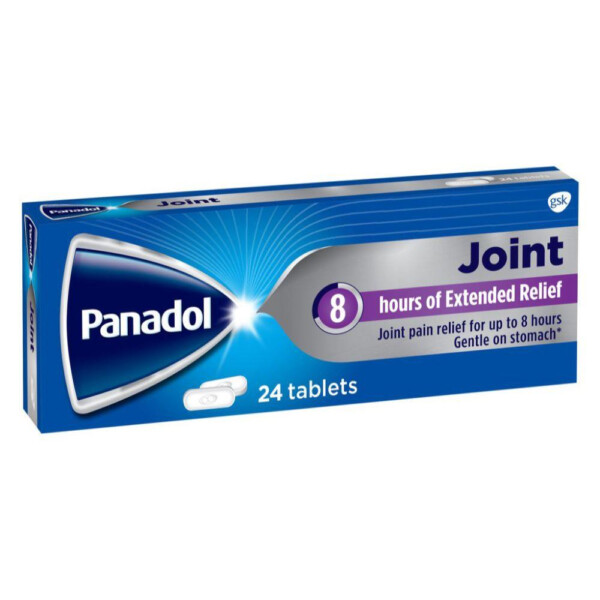
Panadol Joint: An Exhaustive Medical SEO Guide for Orthopedic Pain Management
1. Comprehensive Introduction & Overview
Welcome to this authoritative medical guide on Panadol Joint, a specialized formulation designed for sustained relief from persistent joint pain. As an expert in orthopedic care and medical SEO copywriting, we aim to provide an in-depth, clinically relevant understanding of this widely used analgesic. Panadol Joint, primarily known for its extended-release paracetamol (acetaminophen) content, is a cornerstone in the management of chronic musculoskeletal discomfort, particularly associated with conditions like osteoarthritis.
Unlike conventional paracetamol formulations, Panadol Joint is engineered to provide prolonged pain relief, typically lasting up to 8 hours, making it a suitable option for individuals requiring consistent pain management throughout the day or night. This guide will delve into its technical specifications, clinical applications, potential risks, and best practices for safe and effective use, empowering both patients and healthcare professionals with comprehensive knowledge.
It is crucial to remember that while Panadol Joint offers significant relief, it should always be used under the guidance of a healthcare professional, especially when managing chronic conditions or concurrent medications. This guide serves as an educational resource and does not replace professional medical advice.
2. Deep-Dive into Technical Specifications & Mechanisms
Active Ingredient: Paracetamol (Acetaminophen)
Panadol Joint's primary active ingredient is paracetamol, also known as acetaminophen. Each tablet typically contains 665mg of paracetamol, formulated for extended release.
Mechanism of Action
Paracetamol's precise mechanism of action is not fully elucidated, but it is primarily understood to exert its analgesic and antipyretic effects through central nervous system (CNS) mechanisms.
- Central Analgesia: Paracetamol is thought to inhibit prostaglandin synthesis predominantly in the central nervous system. Prostaglandins are lipid compounds that mediate pain and inflammation. By selectively inhibiting cyclooxygenase (COX) enzymes (specifically COX-3, though its existence and role are debated, and possibly COX-1 and COX-2 in the CNS), paracetamol reduces the production of prostaglandins involved in pain signaling. This action elevates the pain threshold.
- Antipyretic Effect: Its antipyretic (fever-reducing) action is believed to be mediated by a direct effect on the hypothalamic heat-regulating center, leading to peripheral vasodilation and sweating, which facilitates heat dissipation.
- Lack of Significant Peripheral Anti-inflammatory Effect: Unlike Non-Steroidal Anti-Inflammatory Drugs (NSAIDs), paracetamol exhibits minimal anti-inflammatory activity in the periphery at therapeutic doses. This is attributed to its weak inhibition of COX enzymes in the presence of peroxides, which are abundant in inflammatory tissues.
- Extended-Release Formulation: Panadol Joint utilizes a biphasic release system. This means it delivers an initial dose of paracetamol quickly for rapid onset of relief, followed by a sustained release of the remaining dose over several hours. This design allows for fewer doses per day and provides more consistent pain control, crucial for chronic conditions like osteoarthritis.
Pharmacokinetics
Pharmacokinetics describes how the body handles a drug – its absorption, distribution, metabolism, and excretion.
- Absorption:
- Paracetamol is well absorbed from the gastrointestinal tract following oral administration.
- The extended-release formulation of Panadol Joint results in a slower and more prolonged absorption profile compared to immediate-release paracetamol. Peak plasma concentrations are typically reached within 2-3 hours, but the biphasic release ensures therapeutic levels are maintained for up to 8 hours.
- Food intake may slightly delay absorption but does not significantly affect the total amount absorbed.
- Distribution:
- Paracetamol is widely distributed throughout most body tissues.
- It crosses the placental barrier and is excreted into breast milk in small, clinically insignificant amounts at therapeutic doses.
- Plasma protein binding is generally low (10-25%) at therapeutic concentrations but can increase with higher doses.
- Metabolism:
- Paracetamol is extensively metabolized in the liver, primarily through two main pathways:
- Glucuronidation: Conjugation with glucuronic acid (approximately 45-55% of the dose).
- Sulfation: Conjugation with sulfate (approximately 25-35% of the dose).
- A minor pathway (less than 5%) involves cytochrome P450 enzymes (mainly CYP2E1) to form a highly reactive, toxic intermediate metabolite called N-acetyl-p-benzoquinone imine (NAPQI).
- At therapeutic doses, NAPQI is rapidly detoxified by conjugation with glutathione and excreted as cysteine and mercapturic acid conjugates.
- In overdose situations, glutathione stores become depleted, leading to an accumulation of NAPQI, which then binds covalently to hepatic macromolecules, causing hepatocellular necrosis (liver damage).
- Paracetamol is extensively metabolized in the liver, primarily through two main pathways:
- Excretion:
- The vast majority of paracetamol and its metabolites are excreted renally (via the kidneys).
- Less than 5% of the dose is excreted unchanged.
- The elimination half-life of paracetamol in healthy adults is approximately 2 to 3 hours for immediate-release formulations, but the extended-release nature of Panadol Joint prolongs its effective duration of action.
3. Extensive Clinical Indications & Usage
Panadol Joint is specifically formulated for conditions requiring sustained pain relief, making it a valuable tool in orthopedic and general pain management.
Primary Indications
- Osteoarthritis Pain: This is the primary indication. Osteoarthritis is a degenerative joint disease characterized by cartilage breakdown, leading to pain, stiffness, and reduced joint function. Panadol Joint's sustained release helps manage the chronic, often persistent pain associated with this condition, allowing for better mobility and quality of life.
- Chronic Joint Pain: Beyond osteoarthritis, Panadol Joint can be used for other forms of chronic joint pain where a long-acting analgesic is beneficial.
- Musculoskeletal Pain: It is also indicated for general musculoskeletal pain, including:
- Backache
- Muscle aches
- Rheumatic and non-rheumatic aches and pains
- Minor arthritis pain
Dosage Guidelines
Adherence to recommended dosage is paramount to ensure efficacy and minimize the risk of adverse effects, particularly liver damage.
- Adults (12 years and over):
- The typical dose is 2 tablets (1330 mg total paracetamol) taken orally.
- This dose can be repeated every 6 to 8 hours as needed.
- Do not exceed 6 tablets (3990 mg total paracetamol) in any 24-hour period.
- The tablets should be swallowed whole with water. Do not chew, crush, or dissolve them, as this can disrupt the extended-release mechanism and potentially lead to an overdose of paracetamol.
- Duration of Use: For chronic conditions, Panadol Joint is often used long-term. However, continuous use should be regularly reviewed by a healthcare professional.
Special Populations
- Elderly Patients: No specific dose adjustment is usually required for elderly patients. However, caution is advised, and monitoring of renal and hepatic function may be prudent, especially in those with pre-existing conditions or polypharmacy.
- Patients with Renal Impairment:
- For severe renal impairment (creatinine clearance < 10 mL/min), the dosing interval should be extended to at least 8 hours.
- Consult a physician for appropriate dose adjustments.
- Patients with Hepatic Impairment:
- Paracetamol is extensively metabolized in the liver. Panadol Joint is contraindicated in severe hepatic impairment or active liver disease.
- Caution is advised in patients with mild to moderate hepatic impairment, chronic alcoholism, or those with malnutrition, as these conditions increase the risk of hepatotoxicity. Lower doses or extended dosing intervals may be necessary under medical supervision.
4. Risks, Side Effects, & Contraindications
While Panadol Joint is generally well-tolerated at therapeutic doses, it is not without risks. Understanding these is vital for safe administration.
Contraindications
Panadol Joint should NOT be used in patients with:
- Known hypersensitivity to paracetamol or any of its excipients.
- Severe hepatic impairment or active liver disease, due to the risk of paracetamol-induced liver damage.
- Glucose-6-phosphate dehydrogenase (G6PD) deficiency: While rare, paracetamol can induce hemolytic anemia in individuals with this genetic condition.
Warnings & Precautions
- Liver Damage: The most serious risk associated with paracetamol is liver damage (hepatotoxicity), especially with overdose, chronic high doses, or in patients with pre-existing liver disease, chronic alcohol consumption, or malnutrition.
- Renal Impairment: Use with caution in patients with moderate to severe renal impairment.
- Chronic Alcoholism: Chronic heavy alcohol use significantly increases the risk of paracetamol-induced hepatotoxicity. Patients should be advised to limit alcohol intake while using paracetamol.
- Malnutrition: Individuals who are malnourished (e.g., due to anorexia, bulimia, or chronic disease) may have depleted glutathione stores, increasing the risk of NAPQI toxicity.
- Asthma: While rare, paracetamol can occasionally trigger bronchospasm in some aspirin-sensitive asthmatic patients.
- Serious Skin Reactions: Extremely rare but serious skin reactions, including Stevens-Johnson Syndrome (SJS), Toxic Epidermal Necrolysis (TEN), and Acute Generalized Exanthematous Pustulosis (AGEP), have been reported with paracetamol. Discontinue use at the first appearance of skin rash or any other sign of hypersensitivity.
Side Effects
At recommended therapeutic doses, paracetamol is generally associated with a low incidence of side effects. However, adverse reactions can occur.
- Rare Side Effects:
- Hypersensitivity Reactions: Skin rash, itching, urticaria (hives), angioedema (swelling beneath the skin).
- Hematological Effects: Thrombocytopenia (low platelet count), leukopenia (low white blood cell count), neutropenia (low neutrophil count), agranulocytosis (severe lack of white blood cells).
- Liver Dysfunction: Elevated liver enzymes (transaminases), jaundice (yellowing of skin/eyes).
- Kidney Dysfunction: Analgesic nephropathy (kidney damage) with chronic high-dose abuse.
- Very Rare Side Effects:
- Anaphylaxis (severe, life-threatening allergic reaction).
- Serious skin reactions (SJS, TEN, AGEP).
Drug Interactions
Paracetamol can interact with various medications, potentially altering their effects or increasing the risk of adverse reactions.
- Oral Anticoagulants (e.g., Warfarin): Chronic daily dosing of paracetamol (especially at the maximum recommended dose) can enhance the anticoagulant effect of warfarin and other coumarins, increasing the risk of bleeding. Regular monitoring of INR (International Normalized Ratio) is recommended.
- Alcohol: Concomitant use with alcohol significantly increases the risk of hepatotoxicity.
- Other Paracetamol-Containing Products: Concurrent use of multiple products containing paracetamol can lead to an accidental overdose. Always check labels.
- Enzyme Inducers (e.g., Phenobarbital, Phenytoin, Carbamazepine, Rifampicin, St. John's Wort): These drugs can induce hepatic microsomal enzymes, accelerating the metabolism of paracetamol and potentially increasing the formation of the toxic NAPQI metabolite, thereby increasing the risk of hepatotoxicity.
- Metoclopramide or Domperidone: These prokinetic agents can increase the rate of paracetamol absorption, leading to a quicker onset of action.
- Cholestyramine: This bile acid sequestrant can decrease the rate and extent of paracetamol absorption. If required, administer cholestyramine at least one hour after paracetamol.
- Probenecid: This drug reduces the clearance of paracetamol, potentially increasing its plasma levels.
- Lamotrigine: Paracetamol may reduce the efficacy of lamotrigine by inducing its metabolism in the liver.
- Chloramphenicol: Paracetamol may increase chloramphenicol plasma concentrations.
Pregnancy & Lactation Warnings
- Pregnancy: Paracetamol is generally considered the analgesic of choice during pregnancy when pain relief is needed. It crosses the placenta. However, it should be used at the lowest effective dose for the shortest possible duration. Pregnant individuals should always consult their doctor before taking any medication.
- Lactation (Breastfeeding): Paracetamol is excreted into breast milk in small quantities. At therapeutic doses, it is generally considered compatible with breastfeeding and is not expected to cause adverse effects in breastfed infants. Nevertheless, it is advisable to consult a healthcare professional.
Overdose Management
Paracetamol overdose is a medical emergency and can be fatal due to severe liver damage.
- Symptoms of Overdose:
- Within 24 hours: Nausea, vomiting, abdominal pain, pallor, sweating, anorexia. These symptoms may be misleadingly mild or absent.
- After 24-48 hours: Liver tenderness, elevated liver enzymes (AST, ALT), jaundice.
- Severe cases (after 3-5 days): Hepatic necrosis, encephalopathy, coagulopathy, renal failure, cardiac arrhythmias, coma, and ultimately death.
- Treatment of Overdose:
- IMMEDIATE MEDICAL ATTENTION IS CRITICAL. Do not wait for symptoms to appear.
- Gastric Decontamination: If the overdose is recent (within 1 hour), activated charcoal may be administered to reduce absorption. Gastric lavage may also be considered in specific circumstances.
- Antidote: N-acetylcysteine (NAC): NAC is the specific antidote for paracetamol poisoning. It works by replenishing hepatic glutathione stores, thereby detoxifying NAPQI. NAC is most effective when administered within 8-10 hours of ingestion but can still be beneficial up to 24 hours or even later in some cases. It can be given intravenously or orally.
- Supportive Care: Management includes monitoring liver function (AST, ALT, bilirubin, INR), renal function, blood glucose, and electrolytes. Patients with severe liver failure may require liver transplantation.
5. Massive FAQ Section
Here are some frequently asked questions about Panadol Joint, providing quick, authoritative answers.
Q1: What is Panadol Joint primarily used for?
A1: Panadol Joint is primarily used for the sustained relief of chronic joint pain, particularly associated with osteoarthritis, as well as other musculoskeletal aches and pains like backache and muscle aches. Its extended-release formula provides relief for up to 8 hours.
Q2: How is Panadol Joint different from regular Panadol (immediate-release paracetamol)?
A2: The key difference lies in its formulation. Regular Panadol provides immediate release of paracetamol, offering quicker but shorter-acting pain relief. Panadol Joint is an extended-release (biphasic) formulation, designed to release paracetamol gradually over 8 hours, providing sustained relief for chronic pain conditions and requiring fewer doses per day.
Q3: How long does it take for Panadol Joint to start working, and how long does the effect last?
A3: Due to its biphasic release, Panadol Joint typically starts to provide pain relief within 30-60 minutes, with its full effect developing over a few hours. The pain relief is designed to last for up to 8 hours.
Q4: How often can I take Panadol Joint, and what is the maximum daily dose?
A4: Adults (12 years and over) can take 2 tablets (1330 mg total) every 6 to 8 hours as needed. You must not exceed 6 tablets (3990 mg total) in any 24-hour period. Always follow the instructions on the package insert or your doctor's advice.
Q5: Can I take Panadol Joint with other medications?
A5: You should exercise caution and always consult your doctor or pharmacist before combining Panadol Joint with other medications. It can interact with blood thinners (like warfarin), certain epilepsy medications (e.g., carbamazepine, phenytoin), and other paracetamol-containing products. Taking multiple paracetamol products simultaneously can lead to an overdose.
Q6: Is Panadol Joint safe for long-term use?
A6: For chronic conditions like osteoarthritis, Panadol Joint can be used long-term under medical supervision. However, prolonged use, especially at high doses, can carry risks, particularly to the liver and kidneys. Regular reviews with your doctor are essential to assess continued need and safety.
Q7: Can children take Panadol Joint?
A7: Panadol Joint (665mg extended-release paracetamol) is generally indicated for adults and children 12 years and over. It is not suitable for children under 12 years of age. For younger children, specific pediatric paracetamol formulations with appropriate dosages should be used. Always consult a pediatrician.
Q8: What should I do if I miss a dose of Panadol Joint?
A8: If you miss a dose, take it as soon as you remember, unless it is almost time for your next scheduled dose. In that case, skip the missed dose and continue with your regular dosing schedule. Do not take a double dose to make up for a missed one. Ensure you do not exceed the maximum daily dose.
Q9: Are there any foods or drinks I should avoid while taking Panadol Joint?
A9: While there are no specific foods that interact directly with Panadol Joint, it is strongly advised to avoid or significantly limit alcohol consumption. Alcohol increases the risk of liver damage when taken with paracetamol.
Q10: Can I take Panadol Joint if I have liver or kidney problems?
A10: Panadol Joint is contraindicated in severe hepatic impairment or active liver disease. If you have mild to moderate liver problems, or any kidney problems, you must consult your doctor before taking Panadol Joint. Dose adjustments or alternative medications may be necessary to prevent complications.
Q11: Is Panadol Joint an anti-inflammatory drug (NSAID)?
A11: No, Panadol Joint (paracetamol) is not an NSAID (Non-Steroidal Anti-Inflammatory Drug). While it provides pain relief and reduces fever, it has very minimal anti-inflammatory effects in the body compared to NSAIDs like ibuprofen or naproxen. This makes it a suitable alternative for individuals who cannot take NSAIDs due to stomach issues or other contraindications.
Q12: What are the signs of a Panadol Joint overdose, and what should I do?
A12: Symptoms of an overdose can include nausea, vomiting, abdominal pain, pallor, and sweating, which might appear within the first 24 hours. Later signs can involve liver tenderness and jaundice. If you suspect an overdose, seek immediate medical attention, even if you feel well, as liver damage can be severe and life-threatening. Do not wait for symptoms to worsen.