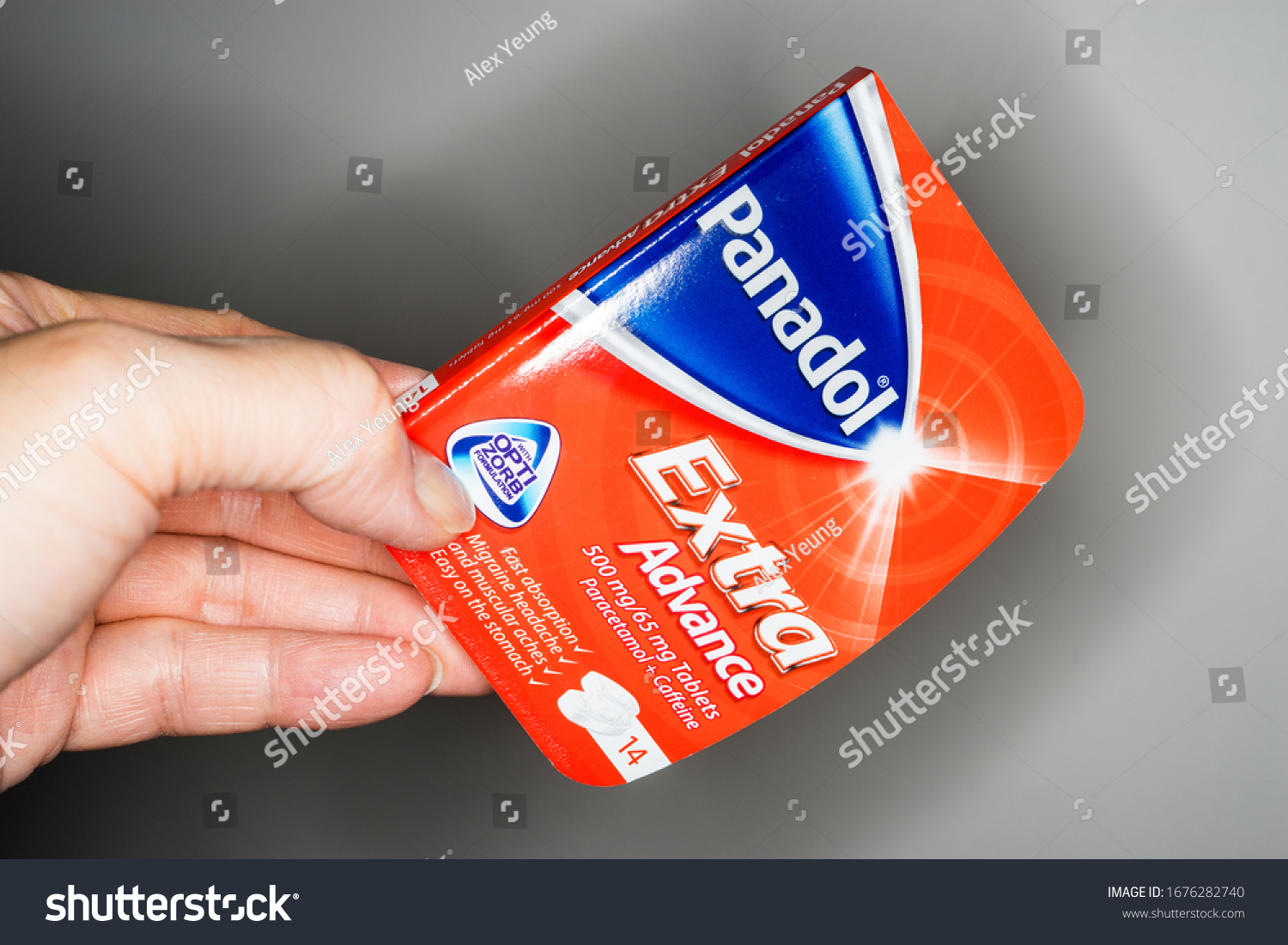
Panadol Extra: An Expert Medical SEO Guide to Pain and Fever Relief
Welcome to this comprehensive and authoritative medical SEO guide on Panadol Extra. As an expert Medical SEO Copywriter and Orthopedic Specialist, our aim is to provide an in-depth understanding of this widely used over-the-counter medication. Panadol Extra is a popular choice for individuals seeking effective relief from mild to moderate pain and fever. This guide will delve into its unique formulation, mechanism of action, clinical applications, safety profile, and crucial information for responsible usage.
1. Comprehensive Introduction & Overview
Panadol Extra is a combination analgesic and antipyretic medication designed for enhanced pain relief. It uniquely combines two active ingredients: paracetamol (also known as acetaminophen) and caffeine. While paracetamol is a well-established pain reliever and fever reducer, the addition of caffeine acts as an adjuvant, significantly boosting the analgesic effect of paracetamol. This synergistic action makes Panadol Extra particularly effective for various types of pain, including headaches, migraines, and other musculoskeletal discomforts.
The "Extra" in its name refers to the inclusion of caffeine, which not only enhances the pain-relieving properties but can also help counteract the fatigue often associated with pain and illness. It is a medication trusted by millions globally for its efficacy when used according to guidelines. However, like all medications, understanding its intricacies is paramount for safe and effective use.
2. Deep-Dive into Technical Specifications & Mechanisms
Understanding how Panadol Extra works at a physiological level is key to appreciating its therapeutic benefits and potential risks.
2.1. Mechanism of Action
Panadol Extra's effectiveness stems from the distinct, yet complementary, actions of its two active components:
- Paracetamol (Acetaminophen):
- Primary Action: Paracetamol's analgesic (pain-relieving) and antipyretic (fever-reducing) effects are primarily mediated through its action in the Central Nervous System (CNS).
- Prostaglandin Inhibition: It is believed to selectively inhibit cyclooxygenase (COX) activity, particularly COX-3, in the brain and spinal cord. By reducing the synthesis of prostaglandins (chemical messengers that contribute to pain and fever) in the CNS, paracetamol effectively raises the pain threshold and reduces hypothalamic thermoregulation, leading to fever reduction.
- Peripheral Activity: Unlike NSAIDs (Non-Steroidal Anti-Inflammatory Drugs), paracetamol has minimal anti-inflammatory activity in peripheral tissues, which accounts for its better gastrointestinal safety profile compared to NSAIDs.
- Caffeine:
- Analgesic Adjuvant: Caffeine is a well-known CNS stimulant that significantly enhances the analgesic effects of paracetamol. Its precise mechanism of pain potentiation is multi-faceted:
- Adenosine Receptor Antagonism: Caffeine is a non-selective antagonist of adenosine receptors. Adenosine is an endogenous neuromodulator that can promote pain. By blocking these receptors, caffeine can reduce pain signaling.
- Vasoconstriction: In conditions like tension headaches and migraines, cerebral vasodilation is often involved. Caffeine's vasoconstrictive properties in the brain can help alleviate these types of headaches.
- Increased Alertness: As a CNS stimulant, caffeine can improve mood, reduce fatigue, and increase alertness, indirectly contributing to a better perception of pain relief.
- Improved Absorption: Some theories suggest caffeine may modestly improve the absorption rate of paracetamol, leading to a faster onset of action.
- Analgesic Adjuvant: Caffeine is a well-known CNS stimulant that significantly enhances the analgesic effects of paracetamol. Its precise mechanism of pain potentiation is multi-faceted:
2.2. Pharmacokinetics
Pharmacokinetics describes how the body processes the medication – absorption, distribution, metabolism, and excretion.
- Absorption:
- Paracetamol: Rapidly and almost completely absorbed from the gastrointestinal (GI) tract. Peak plasma concentrations are typically achieved within 30 to 60 minutes after oral administration.
- Caffeine: Also rapidly and completely absorbed from the GI tract. Peak plasma concentrations usually occur within 30 to 120 minutes.
- Distribution:
- Paracetamol: Widely distributed throughout most body fluids. It has relatively low plasma protein binding (approximately 10-25%).
- Caffeine: Rapidly distributed throughout the body, readily crossing the blood-brain barrier and placenta. It is moderately bound to plasma proteins (approximately 35%).
- Metabolism:
- Paracetamol: Primarily metabolized in the liver via two main pathways: glucuronidation (approximately 45-55%) and sulfation (approximately 25-35%). A minor pathway involves cytochrome P450 enzymes (mainly CYP2E1) to produce a highly reactive and toxic metabolite, N-acetyl-p-benzoquinone imine (NAPQI). Under normal therapeutic doses, NAPQI is rapidly detoxified by conjugation with glutathione. In overdose situations, glutathione stores are depleted, leading to NAPQI accumulation and severe hepatotoxicity.
- Caffeine: Extensively metabolized in the liver, primarily by the cytochrome P450 enzyme CYP1A2. It is demethylated into several active metabolites, including paraxanthine (84%), theobromine (12%), and theophylline (4%), which also have pharmacological activity.
- Excretion:
- Paracetamol: The inactive metabolites (glucuronide and sulfate conjugates) are primarily excreted in the urine. The elimination half-life is typically 1 to 4 hours.
- Caffeine: Caffeine and its metabolites are predominantly excreted via the kidneys. The elimination half-life for caffeine in healthy adults ranges from 3 to 7 hours, but it can be significantly prolonged in certain populations (e.g., pregnant women, individuals with liver impairment).
3. Extensive Clinical Indications & Usage
Panadol Extra is indicated for the relief of various mild to moderate pain conditions and for the reduction of fever.
3.1. Detailed Indications
- Headaches: Highly effective for tension headaches and mild to moderate migraine attacks. The caffeine component is particularly beneficial for headache relief due to its vasoconstrictive properties.
- Dental Pain: Relief from toothaches, pain following dental procedures, and gum inflammation.
- Menstrual Pain (Dysmenorrhea): Helps alleviate cramps and discomfort associated with menstruation.
- Muscular Pain: Effective for general muscle aches, strains, and minor injuries.
- Backache: Provides relief from common back pain.
- Joint Pain: Useful for mild joint pain, such as that associated with osteoarthritis or minor sprains.
- Cold and Flu Symptoms: Relieves aches, pains, and fever commonly associated with colds and influenza.
- Sore Throat: Alleviates discomfort from a sore throat.
- Post-Surgical Pain: Can be used for mild to moderate pain following minor surgical procedures, including orthopedic ones, as part of a multi-modal pain management strategy, especially when NSAIDs are contraindicated or less preferred.
3.2. Dosage Guidelines
Important: Always follow the dosage instructions on the product packaging or as advised by a healthcare professional. Do not exceed the recommended dose.
- Adults and Adolescents (12 years and over):
- Standard Dose: Take 1 to 2 tablets every 4 to 6 hours as needed.
- Maximum Daily Dose: Do not take more than 8 tablets (equivalent to 4000 mg Paracetamol and 520 mg Caffeine) in a 24-hour period.
- Minimum Dosing Interval: Allow at least 4 hours between doses.
- Children under 12 years: Panadol Extra is generally not recommended for children under 12 years of age without specific medical advice. For younger children, paracetamol-only formulations in appropriate dosages are usually preferred.
- Special Populations:
- Elderly: No specific dosage adjustment is typically required, but caution is advised, especially if underlying liver or kidney issues are present.
- Renal Impairment: Patients with severe renal impairment may require dosage adjustments or increased dosing intervals due to reduced paracetamol excretion. Medical advice is essential.
- Hepatic Impairment: Patients with hepatic impairment are at increased risk of paracetamol toxicity. Panadol Extra is contraindicated in severe hepatic impairment, and caution is needed in mild to moderate cases. Consult a doctor.
Key Usage Reminders:
- Do not take with other paracetamol-containing products. This is critical to avoid accidental overdose.
- Do not exceed the stated dose. Exceeding the dose can lead to severe liver damage.
- If symptoms persist for more than 3 days, consult a doctor.
4. Risks, Side Effects, or Contraindications
While generally safe when used as directed, Panadol Extra carries potential risks and interactions.
4.1. Contraindications
- Hypersensitivity: Known allergy or hypersensitivity to paracetamol, caffeine, or any other excipients in the tablet.
- Severe Hepatic Impairment: Patients with severe liver disease or active liver failure.
- Severe Renal Impairment: Caution is required, and medical advice should be sought.
- Uncontrolled Hypertension/Cardiac Conditions: Due to the caffeine component, caution is advised in patients with severe, uncontrolled high blood pressure, certain arrhythmias, or other significant cardiac conditions.
- Anxiety Disorders/Panic Attacks: Caffeine can exacerbate these conditions.
- Glaucoma: Caffeine can increase intraocular pressure in some individuals.
4.2. Potential Side Effects
Side effects are generally rare at recommended doses. However, some individuals may experience:
| System Organ Class | Common Side Effects (due to Caffeine) | Rare Side Effects (due to Paracetamol or Caffeine) |
|---|---|---|
| Gastrointestinal | Nausea, vomiting, abdominal pain (less common, usually due to caffeine-induced gastric irritation) | |
| Nervous System | Restlessness, nervousness, tremor, insomnia, dizziness | |
| Cardiovascular | Palpitations, tachycardia (due to caffeine) | Rare: Arrhythmias, chest pain |
| Skin/Allergic | Rare: Rash, urticaria, pruritus, fixed drug eruption. Very rare: Serious skin reactions (e.g., Stevens-Johnson Syndrome, Toxic Epidermal Necrolysis, Acute Generalized Exanthematous Pustulosis) | |
| Hematologic | Very rare: Thrombocytopenia, agranulocytosis, hemolytic anemia, neutropenia, pancytopenia | |
| Hepatic | Very rare: Liver dysfunction, jaundice (especially with overdose) | |
| Renal | Very rare: Renal failure (especially with overdose) |
4.3. Drug Interactions
Combining Panadol Extra with certain other medications can alter their effects or increase the risk of side effects.
- With Paracetamol:
- Anticoagulants (e.g., Warfarin): Chronic, high-dose paracetamol use can enhance the anticoagulant effect of warfarin, increasing the risk of bleeding. Regular monitoring of INR is advised.
- Other Paracetamol-containing Products: Concurrent use with other medications containing paracetamol (e.g., cold and flu remedies) is a major risk factor for overdose and liver toxicity.
- Hepatotoxic Drugs: Co-administration with other drugs known to cause liver damage (e.g., certain anticonvulsants, antituberculosis drugs) can increase the risk of hepatotoxicity.
- Enzyme Inducers (e.g., Phenobarbital, Phenytoin, Carbamazepine, Rifampicin): These drugs can increase the metabolism of paracetamol to its toxic metabolite (NAPQI), increasing the risk of liver damage.
- Metoclopramide/Domperidone: Can increase the absorption rate of paracetamol, leading to a faster onset of action.
- Cholestyramine: Can decrease the absorption of paracetamol if given within one hour.
- With Caffeine:
- Monoamine Oxidase Inhibitors (MAOIs): Concurrent use can lead to hypertensive crisis due to increased catecholamine release.
- Cimetidine, Oral Contraceptives, Disulfiram, Fluoroquinolone Antibiotics (e.g., Ciprofloxacin, Enoxacin): These drugs can inhibit caffeine metabolism, leading to increased caffeine levels and enhanced side effects.
- Adenosine: Caffeine is an adenosine receptor antagonist and can reduce the effectiveness of adenosine in diagnostic procedures.
- Lithium: Caffeine can increase lithium excretion, potentially reducing its therapeutic effect.
- Beta-blockers (e.g., Propranolol): Caffeine can reduce the effectiveness of beta-blockers.
4.4. Pregnancy and Lactation Warnings
- Pregnancy:
- Paracetamol: Generally considered safe for use during pregnancy at recommended doses when medically indicated. However, it should be used at the lowest effective dose for the shortest possible duration.
- Caffeine: High intake of caffeine during pregnancy has been associated with an increased risk of miscarriage, preterm birth, and low birth weight. Current guidelines suggest limiting caffeine intake to less than 200 mg per day. Panadol Extra contains 65 mg of caffeine per tablet, so caution is advised, and medical consultation is recommended before use.
- Overall: Pregnant women should always consult their doctor or pharmacist before taking Panadol Extra to weigh the benefits against potential risks.
- Lactation (Breastfeeding):
- Paracetamol: Passes into breast milk in small amounts but is generally considered compatible with breastfeeding at therapeutic doses.
- Caffeine: Also passes into breast milk. While moderate caffeine intake is generally considered safe for breastfeeding mothers, high doses can lead to irritability, poor sleep, and jitteriness in the infant.
- Overall: Breastfeeding mothers should consult a healthcare professional before using Panadol Extra. Monitor the infant for any signs of adverse effects.
4.5. Overdose Management
Overdose of Panadol Extra is a serious medical emergency, primarily due to the paracetamol component, which can cause severe, potentially fatal, liver damage.
- Paracetamol Overdose:
- Symptoms: Initial symptoms (within 24 hours) may be non-specific and include nausea, vomiting, abdominal pain, pallor, and anorexia. After 24-48 hours, signs of liver damage may appear, such as jaundice, right upper quadrant pain, coagulopathy, and hepatic encephalopathy. Renal failure can also occur.
- Treatment:
- Immediate Medical Attention: Seek urgent medical help immediately, even if you feel well. Symptoms of liver damage may not appear for several days.
- Decontamination: Gastric lavage or administration of activated charcoal may be considered if presented within 1 hour of ingestion, to reduce absorption.
- Antidote: The primary antidote is N-acetylcysteine (NAC), which replenishes glutathione stores and detoxifies NAPQI. NAC is most effective when administered within 8-10 hours of ingestion but can still be beneficial up to 24 hours post-ingestion, especially in high-risk patients.
- Supportive Care: Monitor liver function tests (ALT, AST), prothrombin time (INR), blood glucose, and renal function.
- Caffeine Overdose:
- Symptoms: Tachycardia, palpitations, arrhythmias, severe agitation, tremors, restlessness, insomnia, vomiting, and in severe cases, convulsions.
- Treatment: Primarily symptomatic and supportive. May include gastric lavage, activated charcoal, benzodiazepines for seizures or severe agitation, and beta-blockers for cardiac effects.
5. Massive FAQ Section
Here are answers to some frequently asked questions about Panadol Extra:
Q1: What is Panadol Extra used for?
A1: Panadol Extra is used for the fast and effective relief of mild to moderate pain, including headaches (tension and migraine), dental pain, menstrual pain, muscular pain, backache, joint pain, and the aches and pains associated with cold and flu symptoms. It also helps reduce fever.
Q2: How is Panadol Extra different from regular Panadol?
A2: The key difference is the addition of caffeine. Regular Panadol contains only paracetamol (acetaminophen). Panadol Extra combines paracetamol with caffeine, which acts as an analgesic adjuvant, enhancing the pain-relieving effect of paracetamol. This makes Panadol Extra more potent for certain types of pain, especially headaches.
Q3: Can I take Panadol Extra for a fever?
A3: Yes, Panadol Extra contains paracetamol, which is an effective antipyretic (fever reducer). It can help lower body temperature and relieve the discomfort associated with fever.
Q4: How many Panadol Extra tablets can I take in a day?
A4: For adults and adolescents 12 years and over, the recommended dose is 1 to 2 tablets every 4 to 6 hours as needed. You should not take more than 8 tablets (4000 mg paracetamol, 520 mg caffeine) in any 24-hour period. Always ensure at least 4 hours between doses.