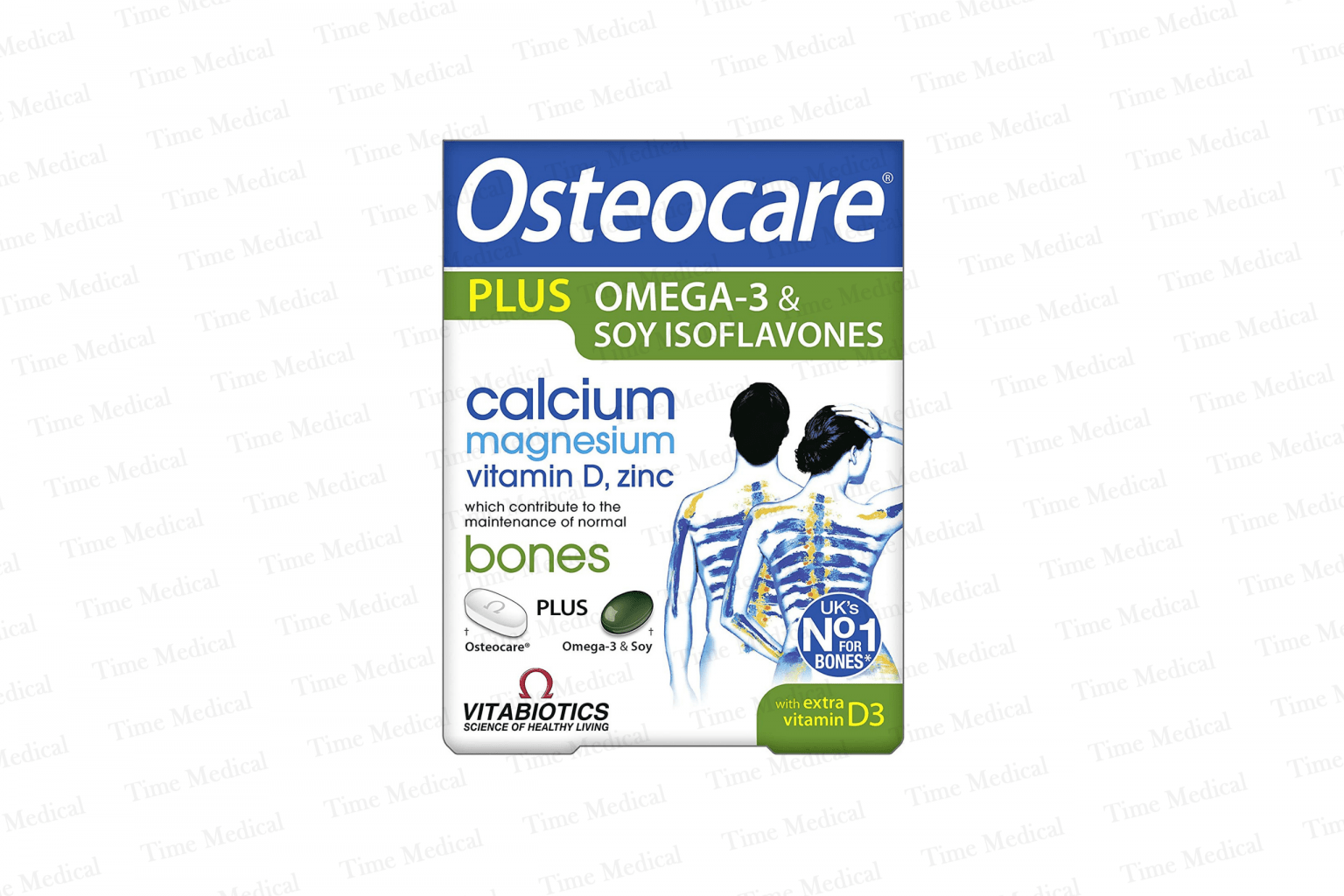
Introduction & Overview of Osteocare Plus
Welcome to the definitive medical guide on Osteocare Plus, an advanced formulation designed to support and enhance bone health. In an era where musculoskeletal conditions, particularly osteoporosis and osteopenia, are prevalent and significantly impact quality of life, effective interventions are paramount. Osteocare Plus represents a synergistic blend of vital nutrients specifically chosen for their profound roles in bone metabolism, density, and strength.
As an expert Medical SEO Copywriter and Orthopedic Specialist, we understand the critical importance of robust skeletal health throughout the lifespan. From childhood growth to peak bone mass attainment in adulthood and the prevention of age-related bone loss, a balanced intake of specific vitamins and minerals is non-negotiable. Osteocare Plus is formulated to address these needs, providing comprehensive support for individuals at various stages of bone health management.
This extensive guide aims to provide healthcare professionals, patients, and caregivers with an exhaustive understanding of Osteocare Plus. We will delve into its intricate mechanisms of action, pharmacokinetic profile, detailed clinical indications, precise dosage guidelines, potential risks, drug interactions, and crucial warnings related to pregnancy and lactation, alongside essential overdose management strategies. Our goal is to empower you with authoritative, evidence-based information to make informed decisions regarding bone health.
Disclaimer: This guide provides comprehensive medical information for educational purposes only and should not be considered a substitute for professional medical advice. Always consult with a qualified healthcare provider before starting or altering any medication or supplement regimen.
Deep Dive into Technical Specifications and Mechanisms
What is Osteocare Plus? (Detailed Composition)
Osteocare Plus is a meticulously formulated medication containing a synergistic blend of key micronutrients essential for optimal bone health. While specific formulations can vary, a typical advanced bone health supplement like Osteocare Plus often includes:
- Calcium (e.g., Calcium Carbonate and Calcium Citrate): The primary structural component of bone.
- Vitamin D3 (Cholecalciferol): Crucial for calcium absorption and bone mineralization.
- Magnesium (e.g., Magnesium Oxide and Magnesium Citrate): A vital cofactor in numerous enzymatic reactions, including those involved in bone formation.
- Zinc (e.g., Zinc Sulfate): Essential for collagen synthesis and bone tissue growth.
- Vitamin K2 (Menaquinone-7, MK-7): Plays a critical role in calcium utilization and bone matrix protein activation.
This combination is designed to ensure maximum bioavailability and efficacy in supporting skeletal integrity.
Mechanism of Action (MOA)
The therapeutic efficacy of Osteocare Plus stems from the intricate, synergistic actions of its individual components on bone metabolism:
- Calcium:
- Serves as the main building block for hydroxyapatite crystals, which provide bone with its rigidity and strength.
- Maintains adequate serum calcium levels, preventing the parathyroid hormone (PTH) from leaching calcium from bones.
- Vitamin D3 (Cholecalciferol):
- Intestinal Calcium Absorption: Stimulates the synthesis of calcium-binding proteins in the intestine, dramatically increasing the absorption of dietary calcium.
- Bone Remodeling: Regulates osteoblast (bone-forming cells) and osteoclast (bone-resorbing cells) activity, ensuring a healthy balance in bone turnover.
- Renal Calcium Reabsorption: Promotes calcium reabsorption in the kidneys, minimizing urinary calcium loss.
- Magnesium:
- Cofactor for Enzymes: Essential cofactor for over 300 enzymatic reactions, including those involved in Vitamin D metabolism and parathyroid hormone secretion.
- Bone Matrix Formation: Directly contributes to the crystal structure of bone and influences osteoblast and osteoclast activity.
- Vitamin D Activation: Required for the conversion of Vitamin D to its active form (calcitriol) in the liver and kidneys.
- Zinc:
- Collagen Synthesis: A critical cofactor for enzymes involved in the synthesis of collagen, the main protein component of the bone matrix.
- Osteoblast Activity: Stimulates osteoblast proliferation and differentiation, promoting bone formation.
- Antioxidant Properties: Protects bone cells from oxidative stress.
- Vitamin K2 (Menaquinone-7):
- Osteocalcin Activation: Activates osteocalcin, a protein produced by osteoblasts, which binds calcium to the bone matrix. Inactive osteocalcin cannot effectively bind calcium.
- Matrix Gla Protein (MGP) Activation: Activates MGP, a protein that inhibits calcium deposition in soft tissues, such as arteries and cartilage, thereby directing calcium specifically to bone.
- Bone Mineral Density (BMD): Contributes to increased BMD and reduced fracture risk, particularly in postmenopausal women.
Pharmacokinetics
Understanding how Osteocare Plus's components are absorbed, distributed, metabolized, and excreted is crucial for optimizing its therapeutic benefits and managing potential interactions.
- Absorption:
- Calcium: Absorption varies significantly based on the salt form. Calcium carbonate requires stomach acid for absorption and is best taken with food. Calcium citrate is absorbed more readily and can be taken without food. Vitamin D3 is crucial for maximizing calcium absorption from the gut.
- Vitamin D3: Fat-soluble vitamin, absorbed in the small intestine, primarily with dietary fats. Bioavailability can be affected by malabsorption disorders.
- Magnesium: Absorbed primarily in the small intestine. Absorption rate can vary with the form (citrate generally has higher bioavailability than oxide).
- Zinc: Absorbed in the small intestine, with absorption potentially inhibited by high calcium or iron intake.
- Vitamin K2 (MK-7): As a fat-soluble vitamin, MK-7 is well-absorbed in the small intestine in the presence of dietary fats. Its longer half-life compared to other K vitamins makes it more effective.
- Distribution:
- Calcium: Circulates in plasma (ionized, protein-bound, and complexed forms) and is primarily distributed to bones and teeth.
- Vitamin D3: Circulates bound to vitamin D-binding protein and is stored in adipose tissue and muscle. Metabolites are distributed to target tissues like bone, kidney, and intestine.
- Magnesium: Approximately 50-60% is stored in bone, with the remainder in soft tissues and a small percentage in extracellular fluid.
- Zinc: Widely distributed throughout the body, with significant concentrations in bone, muscle, and prostate.
- Vitamin K2: Distributed to various tissues, including bone, liver, and arteries, where it activates specific proteins.
- Metabolism:
- Calcium: Primarily regulated by PTH and calcitonin; not significantly metabolized in the classical sense.
- Vitamin D3: Undergoes hydroxylation in the liver to 25-hydroxyvitamin D (calcifediol) and then in the kidneys to the active form, 1,25-dihydroxyvitamin D (calcitriol).
- Magnesium: Not metabolized; regulated primarily by renal excretion.
- Zinc: Not metabolized; regulated by absorption and excretion.
- Vitamin K2: Metabolized in the liver, with excretion of metabolites.
- Excretion:
- Calcium: Primarily excreted via feces (unabsorbed calcium) and urine (excess absorbed calcium).
- Vitamin D3: Metabolites are primarily excreted in bile and feces, with some renal excretion.
- Magnesium: Primarily excreted renally.
- Zinc: Excreted predominantly in feces, with a smaller amount via urine.
- Vitamin K2: Excreted primarily in bile and feces.
Extensive Clinical Indications & Usage
Osteocare Plus is indicated for a broad spectrum of conditions related to bone health, mineral deficiencies, and the prevention of bone degradation.
Primary Indications
- Osteoporosis: Management and prevention of various forms of osteoporosis, including postmenopausal osteoporosis, senile osteoporosis, and glucocorticoid-induced osteoporosis, particularly as an adjunct to anti-resorptive or anabolic therapies.
- Osteopenia: To prevent the progression from osteopenia (low bone mass) to full-blown osteoporosis.
- Calcium Deficiency (Hypocalcemia): Treatment of states of calcium insufficiency, which can arise from inadequate dietary intake, malabsorption, or increased physiological demands.
- Vitamin D Deficiency: Correction of cholecalciferol deficiency, which is highly prevalent and directly impacts calcium absorption and bone mineralization.
- Adjunctive Therapy for Fractures: To support bone healing and recovery following fractures, providing the necessary building blocks for new bone formation.
- Prevention of Bone Loss: In individuals at high risk, such as those on long-term corticosteroid therapy, individuals with certain endocrine disorders, or those undergoing bariatric surgery.
- Increased Physiological Demands: During periods of rapid growth (adolescence), pregnancy, and lactation, where calcium and Vitamin D requirements are elevated.
Supportive Uses
- Bone Health Maintenance: For healthy adults and seniors seeking to maintain optimal bone mineral density and reduce the risk of future bone-related issues.
- Dietary Insufficiency: To supplement diets that are inadequate in calcium, Vitamin D, magnesium, zinc, or Vitamin K2.
- Athletic Performance: To support skeletal integrity in athletes, especially those involved in high-impact sports, where bone stress is significant.
Dosage Guidelines
The precise dosage of Osteocare Plus will depend on the individual's age, specific condition, and existing nutrient levels. It is imperative to follow the instructions provided by a healthcare professional or those on the product labeling.
- Standard Adult Dosage: Typically, 1-2 tablets or capsules per day, taken orally with a meal to enhance absorption, particularly for calcium carbonate and fat-soluble vitamins.
- Administration: Swallow the tablets/capsules whole with a glass of water. Do not crush or chew.
- Duration of Treatment: Long-term use is often recommended for chronic conditions like osteoporosis or ongoing bone health maintenance. Regular monitoring by a healthcare provider is advised.
- Dosage Adjustments:
- Renal Impairment: Patients with impaired renal function may require lower doses or careful monitoring due to the risk of hypercalcemia and hyperphosphatemia.
- Elderly: No specific dosage adjustment is typically required, but careful monitoring for side effects and interactions is prudent.
- Children and Adolescents: Dosage should be determined by a pediatrician based on age, weight, and specific needs.
Risks, Side Effects, and Contraindications
While Osteocare Plus is generally well-tolerated, it is crucial to be aware of potential risks, side effects, and situations where its use is contraindicated.
Contraindications
Osteocare Plus should not be used in individuals with:
- Hypercalcemia: Abnormally high levels of calcium in the blood, regardless of cause.
- Hypercalciuria: Excessively high levels of calcium in the urine.
- Severe Renal Impairment/Kidney Failure: Due to impaired calcium and phosphate excretion, increasing the risk of hypercalcemia and soft tissue calcification.
- Nephrolithiasis (History of Kidney Stones): Increased risk of stone formation, especially with high calcium intake.
- Vitamin D Toxicity (Hypervitaminosis D): Pre-existing high levels of Vitamin D.
- Known Hypersensitivity: To any of the active ingredients or excipients in Osteocare Plus.
- Primary Hyperparathyroidism: Where hypercalcemia is already present due to overactive parathyroid glands.
Potential Side Effects
Most side effects are mild and gastrointestinal in nature.
- Common Side Effects (usually mild and transient):
- Constipation
- Flatulence
- Nausea
- Abdominal discomfort/bloating
- Diarrhea (less common)
- Less Common/Serious Side Effects:
- Hypercalcemia Symptoms: In cases of overdose or pre-existing conditions, symptoms may include fatigue, muscle weakness, polyuria (frequent urination), polydipsia (excessive thirst), anorexia, headache, confusion, and in severe cases, cardiac arrhythmias or renal impairment.
- Kidney Stones: While rare with appropriate dosing, individuals predisposed to kidney stone formation may be at increased risk.
- Allergic Reactions: Rash, itching, swelling (especially of the face/tongue/throat), severe dizziness, trouble breathing. Seek immediate medical attention if these occur.
Drug Interactions
Interactions can alter the effectiveness of Osteocare Plus or other co-administered medications.
- Calcium Interactions:
- Tetracyclines & Fluoroquinolones (Antibiotics): Calcium can chelate these antibiotics, significantly reducing their absorption. Administer calcium at least 2-3 hours before or 4-6 hours after these medications.
- Bisphosphonates (e.g., Alendronate, Risedronate): Calcium can interfere with bisphosphonate absorption. Separate administration by at least 30 minutes, ideally longer.
- Thyroid Hormones (Levothyroxine): Calcium can impair the absorption of thyroid hormones. Separate administration by at least 4 hours.
- Iron Supplements: High doses of calcium can inhibit iron absorption.
- Thiazide Diuretics: Can decrease urinary calcium excretion, increasing the risk of hypercalcemia.
- Vitamin D Interactions:
- Thiazide Diuretics: Concomitant use increases the risk of hypercalcemia.
- Anticonvulsants (e.g., Phenytoin, Carbamazepine): Can accelerate the metabolism of Vitamin D, reducing its effectiveness.
- Cholestyramine, Colestipol, Orlistat, Mineral Oil: Can reduce the absorption of fat-soluble Vitamin D.
- Corticosteroids: Can reduce Vitamin D effects and calcium absorption.
- Magnesium Interactions:
- Digoxin: High magnesium levels can interfere with digoxin absorption.
- Certain Antibiotics (e.g., Quinolones, Tetracyclines): Magnesium can chelate these antibiotics, reducing their absorption.
- Vitamin K2 Interactions:
- Warfarin (Anticoagulant): Vitamin K is essential for the synthesis of clotting factors. High doses of Vitamin K2 can reduce the anticoagulant effect of warfarin, increasing the risk of blood clots. Patients on warfarin should consult their physician before using Osteocare Plus, and INR levels should be closely monitored.
- Other: Proton pump inhibitors (PPIs) may reduce calcium absorption (especially carbonate form) due to reduced stomach acid.
Warnings and Precautions
- Renal Impairment: Patients with mild to moderate renal impairment require careful monitoring of serum calcium, phosphate, and creatinine levels.
- History of Kidney Stones: Use with caution and consider lower doses or alternative calcium sources. Adequate hydration is crucial.
- Cardiovascular Disease: Some studies suggest caution with high calcium supplementation, especially in those with pre-existing cardiovascular conditions. Discuss with a healthcare provider.
- Monitoring: Regular monitoring of serum calcium and Vitamin D levels, particularly during long-term therapy or in patients with pre-existing conditions, is recommended.
- Malabsorption Syndromes: May require higher doses or specific forms of calcium and Vitamin D.
Pregnancy and Lactation Warnings
- Pregnancy: Adequate calcium and Vitamin D are crucial during pregnancy for fetal skeletal development and maternal bone health. However, excessive intake can be harmful. Osteocare Plus should only be used during pregnancy if clearly needed and prescribed by a healthcare professional, with doses carefully monitored to avoid hypercalcemia, which can be detrimental to both mother and fetus.
- Lactation: Calcium and Vitamin D are excreted in breast milk. While generally safe at recommended dietary allowances, high doses from supplementation could potentially lead to elevated levels in breast milk. Nursing mothers should consult their doctor before using Osteocare Plus to ensure appropriate dosing and avoid potential adverse effects on the infant.
Overdose Management
Accidental or intentional overdose of Osteocare Plus is primarily associated with symptoms of hypercalcemia and hypervitaminosis D.
- Symptoms of Overdose:
- Early Symptoms: Anorexia, nausea, vomiting, constipation, abdominal pain, muscle weakness, fatigue, headache, polydipsia, polyuria.
- Severe Symptoms: Renal impairment, nephrocalcinosis, cardiac arrhythmias, disorientation, coma.
- Treatment of Overdose:
- Discontinuation: Immediately discontinue Osteocare Plus and any other calcium or Vitamin D supplements.
- Hydration: Aggressive hydration with intravenous saline to promote calcium excretion.
- Diuretics: Loop diuretics (e.g., Furosemide) may be administered to increase urinary calcium excretion, but only after adequate rehydration.
- Corticosteroids: In severe cases, corticosteroids can be used to reduce intestinal calcium absorption and bone resorption.
- Bisphosphonates/Calcitonin: May be considered in severe hypercalcemia to inhibit bone resorption.
- Hemodialysis: In life-threatening hypercalcemia unresponsive to other treatments, hemodialysis may be necessary.
- Supportive Care: Monitor electrolyte levels, renal function, and cardiac status. Address any specific symptoms.
Frequently Asked Questions (FAQ)
Q1: What is Osteocare Plus primarily used for?
Osteocare Plus is primarily used for the prevention and treatment of osteoporosis, osteopenia, and deficiencies in calcium and Vitamin D. It supports overall bone health, helps in fracture healing, and maintains bone mineral density.
Q2: How long does it take to see results from Osteocare Plus?
While the benefits of essential nutrients for bone health are ongoing, significant improvements in bone mineral density or a reduction in fracture risk typically require consistent use over several months to a year or more. Individual results may vary based on the severity of the condition and adherence to the regimen.
Q3: Can I take Osteocare Plus with other medications?
It's crucial to consult your healthcare provider or pharmacist before taking Osteocare Plus with other medications. Certain drugs, such as tetracycline antibiotics, bisphosphonates, thyroid hormones, and anticoagulants like warfarin, can interact with the components of Osteocare Plus, potentially affecting their absorption or efficacy.
Q4: Is Osteocare Plus safe during pregnancy and lactation?
Adequate calcium and Vitamin D are important during pregnancy and lactation. However, high doses can be harmful. Osteocare Plus should only be used if prescribed by a doctor, who will monitor dosage carefully to ensure safety for both mother and baby.
Q5: What are the main side effects of Osteocare Plus?
The most common side effects are mild gastrointestinal disturbances such as constipation, flatulence, nausea, and abdominal discomfort. More serious side effects, though rare, can include hypercalcemia (high blood calcium) with symptoms like fatigue, excessive thirst, and frequent urination, especially with overdose or pre-existing conditions.
Q6: Do I need a prescription to buy Osteocare Plus?
The need for a prescription for Osteocare Plus can vary by region and the specific formulation. Many bone health supplements are available over-the-counter. However, it is always recommended to consult a healthcare professional before starting any new supplement, especially if you have underlying health conditions or are taking other medications.
Q7: How should I store Osteocare Plus?
Osteocare Plus should be stored in a cool, dry place, away from direct sunlight and moisture, at room temperature (typically below 25°C or 77°F). Keep it out of reach of children.
Q8: What should I do if I miss a dose of Osteocare Plus?
If you miss a dose, take it as soon as you remember. However, if it is almost time for your next scheduled dose, skip the missed dose and resume your regular dosing schedule. Do not take a double dose to make up for a missed one.
Q9: Can children take Osteocare Plus?
Children's dosages for bone health supplements should always be determined by a pediatrician. While calcium and Vitamin D are vital for growing bones, the specific formulation and dosage of Osteocare Plus may not be suitable for all pediatric age groups without professional guidance.
Q10: What makes Osteocare Plus different from a standard calcium supplement?
Osteocare Plus is an advanced formulation that goes beyond just calcium. It typically combines calcium with other crucial bone-supporting nutrients like Vitamin D3 (for calcium absorption), Magnesium, Zinc, and Vitamin K2 (for proper calcium utilization and bone matrix formation). This synergistic blend aims to provide more comprehensive bone health support than calcium alone.
Q11: Is Osteocare Plus suitable for vegetarians or vegans?
The suitability for vegetarians or vegans depends on the specific excipients and the source of Vitamin D3 (Cholecalciferol is often derived from lanolin, which is animal-derived). Some formulations may offer plant-based alternatives. Always check the product label or consult the manufacturer for specific dietary compatibility.
Q12: What should I do in case of an overdose?
In case of a suspected overdose, seek immediate medical attention or contact a poison control center. Symptoms of overdose are typically related to hypercalcemia and hypervitaminosis D, requiring prompt medical intervention.