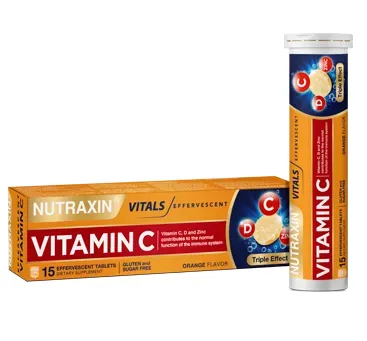
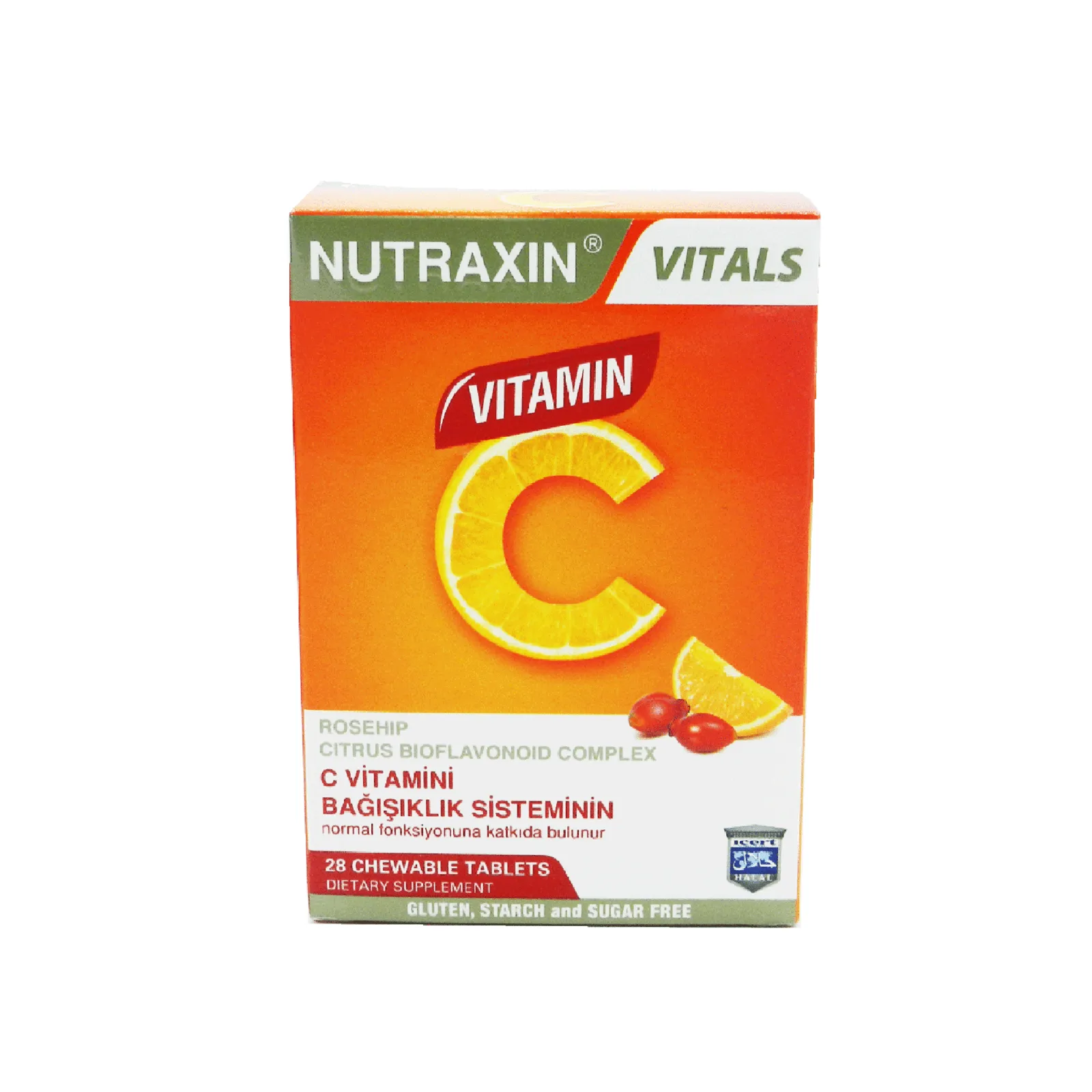
Nutraxin Vitals Vitamin C: A Comprehensive Medical SEO Guide
As an expert medical SEO copywriter and orthopedic specialist, I understand the profound impact of essential nutrients on overall health, particularly in areas like tissue repair, immune function, and bone integrity. Vitamin C, or ascorbic acid, stands out as a fundamental micronutrient vital for numerous physiological processes. This comprehensive guide delves into Nutraxin Vitals Vitamin C, offering an authoritative, in-depth look at its scientific underpinnings, clinical applications, and safe usage.
1. Comprehensive Introduction & Overview: Understanding Vitamin C
Vitamin C (L-ascorbic acid) is a water-soluble vitamin renowned for its potent antioxidant properties and its indispensable role as a cofactor in various enzymatic reactions. Unlike most animals, humans cannot synthesize Vitamin C endogenously and must obtain it through diet or supplementation. Nutraxin Vitals Vitamin C offers a convenient and reliable source of this critical nutrient, designed to support overall health and address specific nutritional needs.
1.1 The Crucial Role of Vitamin C in Human Health
Vitamin C is involved in:
* Collagen Synthesis: Essential for the formation of collagen, a primary structural protein in skin, bones, tendons, ligaments, cartilage, and blood vessels. This is particularly relevant in orthopedics for bone matrix formation and wound healing post-surgery.
* Antioxidant Protection: Neutralizes harmful free radicals, protecting cells from oxidative damage. This reduces cellular aging and disease risk.
* Immune System Support: Enhances various immune cell functions, including phagocyte activity and lymphocyte proliferation, strengthening the body's defense against infections.
* Iron Absorption: Facilitates the absorption of non-heme iron (from plant sources) in the gut, crucial for preventing iron-deficiency anemia.
* Neurotransmitter Synthesis: A cofactor for the synthesis of certain neurotransmitters, impacting mood and cognitive function.
* Carnitine Synthesis: Required for the synthesis of carnitine, a molecule essential for transporting fatty acids into mitochondria for energy production.
1.2 Why Choose Nutraxin Vitals Vitamin C?
Nutraxin Vitals Vitamin C is formulated to provide a high-quality, bioavailable form of ascorbic acid, ensuring optimal absorption and efficacy. It serves as an excellent dietary supplement for individuals seeking to bolster their immune system, support skin health, aid in recovery, and maintain general well-being.
2. Deep-dive into Technical Specifications & Mechanisms
Understanding how Nutraxin Vitals Vitamin C works at a cellular level is key to appreciating its broad spectrum of benefits.
2.1 Mechanism of Action
The primary mechanism of action of Vitamin C revolves around its potent reducing (electron-donating) capabilities.
- Antioxidant Activity: As a powerful electron donor, Vitamin C can neutralize reactive oxygen species (ROS) such and free radicals (e.g., superoxide, hydroxyl radical). It directly scavenges these harmful molecules, preventing oxidative stress and damage to DNA, proteins, and lipids. It also regenerates other antioxidants, such as Vitamin E, from their oxidized forms.
- Enzymatic Cofactor: Vitamin C acts as a crucial cofactor for several hydroxylase and oxygenase enzymes.
- Collagen Hydroxylation: It is essential for the hydroxylation of proline and lysine residues in procollagen, a process critical for cross-linking collagen fibers and forming a stable triple helix structure. Without adequate Vitamin C, collagen synthesis is impaired, leading to weak connective tissues (as seen in scurvy).
- Carnitine Biosynthesis: It is required for the activity of two enzymes (trimethyllysine hydroxylase and gamma-butyrobetaine hydroxylase) involved in the biosynthesis of carnitine.
- Neurotransmitter Synthesis: It acts as a cofactor for dopamine beta-hydroxylase, an enzyme that converts dopamine to norepinephrine.
- Peptide Hormone Amidation: It is necessary for the amidation of various peptide hormones, a process that increases their biological activity.
- Immune Modulation: While not fully elucidated, Vitamin C appears to enhance immune function by:
- Supporting the production and function of white blood cells (phagocytes and lymphocytes).
- Protecting immune cells from oxidative damage during the immune response.
- Enhancing natural killer cell activity.
- Improving endothelial function, which is critical for immune cell trafficking.
2.2 Pharmacokinetics of Ascorbic Acid
The journey of Vitamin C from ingestion to excretion involves several stages, influencing its bioavailability and physiological effects.
2.2.1 Absorption
- Location: Primarily absorbed in the small intestine, specifically the jejunum and ileum.
- Mechanism: Absorption occurs via sodium-dependent Vitamin C transporters (SVCTs) and, at higher concentrations, through passive diffusion.
- Dose-Dependency: Absorption is highly dose-dependent and saturable.
- At typical dietary intakes (30-180 mg), absorption efficiency is high (70-90%).
- As doses increase (e.g., >1 gram), absorption efficiency decreases significantly (e.g., 50% for 1.25 g, 20% for 3 g).
- Factors Affecting Absorption: Concurrent food intake can slightly delay absorption but generally doesn't reduce total bioavailability. Certain medical conditions or medications can impact absorption.
2.2.2 Distribution
- Plasma Levels: Peak plasma concentrations are typically reached within 2-3 hours post-ingestion.
- Tissue Distribution: Vitamin C is widely distributed throughout the body's aqueous compartments.
- High Concentrations: Tissues with high metabolic activity or specific functions tend to accumulate higher concentrations, including:
- Adrenal and pituitary glands
- Brain
- Leukocytes
- Eyes
- Ovaries/Testes
2.2.3 Metabolism
- Limited Metabolism: Ascorbic acid is largely excreted unchanged.
- Oxalate Formation: A small portion is metabolized, primarily through oxidation, to dehydroascorbic acid, which can then be further metabolized to 2,3-diketogulonic acid and subsequently to oxalic acid. This pathway is a concern mainly at very high doses due to the risk of oxalate kidney stone formation in susceptible individuals.
2.2.4 Excretion
- Renal Excretion: The primary route of excretion is renal (via the kidneys).
- Dose-Dependency: Excretion is also dose-dependent.
- At lower, physiological concentrations, Vitamin C is actively reabsorbed by the renal tubules, minimizing loss.
- As plasma concentrations exceed the renal threshold (typically around 60-100 μmol/L), the reabsorption capacity is saturated, and excess Vitamin C is readily excreted in the urine.
- Half-life: The elimination half-life varies depending on the dose and saturation status, ranging from approximately 8-40 days.
3. Extensive Clinical Indications & Usage
Nutraxin Vitals Vitamin C is indicated for a wide array of uses, ranging from preventing deficiency to supporting specific physiological functions.
3.1 Primary Indications
- Prevention and Treatment of Scurvy: The classic deficiency disease characterized by fatigue, gum inflammation, petechiae, impaired wound healing, and musculoskeletal pain.
- Dietary Supplementation: For individuals with inadequate dietary intake or increased physiological needs (e.g., smokers, elderly, those under chronic stress, malabsorption syndromes).
3.2 Supportive Indications (Off-label or Adjunctive Use)
| Indication | Rationale