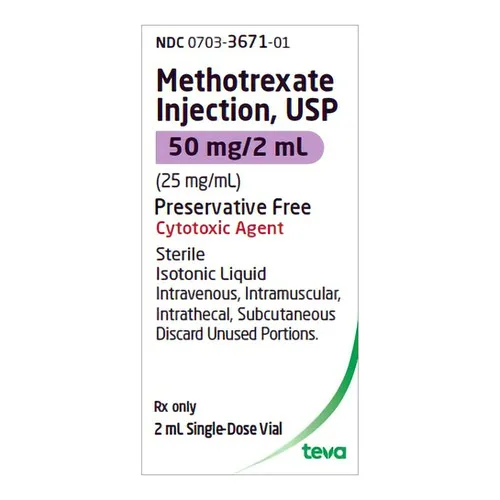
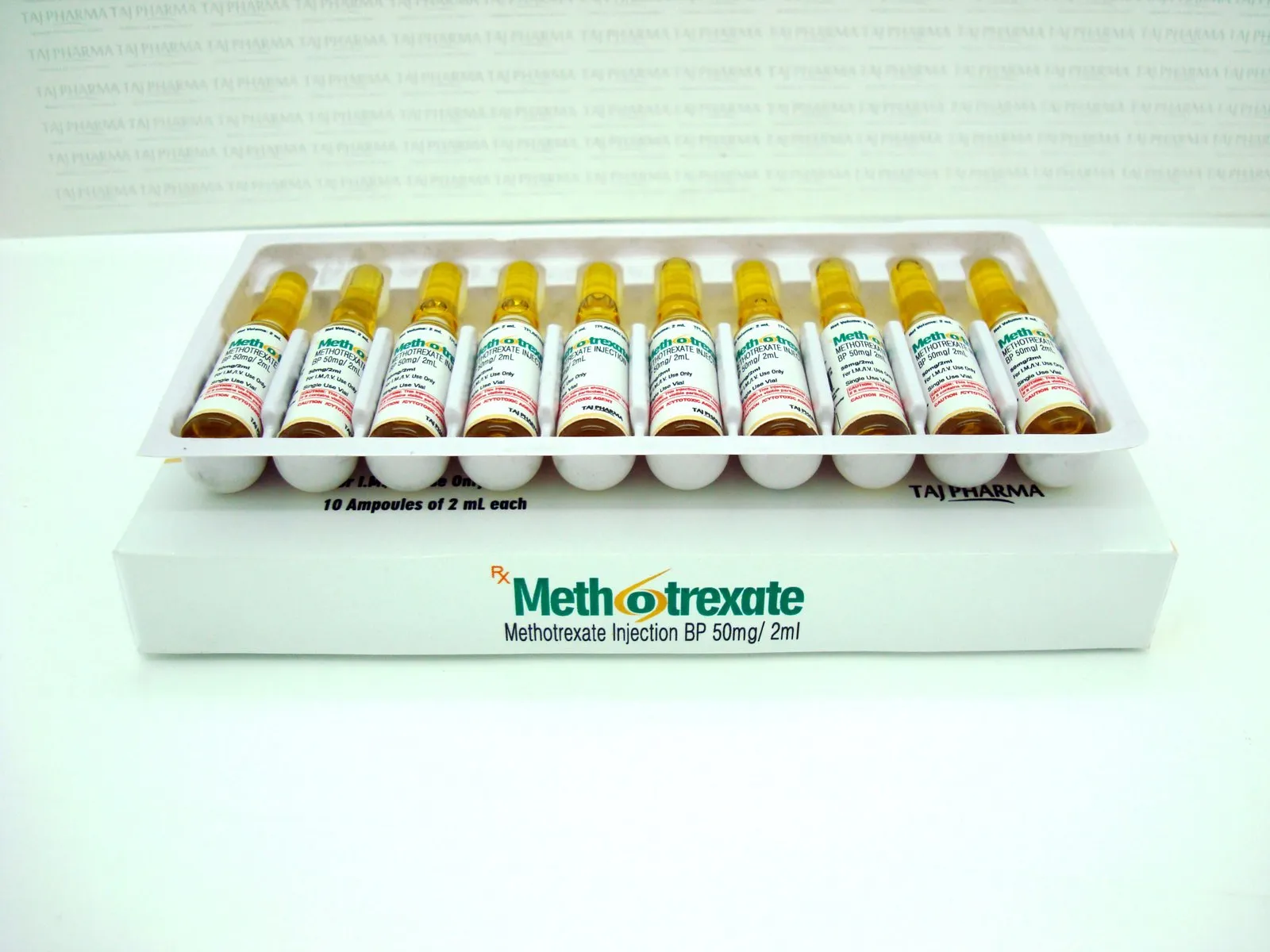
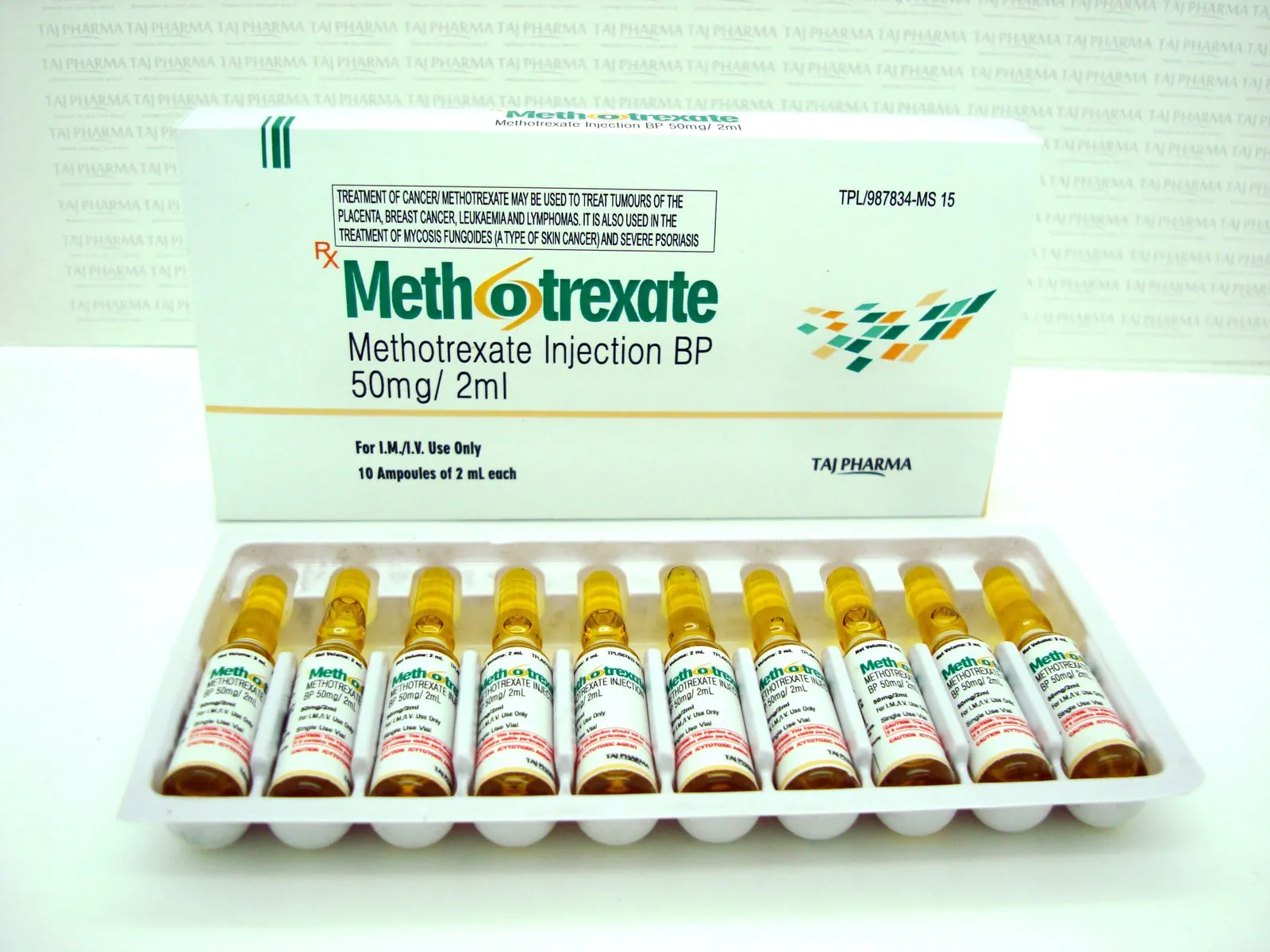
Methotrexate: An Expert Medical SEO Guide
Comprehensive Introduction & Overview
Methotrexate (MTX) is a highly versatile and potent antimetabolite medication, classified as an antifolate agent. Originally developed as a chemotherapy drug, its applications have expanded significantly to include a wide range of autoimmune diseases due to its powerful immunosuppressive and anti-inflammatory properties. As an expert medical SEO copywriter and orthopedic specialist, we understand the critical role Methotrexate plays in managing conditions like rheumatoid arthritis, psoriatic arthritis, severe psoriasis, and various cancers.
Discovered in the 1950s, Methotrexate revolutionized the treatment of several previously intractable diseases. Its ability to interfere with cellular proliferation and modulate immune responses makes it a cornerstone in therapeutic regimens across oncology, rheumatology, and dermatology. Despite its broad utility, Methotrexate is a medication that requires careful monitoring and patient education due to its complex mechanism of action, potential side effects, and specific dosage requirements. This comprehensive guide aims to provide an exhaustive overview of Methotrexate, empowering patients and healthcare professionals with authoritative, detailed information.
Deep-dive into Technical Specifications & Mechanisms
Understanding how Methotrexate works at a cellular level is crucial for appreciating its therapeutic effects and managing its potential toxicities.
Mechanism of Action
Methotrexate's primary mechanism of action involves inhibiting dihydrofolate reductase (DHFR), an enzyme critical for the synthesis of tetrahydrofolate. Tetrahydrofolate is essential for the de novo synthesis of purines and pyrimidines, which are the building blocks of DNA and RNA. By blocking DHFR, Methotrexate effectively depletes intracellular folate cofactors, leading to:
- Inhibition of DNA Synthesis and Repair: Rapidly dividing cells, such as cancer cells and activated immune cells, are highly dependent on continuous DNA synthesis. Methotrexate starves these cells of the necessary components, arresting cell division and ultimately leading to cell death (cytotoxicity). This is the primary mechanism in cancer treatment.
- Immunosuppression and Anti-inflammatory Effects (Low Dose): In lower, weekly doses used for autoimmune conditions, Methotrexate's mechanism is more nuanced. While still involving DHFR inhibition, its primary immunosuppressive and anti-inflammatory effects are believed to be mediated by:
- Accumulation of Adenosine: Methotrexate leads to the accumulation of intracellular adenosine, which is then released extracellularly. Adenosine acts as a potent anti-inflammatory mediator by binding to A2 and A3 receptors on immune cells, inhibiting neutrophil adhesion, reducing pro-inflammatory cytokine production (e.g., TNF-alpha, IL-6), and promoting regulatory T-cell function.
- Inhibition of T-cell Proliferation: Methotrexate directly inhibits the proliferation of activated T-lymphocytes, a key driver in many autoimmune diseases.
- Apoptosis Induction: It can induce apoptosis (programmed cell death) in activated lymphocytes.
Pharmacokinetics
The pharmacokinetics of Methotrexate are critical for understanding its administration, distribution, metabolism, and elimination, which directly impact its efficacy and safety profile.
- Absorption:
- Oral: Methotrexate is absorbed from the gastrointestinal tract, but absorption can be variable and dose-dependent. At low doses (e.g., for RA), absorption is generally good, but at higher doses, it can become saturated.
- Parenteral: Intramuscular (IM), intravenous (IV), and intrathecal (IT) routes provide complete and more predictable bioavailability, especially for high-dose regimens or when oral absorption is compromised.
- Distribution:
- Methotrexate distributes widely into body tissues and fluids, including the liver, kidneys, spleen, and skin.
- It binds reversibly to plasma proteins (primarily albumin).
- It crosses the placenta and is found in breast milk, making it contraindicated in pregnancy and lactation.
- Penetration into the central nervous system (CNS) is limited with standard systemic doses; intrathecal administration is necessary for CNS-directed therapy.
- Metabolism:
- Methotrexate undergoes limited hepatic metabolism to 7-hydroxymethotrexate, which is less active but can accumulate, especially in renal impairment.
- Intestinal bacteria can also metabolize Methotrexate.
- Intracellularly, Methotrexate is polyglutamated, which extends its retention within cells and enhances its inhibitory effects on DHFR.
- Excretion:
- The primary route of elimination is renal, via glomerular filtration and active tubular secretion. This highlights the critical importance of adequate renal function for safe Methotrexate use.
- A small amount is excreted in bile.
- The elimination half-life is biphasic, typically 3-10 hours for the initial phase and longer for the terminal phase, especially with high doses or impaired renal function.
Extensive Clinical Indications & Usage
Methotrexate's broad spectrum of activity makes it a cornerstone treatment for a diverse range of medical conditions.
Rheumatoid Arthritis (RA)
Methotrexate is considered the anchor disease-modifying antirheumatic drug (DMARD) for the treatment of active rheumatoid arthritis. It is typically initiated early in the disease course, often as monotherapy or in combination with other DMARDs or biologics.
- Usage: Low-dose, once-weekly oral or subcutaneous administration.
- Benefits: Reduces joint inflammation, pain, swelling, and stiffness; slows disease progression and prevents joint damage.
- Mechanism in RA: Primarily immunosuppressive and anti-inflammatory through adenosine accumulation and T-cell modulation.
Psoriasis & Psoriatic Arthritis
For severe, recalcitrant, disabling psoriasis that is not adequately responsive to other forms of therapy, Methotrexate is an effective systemic treatment. It is also a first-line DMARD for psoriatic arthritis.
- Usage: Low-dose, once-weekly oral or subcutaneous administration.
- Benefits: Reduces skin lesions (plaque, erythema, scaling) by inhibiting rapid epidermal cell proliferation; improves joint symptoms in psoriatic arthritis.
Neoplastic Diseases (Cancer)
Methotrexate is a vital chemotherapeutic agent used in the treatment of various cancers, often in much higher doses than those used for autoimmune conditions.
- Leukemias: Acute Lymphoblastic Leukemia (ALL) in children and adults (maintenance therapy, high-dose regimens).
- Lymphomas: Non-Hodgkin's Lymphoma, particularly aggressive subtypes.
- Osteosarcoma: High-dose Methotrexate with leucovorin rescue is a standard component of treatment regimens for osteosarcoma.
- Breast Cancer: Adjuvant therapy for certain types of breast cancer.
- Head and Neck Cancer: Particularly squamous cell carcinoma.
- Choriocarcinoma: A highly effective treatment for gestational trophoblastic disease.
- Ectopic Pregnancy: Non-surgical management of unruptured ectopic pregnancy, by inhibiting rapidly dividing trophoblastic cells.
- Other Solid Tumors: Used in various other solid tumors, often as part of multi-drug regimens.
Other Autoimmune Conditions
Methotrexate is also used, sometimes off-label or as a second-line agent, for other inflammatory and autoimmune disorders:
- Crohn's Disease and Ulcerative Colitis: As an immunosuppressant to maintain remission in inflammatory bowel disease.
- Systemic Lupus Erythematosus (SLE): For patients with significant musculoskeletal or cutaneous involvement not responding to antimalarials.
- Vasculitis: For certain forms of vasculitis (e.g., granulomatosis with polyangiitis).
Risks, Side Effects, and Contraindications
While highly effective, Methotrexate carries significant risks and can cause a range of side effects. Careful patient selection, monitoring, and education are paramount.
Common Side Effects
Many side effects are dose-dependent and can often be mitigated by folic acid supplementation (for non-cancer indications) or appropriate dose adjustments.
- Gastrointestinal: Nausea, vomiting, diarrhea, abdominal pain, stomatitis (mouth sores), mucositis.
- Hematologic: Myelosuppression (low white blood cells, red blood cells, platelets), leading to increased risk of infection, anemia, and bleeding. This is a critical dose-limiting toxicity.
- Hepatic: Elevated liver enzymes (transaminases) are common. Long-term use can lead to liver fibrosis and cirrhosis, especially with daily dosing or in patients with pre-existing liver disease.
- Pulmonary: Methotrexate pneumonitis (interstitial pneumonitis) is a rare but serious side effect, presenting with cough, fever, and shortness of breath.
- Dermatologic: Hair thinning, photosensitivity, skin rashes.
- Neurological: Fatigue, headache, dizziness.
- Renal: Acute kidney injury, especially with high doses and inadequate hydration.
Serious Side Effects
- Severe Myelosuppression: Can lead to life-threatening infections or hemorrhage.
- Liver Failure: Progressive liver fibrosis and cirrhosis.
- Acute Renal Failure: Can occur rapidly, especially with high doses or drug interactions.
- Opportunistic Infections: Due to immunosuppression.
- Lymphoproliferative Disorders: Rarely, Methotrexate can induce lymphoproliferative disorders, which may regress upon discontinuation.
- Tumor Lysis Syndrome: In cancer patients with high tumor burden.
- Anaphylaxis: Rare hypersensitivity reactions.
Contraindications
Methotrexate is absolutely contraindicated in certain patient populations or conditions:
- Pregnancy and Lactation: Teratogenic (causes birth defects) and excreted in breast milk.
- Severe Renal Impairment: Significantly impairs Methotrexate excretion, leading to toxic accumulation.
- Significant Liver Disease: Pre-existing liver cirrhosis, alcoholic liver disease, or chronic active hepatitis.
- Pre-existing Blood Dyscrasias: Anemia, leukopenia, thrombocytopenia, or bone marrow hypoplasia.
- Active Serious Infection: Due to immunosuppressive effects.
- Immunodeficiency Syndromes: Increased risk of severe infection.
- Hypersensitivity: Known allergy to Methotrexate.
- Alcoholism: Greatly increases the risk of hepatotoxicity.
Drug Interactions
Numerous medications can interact with Methotrexate, altering its pharmacokinetics or pharmacodynamics and increasing the risk of toxicity.
- NSAIDs (Nonsteroidal Anti-inflammatory Drugs) & Salicylates: Can decrease renal clearance of Methotrexate, leading to increased serum levels and toxicity. This interaction is particularly critical with high-dose Methotrexate. For low-dose Methotrexate, careful co-administration with monitoring may be acceptable.
- Proton Pump Inhibitors (PPIs) (e.g., omeprazole, pantoprazole): Can reduce renal elimination of Methotrexate, especially at higher doses, leading to elevated and prolonged serum levels.
- Antibiotics:
- Trimethoprim/Sulfamethoxazole: Synergistic antifolate effect, leading to severe myelosuppression. Concomitant use is generally contraindicated.
- Tetracyclines, Penicillins, Ciprofloxacin: Can interfere with Methotrexate elimination, increasing serum levels.
- Retinoids (e.g., acitretin): Increased risk of hepatotoxicity.
- Folic Acid & Folinic Acid (Leucovorin): While often co-administered to reduce side effects, high doses can reduce Methotrexate's efficacy, especially in oncology.
- Live Vaccines: Should be avoided due to the immunosuppressive effects of Methotrexate, which can lead to vaccine-induced infection.
- Alcohol: Significantly increases the risk of Methotrexate-induced hepatotoxicity. Patients should be advised to avoid or severely limit alcohol consumption.
- Phenytoin, Sulfonamides, Phenylbutazone: Can displace Methotrexate from plasma protein binding, increasing free Methotrexate levels.
Pregnancy & Lactation Warnings
- Pregnancy Category X: Methotrexate is an absolute contraindication during pregnancy. It is a known human teratogen, causing severe congenital malformations (e.g., craniofacial, skeletal, limb defects) and fetal death. Women of childbearing potential must use effective contraception during treatment and for at least six months after the last dose. Men should also use contraception during treatment and for at least three months after.
- Lactation: Methotrexate is excreted into breast milk and can cause serious adverse reactions in a nursing infant. Breastfeeding is contraindicated during Methotrexate therapy.
Overdose Management
Methotrexate overdose is a medical emergency requiring immediate intervention.
- Symptoms: Severe myelosuppression (anemia, leukopenia, thrombocytopenia), severe mucositis, gastrointestinal toxicity, liver damage, renal failure.
- Treatment:
- Leucovorin Rescue: Immediate administration of leucovorin (folinic acid) is the primary antidote. Leucovorin bypasses the DHFR enzyme, providing cells with the necessary folate cofactors, thus protecting healthy cells from Methotrexate's effects. The dose and duration of leucovorin depend on the Methotrexate dose and serum levels.
- Glucarpidase (Voraxaze): A carboxypeptidase enzyme that rapidly converts Methotrexate into inactive metabolites. It is used in cases of delayed Methotrexate elimination due to impaired renal function, which can lead to dangerously high and prolonged Methotrexate levels.
- Hydration and Urine Alkalinization: To prevent Methotrexate precipitation in the renal tubules, especially with high-dose regimens.
- Monitoring: Frequent monitoring of Methotrexate serum levels, complete blood counts, renal function, and liver function is essential to guide rescue therapy.
Massive FAQ Section
Q1: What is Methotrexate primarily used for?
A1: Methotrexate is used for a variety of conditions, including certain cancers (e.g., leukemias, lymphomas, osteosarcoma), severe autoimmune diseases like rheumatoid arthritis, psoriatic arthritis, and severe psoriasis, as well as non-surgical management of ectopic pregnancies.
Q2: How often is Methotrexate typically taken for autoimmune conditions?
A2: For autoimmune conditions like rheumatoid arthritis or psoriasis, Methotrexate is almost always taken once a week on a specific day. Daily dosing for these conditions can lead to severe and potentially fatal toxicity.
Q3: Why do I need to take folic acid with Methotrexate?
A3: Folic acid is often prescribed alongside Methotrexate (for non-cancer indications) to help reduce common side effects like nausea, mouth sores, hair thinning, and fatigue. Methotrexate works by interfering with folate metabolism, and supplementing with folic acid helps replenish healthy cells without significantly compromising Methotrexate's therapeutic effects on overactive immune cells.
Q4: What are the most common side effects of Methotrexate?
A4: Common side effects include nausea, vomiting, diarrhea, mouth sores (stomatitis), fatigue, headache, and hair thinning. More serious side effects can include liver damage, lung inflammation (pneumonitis), and a decrease in blood cell counts (myelosuppression), making regular monitoring essential.
Q5: Can I drink alcohol while taking Methotrexate?
A5: It is strongly advised to avoid or severely limit alcohol consumption while taking Methotrexate. Both Methotrexate and alcohol can be toxic to the liver, and combining them significantly increases the risk of liver damage, including fibrosis and cirrhosis.
Q6: Is Methotrexate considered chemotherapy?
A6: Yes, Methotrexate is a type of chemotherapy drug. It was originally developed and is still widely used in high doses to treat various cancers. In lower doses, it acts as an immunosuppressant and anti-inflammatory agent for autoimmune diseases, but its fundamental mechanism of action is still that of a chemotherapeutic agent.
Q7: How long does Methotrexate stay in your system?
A7: The elimination half-life of Methotrexate varies, but it typically takes several days for the drug to be completely cleared from the body, especially considering its biphasic elimination and intracellular polyglutamation. Traces can remain in tissues for longer. For example, for pregnancy prevention, it's recommended to wait at least 3-6 months after the last dose.
Q8: What blood tests are needed when taking Methotrexate?
A8: Regular blood tests are crucial. These typically include:
* Complete Blood Count (CBC): To monitor for myelosuppression (anemia, leukopenia, thrombocytopenia).
* Liver Function Tests (LFTs): To check for liver inflammation or damage.
* Kidney Function Tests (Creatinine, GFR): To ensure proper drug elimination.
* Albumin: To assess overall health and protein binding capacity.
These tests are usually performed frequently at the start of therapy and then less often once stable (e.g., every 1-3 months).
Q9: Can Methotrexate affect fertility or pregnancy?
A9: Yes, Methotrexate can significantly affect fertility and is absolutely contraindicated in pregnancy. It is a known human teratogen, causing severe birth defects and fetal death. Women of childbearing potential must use effective contraception during and for at least 6 months after treatment. Men should also use contraception during and for at least 3 months after treatment due to potential effects on sperm.
Q10: What should I do if I miss a dose of Methotrexate?
A10: If you miss a dose of Methotrexate for an autoimmune condition, contact your doctor or pharmacist immediately for advice. Do not take a double dose to make up for the missed one, and do not take it on a different day without medical guidance. Missing a dose for cancer treatment requires immediate consultation with your oncology team.
Q11: Can I get vaccinated while on Methotrexate?
A11: Live vaccines (e.g., measles, mumps, rubella, varicella, yellow fever, oral polio) should generally be avoided while taking Methotrexate due to the risk of infection in an immunosuppressed individual. Inactivated vaccines (e.g., influenza, pneumococcal, tetanus) are generally safe but may have a reduced immune response. Always discuss your vaccination schedule with your healthcare provider.
Q12: How long does it take for Methotrexate to start working for autoimmune conditions?
A12: For autoimmune conditions like rheumatoid arthritis or psoriasis, Methotrexate does not work immediately. It typically takes 4 to 8 weeks to start noticing an improvement in symptoms, and the full therapeutic effect may not be observed for 3 to 6 months. Patience and consistent adherence to the prescribed regimen are important.