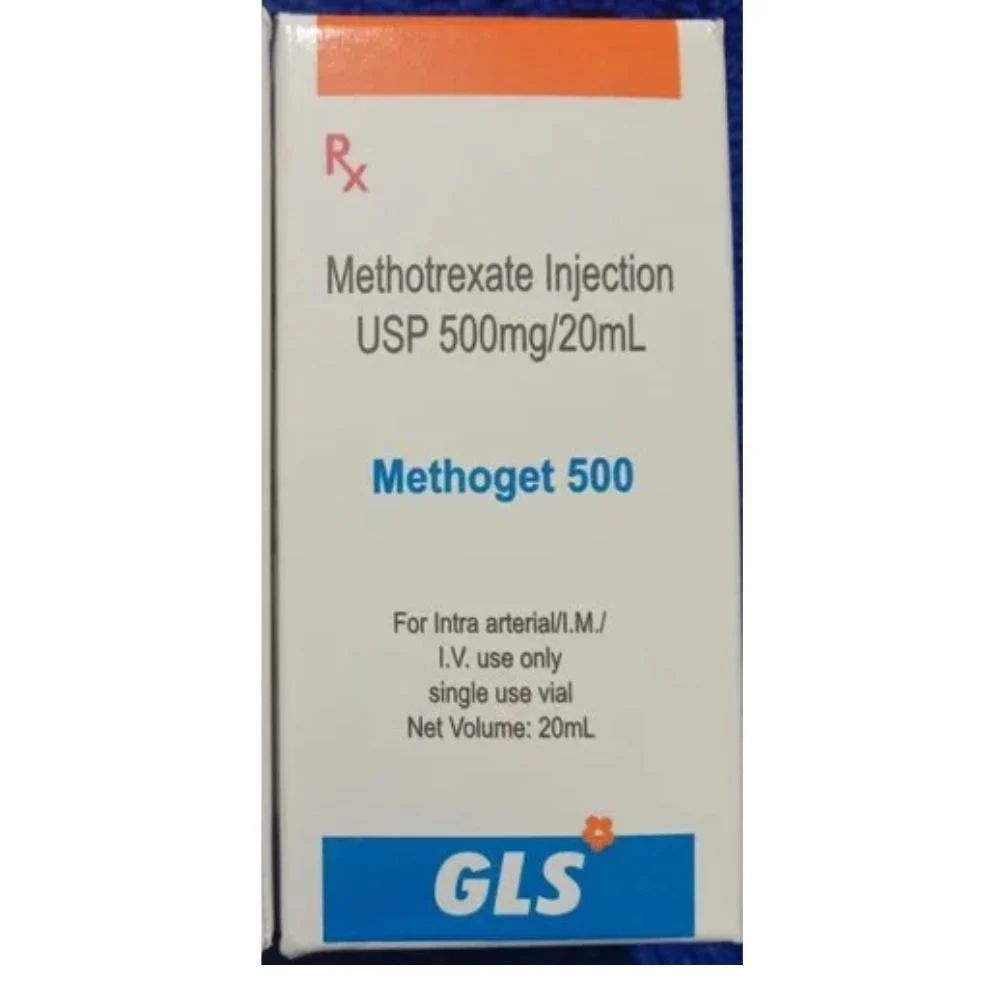
Introduction to Methoget (Methotrexate)
Methoget, the brand name for Methotrexate, is a powerful and versatile medication categorized as an antimetabolite and immunosuppressant. It belongs to the class of folate antagonists, meaning it interferes with the metabolism of folic acid, a vitamin essential for cell growth and DNA synthesis. This fundamental action underpins its widespread use in managing a diverse range of conditions, from various forms of cancer to severe autoimmune diseases like rheumatoid arthritis and psoriasis.
Initially developed as an anticancer agent, Methotrexate's ability to selectively inhibit rapidly dividing cells made it invaluable in oncology. Over time, researchers discovered its profound anti-inflammatory and immunomodulatory properties at much lower doses, revolutionizing the treatment of chronic inflammatory conditions. As an expert medical SEO copywriter and orthopedic specialist, this guide aims to provide an exhaustive, authoritative, and accessible resource on Methoget (Methotrexate), covering its intricate mechanisms, clinical applications, safety profile, and essential considerations for both patients and healthcare professionals. Understanding this medication is crucial for optimizing its therapeutic benefits while mitigating potential risks.
Mechanism of Action: How Methoget Works
Methoget (Methotrexate) exerts its therapeutic effects through several complex pathways, primarily centered around its role as a folate antagonist.
Folate Antagonist Activity
The primary mechanism involves the competitive inhibition of the enzyme dihydrofolate reductase (DHFR). DHFR is critical for converting dihydrofolate (DHF) into tetrahydrofolate (THF), which is a crucial coenzyme in the synthesis of:
* Purines: Adenine and Guanine (building blocks of DNA and RNA).
* Pyrimidines: Thymidine (a building block of DNA).
* Certain amino acids: Glycine and methionine.
By inhibiting DHFR, Methotrexate depletes intracellular THF levels, thereby impeding DNA synthesis, repair, and cellular replication. This effect is most pronounced in rapidly dividing cells, such as:
* Cancer cells (high proliferative rate).
* Immune cells (lymphocytes, activated during inflammation).
* Psoriatic skin cells (accelerated turnover).
* Bone marrow cells.
* Gastrointestinal mucosal cells.
This antimetabolite action is the cornerstone of its cytotoxic effects in cancer therapy and its antiproliferative effects in autoimmune diseases and psoriasis.
Immunomodulatory and Anti-inflammatory Effects (Lower Doses)
At the lower doses typically used for rheumatic diseases and psoriasis, Methotrexate's mechanism extends beyond direct cytotoxic effects. Its immunomodulatory properties are largely attributed to:
* Adenosine Pathway Modulation: Methotrexate inhibits the enzyme aminoimidazole carboxamide ribonucleotide (AICAR) transformylase, leading to an intracellular accumulation of AICAR. AICAR, in turn, inhibits adenosine deaminase and AMP deaminase, resulting in increased extracellular release of adenosine. Adenosine is a potent endogenous anti-inflammatory mediator that acts on A2A and A3 receptors on immune cells, leading to:
* Inhibition of neutrophil adhesion.
* Suppression of pro-inflammatory cytokine production (e.g., TNF-α, IL-1, IL-6, IL-8).
* Promotion of anti-inflammatory cytokine production (e.g., IL-10).
* Inhibition of T-cell Proliferation: While not as direct as in cancer, lower doses can still affect T-cell activation and proliferation, contributing to its immunosuppressive effects in autoimmune conditions.
* Apoptosis Induction: Methotrexate can induce apoptosis (programmed cell death) in certain inflammatory cells, further contributing to its therapeutic effects.
Other Proposed Mechanisms
- Inhibition of enzymes involved in purine metabolism, further disrupting cell growth.
- Modulation of cellular adhesion molecules.
Pharmacokinetics: Absorption, Distribution, Metabolism, Excretion (ADME)
Understanding Methoget's pharmacokinetics is crucial for appropriate dosing and monitoring.
Absorption
- Oral: Oral bioavailability is dose-dependent. At doses ≤ 30 mg/m², it is generally good (around 60%), but it can become saturated at higher oral doses, leading to variable and incomplete absorption. Peak plasma concentrations are typically reached within 1-2 hours.
- Intramuscular (IM) / Subcutaneous (SC): These routes offer more consistent and predictable absorption compared to oral administration, especially for lower weekly doses. Peak concentrations are similar to oral but can be slightly delayed.
- Intravenous (IV): Provides 100% bioavailability and is used for high-dose regimens in oncology.
- Intrathecal (IT): Administered directly into the cerebrospinal fluid (CSF) for CNS malignancies, bypassing the blood-brain barrier.
Distribution
- Protein Binding: Approximately 50% of Methotrexate is reversibly bound to plasma proteins, primarily albumin. This means it can be displaced by other drugs (e.g., NSAIDs, sulfonamides), potentially increasing free Methotrexate levels and toxicity.
- Tissue Distribution: Methotrexate distributes widely into body tissues, with significant concentrations found in the kidneys, liver, spleen, and skin. It can accumulate in third-space fluids (e.g., ascites, pleural effusions), which can lead to prolonged elimination and toxicity.
- Blood-Brain Barrier: Penetration into the central nervous system (CNS) is poor at conventional oral or IV doses. High-dose IV Methotrexate or intrathecal administration is required to achieve therapeutic concentrations in the CSF.
Metabolism
- Methotrexate undergoes limited hepatic metabolism. A minor active metabolite, 7-hydroxymethotrexate, is formed by aldehyde oxidase. This metabolite has less activity but can contribute to renal toxicity at high concentrations.
- Intestinal bacteria can metabolize Methotrexate to DAMPA (2,4-diamino-N10-methylpteroic acid).
Excretion
- Renal Excretion: The primary route of excretion is via the kidneys. Approximately 80-90% of the administered dose is excreted unchanged in the urine, primarily through glomerular filtration and active tubular secretion.
- Renal Impairment: Patients with impaired renal function will have significantly prolonged Methotrexate elimination, necessitating dose adjustments or contraindication.
- Biliary Excretion: A small amount (5-10%) is excreted in the bile and undergoes enterohepatic recirculation, which can contribute to prolonged exposure.
Extensive Clinical Indications & Usage
Methoget (Methotrexate) is approved for a broad spectrum of conditions, categorized into oncological and non-oncological uses, reflecting its dual action as a cytotoxic agent and an immunomodulator.
Oncological Indications (Higher Doses)
Methotrexate is a cornerstone in the treatment of various cancers, often used in combination chemotherapy regimens.
* Acute Lymphoblastic Leukemia (ALL): A critical component of induction, consolidation, and maintenance therapy, including intrathecal administration for CNS prophylaxis.
* Non-Hodgkin Lymphoma (NHL): Used in various subtypes, often high-dose.
* Osteosarcoma: High-dose Methotrexate with leucovorin rescue is a standard component of adjuvant and neoadjuvant therapy.
* Breast Cancer: Used in combination regimens, particularly for high-risk early breast cancer.
* Head and Neck Cancers: For squamous cell carcinoma.
* Choriocarcinoma: Highly effective in gestational trophoblastic disease.
* Mycosis Fungoides (Cutaneous T-cell Lymphoma): For advanced stages.
* Other Solid Tumors: Including lung cancer and bladder cancer, often in palliative settings or as part of combination therapy.
Non-Oncological Indications (Lower Doses)
At significantly lower, weekly doses, Methotrexate is a highly effective disease-modifying agent for chronic inflammatory and autoimmune conditions.
* Rheumatoid Arthritis (RA):
* Considered the anchor drug and first-line disease-modifying antirheumatic drug (DMARD) for moderate to severe active RA.
* Reduces joint inflammation, prevents joint damage, and improves physical function.
* Often used in combination with other DMARDs or biologics.
* Psoriasis:
* For severe, recalcitrant, disabling psoriasis that is not adequately responsive to other forms of therapy.
* Reduces epidermal cell proliferation and inflammation.
* Psoriatic Arthritis:
* Treats both the skin and joint manifestations of psoriatic arthritis, similar to its role in RA.
* Crohn's Disease:
* Used as an immunomodulator for maintenance of remission in patients intolerant to or dependent on corticosteroids.
* Ectopic Pregnancy:
* Medical management of unruptured ectopic pregnancies, particularly when surgical intervention is not immediately required or desired.
* Systemic Lupus Erythematosus (SLE):
* Used off-label by some specialists for certain manifestations, particularly arthritis and skin involvement, when other treatments are ineffective or contraindicated.
* Juvenile Idiopathic Arthritis (JIA):
* A primary treatment option for children with moderate to severe JIA.
Dosage Guidelines and Administration
Dosage of Methoget (Methotrexate) is highly individualized, depending on the specific indication, patient's renal and hepatic function, and tolerance. It is critical to adhere strictly to prescribed dosages and administration schedules, as errors can lead to severe toxicity.
General Principles
- Weekly Dosing: For non-oncological indications (RA, psoriasis, psoriatic arthritis), Methotrexate is almost always administered once weekly. Daily dosing for these conditions is a common and potentially fatal error.
- Folic Acid Supplementation: For non-oncological uses, concurrent folic acid supplementation (typically 1-5 mg once daily, or 24-48 hours after the weekly Methotrexate dose) is crucial to reduce common side effects like nausea, stomatitis, and hair thinning, without significantly impacting efficacy.
- Monitoring: Regular monitoring of complete blood counts (CBC), liver function tests (LFTs), and kidney function (creatinine, GFR) is essential.
Specific Dosage Examples
The following table provides typical dosage ranges, but actual doses must be determined by a healthcare professional.
| Indication | Typical Initial Dosage (Oral/SC/IM) | Administration Frequency | Notes |
|---|---|---|---|
| Rheumatoid Arthritis (RA) | 7.5 mg - 15 mg | Once weekly | Gradually increased to a maximum of 20-25 mg/week based on response and tolerability. Folic acid supplementation is standard. |
| Psoriasis | 7.5 mg - 15 mg | Once weekly | Initial dose can be given as a single dose or divided into three doses 12 hours apart over 24 hours. Increased gradually to a maximum of 20-25 mg/week. |
| Psoriatic Arthritis | 7.5 mg - 15 mg | Once weekly | Similar to RA and Psoriasis. |
| Crohn's Disease | 15 mg - 25 mg | Once weekly (IM or SC) | Often initiated IM or SC due to potentially variable oral absorption in GI conditions. |
| Ectopic Pregnancy | 50 mg/m² (IM) | Single dose | Or multi-dose regimens depending on protocols. Strict monitoring of hCG levels is required. |
| Oncological Doses | Highly variable | Daily, weekly, or cycles | Doses range from low (e.g., 2.5-15 mg/day) to very high (e.g., 1-12 g/m² IV). Administered via IV infusion, oral, or intrathecal routes. High-dose regimens always require leucovorin rescue to protect healthy cells from excessive toxicity. Specific protocols are intricate and managed by oncologists. |
Administration Routes
Methoget can be administered via:
* Oral: Tablets.
* Subcutaneous (SC): Injection under the skin, often preferred for weekly doses to improve absorption and reduce GI side effects.
* Intramuscular (IM): Injection into a muscle.
* Intravenous (IV): Infusion into a vein, typically for higher doses in oncology.
* Intrathecal (IT): Injection into the cerebrospinal fluid (CSF) for CNS malignancies. This route carries unique neurotoxicity risks.
Contraindications: When Methoget Should NOT Be Used
Methoget (Methotrexate) is a potent medication with significant risks. It is absolutely contraindicated in certain situations to prevent severe, life-threatening adverse events.
- Hypersensitivity: Known severe hypersensitivity to Methotrexate.
- Severe Renal Impairment: As Methotrexate is primarily excreted by the kidneys, severe renal dysfunction (e.g., creatinine clearance < 30 mL/min) can lead to toxic accumulation.
- Severe Hepatic Impairment: Pre-existing severe liver disease, including cirrhosis, alcoholism, or significant abnormal liver function tests.
- Pre-existing Blood Dyscrasias: Significant anemia, leukopenia, thrombocytopenia, or bone marrow hypoplasia, unless the potential benefits outweigh the risks in cancer therapy.
- Active Infectious Disease: Presence of active, severe infection, as Methotrexate is an immunosuppressant and can worsen infections.
- Immunodeficiency Syndromes: Patients with overt or laboratory evidence of immunodeficiency.
- Pregnancy and Lactation: Absolute contraindication due to severe teratogenic and abortifacient effects (Pregnancy Category X). Methotrexate is excreted in breast milk.
- Alcoholism: Chronic alcohol abuse significantly increases the risk of liver toxicity.
- Concurrent Live Vaccines: Live attenuated vaccines are generally contraindicated during Methotrexate therapy due to the risk of vaccine-induced infection in an immunocompromised patient.
- Serious Gastrointestinal Ulceration: Active peptic ulcer disease or ulcerative colitis, as Methotrexate can exacerbate GI mucosal damage.
Drug Interactions: Important Considerations
Methoget (Methotrexate) has numerous clinically significant drug interactions that can alter its efficacy or increase its toxicity. Careful review of all concomitant medications is essential.
Medications Increasing Methotrexate Toxicity
These drugs can increase Methotrexate plasma levels or enhance its adverse effects:
* Nonsteroidal Anti-inflammatory Drugs (NSAIDs) and Salicylates (e.g., Aspirin): Can reduce renal clearance of Methotrexate, leading to elevated and prolonged Methotrexate levels, increasing toxicity (especially at high doses of Methotrexate). Use with caution and close monitoring, or avoid if possible, especially with high-dose MTX.
* Proton Pump Inhibitors (PPIs) (e.g., Omeprazole, Pantoprazole): Can delay the renal elimination of Methotrexate, particularly at high doses, leading to increased plasma concentrations and toxicity.
* Trimethoprim/Sulfamethoxazole (Bactrim/Septra): Inhibits DHFR, similar to Methotrexate, leading to additive myelosuppression and increased risk of pancytopenia. Should generally be avoided.
* Penicillins and Cephalosporins: Can decrease the renal clearance of Methotrexate, potentially increasing its levels and toxicity.
* Probenecid: Inhibits renal tubular secretion of Methotrexate, leading to increased plasma concentrations.
* Sulfonamides, Phenylbutazone, Phenytoin, Tetrahydrofolate Analogs: Can displace Methotrexate from plasma protein binding sites, increasing the free (active) fraction of the drug.
* Retinoids (e.g., Acitretin): Concomitant use with Methotrexate increases the risk of hepatotoxicity.
* Nitrous Oxide: Prolonged exposure to nitrous oxide can inactivate vitamin B12 and folate, leading to a functional folate deficiency, which can potentiate Methotrexate toxicity.
Medications Decreasing Methotrexate Efficacy
- Folic Acid Supplements (beyond prescribed rescue): While often given to reduce side effects, excessive or improperly timed folic acid can theoretically reduce Methotrexate's therapeutic efficacy.
Other Important Interactions
- Live Attenuated Vaccines: As an immunosuppressant, Methotrexate can reduce the immune response to vaccines and increase the risk of infection from live attenuated vaccines (e.g., MMR, varicella, rotavirus, yellow fever).
- Hepatotoxic Drugs (e.g., Alcohol, Azathioprine, Sulfasalazine): Concurrent use can increase the risk of liver damage. Alcohol consumption should be strictly limited or avoided.
- Theophylline: Methotrexate may reduce the clearance of theophylline, potentially leading to increased theophylline levels and toxicity.
- Caffeine: Some studies suggest that high caffeine intake might reduce Methotrexate's efficacy in RA, possibly by competing for adenosine receptors. However, this interaction is not fully established and generally does not warrant caffeine restriction.
Risks, Side Effects, and Adverse Reactions
Methoget (Methotrexate) can cause a range of side effects, from mild and manageable to severe and life-threatening. Regular monitoring and patient education are paramount.
Common Side Effects (Often Dose-Related and Mitigated by Folic Acid)
- Gastrointestinal: Nausea, vomiting, diarrhea, abdominal pain, stomatitis (mouth sores), mucositis.
- Fatigue and Malaise: General feeling of tiredness.
- Headache, Dizziness.
- Hair Thinning/Loss (Alopecia): Usually reversible upon discontinuation.
- Skin Reactions: Rash, photosensitivity (increased sensitivity to sunlight).
- Elevated Liver Enzymes: Mild and transient elevations are common.
Serious Side Effects (Requiring Immediate Medical Attention)
- Hematologic Toxicity (Myelosuppression):
- Leukopenia/Neutropenia: Increased risk of infection.
- Thrombocytopenia: Increased risk of bleeding/bruising.
- Anemia: Fatigue, pallor.
- Monitoring: Regular Complete Blood Count (CBC) is crucial.
- Hepatic Toxicity:
- Elevated LFTs, liver fibrosis, and potentially cirrhosis (especially with prolonged use or in patients with risk factors like alcohol abuse, obesity, diabetes).
- Monitoring: Regular Liver Function Tests (LFTs) and sometimes liver biopsies.
- Pulmonary Toxicity (Methotrexate Pneumonitis):
- A potentially life-threatening inflammatory lung condition that can occur at any dose.
- Symptoms: Dry cough, shortness of breath (dyspnea), fever, chest pain.
- Action: Immediate discontinuation of Methotrexate and medical evaluation.
- Renal Toxicity:
- Acute kidney injury due to Methotrexate precipitation in renal tubules (more common with high-dose IV).
- Monitoring: Renal function tests (creatinine, GFR).
- Gastrointestinal Toxicity:
- Severe mucositis, gastrointestinal ulceration, or even perforation.
- Infections:
- Increased susceptibility to bacterial, viral, fungal, and opportunistic infections due to immunosuppression.
- Dermatologic Reactions:
- Severe skin reactions (e.g., Stevens-Johnson syndrome, toxic epidermal necrolysis), rarely.
- Neurological Toxicity:
- Headache, fatigue, cognitive dysfunction, seizures, paralysis (especially with intrathecal administration).
- Lymphoproliferative Disorders:
- Rarely, patients on Methotrexate can develop lymphoproliferative disorders, which may regress upon discontinuation.
Monitoring Parameters
To ensure patient safety and optimize therapy, regular monitoring is mandatory:
* Baseline and Regular CBC with differential: Every 2-4 weeks initially, then every 1-2 months.
* Baseline and Regular Liver Function Tests (LFTs): AST, ALT, albumin, bilirubin – every 2-4 weeks initially, then every 1-2 months.
* Baseline and Regular Kidney Function Tests: Serum creatinine, calculated GFR – every 2-4 weeks initially, then every 1-2 months.
* Hepatitis B and C screening: Before initiation.
* Chest X-ray: If pulmonary symptoms develop.
* Patient Education: Instruct patients to report any signs of infection, bleeding, shortness of breath, severe mouth sores, or jaundice immediately.
Pregnancy and Lactation Warnings
Methoget (Methotrexate) is an absolute contraindication during pregnancy and lactation due to severe risks to the fetus and infant.
Pregnancy
- Pregnancy Category X: Methotrexate is highly teratogenic (causes birth defects) and abortifacient (causes abortion). It can cause:
- Fetal death.
- Severe congenital malformations (e.g., craniofacial, limb, CNS abnormalities).
- Contraception: Women of childbearing potential and men whose partners could become pregnant must use effective contraception during Methotrexate therapy and for a specified period after discontinuation.
- Women: Generally recommended for at least one ovulatory cycle (e.g., 3-6 months) after stopping Methotrexate.
- Men: Generally recommended for at least 3-6 months after stopping Methotrexate due to potential effects on sperm.
- Prior to Treatment: A pregnancy test must be performed on all women of childbearing potential before initiating Methotrexate.
Lactation
- Methotrexate is excreted into breast milk in clinically significant amounts.
- Due to the potential for serious adverse reactions in the nursing infant (e.g., bone marrow suppression, growth retardation), Methotrexate is contraindicated during breastfeeding. Mothers receiving Methotrexate should not breastfeed.
Overdose Management
Methotrexate overdose can lead to severe, life-threatening toxicity. Prompt recognition and aggressive management are critical.
Symptoms of Overdose
Symptoms of Methotrexate overdose are typically an exaggeration of its known toxicities and may include:
* Severe Myelosuppression: Profound leukopenia, thrombocytopenia, anemia.
* Severe Mucositis: Extensive and painful mouth sores, stomatitis, esophagitis, gastrointestinal ulceration, diarrhea.
* Hepatic Toxicity: Severe elevation of liver enzymes, jaundice, liver failure.
* Renal Toxicity: Acute kidney injury, decreased urine output.
* Neurological Toxicity: Seizures, coma (especially with intrathecal overdose).
Immediate Action
- Discontinue Methotrexate: Immediately stop all further administration of Methotrexate.
- Administer Leucovorin Rescue: Leucovorin (folinic acid) is the specific antidote for Methotrexate overdose. It bypasses the DHFR inhibition by providing a reduced folate source, allowing cells to resume DNA synthesis and repair.
- Dosage: Leucovorin should be administered as soon as possible, often intravenously, in doses equal to or greater than the Methotrexate dose, and continued until Methotrexate levels are within safe limits.
- Timing is critical: The earlier Leucovorin is given, the more effective it is in preventing toxicity.
- Hydration and Urine Alkalinization:
- Maintain vigorous intravenous hydration to promote Methotrexate excretion.
- Alkalinization of the urine with sodium bicarbonate can help prevent the precipitation of Methotrexate and its metabolites in the renal tubules, reducing the risk of acute kidney injury.
- Glucarpidase (Voraxaze): For patients with delayed Methotrexate clearance due to renal impairment, or very high Methotrexate concentrations despite Leucovorin, glucarpidase can be used. Glucarpidase is an enzyme that rapidly hydrolyzes Methotrexate into inactive metabolites, significantly lowering plasma Methotrexate levels.
- Supportive Care:
- Blood Transfusions: For severe anemia or thrombocytopenia.
- Granulocyte Colony-Stimulating Factors (G-CSFs): To stimulate white blood cell production in severe neutropenia.
- Antiemetics: For severe nausea and vomiting.
- Antibiotics: For infections arising from myelosuppression.
- Electrolyte Management: Correct any electrolyte imbalances.
Monitoring
- Serial Methotrexate Levels: Frequent monitoring of plasma Methotrexate levels is essential to guide Leucovorin dosing and duration.
- Blood Counts: Daily CBC with differential to monitor myelosuppression.
- Renal and Liver Function Tests: Monitor for organ damage.