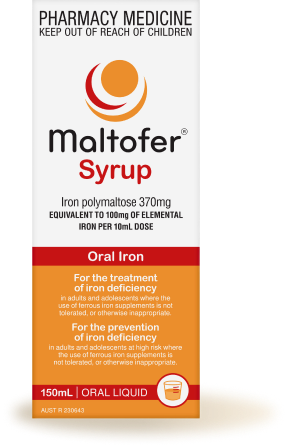
Maltofer: An In-Depth Medical SEO Guide to Iron Deficiency Management
1. Comprehensive Introduction & Overview
Maltofer is a widely recognized and trusted oral iron supplement primarily used for the treatment of iron deficiency and iron deficiency anemia. Unlike traditional iron salts, Maltofer contains Iron Polymaltose Complex (IPC), also known as Ferric Hydroxide Polymaltose Complex (FHPC). This unique formulation distinguishes it from other iron preparations by offering a different absorption profile and often improved gastrointestinal tolerability, making it a preferred choice for many patients requiring iron supplementation.
Iron is an essential mineral vital for numerous bodily functions. It is a key component of hemoglobin, the protein in red blood cells that carries oxygen from the lungs to all parts of the body. Iron is also crucial for myoglobin (oxygen storage in muscles), various enzymes involved in energy production, DNA synthesis, and immune function. A deficiency in iron can lead to a range of symptoms, from fatigue and weakness to impaired cognitive function and a weakened immune system, culminating in iron deficiency anemia (IDA) in severe cases.
Maltofer is designed to replenish iron stores effectively and safely, helping to restore normal hemoglobin levels and alleviate the symptoms associated with iron deficiency. Its unique non-ionic structure minimizes the release of free iron ions in the gastrointestinal tract, contributing to its favorable side effect profile compared to conventional ferrous salts.
Key Highlights of Maltofer:
- Active Ingredient: Iron Polymaltose Complex (IPC) / Ferric Hydroxide Polymaltose Complex (FHPC).
- Primary Use: Treatment and prophylaxis of latent iron deficiency and iron deficiency anemia.
- Formulations: Available in various forms, including oral drops, syrup, and chewable tablets, catering to diverse patient needs, including children and adults.
- Benefits:
- Good gastrointestinal tolerability.
- Controlled, physiological absorption.
- Fewer reported drug and food interactions compared to ferrous salts.
- Effective in normalizing hemoglobin levels and replenishing iron stores.
2. Deep-dive into Technical Specifications & Mechanisms
Understanding the unique properties of Maltofer is crucial for appreciating its clinical efficacy and safety profile. The core of Maltofer's distinctiveness lies in its active pharmaceutical ingredient: Iron Polymaltose Complex (IPC).
Mechanism of Action (MoA)
The mechanism of action of Iron Polymaltose Complex differs significantly from that of simple iron salts (e.g., ferrous sulfate, ferrous fumarate).
- Non-ionic Complex: IPC is a macromolecular complex where ferric iron (Fe3+) is tightly bound to polymaltose ligands. This structure prevents the release of free iron ions in the gastrointestinal tract. Unlike ferrous salts, which dissociate into free ferrous ions (Fe2+) that can irritate the gut lining and generate reactive oxygen species, IPC maintains its stable complex form.
- Controlled Absorption: The absorption of iron from IPC is a controlled, active process rather than simple diffusion.
- The polymaltose complex has a structure similar to ferritin, the natural iron-storage protein.
- It is believed that the iron-polymaltose complex is absorbed via a specific, saturable receptor-mediated process in the intestinal mucosa (primarily the duodenum and jejunum). This process mimics the physiological absorption of dietary iron.
- Once absorbed into the mucosal cells, the iron is released from the complex and binds to transferrin for transport throughout the body, or it is stored as ferritin within the mucosal cells.
- Physiological Regulation: The absorption of iron from IPC is regulated by the body's iron status. In cases of iron deficiency, absorption is increased, while in replete individuals, absorption is reduced, minimizing the risk of iron overload. This physiological control contributes to its safety profile.
- Utilization: After absorption and binding to transferrin, iron is transported to the bone marrow for erythropoiesis (red blood cell formation), where it is incorporated into hemoglobin. It also replenishes iron stores in the liver, spleen, and other tissues as ferritin and hemosiderin.
Pharmacokinetics
The pharmacokinetic profile of Maltofer reflects its unique absorption mechanism.
- Absorption:
- Absorption of iron from IPC is not significantly influenced by food, unlike ferrous salts which can be inhibited by dietary components (e.g., phytates, tannins). This allows for flexible administration.
- The bioavailability of iron from IPC is lower than that of simple ferrous salts (typically 10-20% compared to 25-40%), but its controlled, sustained release and higher tolerability often lead to better patient adherence and overall effectiveness.
- Peak serum iron concentrations are generally lower and reached later with IPC compared to ferrous salts, reflecting the gradual, regulated absorption.
- Distribution:
- Once absorbed, iron is transported via transferrin in the bloodstream.
- It is primarily distributed to sites of erythropoiesis (bone marrow), the liver (for storage as ferritin), and the spleen.
- Metabolism:
- Iron is an essential mineral and is not metabolized in the conventional sense (i.e., broken down into inactive compounds). Instead, it is utilized, stored, and recycled within the body.
- The polymaltose ligand is believed to be metabolized and excreted, but the iron component is retained and used physiologically.
- Excretion:
- Excretion of iron is minimal and tightly regulated by the body.
- Small amounts of iron are lost through desquamation of epithelial cells (skin, gut lining), sweat, bile, and urine.
- The body has no active mechanism for excreting excess iron, which is why controlled absorption is crucial.
3. Extensive Clinical Indications & Usage
Maltofer is indicated for a broad range of conditions characterized by iron deficiency, whether latent or manifest as anemia. Its various formulations allow for tailored treatment plans.
Detailed Indications
- Latent Iron Deficiency: This refers to a state where the body's iron stores are depleted, but hemoglobin levels are still within the normal range. Symptoms may include fatigue, reduced exercise capacity, and impaired cognitive function. Maltofer is used to replenish these stores and prevent progression to anemia.
- Iron Deficiency Anemia (IDA): This is a more severe form of iron deficiency where hemoglobin levels fall below the normal range due to insufficient iron for erythropoiesis. Symptoms are more pronounced and include severe fatigue, pallor, shortness of breath, dizziness, and brittle nails. Maltofer is highly effective in restoring hemoglobin levels and iron stores.
- Prophylaxis of Iron Deficiency: Maltofer is often prescribed to prevent iron deficiency in individuals at high risk, including:
- Pregnancy and Lactation: Increased iron demands during pregnancy for fetal development and maternal blood volume expansion, and during lactation for breast milk production.
- Rapid Growth Periods: Infants, toddlers, and adolescents undergoing rapid growth spurts.
- Chronic Blood Loss: Conditions like heavy menstrual bleeding (menorrhagia), gastrointestinal bleeding (e.g., ulcers, hemorrhoids), or frequent blood donations.
- Chronic Kidney Disease (CKD): Especially in non-dialysis dependent patients, where iron deficiency is common due to reduced erythropoietin production and chronic inflammation.
- Post-Surgical Conditions: Particularly after bariatric surgery or other procedures affecting iron absorption.
- Vegetarian/Vegan Diets: Individuals adhering to these diets may have reduced dietary iron intake.
- Athletes: Intense physical activity can increase iron loss and demand.
Dosage Guidelines
The dosage of Maltofer varies depending on the severity of the iron deficiency, the patient's age, and the specific formulation used. It is crucial to follow the healthcare professional's recommendations.
General Guidelines (Consult Prescriber for specific dosing):
| Condition | Adults & Adolescents (>12 years) | Children (<12 years) | Pregnant Women |
|---|---|---|---|
| Latent Iron Deficiency | 100 mg iron (e.g., 1 chewable tablet or 10 mL syrup) daily. | 25-50 mg iron (e.g., 2.5-5 mL syrup or 10-20 drops) daily. | 100 mg iron daily. |
| Iron Deficiency Anemia | 100-200 mg iron (e.g., 1-2 chewable tablets or 10-20 mL syrup) daily. | 50-100 mg iron (e.g., 5-10 mL syrup or 20-40 drops) daily. | 100-200 mg iron daily. |
| Prophylaxis (Pregnancy) | 100 mg iron daily. | Not applicable. | 100 mg iron daily (typically from 2nd trimester). |
Administration:
* Maltofer should be taken during or immediately after a meal. This can further enhance tolerability and absorption.
* Drops/Syrup: Can be mixed with fruit or vegetable juice or other liquids.
* Chewable Tablets: Can be chewed or swallowed whole.
Duration of Treatment:
* Treatment duration depends on the severity of the iron deficiency.
* For iron deficiency anemia, treatment typically lasts 3-5 months until hemoglobin levels normalize. Following this, treatment should continue for several more weeks to months (e.g., 1-3 months) to replenish iron stores (ferritin).
* For latent iron deficiency, treatment usually lasts 1-2 months.
* Regular monitoring of hemoglobin, ferritin, and other iron parameters by a healthcare professional is essential to determine the appropriate duration and assess treatment efficacy.
Monitoring During Treatment
Regular follow-up is important to ensure the effectiveness and safety of Maltofer therapy.
* Hemoglobin (Hb): To assess the correction of anemia.
* Serum Ferritin: To monitor the replenishment of iron stores.
* Transferrin Saturation (TSAT) and Serum Iron: Can provide additional insights into iron status.
4. Risks, Side Effects, and Contraindications
While Maltofer is generally well-tolerated, it is crucial to be aware of potential risks, side effects, and contraindications.
Contraindications
Maltofer should not be used in patients with:
* Iron Overload:
* Hemochromatosis: A genetic disorder causing excessive iron absorption and accumulation in organs.
* Hemosiderosis: Iron overload due to frequent transfusions or other causes.
* Anemias Not Caused by Iron Deficiency: Maltofer is ineffective and potentially harmful in these conditions:
* Megaloblastic Anemia: Due to Vitamin B12 or folate deficiency.
* Hemolytic Anemia: Due to premature destruction of red blood cells.
* Aplastic Anemia: Bone marrow failure.
* Thalassemia: Genetic blood disorder affecting hemoglobin production.
* Sideroblastic Anemia: Impaired iron utilization in red blood cell production.
* Lead Anemia: Anemia caused by lead poisoning.
* Impaired Iron Utilization: Conditions where iron cannot be properly incorporated into hemoglobin, even if available.
* Hypersensitivity: Known allergy to Iron Polymaltose Complex or any of the excipients in the formulation.
Side Effects
Maltofer is known for its good tolerability, with gastrointestinal side effects generally less frequent and less severe compared to traditional ferrous salts.
Common Side Effects (may affect up to 1 in 10 people):
* Stool Discoloration: Darkening of stools is a very common and harmless side effect due to unabsorbed iron. It does not indicate gastrointestinal bleeding.
* Gastrointestinal Disturbances:
* Nausea
* Constipation
* Diarrhea
* Abdominal pain/discomfort
* Vomiting
These effects are typically mild and often resolve with continued use or by taking the medication with food.
Rare Side Effects (may affect up to 1 in 1,000 people):
* Headache
* Rash
* Itching
* Urticaria (hives)
Very Rare Side Effects (may affect up to 1 in 10,000 people):
* Anaphylactic reactions (severe allergic reactions) – extremely rare but require immediate medical attention.
Drug Interactions
One of the significant advantages of Iron Polymaltose Complex is its reduced propensity for drug and food interactions compared to ferrous salts. This is attributed to its non-ionic, complex structure.
- Antacids, Tetracyclines, Penicillamine, Fluoroquinolones, Levothyroxine: Unlike ferrous salts, which form insoluble complexes with these medications, IPC exhibits minimal or no clinically significant interaction. The non-ionic nature of IPC means it does not readily compete for absorption or chelate with other substances in the gut.
- Proton Pump Inhibitors (PPIs) and H2-receptor antagonists: While these medications can reduce gastric acid and potentially affect iron absorption, the effect on IPC absorption is generally less pronounced than on ferrous salts. However, prolonged use of acid-reducing drugs might still warrant monitoring of iron status.
- Chloramphenicol: Concomitant use with iron supplements may delay the hematological response to iron therapy.
- Allopurinol: While allopurinol can lead to iron accumulation in the liver in very specific circumstances (e.g., with parenteral iron in patients with hemochromatosis), this interaction is not typically a significant concern with oral IPC.
- Food Interactions: As mentioned, the absorption of IPC is generally not significantly impaired by food (e.g., phytates, oxalates, tannins in tea/coffee) compared to ferrous salts. However, taking it with or immediately after food can further improve tolerability.
It is always advisable to inform your doctor or pharmacist about all medications, supplements, and herbal remedies you are currently taking to avoid potential interactions.
Pregnancy and Lactation Warnings
Maltofer is widely considered safe and effective for use during pregnancy and lactation.
- Pregnancy: Iron requirements increase significantly during pregnancy to support fetal growth, placental development, and expansion of maternal blood volume. Iron deficiency and IDA are common during pregnancy and can lead to adverse outcomes for both mother and baby. Maltofer is frequently prescribed for the prevention and treatment of iron deficiency in pregnant women. Clinical studies and extensive post-marketing experience have shown no evidence of adverse effects on the fetus or mother when used at recommended doses. It is often categorized as Pregnancy Category B in some classification systems, indicating no evidence of risk in humans.
- Lactation (Breastfeeding): Iron requirements remain elevated during lactation, particularly for mothers who were iron deficient during pregnancy. Maltofer can be safely used by breastfeeding mothers to replenish their iron stores and ensure adequate iron in breast milk. Iron from Maltofer is excreted into breast milk in very small, clinically insignificant amounts, posing no risk to the infant.
Always consult your healthcare provider before starting any new medication during pregnancy or lactation.
Overdose Management
Acute iron poisoning is a serious concern, especially in children. However, the risk of severe acute toxicity with Maltofer (Iron Polymaltose Complex) is considerably lower than with traditional ferrous salts due to its controlled absorption mechanism.
- Symptoms of Overdose:
- Mild to Moderate: Gastrointestinal upset (nausea, vomiting, abdominal pain, diarrhea), dark or tarry stools. These are similar to common side effects but more severe.
- Severe (rare with oral IPC): In very rare and massive overdoses, systemic effects may occur, including metabolic acidosis, hypotension, cardiovascular collapse, liver damage, and central nervous system depression. However, the physiological absorption control of IPC makes such severe outcomes highly unlikely with oral formulations.
- Management of Overdose:
- Immediate Medical Attention: If an overdose is suspected, seek emergency medical help immediately.
- Supportive Care: Treatment is primarily supportive. This may include:
- Gastric Lavage: If ingestion was recent (within 1-2 hours) and the amount of iron is substantial, gastric lavage may be considered to remove unabsorbed iron from the stomach.
- Emesis/Activated Charcoal: Not typically recommended for iron overdose as activated charcoal does not bind iron effectively.
- Fluid and Electrolyte Management: To correct dehydration and electrolyte imbalances resulting from vomiting and diarrhea.
- Monitoring: Close monitoring of vital signs, iron levels, and organ function (e.g., liver, kidneys) is crucial.
- Chelation Therapy: In cases of severe systemic toxicity (extremely rare with oral IPC), iron chelation therapy with agents like deferoxamine may be considered. Deferoxamine binds to free iron in the bloodstream, forming a complex that can be excreted from the body. However, the need for chelation therapy with oral IPC overdose is exceptionally rare due to its low systemic toxicity.
Due to the inherent safety profile of IPC, accidental overdose in children typically results in mild or no symptoms. Nevertheless, all iron supplements should be stored out of reach of children.
5. Massive FAQ Section
Here are some frequently asked questions about Maltofer:
Q1: What is Maltofer used for?
Maltofer is used for the treatment of latent (hidden) iron deficiency and manifest iron deficiency anemia. It is also used for the prevention of iron deficiency, especially during pregnancy, lactation, periods of rapid growth, and in cases of chronic blood loss.
Q2: How is Maltofer different from other iron supplements like ferrous sulfate?
Maltofer contains Iron Polymaltose Complex (IPC), a non-ionic iron compound, whereas many other supplements contain ionic ferrous salts (e.g., ferrous sulfate, ferrous fumarate). IPC has a different absorption mechanism, leading to fewer gastrointestinal side effects (like nausea, constipation) and fewer drug/food interactions compared to ferrous salts. Its absorption is also physiologically regulated, reducing the risk of iron overload.
Q3: Can I take Maltofer with food?
Yes, it is recommended to take Maltofer during or immediately after a meal. This can help improve gastrointestinal tolerability and potentially enhance absorption, although its absorption is generally less affected by food than traditional iron salts.
Q4: How long does it take for Maltofer to work?
You may start to feel an improvement in symptoms (like fatigue) within a few weeks of starting Maltofer. However, it typically takes 3-5 months to normalize hemoglobin levels in iron deficiency anemia and an additional 1-3 months to fully replenish the body's iron stores (ferritin). Your doctor will monitor your iron levels to determine the exact duration of treatment.
Q5: What are the common side effects of Maltofer?
The most common side effect is dark stools, which is harmless and due to unabsorbed iron. Other common side effects, usually mild, include gastrointestinal disturbances like nausea, constipation, diarrhea, or abdominal pain. These are generally less frequent and less severe than with other iron preparations.
Q6: Does Maltofer cause dark stools?
Yes, Maltofer can cause dark or black stools. This is a common and harmless effect due to unabsorbed iron passing through the digestive system and does not indicate internal bleeding.
Q7: Is Maltofer safe during pregnancy and breastfeeding?
Yes, Maltofer is widely considered safe and effective for use during pregnancy and lactation. It is frequently prescribed to prevent and treat iron deficiency in pregnant and breastfeeding women, with no known adverse effects on the fetus or infant when used as directed.
Q8: Do I need a prescription for Maltofer?
In many regions, Maltofer is available over-the-counter without a prescription. However, it is always best to consult a healthcare professional before starting any iron supplement to confirm iron deficiency and determine the correct dosage.
Q9: Can Maltofer interact with other medications?
Maltofer has fewer reported drug interactions compared to traditional ferrous iron supplements. It generally does not interact significantly with antacids, tetracyclines, or levothyroxine. However, always inform your doctor or pharmacist about all medications, supplements, and herbal remedies you are taking to ensure there are no potential interactions.
Q10: What should I do if I miss a dose of Maltofer?
If you miss a dose, take it as soon as you remember, unless it is almost time for your next scheduled dose. In that case, skip the missed dose and continue with your regular dosing schedule. Do not take a double dose to make up for a missed one.
Q11: How should I store Maltofer?
Store Maltofer at room temperature (below 25°C or 77°F), away from direct light and moisture. Keep it out of reach of children, as accidental iron overdose can be dangerous for young children.
Q12: Can children take Maltofer?
Yes, Maltofer is available in formulations like oral drops and syrup that are suitable for children. The dosage for children will depend on their age and the severity of their iron deficiency, and should always be determined by a healthcare professional.