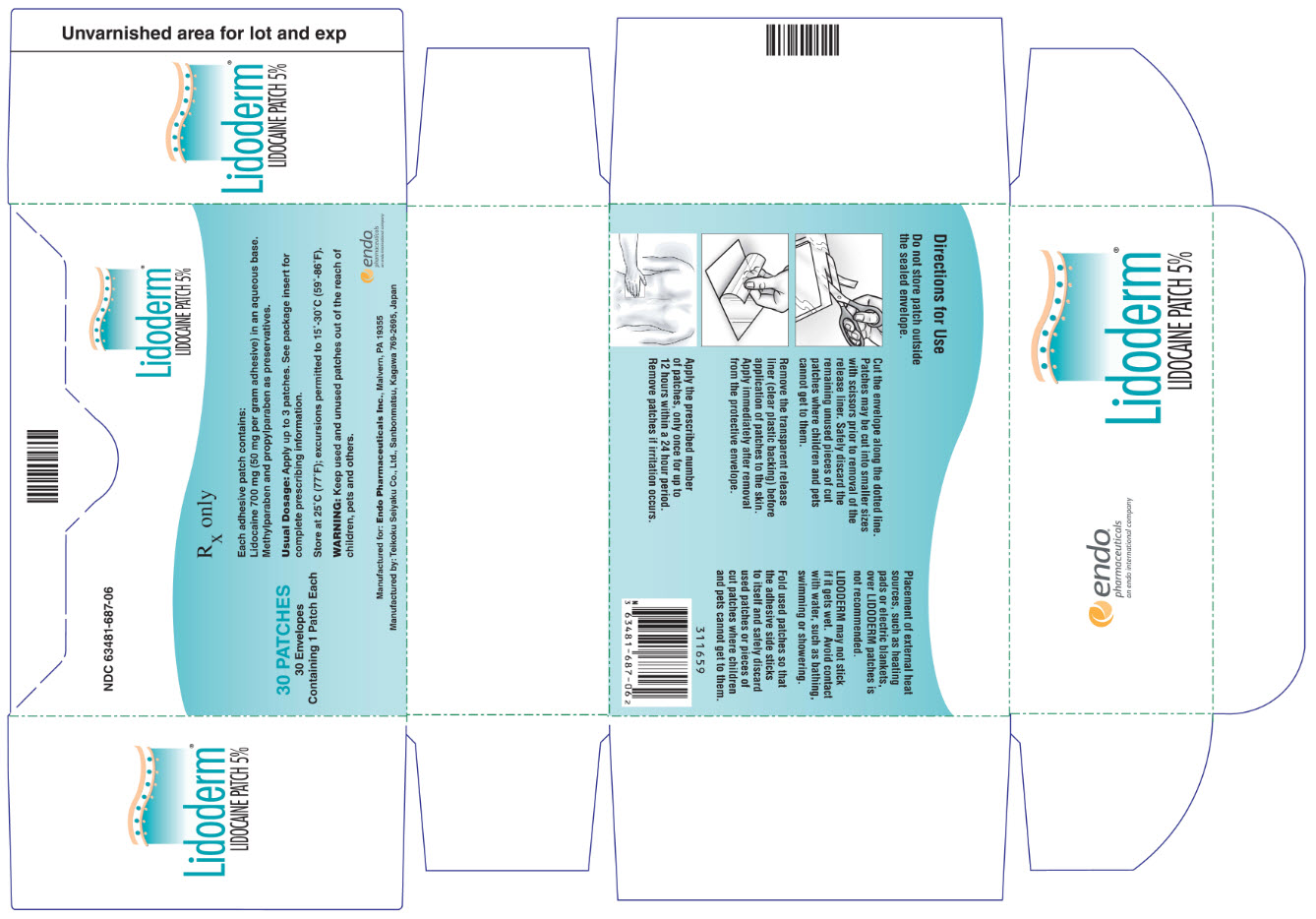
The Lidocaine Patch: A Comprehensive Medical SEO Guide for Targeted Pain Relief
As an expert in orthopedic pain management, I frequently recommend and utilize the lidocaine patch as a cornerstone of non-opioid, targeted pain relief strategies. This comprehensive guide delves into the intricate details of the lidocaine patch, offering an authoritative resource for patients, healthcare providers, and anyone seeking to understand its profound utility in managing localized pain conditions, particularly within an orthopedic context.
1. Introduction & Overview of the Lidocaine Patch
The lidocaine patch is a topical medication designed for the localized delivery of lidocaine, a potent amide-type local anesthetic. Unlike oral pain medications that circulate throughout the entire body, the lidocaine patch delivers its active ingredient directly to the site of pain, providing targeted relief with minimal systemic absorption. This characteristic makes it an invaluable tool in modern pain management, especially for chronic, localized neuropathic, and musculoskeletal pain.
The patch's design allows for a sustained, controlled release of lidocaine over several hours, ensuring consistent analgesic effects. Its non-invasive nature and favorable safety profile, particularly when compared to systemic analgesics, have cemented its role as a preferred option for many patients struggling with persistent localized discomfort. From postherpetic neuralgia (PHN) to various orthopedic conditions, the lidocaine patch offers a pathway to improved quality of life without the systemic side effects often associated with oral pain medications.
2. Deep-Dive into Technical Specifications & Mechanisms
Understanding how the lidocaine patch works requires an exploration of its active ingredient, lidocaine, and its pharmacokinetic profile.
Mechanism of Action
Lidocaine, as a local anesthetic, exerts its therapeutic effect by stabilizing the neuronal membrane. Its primary mechanism involves the reversible blockade of voltage-gated sodium channels in the neuronal cell membrane.
- Sodium Channel Blockade: Lidocaine, once absorbed into the nerve cell, binds to the alpha subunit of voltage-gated sodium channels. This binding prevents the influx of sodium ions into the cell, which is a critical step in the generation and propagation of nerve impulses.
- Interruption of Nerve Signal Transmission: By inhibiting sodium influx, lidocaine effectively raises the threshold for excitation, thereby preventing the depolarization of the nerve membrane. This action disrupts the transmission of pain signals along sensory nerves, particularly the A-delta and C fibers, which are responsible for transmitting pain and temperature sensations.
- Localized Effect: The topical application of the patch ensures that the concentration of lidocaine is highest at the site of application. This localized delivery minimizes systemic exposure, thereby reducing the likelihood of systemic side effects. The analgesic effect is primarily confined to the skin and subcutaneous tissues, providing targeted relief where it's needed most.
Pharmacokinetics
The pharmacokinetic profile of the lidocaine patch underscores its safety and efficacy.
- Absorption: Lidocaine is slowly and continuously absorbed from the patch through the intact skin. The rate and extent of absorption are influenced by factors such as skin integrity, duration of application, and the presence of occlusive dressings. Due to the controlled release system, systemic plasma concentrations of lidocaine remain very low, typically below 0.13 mcg/mL, which is significantly lower than the therapeutic range for systemic antiarrhythmic effects (1-5 mcg/mL).
- Distribution: Once absorbed, lidocaine is distributed throughout the local tissues. Systemic distribution is minimal given the low plasma concentrations. Lidocaine is approximately 60% to 80% bound to plasma proteins, primarily alpha-1-acid glycoprotein (AAG) and albumin.
- Metabolism: Lidocaine is primarily metabolized in the liver by cytochrome P450 enzymes, specifically CYP3A4 and CYP1A2. It undergoes N-dealkylation to form two active metabolites:
- Monoethylglycinexylidide (MEGX): This metabolite also possesses anesthetic and antiarrhythmic properties.
- Glycinexylidide (GX): This metabolite has a longer half-life than lidocaine but contributes less to the overall anesthetic effect.
Both MEGX and GX are further metabolized before excretion.
- Excretion: Lidocaine and its metabolites are primarily excreted by the kidneys. Less than 10% of unchanged lidocaine is excreted in the urine. The elimination half-life of lidocaine following topical application via a patch is typically longer than intravenous administration due to sustained absorption, but systemic accumulation is generally not a concern due to low overall absorption.
3. Extensive Clinical Indications & Usage
The lidocaine patch is approved for specific conditions and widely used off-label for a broad spectrum of localized pain states.
Detailed Indications
The primary FDA-approved indication for the lidocaine patch is:
- Postherpetic Neuralgia (PHN): This is a persistent neuropathic pain condition that can follow an outbreak of herpes zoster (shingles). The lidocaine patch is highly effective in reducing the allodynia (pain from non-painful stimuli) and hyperalgesia (increased sensitivity to pain) associated with PHN, providing significant relief without systemic side effects.
Orthopedic and Other Off-Label Applications
While PHN is the only FDA-approved indication, the lidocaine patch is extensively and effectively used off-label by orthopedic specialists and pain management physicians for a variety of localized pain conditions, demonstrating its versatility.
- Localized Musculoskeletal Pain:
- Osteoarthritis (OA): Particularly effective for localized joint pain in the knees, hands, shoulders, and hips, where the pain is superficial and well-demarcated. It offers an excellent alternative to oral NSAIDs for patients with gastrointestinal or cardiovascular concerns.
- Tendinopathies: Conditions like Achilles tendinopathy, patellar tendinopathy (jumper's knee), rotator cuff tendinopathy, and tennis/golfer's elbow can benefit from the targeted anti-nociceptive effect.
- Bursitis: Superficial bursitis (e.g., trochanteric bursitis, olecranon bursitis) can often be alleviated.
- Sprains and Strains: For localized pain and inflammation following minor soft tissue injuries.
- Myofascial Pain Syndrome: For specific trigger points or localized muscle pain.
- Chronic Back Pain: Especially for localized lumbar or cervical pain, or radicular pain that is well-localized along a nerve pathway.
- Post-Surgical Pain: Applied to incision sites after surgical procedures (e.g., knee arthroscopy, carpal tunnel release) to reduce localized incisional pain, often as part of a multimodal analgesic regimen.
- Fibromyalgia: For localized tender points, offering relief in specific areas of pain.
- Other Neuropathic Pain Conditions (Localized):
- Diabetic Neuropathy: For localized painful areas, though systemic treatments are often also required for widespread neuropathy.
- Carpal Tunnel Syndrome: Can provide temporary relief for localized wrist pain and paresthesias.
- Sciatica: If the pain is predominantly localized to a specific area of the buttock or thigh.
Dosage Guidelines
Adherence to proper dosage and application techniques is crucial for maximizing efficacy and minimizing potential risks.
- Standard Application:
- Apply 1 to 3 patches simultaneously to the most painful area of intact skin.
- The patches should be applied for a maximum of 12 hours within any 24-hour period. This "12 hours on, 12 hours off" regimen helps prevent tachyphylaxis (decreased drug effect over time) and minimizes the risk of systemic lidocaine accumulation.
- Application Technique:
- Ensure the skin is clean, dry, and free of cuts, abrasions, or irritation before applying the patch.
- Remove the protective liner and apply the adhesive side to the skin.
- Press firmly to ensure good contact, especially around the edges.
- If the painful area is larger than one patch, multiple patches can be applied adjacent to each other, but the total number should not exceed three.
- Patch Size and Placement: The patches are typically 10 cm x 14 cm. They can be cut to fit smaller or irregularly shaped areas, but ensure that the patch remains intact and the medicated area is not damaged. Do not cut into the drug reservoir if it's a gel-matrix type.
- Maximum Daily Dose: The maximum recommended application is 3 patches for 12 hours out of 24. Exceeding this increases the risk of systemic absorption and adverse effects.
- Pediatric Use: The safety and efficacy of lidocaine patches have not been established in pediatric patients (under 18 years of age). Use in this population should only be under strict medical supervision and if the benefits clearly outweigh the risks.
4. Risks, Side Effects, and Contraindications
While generally safe, it's essential to be aware of the potential risks, side effects, and contraindications associated with lidocaine patch use.
Contraindications
- Hypersensitivity: Known hypersensitivity or allergic reaction to lidocaine, other amide-type local anesthetics (e.g., bupivacaine, mepivacaine), or any other component of the patch.
- Damaged or Broken Skin: Do not apply the patch to damaged, broken, cut, or irritated skin, as this can significantly increase systemic absorption of lidocaine and lead to systemic toxicity.
- Mucous Membranes/Eyes: Avoid application to mucous membranes (e.g., mouth, nose) or near the eyes.
Side Effects
Most side effects are localized and mild. Systemic side effects are rare due to low absorption.
- Common (Local - at application site):
- Erythema (redness)
- Edema (swelling)
- Pruritus (itching)
- Rash
- Dermatitis
- Burning sensation
- Blistering
These reactions are usually transient and resolve after patch removal.
- Less Common (Systemic - very rare):
- Dizziness
- Lightheadedness
- Nausea, vomiting
- Drowsiness
- Allergic reactions (urticaria, angioedema, bronchospasm, anaphylaxis) - these are rare but possible.
- Serious (Extremely Rare - typically associated with high systemic levels, not usually from patches):
- Methemoglobinemia: A rare blood disorder where a higher-than-normal amount of methemoglobin is produced. Risk is higher in patients with glucose-6-phosphate dehydrogenase deficiency, congenital or idiopathic methemoglobinemia, cardiac or pulmonary compromise, or concurrent use of other methemoglobinemia-inducing agents. Symptoms include cyanosis (blue/gray skin, lips, nail beds), headache, fatigue, shortness of breath, rapid heart rate.
- Central Nervous System (CNS) Toxicity: Symptoms can include nervousness, dizziness, blurred vision, tremors, drowsiness, convulsions, and even coma.
- Cardiovascular Effects: Bradycardia (slow heart rate), hypotension (low blood pressure), cardiovascular collapse, and cardiac arrest.
Drug Interactions
While systemic absorption is minimal, potential drug interactions should be considered, especially in patients with pre-existing conditions or those taking other medications that affect lidocaine metabolism or have similar systemic effects.
- Antiarrhythmics: Concurrent use of lidocaine patches with other antiarrhythmic drugs (e.g., mexiletine, tocainide, amiodarone, quinidine, procainamide, disopyramide) may increase the risk of systemic toxicity and additive cardiac effects. Close monitoring is advised.
- Other Local Anesthetics: Concomitant use of other local anesthetics (topical or injectable) can lead to additive systemic effects and increased risk of toxicity.
- Methemoglobinemia-Inducing Agents: Drugs known to induce methemoglobinemia (e.g., sulfonamides, nitrites, dapsone, quinine, chloroquine, acetaminophen, phenobarbital, phenytoin, nitrofurantoin, nitric oxide) can increase the risk of this serious side effect when used with lidocaine.
- CYP3A4 and CYP1A2 Inhibitors/Inducers: Although systemic levels are low, strong inhibitors of CYP3A4 (e.g., ketoconazole, itraconazole, clarithromycin, ritonavir) or CYP1A2 (e.g., ciprofloxacin, fluvoxamine) could theoretically increase lidocaine levels, while inducers could decrease them. Clinical significance is generally considered low for topical lidocaine.
Pregnancy and Lactation Warnings
- Pregnancy (Category B): Lidocaine is classified as Pregnancy Category B. This means animal reproduction studies have shown no risk to the fetus, but there are no adequate and well-controlled studies in pregnant women. While systemic absorption from the patch is low, it should be used during pregnancy only if clearly needed and the potential benefits justify the potential risks to the fetus. Always consult with a healthcare provider.
- Lactation: Lidocaine is excreted into breast milk in small amounts following systemic administration. Due to the very low systemic plasma concentrations achieved with the lidocaine patch, the amount excreted into breast milk is expected to be minimal. The risk to a nursing infant is generally considered low, but caution is advised. A healthcare provider should be consulted before using the patch while breastfeeding.
Overdose Management
Systemic overdose from lidocaine patches is exceedingly rare due to the limited absorption. However, if multiple patches are applied for extended periods, or if applied to damaged skin, systemic toxicity could theoretically occur.
- Symptoms of Systemic Toxicity: These would mirror those seen with systemic lidocaine overdose, including CNS effects (nervousness, dizziness, blurred vision, tinnitus, tremors, muscle twitching, convulsions, coma) and cardiovascular effects (bradycardia, hypotension, myocardial depression, cardiac arrest).
- Management:
- Remove patches immediately: This is the first and most crucial step.
- Supportive care: Maintain airway, breathing, and circulation. Administer oxygen.
- Manage seizures: If convulsions occur, administer anticonvulsants (e.g., benzodiazepines like diazepam or lorazepam) intravenously.
- Manage hypotension: Administer IV fluids and vasopressors (e.g., phenylephrine, norepinephrine) as needed.
- Cardiac monitoring: Continuously monitor vital signs and cardiac rhythm.
- Lipid emulsion therapy: In severe cases of local anesthetic systemic toxicity, intravenous lipid emulsion therapy may be considered as an antidote.
- Consult Toxicology: In any suspected severe overdose, immediate consultation with a poison control center or toxicology specialist is recommended.
5. Massive FAQ Section
Here are frequently asked questions about the lidocaine patch, providing practical insights for users.
Q1: How long does a lidocaine patch take to work, and how long does the effect last?
A1: The onset of action can vary, but many users report noticeable pain relief within 30 minutes to an hour after application. The patch is designed to provide sustained relief for up to 12 hours during its application period.
Q2: Can I cut a lidocaine patch to fit a smaller area?
A2: Yes, most lidocaine patches can be cut with scissors to fit the specific size and shape of the painful area. Ensure that the patch remains intact and the medicated area is not damaged when cutting. Do not cut into the drug reservoir if it's a gel-matrix type, follow manufacturer instructions.
Q3: Is a lidocaine patch safe for daily use?
A3: Yes, the lidocaine patch is designed for daily use following the recommended regimen: apply for up to 12 hours, then remove for at least 12 hours within a 24-hour period. This "12 hours on, 12 hours off" cycle is crucial for maintaining efficacy and minimizing systemic exposure.
Q4: Can I shower or swim with a lidocaine patch on?
A4: While some patches may be designed to be water-resistant, it's generally recommended to avoid prolonged exposure to water, such as showering or swimming, with the patch on. Water can compromise the adhesive, causing the patch to detach or reduce its effectiveness. If the patch gets wet, check its adherence and ensure it's still firmly in place.
Q5: What's the difference between a lidocaine patch and an opioid pain patch?
A5: The fundamental difference lies in their mechanism of action and active ingredients. A lidocaine patch delivers a local anesthetic to block nerve signals at the site of pain, providing targeted relief without systemic effects. Opioid pain patches (e.g., fentanyl, buprenorphine) deliver opioid analgesics that act on opioid receptors in the brain and spinal cord, providing systemic pain relief but carrying risks of addiction, respiratory depression, and other significant systemic side effects. Lidocaine patches are non-opioid and non-addictive.
Q6: Can lidocaine patches be used for arthritis pain?
A6: Yes, lidocaine patches are commonly used off-label for localized arthritis pain, particularly for osteoarthritis in joints like the knee, hand, or shoulder. They are most effective when the pain is superficial and well-localized, offering an alternative to oral medications for patients who may not tolerate them or prefer targeted relief.
Q7: Are there any age restrictions for using lidocaine patches?
A7: The safety and efficacy of lidocaine patches have not been established in children under 18 years of age. Therefore, they are generally not recommended for pediatric use without specific medical guidance and careful consideration of risks versus benefits by a healthcare professional.
Q8: What should I do if I experience skin irritation at the application site?
A8: Mild redness, itching, or rash at the application site is common and usually resolves after removing the patch. If irritation persists, worsens, or becomes severe (e.g., blistering, significant swelling), remove the patch immediately and contact your healthcare provider. Avoid applying the patch to the same exact spot repeatedly.
Q9: Can I use more than one patch at a time?
A9: Yes, you can typically use up to three lidocaine patches simultaneously, applied to the most painful areas. However, you must adhere to the maximum application duration of 12 hours within a 24-hour period for the total number of patches used. Do not exceed three patches at once.
Q10: How do I properly dispose of used lidocaine patches?
A10: To prevent accidental exposure, especially to children or pets, used lidocaine patches should be folded in half with the adhesive sides together so that the medicated surface is no longer exposed. Then, place them in a child-resistant container and dispose of them in the trash. Do not flush them down the toilet.
Q11: Does the lidocaine patch have any systemic effects?
A11: While lidocaine is absorbed into the bloodstream, the systemic plasma concentrations achieved with the patch are very low – significantly below the levels required to produce systemic effects (like those seen with antiarrhythmic uses of lidocaine). Therefore, systemic side effects are extremely rare when the patch is used as directed.
Q12: Can I combine lidocaine patches with other pain medications?
A12: In many cases, lidocaine patches can be part of a multimodal pain management plan, used in conjunction with other oral or topical pain medications (e.g., NSAIDs, acetaminophen). However, it's crucial to discuss all medications you are taking with your healthcare provider to avoid potential drug interactions or additive side effects, especially with other local anesthetics or antiarrhythmics.