The Definitive Guide to Knee Hard Braces: Orthopedic Support and Recovery
Comprehensive Introduction & Overview
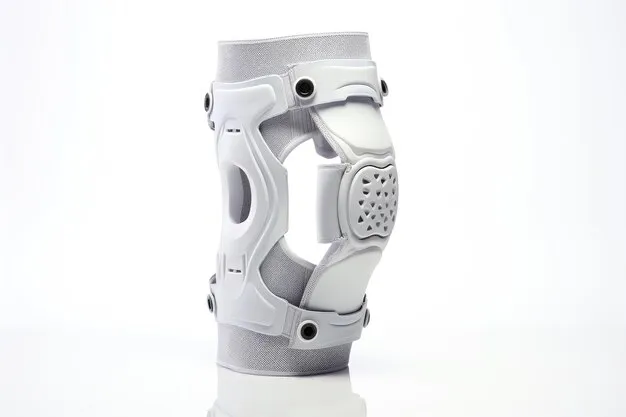
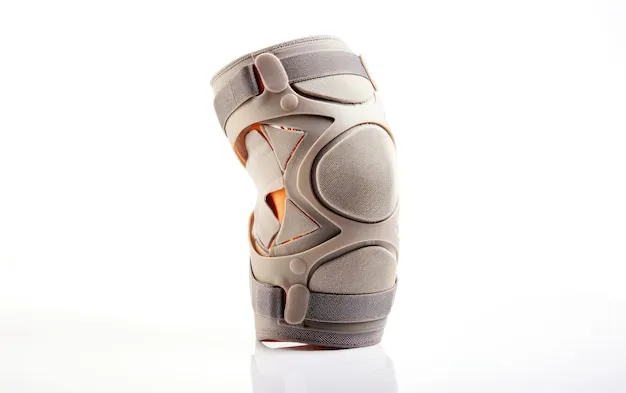
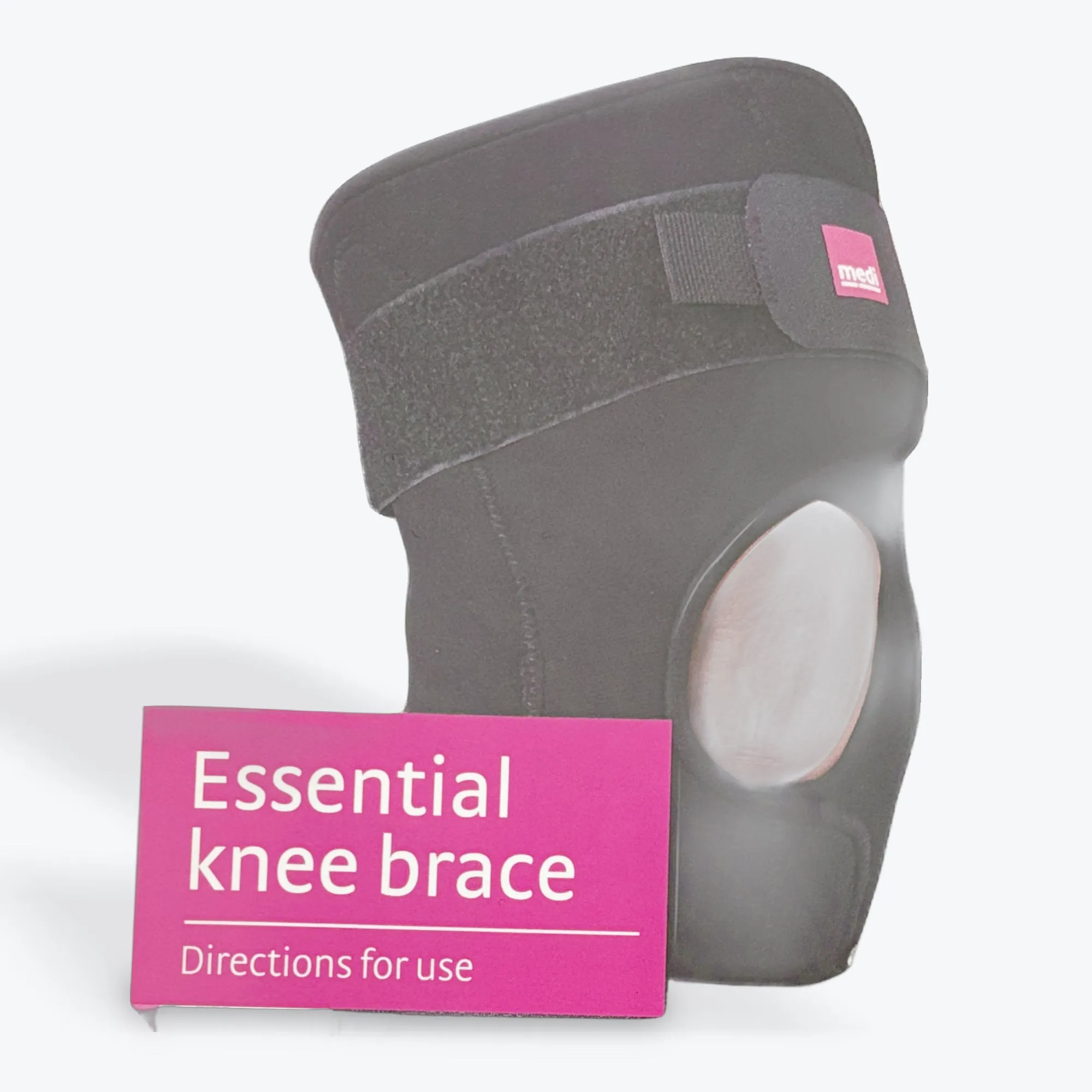
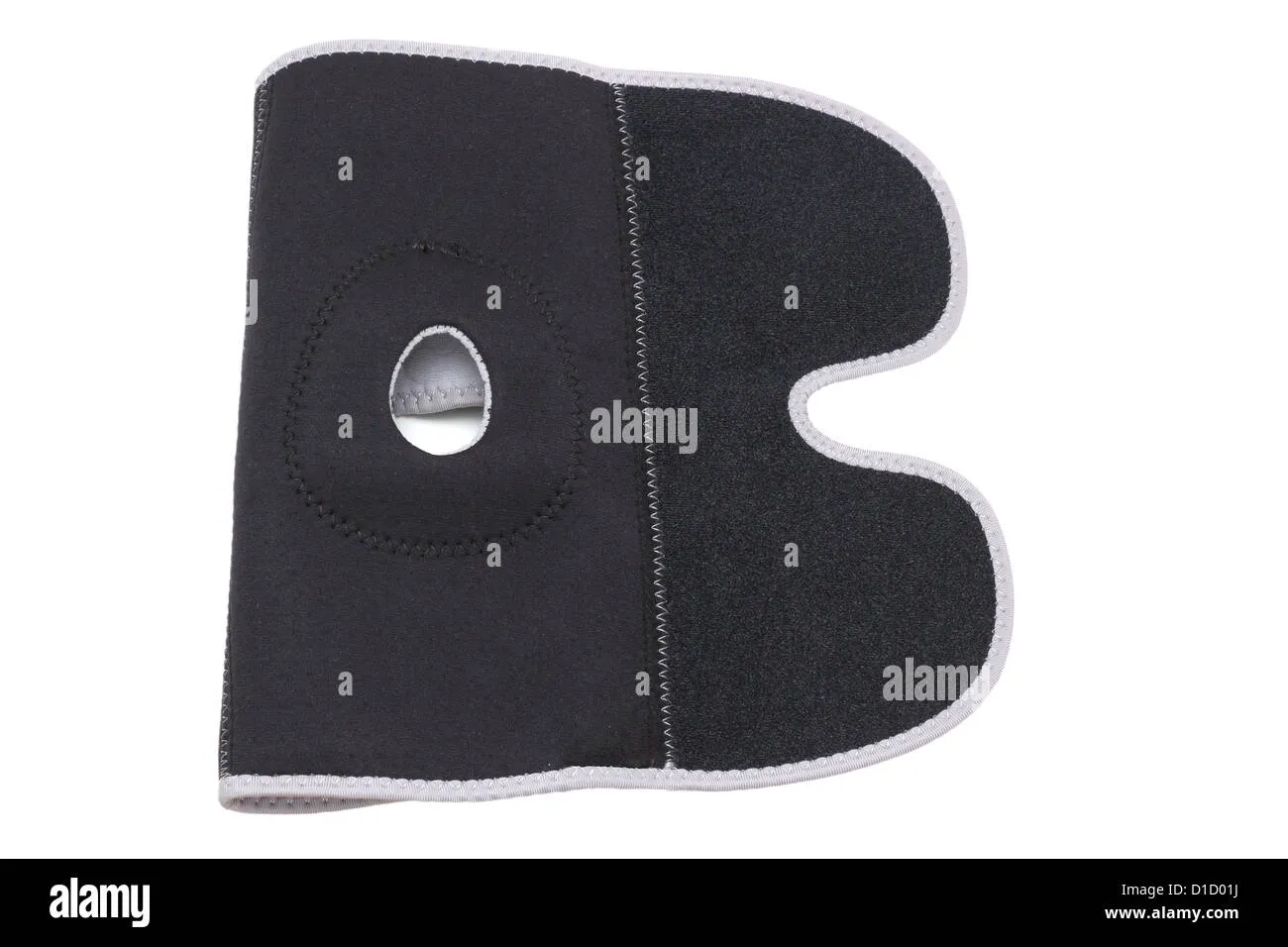
A knee hard brace, also known as a rigid or functional knee brace, is a robust external medical device designed to provide substantial support, stability, and protection to the knee joint. Unlike softer, compressive knee sleeves, hard braces are constructed from rigid materials such as carbon fiber, aluminum, or durable plastics, often incorporating hinges and straps to mimic the natural mechanics of the knee while offering structural reinforcement. These braces are custom-fitted or sized to provide precise control over knee movement, limit excessive range of motion, and unload specific compartments of the joint.
As an essential tool in orthopedic care, hard knee braces play a critical role in both injury management and post-operative rehabilitation. They are prescribed for a wide array of conditions, from stabilizing severe ligamentous injuries (e.g., ACL, PCL, MCL, LCL tears) and managing osteoarthritis to protecting healing tissues after complex knee surgeries. The primary goal is to facilitate healing, prevent further injury, reduce pain, and enable patients to return to daily activities or sports with greater confidence and safety. Understanding the specific design, application, and proper usage of these sophisticated devices is paramount for optimal patient outcomes.
Deep-dive into Technical Specifications and Biomechanical Mechanisms
The efficacy of a knee hard brace stems from its sophisticated biomechanical design, which aims to replicate or assist the natural functions of the knee joint while providing external support. The "mechanism of action" for a knee hard brace refers to its physical and mechanical principles, not pharmacological ones.
Biomechanics and Mechanism of Support
Hard knee braces function through several key biomechanical principles:
- Three-Point Pressure System: Most functional braces utilize a three-point pressure system to control specific movements or forces. For instance, in an anterior cruciate ligament (ACL) deficient knee, forces are applied to the anterior thigh, posterior calf, and anterior tibia to prevent anterior tibial translation. Similarly, for osteoarthritis, varus or valgus unloader braces apply pressure to shift weight away from the affected compartment.
- Ligamentous Support and Stability: By incorporating rigid uprights and strategically placed straps, hard braces can physically restrict excessive motion (e.g., hyperextension, hyperflexion, varus/valgus stress, rotational instability) that would otherwise strain injured ligaments. This external stabilization can substitute for damaged ligaments or protect reconstructed ones during the healing phase.
- Unloading/Offloading: In conditions like unicompartmental osteoarthritis, specific brace designs (e.g., unloader braces) are engineered to apply a corrective force that subtly alters the alignment of the knee, thereby "unloading" or "offloading" the pressure from the diseased compartment to the healthier one. This reduces pain and slows disease progression.
- Proprioceptive Feedback: While not a primary mechanism for hard braces (more common in soft braces), the constant contact and pressure from the brace can provide sensory feedback to the brain, enhancing the patient's awareness of their knee's position in space (proprioception) and potentially improving neuromuscular control.
- Impact Protection: For athletes, especially in contact sports, hard braces can offer a degree of impact protection, shielding the knee from direct blows.
Materials and Design Features
- Frame Materials: High-strength, lightweight materials like carbon fiber composites, aerospace-grade aluminum, and advanced thermoplastics are commonly used. These materials offer durability, rigidity, and minimal bulk.
- Hinge Mechanisms: Polycentric or monocentric hinges are engineered to track the natural rolling and gliding motion of the knee joint. Adjustable stops within the hinges allow for precise control over the range of motion (ROM) – limiting flexion, extension, or both to protect healing structures.
- Strapping Systems: Non-elastic, adjustable straps (often with buckles or Velcro closures) ensure a snug, secure fit. The placement and tension of these straps are crucial for applying the corrective forces effectively.
- Paddings and Liners: Skin-friendly, breathable, and often moisture-wicking materials are used for internal padding to enhance comfort, prevent skin irritation, and ensure proper brace positioning.
Pharmacokinetics (Irrelevance for Medical Devices)
It is crucial to clarify that a "Knee Hard Brace" is a medical device, not a pharmaceutical agent. Therefore, the concept of pharmacokinetics – which describes how a drug is absorbed, distributed, metabolized, and excreted by the body – is entirely inapplicable. Hard braces exert their therapeutic effects through mechanical and biomechanical means, not through biochemical interactions within the body. Their "action" is external and physical.
Extensive Clinical Indications & Usage
Knee hard braces are prescribed for a diverse range of orthopedic conditions, each requiring specific brace features and application protocols.
Detailed Indications
-
Ligamentous Instabilities:
- ACL (Anterior Cruciate Ligament) Injuries: Pre-operatively for stability, post-operatively for protection of grafts (e.g., after ACL reconstruction), and for chronic ACL deficiency in active individuals to prevent giving way.
- PCL (Posterior Cruciate Ligament) Injuries: To prevent posterior tibial translation, especially after PCL reconstruction or for chronic PCL insufficiency.
- MCL (Medial Collateral Ligament) & LCL (Lateral Collateral Ligament) Injuries: For severe (Grade III) tears, often in conjunction with other ligamentous damage, to provide stability during healing.
- Multi-ligamentous Knee Injuries: Following complex trauma involving multiple ligaments, to provide global stability during the healing and rehabilitation phases.
-
Osteoarthritis (OA):
- Unicompartmental Knee Osteoarthritis: Specifically, unloader braces (e.g., valgus brace for medial OA, varus brace for lateral OA) are used to shift mechanical load away from the degenerated compartment, reducing pain and potentially slowing disease progression.
- Post-Meniscectomy Syndrome: In some cases, to reduce joint stress after removal of part of the meniscus.
-
Post-Operative Rehabilitation:
- After Ligament Reconstructions (ACL, PCL, MCL, LCL): To protect the surgical repair or graft from excessive stress during the critical healing period, allowing controlled range of motion.
- Meniscal Repairs: To limit flexion and protect the repair site.
- Tibial Plateau Fractures (after fixation): To provide external support and controlled motion during bone healing.
- Osteotomies Around the Knee: To support the corrected alignment and protect the bone during healing.
- Articular Cartilage Procedures: To protect the healing cartilage from excessive load or shear forces.
-
Patellofemoral Instability (Severe Cases):
- While more often managed with soft braces, in severe or recurrent patellar dislocations, a hard brace with specific patellar buttressing or lateral stabilizers might be used temporarily.
-
Prophylactic Use (Limited):
- Some athletes (e.g., skiers, football players) may use hard braces prophylactically, though evidence for preventing primary ACL injuries is mixed. More commonly used to protect a previously injured or reconstructed knee.
Usage Guidelines: Prescription, Fitting, and Maintenance
Unlike medication "dosage," the effectiveness of a knee hard brace hinges on precise prescription, accurate fitting, and diligent adherence to usage protocols.
- Prescription by a Specialist: A hard knee brace should always be prescribed by an orthopedic surgeon, physical therapist, or other qualified medical professional. The prescription will specify the type of brace, required range of motion limits, and duration of use based on the patient's diagnosis, activity level, and recovery stage.
- Professional Fitting: This is perhaps the most critical step. A certified orthotist or trained medical professional must meticulously fit the brace.
- Measurement: Precise measurements of the thigh, calf, and knee joint circumference, as well as leg length, are taken.
- Custom vs. Off-the-Shelf: While off-the-shelf braces are common, custom-fabricated braces offer superior fit and efficacy for complex cases or unique anatomies.
- Alignment: The hinges must align correctly with the knee's axis of rotation.
- Strap Placement and Tension: Straps are adjusted to provide optimal support without causing excessive pressure, skin irritation, or impeding circulation.
- Wear Schedule:
- Duration: The brace may be worn continuously (except for hygiene) in early post-op phases, or only during specific activities (e.g., sports, prolonged standing) once healing progresses. Duration of use typically ranges from weeks to many months, depending on the condition.
- Activity Levels: Patients are often advised to wear the brace during activities that put stress on the knee and remove it for low-impact activities or sleep, as directed.
- Adjustments and Follow-up: Regular follow-up appointments are essential to check brace fit, make adjustments as swelling subsides or muscle atrophy occurs, and monitor skin integrity.
- Maintenance:
- Cleaning: Regular cleaning of pads and straps is necessary to prevent skin irritation and odor.
- Inspection: Periodically check hinges, straps, and frame for wear, damage, or loosening.
- Storage: Store in a cool, dry place away from direct sunlight.
Risks, Side Effects, or Contraindications
While highly beneficial, knee hard braces are not without potential issues.
Contraindications
Absolute contraindications are rare, but certain conditions or factors may make a hard brace unsuitable or require extreme caution:
- Severe Skin Conditions: Open wounds, active infections, severe dermatitis, or fragile skin in the area of brace application.
- Peripheral Vascular Disease (Severe): Braces can potentially compromise circulation, especially if fitted too tightly.
- Severe Peripheral Neuropathy: Reduced sensation may prevent the patient from feeling pressure points or irritation, leading to skin breakdown.
- Compartment Syndrome: Any condition that increases pressure within muscle compartments, as a brace could exacerbate it.
- Uncontrolled Swelling: A brace fitted during significant swelling will become loose as swelling subsides, reducing effectiveness and requiring refitting. Conversely, a tight brace on a swelling limb is dangerous.
- Allergy to Brace Materials: Rare, but possible.
- Non-compliance: Patients unwilling or unable to follow usage instructions will not benefit and may even be harmed.
- Gross Deformity: In some extreme deformities, off-the-shelf braces may not fit, requiring custom fabrication or different interventions.
Potential Side Effects and Adverse Events
These are generally localized and mechanical, not systemic like drug side effects.
- Skin Irritation/Breakdown: Redness, chafing, blisters, or pressure sores can occur, especially if the brace is ill-fitting, worn for prolonged periods without adjustment, or if hygiene is poor.
- Discomfort and Pain: Initial discomfort is common. Persistent pain may indicate improper fit, incorrect application, or underlying issues.
- Muscle Atrophy: Prolonged reliance on a brace without concurrent physical therapy can lead to muscle weakness and atrophy around the knee and thigh.
- Reduced Range of Motion: While often intended, excessive or prolonged restriction of motion can lead to joint stiffness if not managed with rehabilitation.
- Swelling: In some cases, a brace might impede lymphatic or venous return, leading to distal swelling.
- Nerve Compression: Improperly placed or overly tight straps can compress superficial nerves, leading to numbness, tingling, or weakness.
- Allergic Reaction: Rare, but possible reaction to padding materials or plastics.
- Functional Limitations: The brace itself can be bulky, restricting certain movements, making it difficult to wear under clothing, or interfering with specific activities.
- Brace Failure: Breakage of components (straps, hinges, frame) due to wear, impact, or manufacturing defect.
Interactions with Other Treatments or Devices
Unlike drug interactions, these are primarily mechanical or logistical.
- Physical Therapy: The brace's range of motion settings must be coordinated with physical therapy protocols. It may be worn during exercises or removed, depending on the goal.
- Other Assistive Devices: Crutches or walkers may be used concurrently. The brace should not interfere with their proper use.
- Topical Medications/Dressings: Care must be taken to ensure topical creams or wound dressings are not compromised by brace contact. Skin should be clean and dry before brace application.
- Clothing: Wearing thin, breathable clothing (e.g., knee sleeve or compression stocking) under the brace can reduce skin irritation and improve comfort.
- Imaging: Metal components in some braces may interfere with MRI scans, potentially requiring removal.
Special Considerations for Pregnancy, Lactation, and Other Populations
As a mechanical device, concerns are different from pharmaceutical warnings.
- Pregnancy:
- Fit Changes: Weight gain and fluid retention during pregnancy can alter leg circumference, requiring brace adjustments.
- Comfort: Increased abdominal size might make brace application or sitting uncomfortable.
- Skin Sensitivity: Hormonal changes can increase skin sensitivity, necessitating extra care regarding padding and fit to prevent irritation.
- Lactation: No direct concerns related to lactation, as the brace has no systemic effects.
- Pediatric Population: Braces for children require careful consideration of growth plates and growth velocity. Regular refitting is crucial.
- Geriatric Population: Skin fragility, reduced sensation, and potential cognitive impairment necessitate very careful fitting, monitoring, and caregiver education.
- Diabetic Patients: Increased risk of neuropathy and poor wound healing means diabetic patients require meticulous skin checks and precise brace fit to prevent skin breakdown.
Overdose Management (Irrelevance for Medical Devices)
Similar to pharmacokinetics, the concept of "overdose management" is entirely inapplicable to a medical device like a knee hard brace. There is no biological absorption or systemic toxicity. Misuse or improper application of a brace leads to mechanical complications (e.g., skin breakdown, nerve compression, increased pain, hindered healing), which are managed by immediate brace removal, refitting, addressing skin issues, and seeking medical consultation. It does not involve "detoxification" or "antidotes" in the pharmaceutical sense.