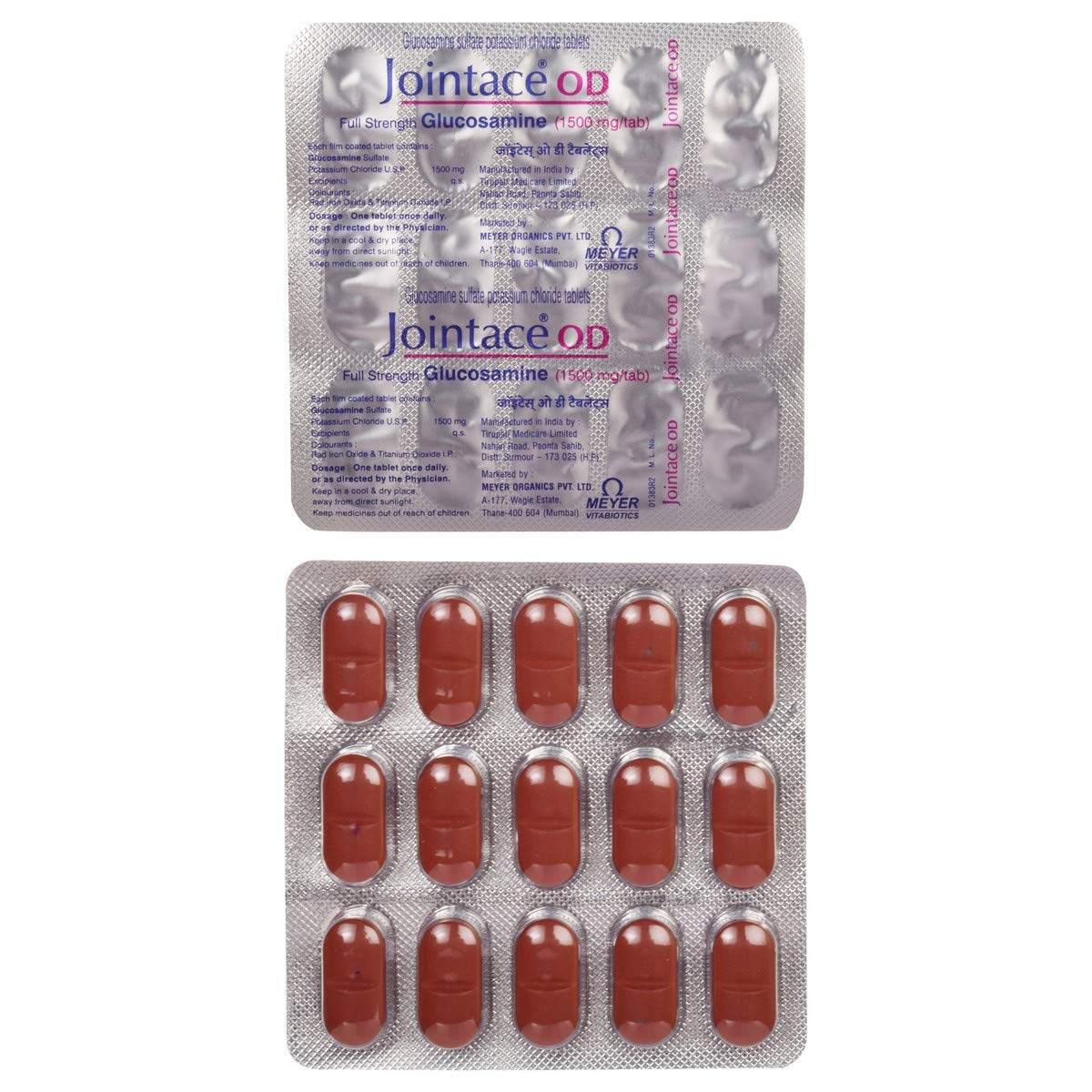
Jointace: An Expert Medical SEO Guide to Joint Health Support
As an expert Medical SEO Copywriter and Orthopedic Specialist, I understand the critical importance of accurate, comprehensive, and authoritative information regarding joint health supplements. Jointace, a widely recognized brand in the nutraceutical space, is formulated to support joint health and function through a synergistic blend of key ingredients. This exhaustive guide aims to provide a deep dive into Jointace, covering its technical specifications, clinical applications, safety profile, and more, all from a medical perspective.
Jointace is not a prescription medication but rather a dietary supplement designed to nourish and protect cartilage, maintain joint flexibility, and support overall musculoskeletal well-being. Its formulations typically combine well-researched ingredients such as Glucosamine Sulfate, Chondroitin Sulfate, Methylsulfonylmethane (MSM), and a spectrum of vitamins and minerals vital for bone and connective tissue health. Understanding the intricacies of such supplements is crucial for both healthcare professionals and individuals seeking to manage joint discomfort or support long-term joint integrity.
Deep-Dive into Technical Specifications and Mechanisms
Jointace's efficacy stems from the combined actions of its core ingredients, each contributing uniquely to joint health. While formulations can vary (e.g., Jointace Original, Jointace Collagen, Jointace Max), the fundamental mechanisms revolve around cartilage support, anti-inflammatory effects, and antioxidant protection.
Key Ingredients and Their Mechanisms of Action
Let's break down the primary components commonly found in Jointace products and their proposed biological roles:
-
Glucosamine Sulfate:
- Mechanism: Glucosamine is an amino sugar naturally present in the body and a fundamental building block for glycosaminoglycans (GAGs) and proteoglycans, which are essential components of cartilage. It stimulates chondrocytes (cartilage cells) to produce new collagen and proteoglycans, thereby contributing to cartilage repair and maintenance. It may also possess mild anti-inflammatory properties by inhibiting certain pro-inflammatory pathways.
- Role: Supports the structural integrity and elasticity of cartilage, potentially slowing down its degradation.
-
Chondroitin Sulfate:
- Mechanism: Chondroitin is a complex carbohydrate that helps cartilage retain water, providing elasticity and shock-absorbing properties. It can also inhibit enzymes (like collagenase and elastase) that degrade cartilage and promote the synthesis of new cartilage components. Furthermore, it may reduce inflammation and pain by modulating immune responses.
- Role: Enhances cartilage resilience, reduces enzymatic breakdown, and supports fluid balance within the joint.
-
Methylsulfonylmethane (MSM):
- Mechanism: MSM is an organic sulfur compound that serves as a rich source of sulfur, a critical element for the formation of connective tissues, including cartilage, ligaments, and tendons. Sulfur is also vital for collagen synthesis. MSM is believed to exert anti-inflammatory and analgesic effects by inhibiting NF-κB, reducing oxidative stress, and potentially interfering with pain nerve impulse transmission.
- Role: Provides sulfur for tissue repair, reduces inflammation, and alleviates joint pain.
-
Vitamins and Minerals (e.g., Vitamin C, Vitamin E, Vitamin D, Zinc, Copper, Manganese, Selenium):
- Mechanism:
- Vitamin C: Essential for collagen synthesis, acting as a co-factor in collagen hydroxylation, crucial for cartilage and bone strength. It's also a powerful antioxidant.
- Vitamin E & Selenium: Potent antioxidants that protect joint tissues from oxidative damage caused by free radicals, which can contribute to inflammation and cartilage degradation.
- Vitamin D: Crucial for calcium absorption and bone mineralization, indirectly supporting joint health by maintaining strong subchondral bone.
- Zinc, Copper, Manganese: Trace minerals involved in enzymatic processes critical for collagen formation, cartilage matrix synthesis, and antioxidant defense systems.
- Role: Support collagen production, provide antioxidant protection, and maintain overall bone and connective tissue health.
- Mechanism:
Pharmacokinetics of Jointace Components
Understanding the pharmacokinetics of a multi-ingredient supplement like Jointace involves considering the absorption, distribution, metabolism, and excretion (ADME) of each primary active component.
-
Glucosamine Sulfate:
- Absorption: Oral bioavailability ranges from 25% to 44% in humans, with absorption occurring primarily in the small intestine.
- Distribution: Distributes to various tissues, with a notable affinity for articular cartilage and synovial fluid.
- Metabolism: Primarily metabolized in the liver, partially incorporated into plasma proteins.
- Excretion: Excreted mainly via urine (approximately 10%) and feces (around 11%), with a significant portion incorporated into tissues.
-
Chondroitin Sulfate:
- Absorption: Oral bioavailability is lower than glucosamine, estimated between 10% and 20%. It is absorbed as high molecular weight polymers and depolymerized fragments.
- Distribution: Shows preferential uptake by joint tissues, including cartilage and synovial fluid.
- Metabolism: Partially depolymerized by intestinal bacteria and enzymes, then further metabolized in the liver.
- Excretion: Primarily renal excretion of metabolites and intact chondroitin fragments.
-
Methylsulfonylmethane (MSM):
- Absorption: Highly bioavailable, readily absorbed from the gastrointestinal tract. Peak plasma concentrations typically occur within 4 hours.
- Distribution: Widely distributed throughout the body, including joint tissues. Sulfur from MSM is incorporated into various amino acids and proteins.
- Metabolism: Metabolized to dimethyl sulfone (DMSO2) and other sulfur-containing compounds.
- Excretion: Primarily excreted unchanged or as metabolites in the urine, with a half-life of approximately 12-24 hours.
-
Vitamins and Minerals: Each has its own distinct pharmacokinetic profile, generally well-absorbed from the GI tract, distributed to target tissues, metabolized as needed, and excreted via renal or fecal routes depending on their specific chemical nature and body's requirements.
Extensive Clinical Indications and Usage
Jointace is primarily indicated as a dietary supplement for individuals seeking to support joint health, maintain cartilage integrity, and alleviate symptoms associated with joint degeneration.
Detailed Indications
- Osteoarthritis (OA) Symptom Management: Jointace is frequently used by individuals with mild to moderate osteoarthritis to help reduce joint pain, stiffness, and improve joint function. The combination of glucosamine and chondroitin is thought to provide symptomatic relief and potentially slow the progression of cartilage loss, though the latter remains an area of ongoing research.
- Prophylactic Joint Support: For athletes, individuals with physically demanding jobs, or those with a genetic predisposition to joint issues, Jointace may be used as a preventive measure to maintain cartilage health and reduce the risk of future joint problems.
- Post-Injury or Post-Surgical Recovery: Following joint injuries (e.g., meniscus tears, ligament sprains) or orthopedic surgeries, Jointace components may assist in the healing process by providing essential building blocks for tissue repair and reducing inflammation.
- General Joint Flexibility and Mobility: As people age, natural cartilage degradation can lead to reduced flexibility. Jointace can be used to support overall joint mobility and comfort, contributing to a better quality of life.
- Support for Healthy Connective Tissues: Beyond cartilage, the ingredients in Jointace contribute to the health of tendons, ligaments, and other connective tissues throughout the body.
Dosage Guidelines
The recommended dosage for Jointace can vary depending on the specific product formulation (e.g., Jointace Original, Jointace Max, Jointace Collagen) and the concentration of its active ingredients. Always refer to the product packaging for the most accurate and up-to-date dosage instructions.
General Guidelines (example based on typical formulations):
- Adults: Typically, 1 to 2 tablets or capsules per day, taken with a main meal and water.
- Duration of Use: For optimal benefits, continuous use for at least 3 months is often recommended, as the effects of glucosamine and chondroitin are generally not immediate but accumulate over time.
- Important Note: Do not exceed the recommended daily intake.
Administration
- Jointace supplements are designed for oral administration.
- They should be swallowed whole with water, preferably with a meal to enhance absorption and minimize potential gastrointestinal upset.
Risks, Side Effects, and Contraindications
While Jointace is generally well-tolerated, it is crucial to be aware of potential risks, side effects, and specific contraindications.
Potential Side Effects
Most side effects are mild and transient. They may include:
- Gastrointestinal Issues: Nausea, vomiting, diarrhea, constipation, heartburn, abdominal pain. These can often be mitigated by taking the supplement with food.
- Allergic Reactions: Rash, itching, swelling. (See Contraindications for specific allergens).
- Headache: Some individuals may experience headaches.
- Drowsiness/Insomnia: Less common, but reported.
- Increased Blood Pressure: Rare, but monitoring is advised for individuals with hypertension.
Contraindications
- Allergy to Shellfish: Many glucosamine products, including some Jointace formulations, are derived from shellfish (e.g., shrimp, crab). Individuals with known shellfish allergies must avoid these products. Vegetable-derived glucosamine alternatives exist, but it's important to check the specific product label.
- Pregnancy and Lactation: Due to insufficient data on safety in pregnant and breastfeeding women, Jointace is generally contraindicated during these periods. The potential risks to the fetus or infant are not fully established.
- Children and Adolescents: Jointace is not recommended for individuals under 18 years of age due to lack of adequate safety and efficacy data in this population.
- Severe Liver or Kidney Disease: Patients with severe hepatic or renal impairment should use Jointace with caution and under medical supervision, as the metabolism and excretion of its components may be altered.
- Uncontrolled Diabetes: Glucosamine can potentially affect blood glucose levels. Diabetics should monitor their blood sugar closely if taking Jointace and consult their doctor.
Drug Interactions
Jointace components can interact with certain medications, necessitating caution and medical consultation.
- Anticoagulants (e.g., Warfarin): Glucosamine and chondroitin may enhance the effect of anticoagulants, increasing the risk of bleeding. Close monitoring of INR (International Normalized Ratio) is essential if co-administered.
- Antidiabetic Medications: Glucosamine may potentially interfere with insulin sensitivity or glucose metabolism, leading to slight increases in blood sugar. Diabetics should monitor blood glucose levels closely and adjust antidiabetic medication as needed under medical supervision.
- Certain Chemotherapy Agents: There is limited evidence suggesting glucosamine might interfere with the efficacy of some chemotherapy drugs. Patients undergoing cancer treatment should consult their oncologist.
- Non-Steroidal Anti-Inflammatory Drugs (NSAIDs): While not a direct interaction, individuals often take Jointace to reduce the need for NSAIDs. Concurrent use is generally safe, but the combined anti-inflammatory effects should be noted.
- Antibiotics: Some studies suggest glucosamine might reduce the effectiveness of certain antibiotics, particularly tetracyclines.
Pregnancy and Lactation Warnings
As previously stated under contraindications:
- Pregnancy: There is a lack of sufficient, well-controlled studies on the use of Jointace ingredients in pregnant women. Therefore, it is generally advised to avoid Jointace during pregnancy. The potential risks to fetal development are unknown.
- Lactation: Similarly, it is unknown whether the active components of Jointace are excreted in human breast milk and what potential effects they could have on a nursing infant. For this reason, Jointace should be avoided during breastfeeding.
Overdose Management
Given that Jointace is a dietary supplement, acute overdose with severe, life-threatening effects is uncommon. However, exceeding recommended doses significantly can exacerbate side effects.
- Symptoms of Overdose: May include intensified gastrointestinal upset (severe nausea, vomiting, diarrhea), headache, and potentially allergic reactions.
- Management:
- Discontinuation: Immediately stop taking the supplement.
- Supportive Care: Treatment is primarily symptomatic and supportive.
- Gastrointestinal Distress: If severe, antiemetics for nausea or antidiarrheals may be considered.
- Hydration: Ensure adequate hydration, especially if experiencing vomiting or diarrhea.
- Medical Consultation: In cases of suspected overdose or severe symptoms, seek immediate medical attention. Bring the product packaging to the healthcare provider. There is no specific antidote for Jointace overdose.
Massive FAQ Section
Q1: What is Jointace primarily used for?
A1: Jointace is primarily used as a dietary supplement to support joint health, maintain cartilage integrity, improve joint flexibility, and help alleviate symptoms associated with joint degeneration, such as pain and stiffness, commonly seen in conditions like osteoarthritis. It provides essential building blocks and nutrients for connective tissues.
Q2: How long does it take to see results from Jointace?
A2: The effects of Jointace are generally not immediate. Due to the nature of cartilage repair and nutrient integration, it typically takes several weeks to a few months of consistent daily use to experience noticeable benefits. Many experts recommend a trial period of at least 3 months to assess its efficacy.
Q3: Can Jointace cure osteoarthritis?
A3: No, Jointace is a supplement designed to support joint health and manage symptoms, but it is not a cure for osteoarthritis. While its ingredients may help slow cartilage degradation and provide symptomatic relief, it does not reverse the underlying pathology of the disease. It should be used as part of a comprehensive management plan for OA.
Q4: Are there different types of Jointace products?
A4: Yes, Jointace offers several formulations to cater to different needs. Common variations include Jointace Original (basic glucosamine, chondroitin, vitamins), Jointace Max (higher strengths, often with omega-3 or collagen), Jointace Collagen (specifically with collagen peptides), and Jointace Sport. Always check the specific ingredients and dosages on the product label.
Q5: Is Jointace safe for long-term use?
A5: Jointace is generally considered safe for long-term use in healthy adults when taken at the recommended dosages. However, continuous monitoring for any adverse effects or drug interactions is advisable. Regular consultation with a healthcare professional is recommended for individuals on long-term therapy or with underlying health conditions.
Q6: Can I take Jointace with other medications?
A6: Jointace can interact with certain medications, particularly anticoagulants (like warfarin) and antidiabetic drugs. It's crucial to inform your doctor or pharmacist about all medications and supplements you are taking before starting Jointace to avoid potential interactions and ensure safety.
Q7: What should I do if I miss a dose of Jointace?
A7: If you miss a dose, take it as soon as you remember, unless it is almost time for your next dose. In that case, skip the missed dose and continue with your regular dosing schedule. Do not take a double dose to make up for a missed one. Consistency is key for optimal results.
Q8: Does Jointace cause weight gain?
A8: There is no strong scientific evidence to suggest that Jointace directly causes weight gain. Some individuals might report minor changes, but this is not a commonly recognized side effect of its primary ingredients (glucosamine, chondroitin, MSM) when taken at recommended doses.
Q9: Who should not take Jointace?
A9: Jointace should not be taken by individuals with a known allergy to shellfish (if the product contains shellfish-derived glucosamine), pregnant or breastfeeding women, children and adolescents under 18, and those with severe liver or kidney disease without medical consultation. Diabetics and individuals on blood thinners should use it with caution and under medical supervision.
Q10: How should Jointace be stored?
A10: Jointace should be stored in a cool, dry place, below 25°C (77°F), and protected from direct sunlight and moisture. Keep it out of the sight and reach of children. Do not use the product beyond its expiry date.
Q11: Can Jointace interact with alcohol?
A11: There are no known direct adverse interactions between Jointace components and moderate alcohol consumption. However, excessive alcohol intake can negatively impact overall health, including joint health, and may exacerbate potential gastrointestinal side effects. It's generally advisable to consume alcohol in moderation while taking any supplement.
Q12: Is Jointace suitable for vegetarians or vegans?
A12: Many Jointace formulations contain glucosamine derived from shellfish, making them unsuitable for vegetarians and vegans. Chondroitin is typically derived from animal cartilage. Some specialized vegetarian/vegan joint supplements exist, often using plant-based glucosamine (e.g., from corn) and alternative joint support ingredients. Always check the specific product label for suitability.
Q13: Can Jointace help with joint pain from exercise?
A13: Yes, Jointace can potentially help manage joint pain and discomfort associated with strenuous exercise or athletic activity by supporting cartilage health and reducing inflammation. It provides nutrients that are crucial for the repair and maintenance of joint tissues, which can be stressed during physical activity.
Q14: What is the difference between Glucosamine Sulfate and Glucosamine Hydrochloride (HCl)?
A14: Both are forms of glucosamine. Glucosamine Sulfate is the form most commonly used in clinical trials and has more established evidence for its efficacy in joint health. Glucosamine HCl typically contains a higher concentration of pure glucosamine but lacks the sulfate component, which is believed to be important for cartilage synthesis. Jointace typically uses Glucosamine Sulfate.
Q15: Should I stop taking Jointace if I experience side effects?
A15: If you experience persistent or severe side effects, it is recommended to discontinue Jointace and consult your healthcare provider immediately. For mild, transient side effects (like mild GI upset), trying to take the supplement with food or adjusting the timing might help, but always prioritize safety and medical advice.