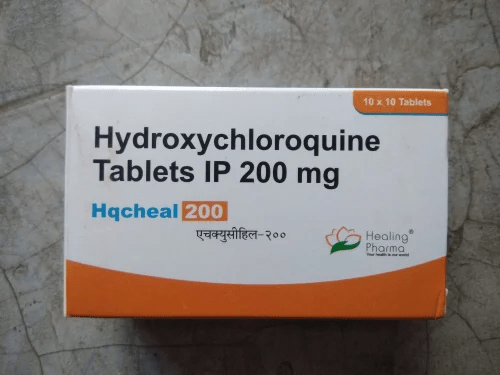
Hydroxychloroquine: A Comprehensive Medical SEO Guide
Hydroxychloroquine (HCQ), commonly known by its brand name Plaquenil, is an antimalarial drug that has found significant utility as a disease-modifying antirheumatic drug (DMARD) in the management of various autoimmune conditions. Its multifaceted mechanism of action, relatively favorable safety profile compared to other immunosuppressants, and long history of clinical use make it a cornerstone in the treatment of diseases like rheumatoid arthritis and systemic lupus erythematosus. This exhaustive guide provides a deep dive into HCQ, covering its technical specifications, clinical applications, safety considerations, and more, tailored for both medical professionals and informed patients.
1. Introduction & Overview of Hydroxychloroquine
Hydroxychloroquine is an oral aminoquinoline derivative, chemically related to chloroquine, but with a generally better safety profile, particularly regarding ocular toxicity. Initially developed as an antimalarial agent, its immunomodulatory and anti-inflammatory properties were recognized, leading to its widespread adoption in rheumatology. It is often considered a foundational therapy for several chronic autoimmune diseases due to its ability to slow disease progression, reduce flare-ups, and improve long-term outcomes. While generally well-tolerated, understanding its precise indications, potential side effects, and monitoring requirements is crucial for safe and effective use.
2. Deep-Dive into Technical Specifications & Mechanisms
2.1. Mechanism of Action (MOA)
Hydroxychloroquine's therapeutic effects in autoimmune diseases are attributed to a complex interplay of immunomodulatory and anti-inflammatory mechanisms, rather than a single pathway. Key aspects include:
- Lysosomotropic Effects: HCQ is a weak base that accumulates in acidic intracellular compartments, particularly lysosomes. By increasing lysosomal pH, it interferes with the function of various enzymes and processes within these organelles.
- Antigen Presentation Inhibition: By elevating lysosomal pH, HCQ impairs the processing and presentation of antigens by antigen-presenting cells (APCs) like macrophages and dendritic cells. This reduces T-cell activation, a critical step in autoimmune responses.
- Reduced Inflammatory Signaling: Interferes with the trafficking and function of Toll-like Receptors (TLRs), especially TLR7 and TLR9, which recognize nucleic acids (DNA/RNA) and are implicated in the pathogenesis of lupus. By inhibiting TLR signaling, HCQ reduces the production of pro-inflammatory cytokines like interferon-alpha (IFN-α) and tumor necrosis factor-alpha (TNF-α).
- Enzyme Inhibition: It inhibits various enzymes, including phospholipase A2, which is involved in the inflammatory cascade.
- Interference with Cytokine Production: Modulates the production of various cytokines, leading to a net anti-inflammatory effect.
- Antithrombotic Effects: May also have mild antithrombotic effects by interfering with platelet aggregation and reducing antiphospholipid antibody levels in some patients.
2.2. Pharmacokinetics
Hydroxychloroquine exhibits complex pharmacokinetics characterized by extensive distribution and a prolonged elimination half-life.
- Absorption: Rapidly and almost completely absorbed from the gastrointestinal tract, with peak plasma concentrations occurring within 3-4 hours after oral administration. Bioavailability is high, around 70-80%.
- Distribution: Extensively distributed throughout the body, accumulating in highly perfused organs such as the liver, kidneys, lungs, and spleen, as well as melanin-containing tissues like the retina, skin, and hair. This extensive tissue binding contributes to its long half-life and the slow onset of action.
- Metabolism: Primarily metabolized in the liver by cytochrome P450 enzymes (CYP2D6, CYP3A4) into active and inactive metabolites.
- Elimination: Excreted predominantly by the kidneys, with a small amount excreted in feces. The elimination half-life is remarkably long, ranging from 32 to 50 days, necessitating a loading dose in some acute malaria treatments but also explaining its slow onset of action and prolonged presence in the body after discontinuation.
3. Extensive Clinical Indications & Usage
Hydroxychloroquine is a versatile medication with established efficacy across several medical specialties.
3.1. Rheumatoid Arthritis (RA)
- Indication: Used as a first-line DMARD for mild to moderate rheumatoid arthritis, often in combination with other DMARDs like methotrexate.
- Mechanism in RA: Reduces inflammation, pain, and swelling by modulating immune responses and cytokine production. It can prevent joint damage and improve long-term functional outcomes.
- Dosage: Typically 200-400 mg daily, adjusted based on ideal body weight (IBW).
3.2. Systemic Lupus Erythematosus (SLE)
- Indication: Considered a cornerstone therapy for virtually all patients with SLE, regardless of disease severity or organ involvement.
- Mechanism in SLE: Prevents disease flares, reduces skin manifestations (rash, photosensitivity), arthritis, and pleuritis. It has also shown benefits in reducing fatigue, improving lipid profiles, and potentially decreasing long-term organ damage and mortality. Its inhibition of TLR signaling is particularly relevant here.
- Dosage: Typically 200-400 mg daily, adjusted based on IBW.
3.3. Discoid Lupus Erythematosus (DLE)
- Indication: Effective in treating chronic cutaneous lupus lesions, reducing inflammation and scarring.
- Dosage: Similar to SLE, 200-400 mg daily.
3.4. Malaria
- Indication: Used for the prophylaxis and treatment of uncomplicated malaria caused by Plasmodium vivax, P. ovale, and sensitive strains of P. falciparum. However, resistance to chloroquine/hydroxychloroquine is widespread for P. falciparum.
- Mechanism in Malaria: Concentrates in the food vacuole of the malaria parasite, inhibiting heme detoxification, leading to parasite death.
- Dosage (Malaria Prophylaxis): 400 mg once weekly, starting 1-2 weeks before travel to an endemic area, continuing during travel, and for 4 weeks after leaving.
- Dosage (Acute Malaria Treatment): A loading dose followed by subsequent doses over 2-3 days, specific protocols vary.
3.5. Other Potential/Off-Label Uses
- Sjögren's Syndrome: May help with fatigue, joint pain, and skin rashes.
- Porphyria Cutanea Tarda: Can be used in low doses to treat skin lesions.
3.6. General Dosage Guidelines
- Adults (Rheumatoid Arthritis, SLE): The recommended dose is typically 200 mg to 400 mg daily, given as a single dose or two divided doses. The dosage should not exceed 5 mg/kg of ideal body weight per day to minimize the risk of retinal toxicity.
- Pediatric Dosing: In children, the dose is also calculated based on ideal body weight, usually not exceeding 6.5 mg/kg daily.
- Renal/Hepatic Impairment: Dose adjustments may be necessary in patients with significant renal or hepatic dysfunction due to altered drug clearance.
- Administration: Should be taken with food or milk to reduce gastrointestinal upset.
4. Risks, Side Effects, and Contraindications
While generally safe, hydroxychloroquine carries a risk of specific adverse effects and has important contraindications.
4.1. Common Side Effects
- Gastrointestinal: Nausea, vomiting, diarrhea, abdominal cramps (often mitigated by taking with food).
- Dermatologic: Skin rash, pruritus, hair loss, pigmentation changes (skin, hair, nails).
- Central Nervous System: Headache, dizziness, nervousness.
4.2. Serious Adverse Effects
- Ocular Toxicity (Retinopathy): This is the most serious and well-known side effect. It involves damage to the retina, particularly the macula, which can lead to irreversible vision loss.
- Risk Factors: High cumulative dose, prolonged treatment duration (typically >5 years), daily dose exceeding 5 mg/kg IBW, renal impairment, concomitant tamoxifen use, pre-existing retinal or macular disease, and advanced age.
- Monitoring: Baseline ophthalmologic examination is mandatory, including visual acuity, fundoscopy, visual fields, and objective tests like OCT and multifocal ERG. Annual screenings are recommended after 5 years of treatment, or earlier if risk factors are present.
- Cardiac Effects:
- QT Prolongation: Can prolong the QT interval, increasing the risk of potentially fatal ventricular arrhythmias (Torsades de Pointes), especially in patients with pre-existing cardiac conditions or those taking other QT-prolonging drugs.
- Cardiomyopathy: Rare, but can lead to heart failure.
- Hematologic: Bone marrow suppression (anemia, leukopenia, thrombocytopenia), although rare.
- Neurological/Psychiatric: Seizures, myopathy, peripheral neuropathy, psychosis, depression.
- Hypoglycemia: Can cause severe hypoglycemia, especially in patients taking insulin or other antidiabetic agents.
4.3. Contraindications
- Hypersensitivity: Known hypersensitivity to hydroxychloroquine, chloroquine, or any component of the formulation.
- Pre-existing Maculopathy or Retinopathy: Patients with pre-existing retinal or macular damage.
- Children (Long-term Use): Long-term use in children is generally avoided due to increased risk of toxicity relative to body weight, except in specific pediatric rheumatologic conditions under strict supervision.
- Psoriasis or Porphyria: May exacerbate these conditions.
4.4. Drug Interactions
- Digoxin: HCQ can increase plasma concentrations of digoxin. Monitor digoxin levels.
- Insulin/Antidiabetic Agents: HCQ can enhance the effects of insulin and oral hypoglycemic agents, increasing the risk of hypoglycemia.
- QT-prolonging Drugs: Concomitant use with other drugs known to prolong the QT interval (e.g., amiodarone, certain antipsychotics, macrolide antibiotics) increases the risk of ventricular arrhythmias.
- Antacids/Kaolin: May reduce the absorption of HCQ. Separate administration by at least 4 hours.
- Mefloquine: Concomitant use may increase the risk of seizures.
- Cyclosporine: May increase cyclosporine levels.
- Tamoxifen: Concomitant use significantly increases the risk of HCQ-induced retinopathy.
- Vaccines: HCQ is not considered a strong immunosuppressant to the extent of significantly impairing vaccine responses, but specific guidance should be sought for live vaccines.
4.5. Pregnancy and Lactation Warnings
- Pregnancy Category C: While historically categorized as C, newer data, particularly for autoimmune diseases, suggest that HCQ is generally considered compatible with pregnancy and breastfeeding and is often continued throughout pregnancy for conditions like SLE to prevent flares that could harm both mother and fetus.
- Risk vs. Benefit: The decision to continue or initiate HCQ during pregnancy should be made after a careful risk-benefit assessment by a specialist, considering the risks of untreated maternal disease.
- Lactation: Hydroxychloroquine is excreted in breast milk in small amounts. While generally considered compatible with breastfeeding, caution is advised, and monitoring of the infant for side effects (e.g., rash, GI upset) is recommended. Consult with a pediatrician.
4.6. Overdose Management
Hydroxychloroquine overdose is a medical emergency and can be fatal.
- Symptoms: Severe hypotension, cardiac arrhythmias (including QT prolongation, Torsades de Pointes, ventricular fibrillation), seizures, respiratory depression, coma, and ultimately cardiac arrest. Visual disturbances can also occur.
- Immediate Management:
- Gastric Decontamination: Prompt gastric lavage (within the first hour) and administration of activated charcoal to reduce absorption.
- Supportive Care: Maintain airway, breathing, and circulation. Intravenous fluids for hypotension.
- Cardiac Monitoring: Continuous ECG monitoring is critical to detect and manage arrhythmias.
- Diazepam: May be used to control seizures and reduce cardiac toxicity.
- Epinephrine: Low-dose epinephrine may be used to support blood pressure.
- Acidification: Urinary acidification is generally not recommended as it can increase toxicity.
- Prognosis: Prognosis depends on the dose ingested and the promptness of medical intervention.
5. Massive FAQ Section
Q1: How long does it take for Hydroxychloroquine to start working for autoimmune conditions?
A1: Hydroxychloroquine has a slow onset of action. For conditions like rheumatoid arthritis or lupus, it can take anywhere from 3 to 6 months to notice significant therapeutic benefits. Consistency in taking the medication as prescribed is crucial during this period.
Q2: What is the most serious side effect of Hydroxychloroquine, and how is it monitored?
A2: The most serious side effect is retinal toxicity (maculopathy), which can lead to irreversible vision loss. It is monitored through regular ophthalmologic examinations. A baseline exam is required before starting the medication, followed by annual screenings after 5 years of treatment, or earlier if you have specific risk factors (e.g., high daily dose, kidney disease, concomitant tamoxifen). These exams typically include visual acuity, fundoscopy, and objective tests like OCT and visual fields.
Q3: Can I take Hydroxychloroquine if I have kidney or liver problems?
A3: Hydroxychloroquine is primarily metabolized by the liver and excreted by the kidneys. Patients with significant renal or hepatic impairment may require dose adjustments or more frequent monitoring. It's crucial to discuss your kidney and liver function with your doctor before starting or continuing HCQ.
Q4: Is it safe to take Hydroxychloroquine during pregnancy or while breastfeeding?
A4: For autoimmune conditions like lupus, hydroxychloroquine is generally considered safe and is often continued throughout pregnancy and breastfeeding under medical supervision. Untreated autoimmune disease poses greater risks to both mother and baby. While HCQ does cross the placenta and enter breast milk, the benefits typically outweigh the risks in these contexts. Always consult your rheumatologist and obstetrician for personalized advice.
Q5: What should I do if I miss a dose of Hydroxychloroquine?
A5: If you miss a dose, take it as soon as you remember, unless it's almost time for your next scheduled dose. In that case, skip the missed dose and resume your regular dosing schedule. Do not double up on doses to catch up. Contact your doctor if you frequently miss doses or have concerns.
Q6: Can Hydroxychloroquine interact with other medications?
A6: Yes, HCQ can interact with several medications. Notable interactions include digoxin (increased digoxin levels), insulin and other antidiabetic agents (increased risk of hypoglycemia), and other drugs that prolong the QT interval (increased risk of heart rhythm problems). Antacids can also reduce its absorption. Always provide your doctor and pharmacist with a complete list of all medications, supplements, and herbal products you are taking.
Q7: Why is Hydroxychloroquine often prescribed for lupus when it's an antimalarial drug?
A7: While initially an antimalarial, HCQ's immunomodulatory properties make it highly effective for lupus. It helps by interfering with the immune system's overactivity, specifically by raising the pH within immune cells, which reduces the presentation of self-antigens and inhibits inflammatory signaling pathways (like TLRs) that are hyperactive in lupus. This leads to fewer flares, reduced organ damage, and improved overall outcomes.
Q8: Does Hydroxychloroquine cause weight gain?
A8: Weight gain is not a commonly reported side effect of hydroxychloroquine itself. Some patients with autoimmune conditions might experience weight changes due to the disease itself, other medications (like corticosteroids), or lifestyle factors, but HCQ is generally weight-neutral.
Q9: How does Hydroxychloroquine compare to other DMARDs for rheumatoid arthritis?
A9: Hydroxychloroquine is considered a milder DMARD compared to agents like methotrexate or biologics. It has a slower onset of action and is generally used for mild to moderate RA, often as a first-line agent or in combination therapy. It typically has a more favorable safety profile than many other DMARDs, particularly concerning immunosuppression, but carries the specific risk of ocular toxicity.
Q10: Can I stop taking Hydroxychloroquine if I feel better?
A10: No, you should never stop taking Hydroxychloroquine without consulting your doctor. Stopping the medication, especially for autoimmune conditions, can lead to disease flares and worsening symptoms. HCQ works to control chronic inflammation and prevent long-term damage, and its benefits continue even if you feel well. Your doctor will guide you on when and how to adjust or discontinue treatment if appropriate.
Q11: Are there any dietary restrictions while taking Hydroxychloroquine?
A11: Generally, there are no specific dietary restrictions while taking hydroxychloroquine. However, it's recommended to take the medication with food or milk to minimize gastrointestinal upset. Avoid excessive alcohol consumption, as it can potentially increase liver burden, although this is not a direct interaction with HCQ.
Q12: What should I do if I experience vision changes while on Hydroxychloroquine?
A12: Any new or worsening vision changes, such as blurring, difficulty reading, light sensitivity, or changes in color perception, should be reported to your doctor immediately. While many causes of vision changes exist, prompt evaluation by an ophthalmologist is crucial to rule out hydroxychloroquine-induced retinopathy and initiate appropriate management.