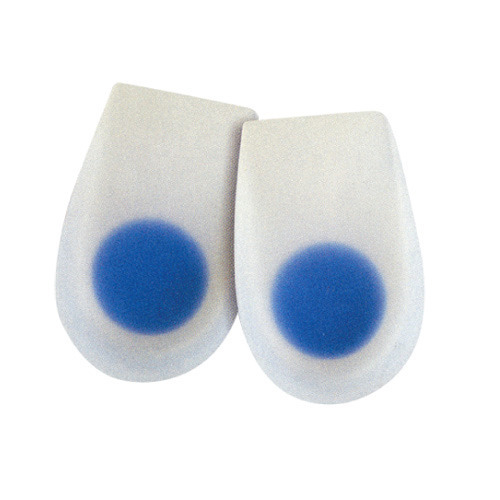
Heel Silicon Pads: Your Definitive Orthopedic Guide to Pain Relief and Support
Welcome to the definitive medical guide on Heel Silicon Pads. As an expert in orthopedic care and medical SEO copywriting, we understand the critical role that proper foot biomechanics and support play in overall musculoskeletal health. Heel silicon pads, though seemingly simple devices, are a cornerstone in non-pharmacological management for a myriad of foot and lower limb conditions. This extensive guide will delve into every aspect of heel silicon pads, from their fundamental mechanisms to detailed clinical applications, ensuring you have the most authoritative and comprehensive information available.
Comprehensive Introduction & Overview
Heel silicon pads are viscoelastic inserts designed to be placed inside footwear, primarily beneath the heel. They are composed of medical-grade silicone, a synthetic polymer known for its excellent cushioning, shock-absorbing, and pressure-distributing properties. Unlike rigid orthotics, silicon pads offer a softer, more pliable interface that mimics the natural fat pad of the heel, which often atrophies or hardens with age or excessive impact.
The primary objective of heel silicon pads is to alleviate pain, reduce impact forces, and provide targeted support to the heel area. They are widely recommended by podiatrists, orthopedic surgeons, and physical therapists for various conditions affecting the heel, ankle, and even the kinetic chain extending up to the spine. Their non-invasive nature and ease of use make them a popular first-line treatment option for many patients seeking relief from foot discomfort.
Deep-Dive into Technical Specifications & Mechanisms
Understanding how heel silicon pads function requires an appreciation of their material science and biomechanical principles.
Mechanism of Action: How Silicon Pads Work
Heel silicon pads exert their therapeutic effects through several key mechanisms:
- Shock Absorption: The viscoelastic nature of silicone allows it to absorb and dissipate impact forces generated during walking, running, or standing. When the heel strikes the ground, the silicone material deforms, absorbing kinetic energy and reducing the peak pressure transmitted to the calcaneus (heel bone) and surrounding soft tissues. This cushioning effect protects joints and reduces micro-trauma.
- Pressure Redistribution: Instead of concentrating pressure on specific points (e.g., a heel spur), silicon pads distribute the load more evenly across the entire heel surface. This reduces localized stress, which is crucial for conditions like plantar fasciitis or fat pad atrophy where specific areas are overloaded.
- Cushioning and Comfort: The soft, pliable texture of medical-grade silicone provides an immediate sensation of comfort, mimicking the natural protective fat pad of the heel. This can significantly improve comfort for individuals with diminished natural cushioning.
- Elevation and Biomechanical Adjustment: Some silicon pads are designed with a slight elevation or varying densities to subtly alter foot posture. A slight heel lift can reduce tension on the Achilles tendon and plantar fascia, which is beneficial for conditions like Achilles tendinopathy or severe plantar fasciitis.
- Vibration Dampening: Beyond direct impact, silicon also helps dampen high-frequency vibrations that can contribute to fatigue and discomfort during prolonged activity.
"Pharmacokinetics": Material Dynamics & Biomechanical Integration
While heel silicon pads are not drugs, their "pharmacokinetics" can be understood in terms of their material properties and how they interact with the body's biomechanics over time.
- Absorption/Distribution (of Force):
- Initial Impact: Upon heel strike, the silicone material undergoes rapid compression, absorbing up to 30-50% of the impact energy, depending on the pad's density and design.
- Pressure Spread: The absorbed force is then distributed laterally across the pad's surface, preventing focal pressure points. This 'distribution' is instantaneous and continuous with each step.
- Biomechanical Integration: The pad integrates with the foot's natural arch and shoe's sole, becoming a functional part of the foot-shoe interface.
- "Metabolism" (Material Degradation & Durability):
- Inertness: Medical-grade silicone is chemically inert, meaning it does not react with body tissues or fluids, minimizing allergic reactions or degradation from biological processes.
- Durability: Silicone exhibits excellent resistance to compression set (permanent deformation) and fatigue. While it will slowly degrade over years of use, its viscoelastic properties remain largely stable for typical usage periods (6-18 months).
- Hygiene: Silicone is non-porous, making it resistant to bacterial growth and easy to clean, which contributes to its long-term functional integrity.
- "Excretion" (Lifespan & Replacement):
- Unlike drugs, silicon pads are not biologically excreted. Their "excretion" relates to their functional lifespan.
- Wear and Tear: Over time, continuous compression and shear forces can lead to subtle changes in the silicone's viscoelasticity, reducing its effectiveness.
- Replacement: Most manufacturers recommend replacing heel silicon pads every 6 to 18 months, or sooner if visible signs of wear, loss of cushioning, or a return of symptoms are noted. This ensures optimal therapeutic benefit.
Extensive Clinical Indications & Usage
Heel silicon pads are versatile therapeutic devices indicated for a broad spectrum of orthopedic and podiatric conditions.
Detailed Indications
| Condition | Description & Rationale for Use |
|---|---|
| Plantar Fasciitis | Reduces tension on the plantar fascia by cushioning the heel and potentially providing a slight lift, which shortens the fascia's effective length. |
| Heel Spurs (Calcaneal Spurs) | Cushions the painful area around the spur, redistributing pressure away from the bony prominence, alleviating pain during weight-bearing. |
| Achilles Tendinopathy | A slight heel elevation provided by the pad can reduce strain on the Achilles tendon, promoting healing and reducing pain. Also provides cushioning against impact. |
| Fat Pad Atrophy | Replaces the lost natural cushioning of the heel's fat pad, which commonly thins with age or repetitive stress, restoring shock absorption and comfort. |
| Metatarsalgia (Forefoot Pain) | While primarily a heel device, some full-length silicon insoles or specific heel cups can improve overall foot biomechanics, indirectly benefiting forefoot pressure distribution. |
| Bursitis (Retrocalcaneal/Subcalcaneal) | Reduces pressure and friction on inflamed bursae around the heel, providing cushioning and support. |
| Calcaneal Stress Fractures (Post-Rehab) | Offers critical shock absorption to protect the healing heel bone from repetitive micro-trauma during the rehabilitation phase and return to activity. |
| Diabetic Foot Care | For patients with peripheral neuropathy, silicon pads help prevent pressure sores and ulcers by evenly distributing pressure and reducing shear forces, particularly in areas prone to breakdown. (Requires careful monitoring). |
| General Foot Fatigue & Discomfort | Provides enhanced cushioning and support for individuals who spend prolonged periods standing or walking, reducing overall foot strain. |
| Sports Injuries & Prevention | Absorbs impact during high-impact sports (running, jumping), protecting the heel and lower limb joints from excessive stress and aiding in injury prevention or recovery. |
| Leg Length Discrepancy (Mild) | Can be used to provide a subtle lift to one leg, helping to balance pelvic alignment and alleviate compensatory pain in the back or hips (under professional guidance). |
Dosage Guidelines (Application & Usage)
The "dosage" of heel silicon pads refers to their correct application, duration of use, and maintenance.
- Placement:
- Always place the silicon pad inside the shoe, directly beneath the heel.
- Ensure it sits flat and does not wrinkle or shift during wear.
- For bilateral conditions, use pads in both shoes to maintain biomechanical symmetry, even if only one heel is currently symptomatic.
- Types:
- Heel Cups: Provide targeted cushioning and support specifically for the heel.
- Heel Wedges: Offer elevation or specific angular correction.
- Full-Length Insoles with Heel Inserts: Provide comprehensive foot support with integrated heel cushioning.
- Consult with a healthcare professional to determine the most appropriate type for your specific condition.
- Duration of Wear:
- Initial Adaptation: Begin with wearing the pads for a few hours a day and gradually increase duration as comfort allows.
- Daily Use: For most chronic conditions, daily wear during all weight-bearing activities is recommended for continuous therapeutic benefit.
- Activity-Specific: For athletes, they may be used specifically during training or competition to prevent injury or manage existing pain.
- Maintenance and Hygiene:
- Cleaning: Wash regularly with mild soap and water. Rinse thoroughly and allow to air dry completely before reinserting into shoes. Avoid harsh chemicals or excessive heat.
- Inspection: Periodically inspect the pads for signs of wear, tearing, or permanent compression.
- When to Replace:
- Replace pads when they show visible signs of degradation (cracks, tears), lose their cushioning feel, or when symptoms begin to return despite consistent use. Typically, this is every 6-18 months.
Risks, Side Effects, or Contraindications
While generally safe, it's crucial to be aware of potential risks, side effects, and situations where heel silicon pads should be used with caution or avoided.
Contraindications
- Open Wounds or Ulcers on the Heel: Direct contact with an open wound can impede healing, introduce infection, or worsen the wound.
- Severe Skin Infections (e.g., Fungal Infections, Cellulitis): Using a pad can trap moisture, exacerbate the infection, or prevent topical treatments from working effectively.
- Uncontrolled Peripheral Neuropathy (without supervision): Patients with severe nerve damage may not feel pressure points or irritation, leading to undetected skin breakdown or blistering. Use only under strict medical guidance.
- Ill-Fitting Footwear: Pads should not be forced into shoes that are already too tight, as this can create new pressure points or alter gait adversely.
- Known Allergic Reaction to Silicone: Though rare with medical-grade silicone, a history of allergy would contraindicate use.
"Drug Interactions": Device & Topical Interactions
As non-pharmacological devices, heel silicon pads do not have drug-drug interactions. However, they can interact with other medical interventions or topical agents.
- Interaction with Other Orthotics:
- Custom Orthotics: Silicon pads are typically not used in conjunction with custom orthotics unless specifically prescribed by a podiatrist. Custom orthotics are designed for precise biomechanical correction, and adding a silicon pad might alter that intended correction, leading to new problems.
- Off-the-Shelf Insoles: Can generally be used with other generic insoles, but ensure they fit comfortably and don't create overcrowding within the shoe.
- Interaction with Topical Medications:
- Creams/Ointments: If applying creams or ointments to the heel area, ensure they are fully absorbed before placing the silicon pad. Residual moisture or residue can cause the pad to slip, reduce its effectiveness, or potentially degrade the silicone material over time.
- Antifungal/Antibacterial Creams: If treating a skin infection, ensure the pad is regularly cleaned to prevent re-infection or cross-contamination.
- Systemic Conditions - Special Considerations:
- Diabetes: Patients with diabetes, especially those with neuropathy or peripheral vascular disease, must exercise extreme caution. Regular foot checks are paramount to detect any skin irritation, redness, or blisters that might develop due to the pad. Professional medical guidance is essential.
- Peripheral Vascular Disease: Reduced blood flow can impair healing, making vigilance against any skin breakdown even more critical.
Pregnancy/Lactation Warnings
Heel silicon pads are generally considered safe for use during pregnancy and lactation. They are non-systemic devices and do not introduce any chemical agents into the bloodstream.
- Pregnancy: Many pregnant individuals experience foot swelling (edema) and changes in foot size. Silicon pads can provide much-needed cushioning and support during this period. However, ensure the pad fits comfortably within the shoe and does not exacerbate swelling or create new pressure points. Adjust shoe size if necessary.
- Lactation: No known contraindications or concerns for use during lactation.
"Overdose Management": Complications of Misuse
While you cannot "overdose" on a silicon pad in the pharmacological sense, improper or prolonged misuse can lead to adverse effects.
- Skin Irritation or Blistering:
- Cause: Poor fit, friction, excessive moisture trapping, or wearing new pads for too long initially.
- Management: Discontinue use, clean and dry the area, apply protective dressings if needed. Gradually reintroduce use, ensuring proper fit and hygiene.
- Altered Gait Mechanics Leading to New Pain:
- Cause: Incorrect pad placement, using pads that are too thick/thin, or using pads in only one shoe when bilateral support is needed. This can shift stress to other parts of the foot, ankle, knee, or back.
- Management: Remove pads. Re-evaluate fit and necessity. Consult a podiatrist or physical therapist to assess gait and recommend appropriate adjustments.
- Increased Pressure Elsewhere:
- Cause: If a pad significantly elevates the heel, it might increase pressure on the forefoot, leading to metatarsalgia or other forefoot issues.
- Management: Choose a pad with appropriate thickness and ensure balanced pressure distribution throughout the foot.
- Infection Due to Poor Hygiene:
- Cause: Infrequent cleaning of the pads, especially in moist environments.
- Management: Discontinue use, treat any infection (e.g., fungal), and commit to a strict cleaning regimen for the pads.
- Delayed Diagnosis of Underlying Serious Conditions:
- Cause: Relying solely on silicon pads for persistent or worsening pain without seeking professional medical diagnosis.
- Management: Always consult a healthcare professional for persistent pain. Silicon pads are a symptomatic relief tool and should not replace proper diagnosis and comprehensive treatment plans.
Massive FAQ Section
Q1: What exactly is a heel silicon pad?
A1: A heel silicon pad is a medical-grade insert made from viscoelastic silicone material, designed to be placed inside your shoe beneath the heel. Its primary purpose is to provide cushioning, absorb shock, and redistribute pressure to alleviate heel pain and discomfort.
Q2: How do heel silicon pads relieve pain?
A2: They relieve pain by absorbing impact forces that occur during walking or standing, distributing pressure evenly across the heel instead of concentrating it on painful spots, and providing a soft, comfortable cushion that mimics the natural heel fat pad.
Q3: What specific conditions can heel silicon pads help with?
A3: They are highly effective for conditions such as plantar fasciitis, heel spurs, Achilles tendinopathy, fat pad atrophy, general heel pain, and to provide comfort for individuals who spend long hours on their feet. They can also aid in recovery from certain foot injuries and provide protection for diabetic feet.
Q4: How do I choose the right size and type of heel silicon pad?
A4: Most silicon pads come in general shoe sizes (e.g., small, medium, large). It's crucial to select one that fits snugly into your shoe without sliding or bunching. There are various types, including basic heel cups, those with specific arch support, or full-length insoles with integrated heel cushioning. Consulting a podiatrist or orthopedic specialist can help determine the best type for your specific condition and foot anatomy.
Q5: Can I wear heel silicon pads in all my shoes?
A5: Yes, in most cases, you can transfer your heel silicon pads between different pairs of shoes, provided they fit well in each shoe. However, ensure they don't make the shoe too tight, which could cause discomfort or alter your gait.
Q6: How do I clean and maintain my heel silicon pads?
A6: Wash your silicon pads regularly with mild soap and lukewarm water. Rinse them thoroughly and allow them to air dry completely before placing them back in your shoes. Avoid using harsh chemicals or exposing them to direct heat, as this can degrade the material.
Q7: How long do heel silicon pads typically last, and when should I replace them?
A7: The lifespan of a heel silicon pad varies depending on usage, activity level, and quality of the material, but typically they last between 6 to 18 months. You should replace them if they show visible signs of wear and tear, such as cracking or tearing, or if you notice a significant reduction in their cushioning effect and your symptoms begin to return.
Q8: Are there any side effects or risks associated with using heel silicon pads?
A8: Heel silicon pads are generally very safe. Potential minor side effects include skin irritation or blistering if the pad doesn't fit properly or if hygiene is poor. In rare cases, if misused, they could potentially alter gait and cause discomfort in other parts of the foot or leg. Always ensure a proper fit and maintain good foot hygiene.
Q9: Can I use heel silicon pads if I already have custom orthotics?
A9: Generally, it is not recommended to use heel silicon pads in conjunction with custom orthotics unless specifically advised by your podiatrist. Custom orthotics are precisely designed to correct your specific biomechanical issues, and adding a separate silicon pad might interfere with their intended function.
Q10: When should I see a doctor or specialist about my heel pain, even if I'm using silicon pads?
A10: You should consult a doctor or podiatrist if your heel pain persists, worsens, or significantly impacts your daily activities despite using silicon pads. Also seek medical advice if you experience numbness, tingling, swelling, or if you suspect a more serious underlying condition. Silicon pads are a supportive measure, not a substitute for professional medical diagnosis and treatment.
Q11: Are heel silicon pads suitable for athletes and high-impact activities?
A11: Absolutely. Many athletes use heel silicon pads to absorb the significant impact forces generated during running, jumping, and other high-impact sports. They can help prevent injuries, reduce muscle fatigue, and provide comfort during intense training or competition.
Q12: What's the difference between gel pads and silicone pads?
A12: While often used interchangeably, "gel" can refer to a wider range of materials, some of which may be less durable or have different viscoelastic properties than medical-grade silicone. Medical-grade silicone is specifically engineered for its consistent shock absorption, pressure distribution, durability, and inertness, making it a superior choice for long-term orthopedic support.