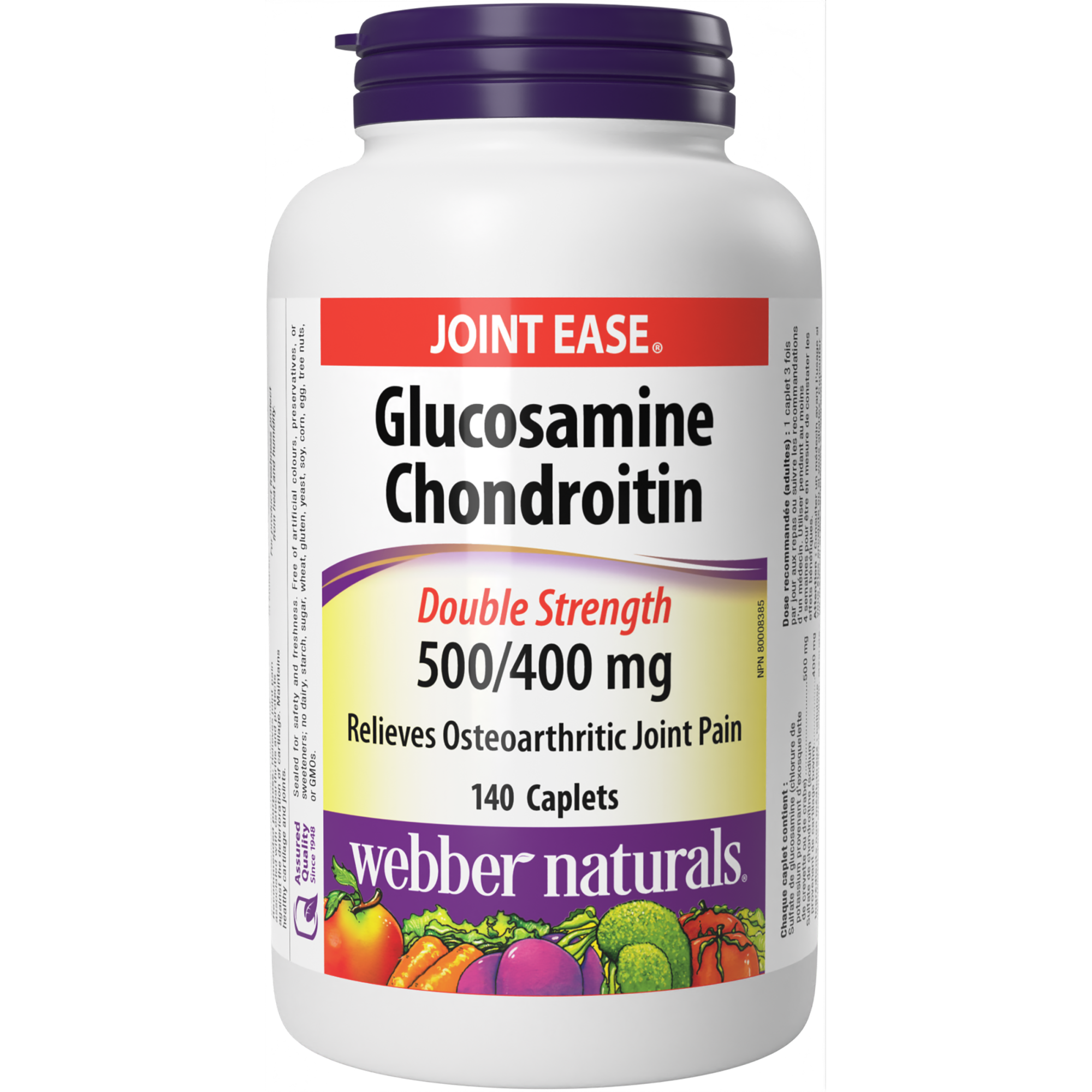
Introduction: Understanding Genuphil – A Comprehensive Overview for Joint Health
Genuphil represents a significant advancement in the management of osteoarthritis (OA) and other degenerative joint conditions. As an expert medical SEO copywriter specializing in orthopedics, I aim to provide an exhaustive guide to this medication, detailing its intricate mechanisms, clinical applications, and crucial safety information. Genuphil is a unique formulation typically combining three key ingredients: Glucosamine Sulfate, Chondroitin Sulfate, and Methylsulfonylmethane (MSM). This synergistic blend is designed to not only alleviate the symptoms of joint degeneration but also to address the underlying processes of cartilage breakdown and support its regeneration.
Osteoarthritis, a chronic and progressive disease characterized by the breakdown of joint cartilage, affects millions worldwide, leading to pain, stiffness, and reduced mobility. While traditional treatments often focus on symptomatic relief, Genuphil offers a more holistic approach by targeting the structural integrity of the joint. By providing the essential building blocks for cartilage and exhibiting anti-inflammatory properties, Genuphil plays a pivotal role in improving joint function, reducing pain, and potentially slowing the progression of cartilage damage, thereby enhancing the quality of life for individuals suffering from these debilitating conditions.
Deep Dive into Technical Specifications and Mechanisms of Action
Understanding how Genuphil works at a cellular and biochemical level is crucial for appreciating its therapeutic benefits. The efficacy of Genuphil stems from the combined action of its three primary components.
The Synergistic Power of Genuphil's Components
Each ingredient in Genuphil contributes uniquely to joint health, with their combined presence offering enhanced benefits compared to individual supplementation.
Glucosamine Sulfate
- What it is: Glucosamine is an amino sugar naturally found in the body, serving as a fundamental building block for glycosaminoglycans (GAGs) and proteoglycans, which are critical components of articular cartilage.
- Mechanism of Action:
- Cartilage Synthesis: Glucosamine stimulates chondrocytes (cartilage cells) to synthesize new proteoglycans and collagen, essential for repairing and maintaining cartilage structure.
- Enzyme Inhibition: It inhibits the activity of catabolic enzymes (e.g., metalloproteinases) that degrade cartilage, thereby slowing the progression of joint damage.
- Anti-inflammatory Effects: Glucosamine has demonstrated mild anti-inflammatory properties by inhibiting nuclear factor-kappa B (NF-κB) activation, reducing the production of pro-inflammatory mediators.
- Synovial Fluid: It contributes to the viscosity and elasticity of synovial fluid, which lubricates the joint and nourishes cartilage.
Chondroitin Sulfate
- What it is: Chondroitin sulfate is a complex carbohydrate (a glycosaminoglycan) and a major structural component of cartilage, responsible for its compressive strength and elasticity.
- Mechanism of Action:
- Water Retention: Chondroitin attracts and retains water within the cartilage matrix, providing cushioning and shock absorption to the joint.
- Cartilage Protection: It inhibits the activity of destructive enzymes (e.g., elastase, collagenase) that break down cartilage and blocks the action of inflammatory mediators.
- Cartilage Regeneration: Similar to glucosamine, chondroitin can stimulate the synthesis of new cartilage components by chondrocytes.
- Synergy with Glucosamine: Studies suggest that glucosamine and chondroitin work synergistically, enhancing each other's effects on cartilage metabolism and repair.
Methylsulfonylmethane (MSM)
- What it is: MSM is an organic sulfur-containing compound naturally present in various foods and the human body. Sulfur is vital for the formation of connective tissues.
- Mechanism of Action:
- Sulfur Donor: MSM provides a bioavailable source of sulfur, which is crucial for the synthesis of collagen, keratin, glucosamine, and chondroitin. Sulfur is also a component of many enzymes and antioxidants.
- Anti-inflammatory and Analgesic: It exhibits anti-inflammatory properties by reducing the production of pro-inflammatory cytokines and prostaglandins. Its analgesic effects are thought to stem from its ability to block pain impulses and reduce muscle spasms.
- Antioxidant: MSM acts as an antioxidant, helping to neutralize free radicals that can contribute to cellular damage and inflammation in the joints.
Pharmacokinetics: How Genuphil Works in Your Body
Understanding the pharmacokinetics of Genuphil's components provides insight into their absorption, distribution, metabolism, and excretion, which dictate their therapeutic efficacy.
- Absorption:
- Glucosamine: Glucosamine sulfate, when administered orally, exhibits relatively good bioavailability, with approximately 90% of the dose being absorbed. Peak plasma concentrations are typically reached within 2-4 hours.
- Chondroitin: Chondroitin sulfate has a lower oral bioavailability, generally ranging from 10-15%, due to its high molecular weight and partial degradation by intestinal bacteria. Peak plasma levels occur around 4-8 hours post-ingestion.
- MSM: MSM is readily absorbed from the gastrointestinal tract, reaching peak plasma concentrations within 1-2 hours.
- Distribution:
- All three components are widely distributed throughout the body. Importantly, they show preferential uptake into articular cartilage, synovial fluid, and other connective tissues, where their therapeutic actions are exerted.
- Metabolism:
- Glucosamine: A significant portion of absorbed glucosamine undergoes first-pass metabolism in the liver, where it is incorporated into various glycoproteins and proteoglycans.
- Chondroitin: Absorbed chondroitin is partially depolymerized and desulfated in the liver and kidneys.
- MSM: MSM is metabolized to various sulfur-containing metabolites, including dimethyl sulfone, which is itself biologically active.
- Excretion:
- The unabsorbed portions and metabolites of all components are primarily excreted via the kidneys (renal excretion). The elimination half-lives vary but generally allow for once or twice-daily dosing.
Extensive Clinical Indications and Usage
Genuphil is primarily indicated for conditions involving cartilage degradation and joint inflammation, with a strong focus on osteoarthritis.
Primary Indications for Genuphil
- Osteoarthritis (OA):
- Mild to Moderate OA: Genuphil is widely used for the symptomatic treatment of mild to moderate osteoarthritis, particularly of the knee, hip, spine, and hands. It helps in reducing joint pain, stiffness, and improving functional capacity.
- Disease Modification: While not a cure, long-term use of Genuphil is believed to slow the progression of cartilage degradation and potentially promote cartilage repair, thereby acting as a disease-modifying agent in OA.
- Adjunctive Therapy: It can be used as an adjunct to other OA treatments, including physical therapy, exercise, and pain management strategies.
- Other Joint Conditions:
- Post-Arthroscopic Recovery: To support cartilage healing and reduce post-surgical inflammation and pain.
- Joint Pain and Stiffness: Associated with aging, overuse, or minor joint injuries.
- Support for Athletes: Used by athletes for joint protection, reducing wear and tear, and aiding recovery from intense training or joint stress.
- Rheumatoid Arthritis (Adjunctive): While not a primary treatment for RA, its anti-inflammatory properties may offer some symptomatic relief when used as an adjunct to standard RA therapies.
Specific Benefits of Genuphil
- Pain Reduction: Helps alleviate chronic joint pain associated with OA and other degenerative conditions.
- Improved Joint Mobility and Function: Reduces stiffness and enhances the range of motion, making daily activities easier.
- Reduced Need for NSAIDs: By addressing the underlying joint issues and reducing pain, Genuphil may decrease reliance on non-steroidal anti-inflammatory drugs (NSAIDs), which carry their own set of side effects.
- Cartilage Protection and Regeneration: Provides essential nutrients and stimulates the body's natural mechanisms for maintaining and repairing cartilage.
- Anti-inflammatory Action: Reduces inflammation within the joint, contributing to pain relief and slowing disease progression.
Dosage Guidelines and Administration
The appropriate dosage of Genuphil can vary based on the specific formulation, severity of the condition, and individual patient factors. Always consult a healthcare professional for personalized advice.
- Standard Dosage:
- Typically, the recommended dosage involves 1-2 tablets, taken 1-3 times daily, depending on the concentration of active ingredients in each tablet and the physician's assessment.
- It is crucial to follow the specific instructions provided by your doctor or pharmacist.
- Duration of Treatment:
- The therapeutic effects of Genuphil are not immediate. Significant improvements in symptoms often require consistent use for several weeks to a few months (e.g., 3-6 months) before the full benefits are observed.
- For chronic conditions like OA, long-term maintenance therapy may be recommended under medical supervision.
-
Administration:
- Genuphil tablets are generally taken orally, swallowed whole with water.
- It is often advised to take Genuphil with meals to minimize potential gastrointestinal upset.
-
Special Populations:
- Elderly: No specific dose adjustment is usually required in elderly patients, but monitoring for renal function is advisable.
- Renal/Hepatic Impairment: Use with caution. Patients with severe liver or kidney disease should consult their physician, as dose adjustments or closer monitoring may be necessary.
- Pediatric: Genuphil is generally not recommended for children and adolescents due to insufficient data on safety and efficacy in this age group.
Risks, Side Effects, and Contraindications
While generally well-tolerated, Genuphil, like any medication, can be associated with potential side effects and has certain contraindications.
Potential Side Effects
Most side effects associated with Genuphil are mild and transient.
- Common (Mild):
- Gastrointestinal Disturbances: Nausea, heartburn, indigestion, abdominal pain, diarrhea, or constipation are the most frequently reported side effects. Taking the medication with food can often mitigate these.
- Headache: Mild headaches may occur.
- Dizziness: Some individuals may experience dizziness.
- Skin Reactions: Rash, itching, or other minor skin irritations are rare but possible.
- Less Common/Rare (More Serious):
- Allergic Reactions: Hypersensitivity reactions, including angioedema or bronchospasm, can occur, especially in individuals with a known shellfish allergy (as glucosamine is often derived from shellfish).
- Increased Blood Sugar: Glucosamine may potentially affect glucose metabolism, necessitating caution and monitoring in diabetic patients.
- Increased Blood Pressure: Due to the sodium content in chondroitin sulfate formulations, individuals sensitive to sodium or with hypertension should be monitored.
- Liver Enzyme Elevation: Very rarely, transient elevations in liver enzymes have been reported.
Contraindications
Genuphil should not be used in individuals with the following conditions:
- Known Hypersensitivity: To glucosamine, chondroitin, MSM, or any other component (excipients) of the formulation.
- Shellfish Allergy: As glucosamine is commonly derived from shellfish (e.g., shrimp, crab), individuals with shellfish allergies should avoid Genuphil unless a vegetarian source of glucosamine is explicitly confirmed.
- Pregnancy and Lactation: Due to insufficient safety data in these populations.
- Severe Liver or Kidney Impairment: Use with extreme caution and under strict medical supervision.
- Children and Adolescents: Not recommended due to a lack of adequate safety and efficacy studies.
Drug Interactions
It is crucial to inform your doctor about all medications, supplements, and herbal remedies you are currently taking to avoid potential drug interactions.
- Anticoagulants (e.g., Warfarin, Coumadin): Glucosamine and chondroitin may potentiate the effects of anticoagulant medications, increasing the risk of bleeding. Close monitoring of International Normalized Ratio (INR) is essential if co-administered.
- Antiplatelet Drugs (e.g., Aspirin, Clopidogrel): There is a theoretical risk of increased bleeding when Genuphil is used concurrently with antiplatelet agents.
- Antidiabetic Drugs (e.g., Metformin, Insulin): Glucosamine may potentially affect insulin sensitivity and glucose metabolism, leading to an increase in blood glucose levels. Diabetic patients should monitor their blood sugar closely if taking Genuphil.
- NSAIDs (Non-Steroidal Anti-inflammatory Drugs): Genuphil can be used concomitantly with NSAIDs. In fact, over time, Genuphil may reduce the need for NSAIDs by improving joint pain and inflammation. However, monitor for additive gastrointestinal side effects.
- Diuretics: The sodium content in some chondroitin formulations might be a concern for individuals on diuretics or with conditions sensitive to sodium intake.
Pregnancy and Lactation Warnings
- Pregnancy: Genuphil is generally not recommended during pregnancy. While some components are classified as Pregnancy Category B or C in animal studies, there is a lack of adequate and well-controlled studies in pregnant women. The potential risks to the fetus are unknown, and therefore, the benefits do not outweigh the potential risks.
- Lactation: It is unknown whether the components of Genuphil are excreted into human breast milk. Due to the lack of safety data and potential risks to the nursing infant, Genuphil is not recommended for use by breastfeeding mothers. Always consult your physician before taking any medication while pregnant or breastfeeding.
Overdose Management
Genuphil is generally considered to have a wide safety margin, and acute overdose is rarely life-threatening.
- Symptoms: In the event of an overdose, symptoms would likely be an exaggeration of the common side effects, including severe gastrointestinal upset (nausea, vomiting, diarrhea), headache, dizziness, or skin reactions. There is no specific pattern of severe toxicity reported.
- Treatment: There is no specific antidote for Genuphil overdose. Treatment is primarily supportive and symptomatic.
- If a very large quantity has been ingested recently, gastric lavage or administration of activated charcoal may be considered to reduce absorption.
- Monitor vital signs (heart rate, blood pressure, respiratory rate).
- Provide supportive care to manage symptoms, such as antiemetics for nausea or intravenous fluids for dehydration.
- Seek immediate medical attention or contact a poison control center in case of suspected overdose.
Massive FAQ Section
1. What is Genuphil primarily used for?
Genuphil is primarily used for the symptomatic treatment of mild to moderate osteoarthritis (OA) in various joints, including the knee, hip, spine, and hands. It also supports overall joint health, reduces pain and stiffness, and helps maintain cartilage integrity.
2. How long does it take for Genuphil to show results?
The effects of Genuphil are not immediate. Patients typically need to take it consistently for several weeks (e.g., 4-8 weeks) to a few months before experiencing significant improvements in pain and joint function. Full benefits may take up to 3-6 months of continuous use.
3. Can Genuphil reverse cartilage damage in osteoarthritis?
While Genuphil cannot completely reverse severe cartilage damage, its components (Glucosamine and Chondroitin) are believed to help slow the progression of cartilage degradation and stimulate the synthesis of new cartilage components, thereby supporting cartilage repair and maintenance. It aims to modify the disease process rather than just mask symptoms.
4. Is Genuphil safe for long-term use?
Genuphil is generally considered safe for long-term use in most individuals. However, continuous use, especially for chronic conditions like osteoarthritis, should always be under the guidance and supervision of a healthcare professional to monitor for any potential side effects or interactions.
5. What is the difference between Glucosamine Sulfate and Glucosamine Hydrochloride?
Glucosamine sulfate is the form most extensively studied and shown to be effective in clinical trials for osteoarthritis. It contains a sulfate component, which is crucial for cartilage synthesis. Glucosamine hydrochloride (HCl) is another form, but it has less clinical evidence supporting its efficacy compared to the sulfate form, and its bioavailability may differ.
6. Can diabetics take Genuphil?
Diabetic patients can take Genuphil, but with caution. Glucosamine may potentially affect blood glucose levels. It is crucial for diabetics to monitor their blood sugar closely when starting or taking Genuphil and to inform their doctor about its use.
7. Does Genuphil interact with blood thinners like Warfarin?
Yes, Genuphil (specifically glucosamine and chondroitin) can interact with anticoagulant medications like Warfarin, potentially increasing the risk of bleeding. If you are on blood thinners, your INR levels must be closely monitored by your doctor if you start or stop taking Genuphil.
8. Can I take Genuphil if I have a shellfish allergy?
Generally, no. Most glucosamine supplements, including those in Genuphil, are derived from the shells of shellfish (e.g., shrimp, crab). Individuals with shellfish allergies are at risk of an allergic reaction and should avoid Genuphil unless a vegetarian or synthetic source of glucosamine is explicitly stated and confirmed by their physician.
9. Are there any specific dietary restrictions while taking Genuphil?
There are generally no specific dietary restrictions required while taking Genuphil. However, maintaining a balanced, healthy diet rich in anti-inflammatory foods and antioxidants can further support joint health and overall well-being. Taking Genuphil with meals is often recommended to minimize gastrointestinal upset.
10. Where can I buy Genuphil?
Genuphil is available in many pharmacies, often as an over-the-counter supplement, but in some regions, it may require a prescription, particularly for higher-dose formulations. It is always recommended to consult with your doctor or pharmacist before purchasing and starting any new medication or supplement to ensure it's appropriate for your condition.
11. What should I do if I miss a dose of Genuphil?
If you miss a dose of Genuphil, take it as soon as you remember, unless it is almost time for your next scheduled dose. In that case, skip the missed dose and resume your regular dosing schedule. Do not double the dose to make up for a missed one.
12. Is Genuphil a painkiller?
Genuphil is not a conventional painkiller like NSAIDs or acetaminophen. While it does provide pain relief, this is a secondary effect that results from its primary action of improving joint health, reducing inflammation, and supporting cartilage repair over time. Its mechanism is disease-modifying rather than purely analgesic.