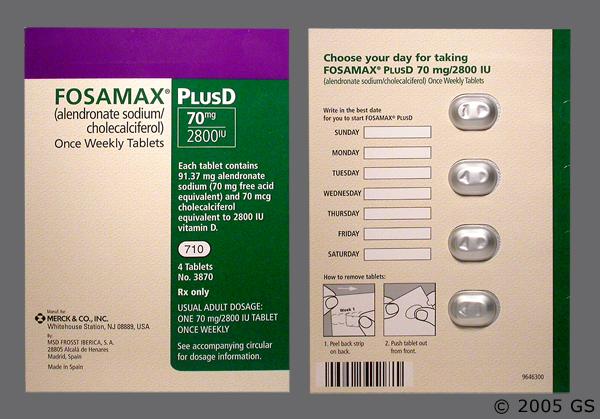
Fosamax Plus: A Comprehensive Medical SEO Guide for Optimal Bone Health
Osteoporosis, a debilitating condition characterized by weakened bones and increased fracture risk, affects millions worldwide. Effective management is crucial for improving quality of life and preventing severe complications. "Fosamax Plus" represents a significant advancement in this fight, combining the potent bone-resorbing inhibition of alendronate with the essential bone-mineralizing support of cholecalciferol (Vitamin D3). This comprehensive guide, crafted by an expert Medical SEO Copywriter and Orthopedic Specialist, delves into every critical aspect of Fosamax Plus, providing authoritative insights for patients, caregivers, and healthcare professionals.
1. Comprehensive Introduction & Overview
Fosamax Plus is a specialized prescription medication designed for the treatment and prevention of osteoporosis. It is a fixed-dose combination therapy containing two active pharmaceutical ingredients:
* Alendronate Sodium: A bisphosphonate renowned for its ability to significantly reduce bone turnover and increase bone mineral density (BMD).
* Cholecalciferol (Vitamin D3): A vital nutrient essential for calcium absorption, phosphate homeostasis, and proper bone mineralization.
This synergistic combination addresses multiple facets of bone health, offering a convenient and effective solution for individuals at risk of or suffering from osteoporosis. By inhibiting osteoclast activity and ensuring adequate calcium utilization, Fosamax Plus helps to strengthen bones, reduce the incidence of fractures, and improve overall skeletal integrity. Its once-weekly dosing regimen enhances patient adherence, making it a cornerstone in long-term osteoporosis management.
2. Deep-dive into Technical Specifications / Mechanisms
Understanding how Fosamax Plus works at a molecular level is crucial for appreciating its therapeutic benefits.
Mechanism of Action (MoA)
Alendronate Sodium (Bisphosphonate Component)
Alendronate belongs to the class of nitrogen-containing bisphosphonates. Its primary mechanism involves:
* Inhibition of Osteoclast Activity: Alendronate preferentially localizes to sites of active bone remodeling, particularly under osteoclasts. Once incorporated into the bone matrix, it is ingested by osteoclasts during the process of bone resorption.
* Disruption of Mevalonate Pathway: Inside the osteoclast, alendronate inhibits farnesyl pyrophosphate synthase (FPPS), a key enzyme in the mevalonate pathway. This disruption prevents the prenylation of small GTPases (like Ras, Rho, Rac), which are essential for osteoclast function, survival, and morphology.
* Apoptosis Induction: The inhibition of osteoclast activity leads to a reduction in bone resorption, allowing osteoblasts (bone-forming cells) to work more effectively, thus promoting a net gain in bone mass and density. It effectively reduces the rate of bone turnover, leading to increased BMD and reduced fracture risk.
Cholecalciferol (Vitamin D3 Component)
Cholecalciferol is a fat-soluble vitamin that plays a pivotal role in calcium and phosphate homeostasis:
* Calcium and Phosphate Absorption: Vitamin D3 is metabolized in the liver to 25-hydroxyvitamin D [25(OH)D] and then in the kidneys to its active form, 1,25-dihydroxyvitamin D [1,25(OH)2D], also known as calcitriol. Calcitriol significantly enhances the absorption of calcium and phosphate from the small intestine.
* Bone Mineralization: By ensuring adequate levels of calcium and phosphate, Vitamin D3 supports the proper mineralization of the bone matrix, which is laid down by osteoblasts.
* Parathyroid Hormone (PTH) Regulation: Vitamin D3 helps regulate parathyroid hormone levels. Low Vitamin D can lead to secondary hyperparathyroidism, which promotes bone resorption. Adequate Vitamin D levels help suppress PTH, thus preserving bone.
* Muscle Function: Vitamin D also contributes to muscle strength and balance, potentially reducing the risk of falls, which are a major cause of osteoporotic fractures.
Pharmacokinetics
Alendronate Sodium
- Absorption: Oral bioavailability is very low, typically 0.64% in women and 0.59% in men when taken after an overnight fast and two hours before a standardized breakfast. Food, beverages (other than plain water), and certain medications significantly impair absorption.
- Distribution: Approximately 70% of absorbed alendronate is rapidly distributed to bone, where it remains for prolonged periods. The remaining portion is excreted. Plasma protein binding is approximately 78%.
- Metabolism: Alendronate is not metabolized in humans.
- Elimination: Unabsorbed alendronate is excreted unchanged in the feces. Absorbed alendronate that is not incorporated into bone is eliminated via renal excretion. The terminal half-life in bone is estimated to be over 10 years, reflecting its slow release from the skeletal matrix.
Cholecalciferol (Vitamin D3)
- Absorption: Cholecalciferol is fat-soluble and is well-absorbed from the small intestine, primarily with dietary fats.
- Distribution: It is transported in the blood bound to vitamin D-binding protein and stored in adipose tissue and muscle.
- Metabolism: In the liver, cholecalciferol is hydroxylated by 25-hydroxylase to 25-hydroxyvitamin D (calcifediol). This is the main circulating form of Vitamin D and is used to assess Vitamin D status. In the kidneys, 25(OH)D is further hydroxylated by 1-alpha-hydroxylase to the active form, 1,25-dihydroxyvitamin D (calcitriol).
- Elimination: Vitamin D metabolites are primarily excreted in the bile and feces, with some renal excretion. The half-life of 25(OH)D is approximately 2-3 weeks.
3. Extensive Clinical Indications & Usage
Fosamax Plus is indicated for several key conditions related to bone health.
Primary Indications
- Treatment of Postmenopausal Osteoporosis: Fosamax Plus is highly effective in increasing bone mass and reducing the incidence of vertebral and hip fractures in postmenopausal women with osteoporosis.
- Prevention of Postmenopausal Osteoporosis: For postmenopausal women at risk of osteoporosis, Fosamax Plus can help prevent bone loss and maintain bone mineral density.
- Treatment to Increase Bone Mass in Men with Osteoporosis: Studies have shown that Fosamax Plus can significantly increase BMD in men diagnosed with osteoporosis.
- Treatment of Glucocorticoid-Induced Osteoporosis: For individuals receiving long-term systemic glucocorticoid therapy, Fosamax Plus is indicated to prevent and treat bone loss associated with this medication.
Dosage Guidelines
Fosamax Plus is typically administered once weekly. The specific dosage strength will depend on the patient's condition and physician's assessment.
| Component | Standard Weekly Dose (Example) |
|---|---|
| Alendronate | 70 mg |
| Cholecalciferol | 2800 IU or 5600 IU |
Administration Instructions:
Adherence to specific administration guidelines is critical to maximize absorption and minimize potential side effects:
* Timing: Take Fosamax Plus once weekly, on the same day each week, immediately upon waking for the day, at least 30 minutes (preferably 60 minutes) before the first food, beverage, or other medication.
* Liquid: Swallow the tablet whole with a full glass (6-8 oz or 180-240 mL) of plain water only. Do NOT use mineral water, coffee, tea, juice, or milk.
* Position: Remain in an upright position (sitting or standing) for at least 30 to 60 minutes after taking the tablet and until after the first food of the day. This is crucial to prevent esophageal irritation.
* Do NOT Lie Down: Do not lie down until after your first food of the day.
* Do NOT Chew/Suck: Do not chew, crush, or suck the tablet.
* No Other Medications: Do not take other medications, including calcium supplements, antacids, or vitamins, for at least 30 to 60 minutes after taking Fosamax Plus.
* Calcium and Vitamin D Intake: Ensure adequate daily intake of calcium and Vitamin D from diet and/or supplements, as recommended by your physician, even with the Vitamin D component of Fosamax Plus.
Monitoring Parameters
Regular monitoring is essential to assess treatment efficacy and detect potential adverse effects:
* Bone Mineral Density (BMD): Dual-energy X-ray absorptiometry (DXA) scans should be performed periodically (e.g., every 1-2 years) to track changes in bone density.
* Serum Calcium and Phosphate: Regularly check serum calcium and phosphate levels, especially at the initiation of therapy and if symptoms of hypo- or hypercalcemia arise.
* Serum 25-hydroxyvitamin D [25(OH)D]: Monitor Vitamin D status to ensure therapeutic levels are maintained and to avoid deficiency or toxicity.
* Renal Function: Assess creatinine clearance, particularly in patients with pre-existing renal impairment, as alendronate is renally cleared.
* Oral Examination: Dental examinations are recommended before starting bisphosphonate therapy, especially for patients with risk factors for osteonecrosis of the jaw.
4. Risks, Side Effects, or Contraindications
While highly effective, Fosamax Plus carries potential risks and side effects that patients and prescribers must be aware of.
Contraindications
Fosamax Plus is contraindicated in patients with:
* Hypersensitivity: Known hypersensitivity to alendronate, cholecalciferol, or any excipients in the formulation.
* Esophageal Abnormalities: Conditions that delay esophageal emptying, such as stricture or achalasia, which increase the risk of esophageal adverse reactions.
* Inability to Stand or Sit Upright: Patients unable to stand or sit upright for at least 30-60 minutes after taking the tablet.
* Hypocalcemia: Pre-existing hypocalcemia must be corrected before initiating therapy due to the risk of exacerbation.
* Severe Renal Impairment: Patients with creatinine clearance less than 35 mL/min due to accumulation of alendronate.
* Vitamin D Toxicity or Hypercalcemia: Due to the cholecalciferol component.
Common Side Effects
Most side effects are mild to moderate and often transient:
* Gastrointestinal (GI): Abdominal pain, dyspepsia, acid regurgitation, nausea, constipation, diarrhea, flatulence. Esophageal irritation (esophagitis, esophageal ulcers, erosions) can occur if administration instructions are not followed carefully.
* Musculoskeletal: Musculoskeletal pain (bone, muscle, or joint pain).
* Neurological: Headache.
Serious Adverse Reactions
Though less common, serious adverse reactions warrant immediate medical attention:
* Osteonecrosis of the Jaw (ONJ): A rare but serious condition, particularly in cancer patients receiving high-dose IV bisphosphonates, but also reported in patients taking oral bisphosphonates. Risk factors include invasive dental procedures (e.g., tooth extraction), poor oral hygiene, cancer, concomitant therapies (e.g., chemotherapy, corticosteroids, anti-angiogenic agents), and co-morbidities (e.g., anemia, coagulopathy, infection).
* Atypical Femur Fractures (AFFs): Rare subtrochanteric and diaphyseal femoral fractures have been reported with bisphosphonate use, typically with long-term therapy. Patients presenting with thigh or groin pain should be evaluated for a potential atypical fracture.
* Esophageal Ulcers/Erosions: Severe esophageal reactions, including esophagitis, esophageal ulcers, and esophageal erosions with bleeding, have been reported, primarily due to improper administration.
* Severe Hypocalcemia: Can occur, especially in patients with pre-existing hypoparathyroidism, malabsorption, or renal insufficiency.
* Allergic Reactions: Rare cases of skin rash, itching, angioedema, and severe skin reactions (Stevens-Johnson syndrome, toxic epidermal necrolysis) have been reported.
* Hypercalcemia/Hypercalciuria: Due to the Vitamin D component, especially with excessive concomitant Vitamin D supplementation or in patients with conditions predisposing to hypercalcemia.
Drug Interactions
A summary of important drug interactions is provided below:
| Interacting Substance | Effect on Fosamax Plus | Management
Calcium Supplements/Antacids/Iron Supplements: These interfere with the absorption of alendronate.
* Management: Fosamax Plus must be taken at least 30 to 60 minutes before any other oral medication, including calcium supplements, antacids, or vitamins.
* Nonsteroidal Anti-inflammatory Drugs (NSAIDs): Concomitant use with alendronate may increase the risk of upper GI adverse events.
* Management: Use with caution. Monitor for GI symptoms.
* Other Vitamin D Metabolites/Analogs: Concomitant use with other forms of Vitamin D can lead to hypercalcemia.
* Management: Avoid concomitant use with other Vitamin D preparations unless specifically advised and monitored by a physician.
* Thiazide Diuretics: May decrease urinary calcium excretion, potentially leading to hypercalcemia.
* Management: Monitor serum calcium levels.
* Corticosteroids: Can decrease Vitamin D efficacy and lead to bone loss.
* Management:* Patients on corticosteroids for prolonged periods may require higher doses of Vitamin D supplementation, adjusted based on Vitamin D levels.
Pregnancy/Lactation Warnings
Pregnancy
- Pregnancy Category: Alendronate is classified as Pregnancy Category C. There are no adequate and well-controlled studies in pregnant women. Animal studies have shown adverse effects on fetal development at high doses.
- Risk/Benefit: Fosamax Plus should be used during pregnancy only if the potential benefit justifies the potential risk to the fetus. Osteoporosis primarily affects postmenopausal women, making pregnancy exposure less common. However, for women of childbearing potential, the benefits and risks should be carefully weighed.
Lactation
- Breast Milk Excretion: It is unknown whether alendronate or its metabolites are excreted in human milk. Cholecalciferol and its metabolites are excreted in human milk.
- Caution: Because many drugs are excreted in human milk and because of the potential for serious adverse reactions in nursing infants from Fosamax Plus, a decision should be made whether to discontinue nursing or to discontinue the drug, taking into account the importance of the drug to the mother.
Overdose Management
Symptoms of Overdose
- Alendronate Overdose: Oral overdose may result in hypocalcemia, hypophosphatemia, and upper gastrointestinal adverse events, such as upset stomach, heartburn, esophagitis, gastritis, or ulcer.
- Cholecalciferol (Vitamin D3) Overdose: Symptoms of Vitamin D toxicity (hypervitaminosis D) are generally related to hypercalcemia and include nausea, vomiting, loss of appetite, constipation, thirst, increased urination, muscle weakness, confusion, fatigue, and in severe cases, kidney failure or coma.
Treatment of Overdose
- Alendronate Overdose:
- Management: Administer milk or antacids to bind alendronate. Do not induce vomiting, and do not let the patient lie down. Supportive measures should be taken as clinically indicated. Correct hypocalcemia if severe.
- Cholecalciferol Overdose:
- Management: Discontinue