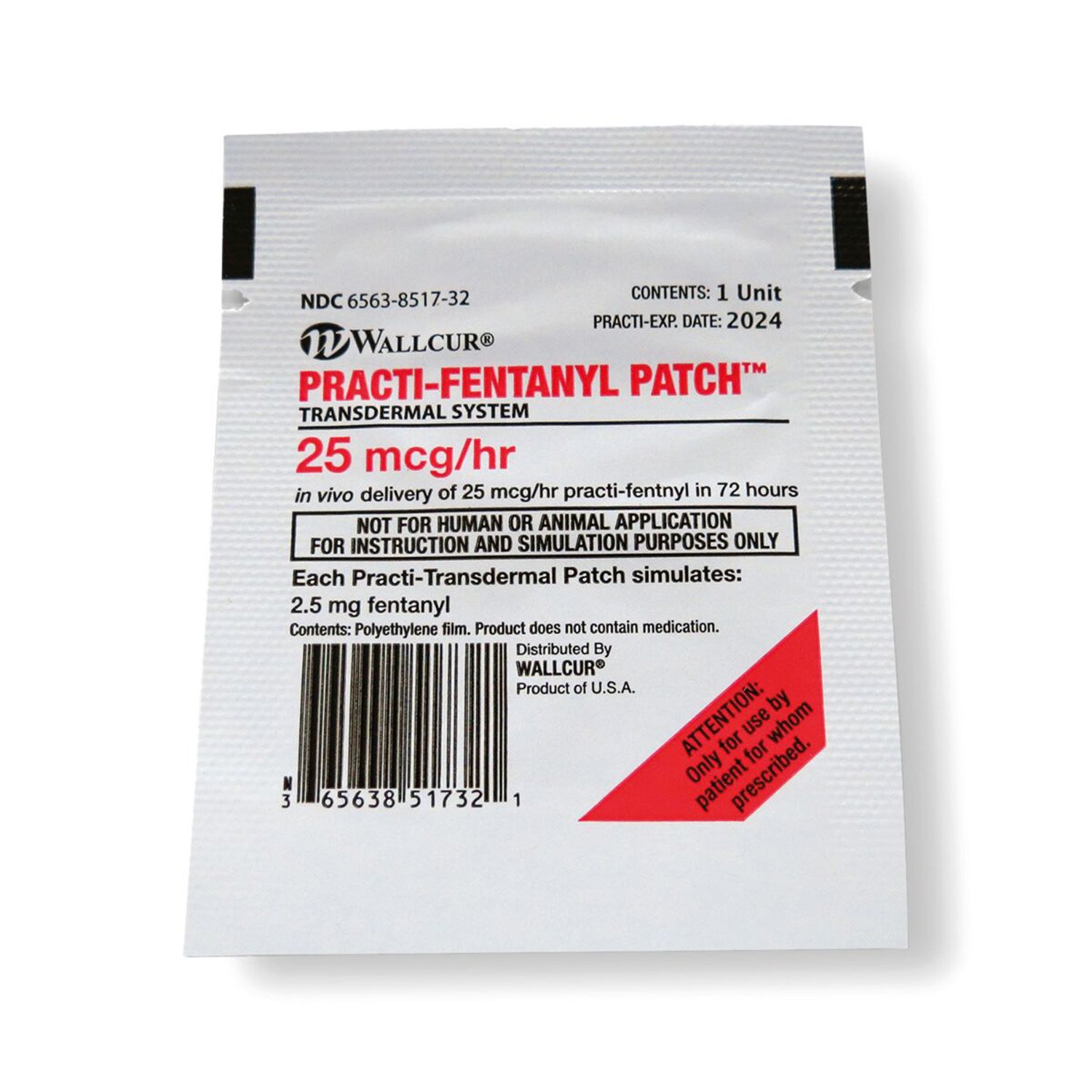
The Fentanyl Patch: A Comprehensive Medical SEO Guide for Chronic Pain Management
Introduction & Overview: Understanding the Fentanyl Patch
The fentanyl patch, a transdermal therapeutic system, represents a significant advancement in the management of chronic, persistent pain. As an expert Medical SEO Copywriter and Orthopedic Specialist, we recognize its critical role in providing continuous, around-the-clock opioid analgesia for patients who require it. This guide aims to provide a massive, exhaustive, and highly authoritative overview of the fentanyl patch, ensuring both medical professionals and patients have access to accurate, in-depth information regarding its appropriate use, mechanisms, risks, and safety protocols.
Fentanyl is a potent synthetic opioid agonist that is approximately 50 to 100 times more potent than morphine. When delivered via a transdermal patch, it offers a convenient and effective method for delivering a steady dose of medication directly through the skin into the bloodstream over an extended period, typically 72 hours. This sustained release helps maintain stable plasma concentrations, providing consistent pain relief and avoiding the peaks and troughs associated with oral immediate-release medications. However, its potency necessitates careful prescribing, patient selection, and ongoing monitoring to mitigate serious risks, including respiratory depression, addiction, and overdose.
Deep Dive into Technical Specifications & Mechanisms
Understanding how the fentanyl patch works is crucial for its safe and effective application in clinical practice.
Mechanism of Action: How Fentanyl Works
Fentanyl exerts its analgesic effects primarily through its action as a full agonist at the mu-opioid receptors within the central nervous system (CNS). These receptors are densely distributed in various brain regions involved in pain perception, including the periaqueductal gray matter, thalamus, and spinal cord.
When fentanyl binds to these mu-opioid receptors, it initiates a cascade of intracellular events that ultimately lead to:
* Reduced pain perception: By inhibiting the release of pain-transmitting neurotransmitters (like substance P, acetylcholine, norepinephrine, dopamine) and activating descending pain inhibitory pathways.
* Modulation of emotional response to pain: Affecting areas like the limbic system, which can reduce the emotional distress associated with chronic pain.
* Other CNS effects: Such as sedation, euphoria, and respiratory depression.
* Gastrointestinal effects: Binding to mu-opioid receptors in the GI tract can lead to decreased motility and constipation.
Pharmacokinetics: The Journey of Transdermal Fentanyl
The transdermal delivery system of fentanyl is designed for slow, controlled release, resulting in unique pharmacokinetic properties.
- Absorption:
- Upon application to the skin, fentanyl diffuses from the patch through the stratum corneum (outermost layer of the skin) into the dermal capillaries.
- A subcutaneous depot of fentanyl forms under the patch, acting as a reservoir from which the drug is continuously absorbed into the systemic circulation.
- Absorption is gradual, with serum fentanyl concentrations increasing slowly over 12-24 hours after initial application, reaching a relatively stable plateau typically between 24 and 72 hours.
- Factors affecting absorption include skin temperature (heat can significantly increase absorption, leading to overdose risk), skin integrity, and individual variations.
- Distribution:
- Fentanyl is highly lipophilic, meaning it readily crosses the blood-brain barrier and distributes quickly into various tissues, including the brain, lungs, and skeletal muscle.
- It is approximately 80-85% bound to plasma proteins, primarily alpha-1-acid glycoprotein.
- Metabolism:
- Fentanyl is primarily metabolized in the liver by the cytochrome P450 3A4 (CYP3A4) isoenzyme system.
- The main metabolite is norfentanyl, which is pharmacologically inactive.
- Elimination:
- The metabolites, predominantly norfentanyl, are primarily excreted through the kidneys (approximately 75% in urine) and, to a lesser extent, in feces (approximately 9% in feces).
- The terminal elimination half-life after patch removal can be prolonged, ranging from 13 to 22 hours, due to the slow absorption from the skin depot.
- Onset and Duration:
- Due to the slow absorption, the analgesic effect is not immediate. Significant pain relief typically begins 6-12 hours after initial application.
- A single patch provides continuous analgesia for 72 hours (3 days).
Extensive Clinical Indications & Usage
The fentanyl patch is a powerful tool, but its use is strictly defined by specific clinical indications and requires meticulous adherence to dosing guidelines.
Primary Indications: When is the Fentanyl Patch Prescribed?
The fentanyl transdermal system is indicated for the management of chronic, moderate to severe pain in patients who:
* Require continuous, around-the-clock opioid analgesia for an extended period.
* Are already opioid tolerant. This is a critical prerequisite, as the potency of fentanyl can lead to fatal respiratory depression in opioid-naïve individuals.
* Have pain that is not adequately managed by other non-opioid analgesics or immediate-release opioid medications.
It is crucial to emphasize that the fentanyl patch is NOT indicated for:
* Acute pain management (e.g., post-operative pain, dental pain).
* Intermittent pain, mild pain, or pain that can be managed by as-needed (PRN) opioid or non-opioid analgesia.
* Opioid-naïve patients.
Dosage Guidelines & Administration
1. Initial Dosing:
* The initial dose of fentanyl transdermal system must be individualized based on the patient's prior opioid exposure, the total daily dose of their previous opioid, and their response to treatment.
* Conversion from other opioids typically involves using equianalgesic tables. For example, patients maintained on at least 60 mg/day oral morphine or equivalent for a week or longer may be candidates for initial dosing with a 12 mcg/hour patch.
* It is vital to discontinue all other around-the-clock opioid analgesics when initiating fentanyl patch therapy.
* NEVER initiate therapy in opioid-naïve patients.
2. Titration and Maintenance:
* Dosage adjustments should be made gradually, typically after 72 hours, based on the patient's response to treatment and the incidence of adverse effects.
* Increments should be conservative (e.g., 12 mcg/hour increments) to minimize the risk of overdose.
* Breakthrough pain should be managed with appropriate short-acting analgesics while the patient is on fentanyl patch therapy.
3. Administration and Application:
* Site: Apply the patch to a flat, intact, non-irritated, non-irradiated, and non-hairy skin surface on the torso or upper arm. For young children, the upper back is preferred to minimize the chance of removal.
* Preparation: Clean the skin with clear water (no soaps, oils, or lotions) and allow it to dry completely.
* Application: Remove the protective liner and firmly press the patch in place with the palm of the hand for 30 seconds, ensuring complete contact, especially around the edges.
* Rotation: Rotate application sites with each new patch to prevent skin irritation. Do not reapply to the same site for several days.
* Frequency: Change the patch every 72 hours (3 days). Some patients may require changing every 48 hours, but this should be determined by a healthcare professional.
* Disposal: After removal, fold the used patch so the adhesive side adheres to itself, and immediately flush it down the toilet or dispose of it in a secure manner as per local regulations to prevent accidental exposure to children or pets.
4. Special Populations:
* Elderly Patients: May be more sensitive to the effects of fentanyl. A lower starting dose may be considered, and careful monitoring is essential.
* Patients with Renal/Hepatic Impairment: Fentanyl clearance may be reduced, increasing the risk of accumulation and adverse effects. Use with caution and consider dose reductions.
Risks, Side Effects, & Contraindications
The potency of fentanyl means that its use comes with significant risks and a comprehensive understanding of potential adverse effects and contraindications is paramount.
Common Side Effects
- CNS: Drowsiness, dizziness, headache, confusion.
- Gastrointestinal: Nausea, vomiting, constipation, dry mouth.
- Dermatologic: Application site reactions (redness, itching, rash).
- Other: Sweating, peripheral edema.
Serious Side Effects & Risks
- Respiratory Depression: The most serious and potentially fatal adverse effect. Characterized by shallow breathing, slow breathing rate, and cyanosis. Risk is highest during initiation or dose escalation.
- Addiction, Physical Dependence, and Withdrawal: Fentanyl has a high potential for abuse and can lead to physical dependence. Abrupt discontinuation can precipitate a severe opioid withdrawal syndrome.
- Hypotension and Bradycardia: Fentanyl can cause dose-related hypotension and bradycardia.
- Serotonin Syndrome: With concomitant use of other serotonergic drugs. Symptoms include mental status changes, autonomic instability, neuromuscular abnormalities, and gastrointestinal symptoms.
- Adrenal Insufficiency: Chronic opioid use may lead to adrenal insufficiency.
- Androgen Deficiency: Long-term opioid use can cause hypogonadism, leading to symptoms like decreased libido, impotence, amenorrhea, or infertility.
- Central Nervous System (CNS) Effects: Severe sedation, coma, seizures.
Absolute Contraindications
The fentanyl patch is absolutely contraindicated in:
* Opioid non-tolerant patients: Risk of fatal respiratory depression.
* Acute pain: Including post-operative pain or mild/intermittent pain.
* Severe respiratory depression: Or acute or severe bronchial asthma in an unmonitored setting or in the absence of resuscitative equipment.
* Known or suspected paralytic ileus: Or gastrointestinal obstruction.
* Hypersensitivity: To fentanyl or any component of the patch adhesive.
Drug Interactions: A Critical Overview
Fentanyl is metabolized by CYP3A4, and its effects can be significantly altered by drugs affecting this enzyme or other CNS depressants.
- CNS Depressants:
- Examples: Alcohol, benzodiazepines (e.g., diazepam, alprazolam), other opioids, sedatives, hypnotics, general anesthetics, phenothiazines, skeletal muscle relaxants.
- Interaction: Potentiates CNS depression, leading to increased risk of profound sedation, respiratory depression, coma, and death. Concomitant use should be avoided or used with extreme caution and reduced dosages of one or both agents.
- CYP3A4 Inhibitors:
- Examples: Macrolide antibiotics (e.g., erythromycin, clarithromycin), azole antifungals (e.g., ketoconazole, itraconazole), protease inhibitors (e.g., ritonavir, nelfinavir), grapefruit juice.
- Interaction: Inhibit fentanyl metabolism, leading to increased plasma fentanyl concentrations and enhanced opioid effects/toxicity, including potentially fatal respiratory depression. Concomitant use is generally contraindicated or requires significant dose reduction and close monitoring.
- CYP3A4 Inducers:
- Examples: Rifampin, carbamazepine, phenytoin, phenobarbital, St. John's Wort.
- Interaction: Increase fentanyl metabolism, leading to decreased plasma fentanyl concentrations, reduced efficacy, and potential for withdrawal symptoms.
- Serotonergic Drugs:
- Examples: Selective serotonin reuptake inhibitors (SSRIs), serotonin-norepinephrine reuptake inhibitors (SNRIs), tricyclic antidepressants (TCAs), triptans, monoamine oxidase inhibitors (MAOIs), mirtazapine, trazodone.
- Interaction: Increased risk of serotonin syndrome. Use with caution and monitor for symptoms.
- Mixed Agonist/Antagonist Opioids:
- Examples: Buprenorphine, nalbuphine, pentazocine, butorphanol.
- Interaction: May precipitate opioid withdrawal symptoms in patients physically dependent on fentanyl.
- Anticholinergics:
- Interaction: Increased risk of urinary retention and severe constipation.
Pregnancy & Lactation Warnings
- Pregnancy (Category C):
- Fentanyl crosses the placenta. Prolonged use during pregnancy can result in neonatal opioid withdrawal syndrome, which may be life-threatening if not recognized and treated.
- Use during labor and delivery is not recommended due to the potential for respiratory depression in the neonate.
- The decision to use fentanyl during pregnancy should only be made if the potential benefit justifies the potential risk to the fetus.
- Lactation:
- Fentanyl is excreted into breast milk.
- Infants exposed to fentanyl through breast milk are at risk for serious adverse reactions, including excess sedation and respiratory depression.
- Breastfeeding is generally not recommended during treatment with fentanyl patches.
Overdose Management
Fentanyl overdose is a medical emergency requiring immediate attention.
-
Symptoms of Overdose:
- Severe Respiratory Depression: Characterized by extremely slow, shallow, or absent breathing. This is the primary cause of mortality.
- CNS Depression: Extreme somnolence progressing to stupor or coma.
- Miosis: Pinpoint pupils (though mydriasis may occur with severe hypoxia).
- Other: Bradycardia, hypotension, cold and clammy skin, flaccid skeletal muscles, circulatory collapse.
-
Immediate Action:
- Remove the fentanyl patch immediately.
- Call emergency services (e.g., 911) immediately.
- Maintain a patent airway.
- Provide ventilatory support (e.g., mouth-to-mouth resuscitation, bag-valve-mask) if breathing is inadequate or absent.
-
Pharmacological Treatment:
- Naloxone: Administer an opioid antagonist such as naloxone hydrochloride. Naloxone should be administered repeatedly as needed, as fentanyl's prolonged action from the skin depot may require multiple doses of naloxone.
- Monitoring: Closely monitor the patient for relapse of respiratory depression and other symptoms for at least 24 hours after the last naloxone dose, as fentanyl continues to be absorbed from the skin depot even after patch removal.
Massive FAQ Section
1. What is a fentanyl patch used for?
The fentanyl patch is used to manage chronic, moderate to severe pain in patients who are already opioid tolerant and require continuous, around-the-clock pain relief that cannot be adequately managed by other treatments. It is not for acute or mild pain.
2. How often do I change a fentanyl patch?
Typically, a fentanyl patch is changed every 72 hours (3 days). Your doctor may instruct you to change it every 48 hours if necessary, but this is less common. Always follow your prescriber's specific instructions.
3. Can I cut a fentanyl patch?
No, you should never cut a fentanyl patch. Cutting the patch can damage the controlled-release membrane, leading to a rapid and potentially fatal release of fentanyl. If a different dose is needed, your doctor will prescribe a patch of a different strength.
4. What should I do if my fentanyl patch falls off?
If your patch falls off, do not reapply it if it's no longer sticking properly. Dispose of the detached patch safely (fold and flush or as per local guidelines) and apply a new patch to a different, clean skin site. Inform your doctor about the premature loss of the patch.
5. What are the signs of a fentanyl overdose?
Signs of a fentanyl overdose include extremely slow or shallow breathing, difficulty breathing, pinpoint pupils, extreme drowsiness or inability to wake up, dizziness, confusion, cold and clammy skin, and limp muscles. If you suspect an overdose, remove the patch immediately and call emergency services.
6. Can I drink alcohol while using a fentanyl patch?
No, consuming alcohol while using a fentanyl patch is extremely dangerous. Alcohol is a central nervous system depressant and can significantly increase the risk of severe respiratory depression, profound sedation, coma, and death when combined with fentanyl.
7. Is the fentanyl patch addictive?
Yes, like all opioid medications, fentanyl has a high potential for abuse, physical dependence, and addiction. It is crucial to use the patch exactly as prescribed by your doctor and to discuss any concerns about dependence or addiction with your healthcare provider.
8. How should I dispose of used fentanyl patches?
Used fentanyl patches still contain residual medication and can be harmful if accidentally exposed to children or pets. After removal, fold the patch so the adhesive side sticks to itself, then immediately flush it down the toilet or dispose of it according to specific local regulations or pharmacy take-back programs.
9. Can I shower or swim with a fentanyl patch on?
Yes, the fentanyl patch is designed to be water-resistant, so you can typically shower, bathe, or swim with it on. However, avoid prolonged exposure to very hot water, as heat can increase fentanyl absorption and lead to an overdose. Always ensure the patch remains firmly adhered to your skin.
10. What if I miss a dose or forget to change my patch?
If you forget to change your patch at the scheduled time, change it as soon as you remember. If it's close to the time for your next scheduled change, apply a new patch and adjust your schedule accordingly. Do not apply two patches to make up for a missed dose. If you are unsure, contact your healthcare provider.
11. Can children or pets be harmed by fentanyl patches?
Absolutely. Accidental exposure to even a small amount of fentanyl, especially from a used or unused patch, can be fatal to children or pets. Always keep patches out of their reach and dispose of them properly and immediately after use.
12. How long does it take for a fentanyl patch to start working?
Due to the transdermal delivery system, the fentanyl patch does not provide immediate pain relief. It typically takes 6 to 12 hours after initial application for the medication to reach therapeutic levels and for you to start feeling its full analgesic effects. This is why it is used for chronic, continuous pain, not acute pain.