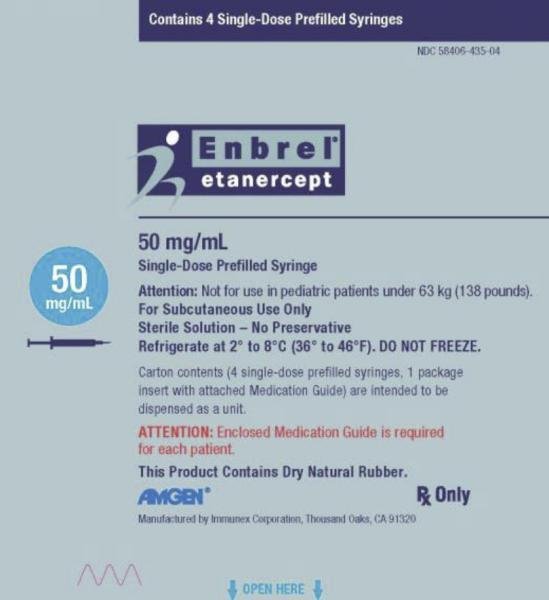
1. Enbrel (Etanercept): A Comprehensive Medical Overview
Enbrel (etanercept) stands as a cornerstone in the management of various chronic autoimmune and inflammatory diseases. As a biologic disease-modifying antirheumatic drug (DMARD), it represents a significant advancement in targeted therapy, offering relief and preventing disease progression for millions worldwide. This comprehensive guide, crafted by an expert Medical SEO Copywriter and Orthopedic Specialist, delves into the intricate details of Enbrel, providing an authoritative resource for patients, caregivers, and healthcare professionals seeking in-depth knowledge.
Enbrel's primary function is to modulate the immune system by specifically targeting Tumor Necrosis Factor (TNF), a key inflammatory cytokine. Its use is critical in conditions where the immune system mistakenly attacks healthy tissues, leading to chronic inflammation, pain, and structural damage. Approved for a range of conditions, Enbrel has demonstrated remarkable efficacy in reducing symptoms, improving physical function, and inhibiting the progression of structural damage associated with these debilitating diseases.
This guide will meticulously explore Enbrel's mechanism of action, pharmacokinetic profile, detailed indications, precise dosage guidelines, potential risks, drug interactions, and crucial considerations for specific populations like pregnant or lactating individuals. Our goal is to provide a massive, exhaustive, and highly authoritative resource, ensuring a thorough understanding of this vital medication.
2. Deep Dive into Technical Specifications and Mechanism of Action
Understanding how Enbrel works at a molecular level is crucial to appreciating its therapeutic impact. Its design and function are a testament to advanced biotechnological research aimed at precise immune modulation.
2.1. What is Enbrel (Etanercept)?
Enbrel, with its active ingredient etanercept, is a recombinant human Tumor Necrosis Factor (TNF) receptor fusion protein. It is not a monoclonal antibody, but rather a unique dimeric soluble form of the p75 TNF receptor. Structurally, it consists of two identical 75-kilodalton (p75) TNF receptor extracellular ligand-binding domains, each linked to the Fc portion of human immunoglobulin G1 (IgG1). This fusion protein design allows Enbrel to mimic the natural TNF receptor, effectively acting as a "decoy" to intercept TNF before it can bind to its native receptors.
2.2. Mechanism of Action
The inflammatory cascade in various autoimmune diseases is often driven by an overabundance of pro-inflammatory cytokines, with Tumor Necrosis Factor-alpha (TNF-alpha) being a central player.
- Target Specificity: Enbrel's mechanism hinges on its high affinity and specificity for TNF-alpha. It binds to both soluble and membrane-bound forms of TNF-alpha.
- Neutralization of TNF-alpha: By binding to TNF-alpha, etanercept prevents this cytokine from interacting with its cellular receptors (TNFR1 and TNFR2) on the surface of inflammatory cells.
- Interruption of Inflammatory Signaling: This binding effectively neutralizes the biological activity of TNF-alpha. Without TNF-alpha binding to its receptors, the downstream signaling pathways that lead to inflammation, immune cell activation, and tissue destruction are inhibited.
- Reduced Inflammation and Tissue Damage: The net result is a significant reduction in inflammation, a decrease in the production of other inflammatory mediators, and a slowdown in the progression of joint damage in conditions like rheumatoid arthritis and psoriatic arthritis.
- Distinction from Other Biologics: Unlike some other biologics, etanercept does not typically induce complement-dependent cytotoxicity or antibody-dependent cell-mediated cytotoxicity, which means its primary action is through TNF neutralization rather than direct cell lysis.
2.3. Pharmacokinetics
The pharmacokinetic profile of Enbrel dictates its dosing schedule and therapeutic effects.
- Absorption: Following subcutaneous administration, etanercept is absorbed slowly.
- Bioavailability: The absolute bioavailability of etanercept after a subcutaneous injection is approximately 58-63%.
- Peak Serum Concentration (Tmax): Peak serum concentrations are typically achieved within 48-96 hours (2-4 days) after a single dose.
- Distribution: Etanercept has a relatively small volume of distribution, approximately 7.6 liters, which is characteristic of a protein that primarily remains in the extracellular fluid.
- Metabolism: As a protein, etanercept is primarily cleared through catabolic pathways, similar to endogenous IgG. It is not extensively metabolized by cytochrome P450 enzyme systems.
- Elimination: The elimination of etanercept is biphasic.
- Terminal Half-life: The terminal half-life is approximately 70-100 hours (ranging from 77 to 300 hours in some studies), allowing for convenient once or twice-weekly dosing.
- Steady-state: Steady-state serum concentrations are generally achieved by about 3 weeks with regular twice-weekly dosing.
- Special Populations:
- Renal Impairment: No specific dose adjustment is required for patients with renal impairment.
- Hepatic Impairment: No specific dose adjustment is required for patients with hepatic impairment.
- Geriatric Patients: No significant age-related differences in pharmacokinetics have been observed, though caution is always advised in this population due to potential comorbidities.
- Pediatric Patients: Pharmacokinetics in pediatric patients are generally similar to adults when dosed appropriately by weight.
3. Extensive Clinical Indications & Usage
Enbrel is a highly effective treatment for several chronic inflammatory conditions, but its use must always be under the guidance of a qualified healthcare professional, following a thorough diagnosis.
3.1. Rheumatoid Arthritis (RA)
- Indication: Moderate to severe active rheumatoid arthritis in adults.
- Usage: Enbrel is often used when the response to one or more traditional disease-modifying antirheumatic drugs (DMARDs), such as methotrexate, has been inadequate. It can be used as monotherapy or in combination with methotrexate.
- Benefits: Reduces signs and symptoms of RA, inhibits the progression of structural joint damage (as measured by X-ray), and improves physical function.
3.2. Psoriatic Arthritis (PsA)
- Indication: Active psoriatic arthritis in adults.
- Usage: Effective across various subtypes of PsA, including polyarticular arthritis, spondylitis, and psoriatic skin involvement.
- Benefits: Improves signs and symptoms of arthritis, inhibits the progression of structural damage, improves physical function, and significantly improves skin lesions associated with psoriasis.
3.3. Ankylosing Spondylitis (AS)
- Indication: Active ankylosing spondylitis in adults.
- Usage: Indicated for patients who have had an inadequate response to conventional therapy.
- Benefits: Significantly reduces the signs and symptoms of AS, including spinal inflammation, pain, and stiffness.
3.4. Polyarticular Juvenile Idiopathic Arthritis (JIA)
- Indication: Moderate to severe polyarticular juvenile idiopathic arthritis in children and adolescents aged 2 years and older.
- Usage: Used when the response to other therapies has been inadequate.
- Benefits: Reduces signs and symptoms of active polyarticular JIA.
3.5. Plaque Psoriasis (PsO)
- Indication: Moderate to severe chronic plaque psoriasis in adults (18 years or older).
- Usage: Indicated for patients who are candidates for systemic therapy or phototherapy.
- Benefits: Leads to significant improvement in skin clearance, reducing the extent and severity of psoriatic lesions.
3.6. Dosage Guidelines
Enbrel is administered via subcutaneous injection. Dosage and administration frequency vary based on the specific indication. It is crucial to adhere strictly to the prescribed regimen.
| Indication | Adult Dosage | Pediatric Dosage (2 years and older) | Administration Frequency |
|---|---|---|---|
| Rheumatoid Arthritis | 50 mg once weekly OR 25 mg twice weekly | Not applicable (use for JIA) | Once or twice weekly |
| Psoriatic Arthritis | 50 mg once weekly OR 25 mg twice weekly | Not applicable | Once or twice weekly |
| Ankylosing Spondylitis | 50 mg once weekly OR 25 mg twice weekly | Not applicable | Once or twice weekly |
| Polyarticular Juvenile Idiopathic Arthritis | Not applicable | 0.8 mg/kg (up to a maximum of 50 mg) once weekly | Once weekly |
| Plaque Psoriasis | Initial: 50 mg twice weekly for 12 weeks; Maintenance: 50 mg once weekly | Not applicable | Twice weekly (initial), then once weekly (maintenance) |
Important Administration Notes:
- Self-administration: Patients can be trained by a healthcare professional to self-inject Enbrel using a prefilled syringe, prefilled SureClick autoinjector, or vial with diluent.
- Injection Sites: Rotate injection sites (thigh, abdomen, upper arm) to minimize localized reactions. Avoid injecting into skin that is tender, bruised, red, or hard.
- Preparation: Allow the Enbrel solution to reach room temperature for 15-30 minutes before injection. Do not shake the syringe or autoinjector.
- Adherence: Consistent adherence to the prescribed dosing schedule is essential for optimal therapeutic outcomes.
4. Risks, Side Effects, and Contraindications
While Enbrel offers significant benefits, it is a potent medication with potential risks and side effects that require careful monitoring and consideration.
4.1. Boxed Warnings
Enbrel carries prominent boxed warnings due to the potential for serious adverse events:
- Serious Infections: Patients treated with Enbrel are at increased risk for developing serious infections that may lead to hospitalization or death. These include:
- Active tuberculosis (TB), including reactivation of latent TB. Patients should be evaluated for latent TB infection before starting Enbrel and monitored for symptoms during and after treatment.
- Invasive fungal infections (e.g., histoplasmosis, coccidioidomycosis, candidiasis, aspergillosis, blastomycosis, pneumocystosis).
- Bacterial, viral, and other opportunistic infections.
- Treatment should not be initiated in patients with active serious infections.
- Malignancy: Lymphoma and other malignancies, some fatal, have been reported in children and adolescents treated with TNF blockers, including Enbrel. There is also an increased risk of lymphoma and other cancers in adults treated with TNF blockers.
4.2. Common Side Effects
The most frequently reported side effects, typically mild to moderate, include:
- Injection Site Reactions: Redness, itching, pain, swelling, or bruising at the injection site. These usually resolve within a few days.
- Headache
- Nausea
- Upper Respiratory Tract Infections: Such as common colds or sinusitis.
4.3. Serious Side Effects
Beyond the boxed warnings, other serious adverse events have been reported:
- Nervous System Disorders: Rare cases of new onset or exacerbation of central nervous system demyelinating disorders (e.g., multiple sclerosis, optic neuritis, transverse myelitis) have been reported. Caution is advised in patients with pre-existing or recent onset demyelinating disorders.
- Hematologic Reactions: Rare cases of pancytopenia (a decrease in all blood cell types), aplastic anemia, and other significant hematologic abnormalities have been reported.
- Heart Failure: Worsening or new onset of congestive heart failure (CHF) has been observed. Enbrel should be used with caution in patients with CHF.
- Autoimmune Reactions: Development of autoantibodies and, rarely, a lupus-like syndrome.
- Allergic Reactions: Serious allergic reactions, including anaphylaxis and angioedema, can occur.
- Hepatotoxicity: Liver injury, including severe liver failure, has been reported rarely.
- New or Worsening Psoriasis: Paradoxical development or worsening of psoriasis has been reported in some patients.
4.4. Contraindications
Enbrel is contraindicated in specific situations:
- Sepsis or Active Infections: Patients with active serious infections, including chronic or localized infections, should not initiate Enbrel therapy.
- Hypersensitivity: Individuals with a known hypersensitivity to etanercept or any of the excipients in the formulation.
4.5. Drug Interactions
Certain medications can interact with Enbrel, potentially altering its efficacy or increasing the risk of adverse events:
- Live Vaccines: Concomitant administration of live vaccines with Enbrel is not recommended due to the potential for increased risk of infection. Patients should complete all recommended vaccinations prior to initiating Enbrel therapy.
- Anakinra (Kineret): Concomitant use with anakinra, another biologic DMARD, is not recommended due to an increased risk of serious infections and neutropenia without additional clinical benefit.
- Abatacept (Orencia): Concomitant use with abatacept, a selective T-cell co-stimulation modulator, is not recommended due to an increased risk of serious infections.
- Cyclophosphamide: In a study involving patients with granulomatosis with polyangiitis (Wegener's), the addition of Enbrel to standard therapy (including cyclophosphamide) was associated with a higher incidence of non-cutaneous malignancies (solid organ cancers, lymphoma) compared to standard therapy alone. This combination is not recommended.
- Sulfasalazine: No significant drug interactions have been noted in clinical trials when Enbrel was used concomitantly with sulfasalazine.
- Methotrexate: Enbrel is often used in combination with methotrexate for rheumatoid arthritis and is generally well-tolerated. No significant pharmacokinetic interactions have been reported.
4.6. Pregnancy and Lactation Warnings
- Pregnancy Category B: Animal reproduction studies have not demonstrated a risk to the fetus, but there are no adequate and well-controlled studies in pregnant women. Enbrel should be used during pregnancy only if clearly needed and the potential benefits justify the potential risks to the fetus. Exposure to biologics during pregnancy may lead to detectable levels in the infant, potentially affecting immune responses.
- Lactation: Etanercept is excreted in human milk. The decision to discontinue nursing or discontinue the drug should take into account the importance of the drug to the mother and the potential risks to the infant. Consultation with a healthcare provider is essential.
4.7. Overdose Management
There is limited clinical experience with overdose of Enbrel.
- Clinical Trials: Single intravenous doses up to 60 mg/m2 (approximately 3-4 times the recommended dose) have been administered in clinical trials without dose-limiting toxicities.
- Management: In the event of an overdose, it is recommended that patients be monitored closely for any signs or symptoms of adverse reactions or effects. Symptomatic treatment should be instituted immediately as appropriate. Given Enbrel's relatively long half-life, extended monitoring may be warranted. There is no specific antidote for Enbrel overdose.
5. Frequently Asked Questions (FAQ) about Enbrel
Q1: What is Enbrel used for?
A: Enbrel (etanercept) is a biologic medication primarily used to treat several autoimmune conditions characterized by chronic inflammation. These include moderate to severe rheumatoid arthritis (RA), active psoriatic arthritis (PsA), active ankylosing spondylitis (AS), moderate to severe polyarticular juvenile idiopathic arthritis (JIA) in children aged 2 and older, and moderate to severe chronic plaque psoriasis (PsO) in adults.
Q2: How does Enbrel work to reduce inflammation?
A: Enbrel works by targeting and blocking Tumor Necrosis Factor (TNF), a natural protein in the body that plays a central role in causing inflammation. By binding to TNF, Enbrel prevents it from activating inflammatory pathways, thereby reducing inflammation, pain, and slowing down the progression of joint damage or skin lesions associated with autoimmune diseases.
Q3: How is Enbrel administered, and how often?
A: Enbrel is administered as a subcutaneous (under the skin) injection. The frequency depends on the condition being treated:
* RA, PsA, AS: Typically 50 mg once weekly or 25 mg twice weekly.
* Plaque Psoriasis: Initial dose of 50 mg twice weekly for 12 weeks, followed by 50 mg once weekly for maintenance.
* Polyarticular JIA: 0.8 mg/kg (up to a maximum of 50 mg) once weekly.
Patients can be trained to self-inject after initial instruction from a healthcare professional.
Q4: What are the most common side effects of Enbrel?
A: The most common side effects include reactions at the injection site (such as redness, itching, pain, or swelling), headaches, and upper respiratory tract infections (like the common cold or sinus infections). These are usually mild and temporary.
Q5: What are the serious risks associated with Enbrel?
A: Enbrel carries boxed warnings for serious risks. These include an increased risk of serious infections (such as tuberculosis, invasive fungal infections, and bacterial or viral infections) that may lead to hospitalization or death. There is also a potential increased risk of certain cancers, including lymphoma, particularly in children and adolescents. Other serious risks include nervous system disorders, heart failure, and rare blood disorders.
Q6: Can Enbrel be taken with other medications?
A: Enbrel can be safely used in combination with methotrexate for rheumatoid arthritis. However, it should NOT be used with live vaccines, or with other biologic medications like anakinra (Kineret) or abatacept (Orencia) due to an increased risk of serious infections. Always inform your doctor about all prescription, over-the-counter, and herbal medications you are taking to avoid potential drug interactions.
Q7: Is Enbrel safe during pregnancy or breastfeeding?
A: Enbrel is classified as Pregnancy Category B. While animal studies have not shown harm, human data is limited. It should only be used during pregnancy if the potential benefits clearly outweigh the potential risks. Enbrel is known to be excreted in human milk. A discussion with your doctor is crucial to weigh the risks and benefits before using Enbrel while pregnant or breastfeeding.
Q8: How long does it take for Enbrel to start working?
A: Many patients may begin to experience some improvement in their symptoms within a few weeks of starting Enbrel therapy. However, it can take several months to achieve the full therapeutic benefits. Consistency in adhering to the prescribed treatment schedule is vital for optimal results.
Q9: What should I do if I miss a dose of Enbrel?
A: If you miss a dose of Enbrel, inject it as soon as you remember. If it is almost time for your next scheduled dose, skip the missed dose and continue with your regular dosing schedule. Do not inject a double dose to make up for a missed one. Always consult your doctor or pharmacist for specific guidance regarding missed doses.
Q10: Who should not take Enbrel?
A: Enbrel is contraindicated in patients with active serious infections (including sepsis, chronic, or localized infections) and in individuals with a known hypersensitivity or allergic reaction to etanercept or any of its components. Patients should be screened for latent tuberculosis and other infections before initiating treatment.
Q11: Does Enbrel require refrigeration?
A: Yes, Enbrel must be stored in the refrigerator at 2°C to 8°C (36°F to 46°F). It is crucial not to freeze Enbrel. If removed from the refrigerator, it should be used within a specified time frame (usually 14 days) and protected from light, but always check the specific product instructions.
Q12: Is Enbrel considered a chemotherapy drug?
A: No, Enbrel is not a chemotherapy drug. Chemotherapy drugs typically work by killing rapidly dividing cells, including cancer cells and healthy cells. Enbrel is a biologic DMARD (disease-modifying antirheumatic drug) that specifically targets and blocks a particular inflammatory protein (TNF) in the immune system, thereby modulating inflammation rather than suppressing cell growth broadly.
Q13: How does Enbrel differ from other TNF inhibitors?
A: While all TNF inhibitors block TNF, they differ in their molecular structure, binding characteristics, and pharmacokinetic profiles. Enbrel is a fusion protein (a modified receptor), whereas other TNF inhibitors like adalimumab (Humira) or infliximab (Remicade) are monoclonal antibodies. These structural differences can lead to variations in how they are administered (e.g., frequency, route), their immunogenicity, and potentially their efficacy and safety profiles in individual patients. Your healthcare provider will determine the most appropriate TNF inhibitor for your specific condition and needs.