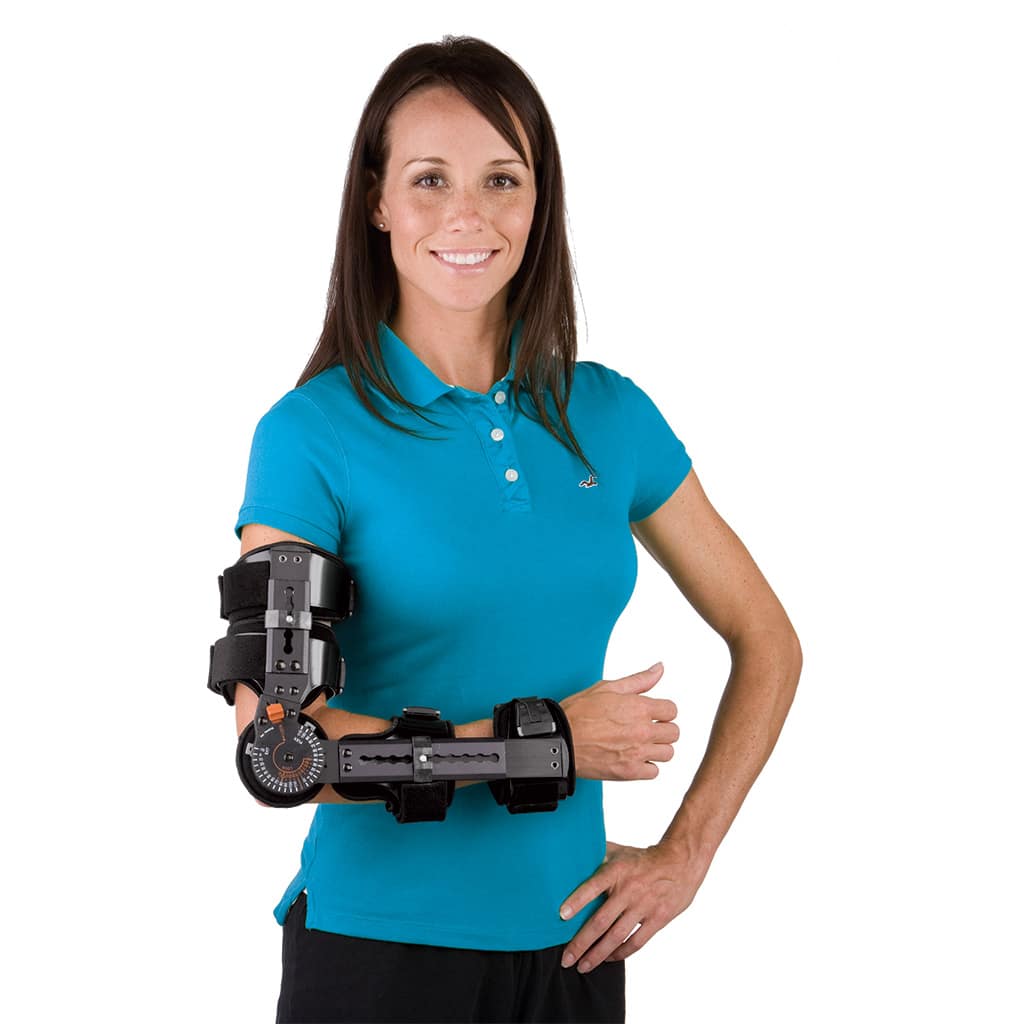
The Definitive Medical SEO Guide to the Elbow Hard Brace
Welcome to the ultimate resource on elbow hard braces, a critical medical device in orthopedic rehabilitation. As expert medical SEO copywriters and orthopedic specialists, we understand the importance of clear, authoritative, and comprehensive information. This guide aims to provide an exhaustive overview of elbow hard braces, focusing on their biomechanical principles, clinical applications, and essential considerations for patients and healthcare providers alike.
1. Comprehensive Introduction & Overview
An elbow hard brace, often referred to as a rigid elbow orthosis or functional elbow brace, is a medical device designed to provide external support, stabilization, and controlled immobilization to the elbow joint. Unlike soft compression sleeves, hard braces incorporate rigid components—typically made of plastic, carbon fiber, or metal—along with straps and padding, to precisely control or restrict the range of motion (ROM) of the elbow.
The primary objectives of an elbow hard brace include:
* Immobilization: Preventing unwanted movement to facilitate healing after fractures, surgeries, or severe sprains.
* Stabilization: Providing external support to an unstable joint, particularly after ligamentous injuries or dislocations.
* Protection: Shielding the elbow from further injury during the healing process or during activity.
* Pain Reduction: By limiting movement and supporting the joint, pain associated with movement is significantly reduced.
* Controlled Range of Motion (ROM): Many hard braces feature adjustable hinges that allow healthcare professionals to set specific flexion and extension limits, guiding the joint through a safe, progressive rehabilitation protocol.
Elbow hard braces are indispensable tools in managing a wide spectrum of elbow pathologies, from acute traumatic injuries to post-surgical recovery and chronic instability. Their application is meticulously tailored to the individual patient's condition, ensuring optimal outcomes and a safe return to function.
2. Deep-Dive into Technical Specifications & Biomechanical Mechanisms
Understanding how an elbow hard brace functions requires delving into its biomechanical principles and technical design.
Mechanism of Action (Biomechanical Principles)
While the term "mechanism of action" is traditionally associated with pharmaceuticals, for a medical device like an elbow hard brace, it refers to the biomechanical principles by which it exerts its therapeutic effect on the body.
The core biomechanical actions of an elbow hard brace include:
- Three-Point Pressure System: Most rigid orthoses utilize a three-point pressure system to control or correct deformity and provide stability. For the elbow, this typically involves pressure points above and below the joint, with a counter-force applied directly to the joint or an opposing aspect of the limb, effectively limiting unwanted motion (e.g., preventing hyperextension or controlling varus/valgus stress).
- Load Sharing and Redistribution: The rigid structure of the brace can help to offload stress from injured tissues (e.g., ligaments, tendons, bone) by distributing forces across a larger surface area of the limb. This reduces localized strain on healing structures.
- Kinetic Chain Control: By immobilizing or controlling the elbow, the brace affects the entire kinetic chain of the upper extremity. It prevents compensatory movements and ensures that healing occurs in a stable environment.
- Proprioceptive Feedback: The constant contact and pressure from the brace provide enhanced proprioceptive feedback to the brain, improving awareness of limb position and potentially contributing to better motor control and stability.
- Range of Motion (ROM) Control: Articulated hard braces feature polycentric or monocentric hinges that can be locked at specific angles or allow for a predefined arc of motion. This controlled ROM is crucial for:
- Protecting repairs (e.g., ligament grafts, tendon reattachments) during the initial healing phases.
- Preventing joint stiffness and contractures by allowing early, safe mobilization within therapeutic limits.
- Gradually increasing the range of motion as healing progresses.
- Compression: While not their primary function, some hard braces offer a degree of compression from their soft padding and strapping systems. This can help manage swelling and provide additional proprioceptive input.
Device Kinetics & Biomechanical Efficacy (Reframing Pharmacokinetics)
The term "pharmacokinetics" describes how a drug moves through the body (absorption, distribution, metabolism, excretion). As an elbow hard brace is a mechanical device, not a drug, this term is not directly applicable. However, we can reframe this concept as "Device Kinetics" or "Biomechanical Efficacy and Durability" to understand how the brace interacts with the body over time and maintains its therapeutic effect.
- Absorption (Device Conformity & Fit): This refers to how well the brace conforms to the anatomical contours of the individual's limb. A well-fitted brace ensures optimal contact, pressure distribution, and stability, much like a drug's absorption into the bloodstream. Poor fit can lead to ineffective support, pressure points, and discomfort.
- Distribution (Force Distribution & Stability): This describes how the mechanical forces and support provided by the brace are distributed across the elbow joint and surrounding tissues. An effective brace distributes forces evenly, preventing localized stress concentrations, while maintaining comprehensive stability across the intended area.
- Metabolism & Excretion (Device Durability & Maintenance): These concepts are not applicable in a biological sense. Instead, they relate to the brace's material durability, wear-and-tear, and the need for regular inspection, cleaning, and occasional replacement of components (e.g., straps, padding) to ensure sustained efficacy. The brace itself does not undergo biological metabolism or excretion, but its functional lifespan and maintenance are crucial for its continued therapeutic effect.
Technical Specifications & Materials
Elbow hard braces are constructed from a variety of advanced materials:
- Rigid Frames: High-strength plastics (e.g., polypropylene, polyethylene), carbon fiber composites, or lightweight aluminum/titanium alloys provide the structural integrity.
- Hinges: Precision-engineered metal hinges (often polycentric for anatomical alignment) allow for controlled ROM settings, adjusted via pins or dials.
- Padding: Hypoallergenic, breathable foam or silicone padding ensures patient comfort, prevents skin irritation, and enhances fit.
- Straps: Durable, non-elastic straps (Velcro or D-ring closures) secure the brace firmly to the limb.
3. Extensive Clinical Indications & Usage
Elbow hard braces are prescribed for a diverse range of orthopedic conditions affecting the elbow. The specific type of brace and wear protocol will vary significantly based on the diagnosis, severity, and patient's activity level.
Detailed Indications
| Condition | Rationale for Hard Brace Use
The Ultimate Guide to Elbow Hard Braces: Supporting Your Road to Recovery
Introduction to the Elbow Hard Brace: Your Orthopedic Companion
An elbow hard brace, also referred to as a rigid elbow orthosis or functional elbow brace, is a specialized medical device designed to provide robust external support, controlled immobilization, or restricted range of motion (ROM) to the elbow joint. Far more structurally rigid than soft compression sleeves, these braces integrate firm components—typically crafted from advanced plastics, carbon fiber composites, or lightweight metal alloys—along with strategic padding and strapping systems. This sophisticated design allows for precise control over the elbow's movement, making them indispensable tools in orthopedic rehabilitation.
The primary objectives served by an elbow hard brace are multifaceted and crucial for optimal healing and recovery:
* Immobilization: To completely prevent unwanted movement, which is vital after fractures, complex surgeries, or severe ligamentous injuries, facilitating a stable environment for tissue repair.
* Stabilization: Offering external reinforcement to an inherently unstable joint, particularly following ligamentous tears, dislocations, or chronic instability issues.
* Protection: Shielding the healing elbow from inadvertent bumps, impacts, or stresses that could compromise the recovery process.
* Pain Reduction: By effectively limiting painful movements and providing consistent support, the brace significantly alleviates discomfort associated with the injured or recovering joint.
* Controlled Range of Motion (ROM): A hallmark of many hard braces is their adjustable hinge mechanism. This feature empowers healthcare professionals to meticulously set specific flexion and extension limits, guiding the joint through a safe, progressive rehabilitation protocol that prevents stiffness while protecting healing structures.
Elbow hard braces are not a one-size-fits-all solution; their application is highly individualized, meticulously tailored to the patient's specific diagnosis, injury severity, and rehabilitation goals. This personalized approach is fundamental to achieving optimal outcomes and facilitating a safe, effective return to functional activities.
2. Deep-Dive into Technical Specifications & Biomechanical Mechanisms
To truly appreciate the therapeutic efficacy of an elbow hard brace, it's essential to understand its underlying biomechanical principles and sophisticated technical design.
Mechanism of Action: The Biomechanical Blueprint of Support
While the term "mechanism of action" is typically reserved for pharmaceutical agents, for a medical device like an elbow hard brace, it refers to the precise biomechanical principles through which it exerts its therapeutic effects on the human body.
The core biomechanical actions of an elbow hard brace include:
- The Three-Point Pressure System: This foundational principle is central to the function of most rigid orthoses. It involves applying pressure at three distinct points to control or correct a deformity and provide unparalleled stability. For the elbow, this typically manifests as forces applied superiorly (above the joint) and inferiorly (below the joint), with a counter-force directed either across the joint itself or to an opposing aspect of the limb. This system is exceptionally effective at limiting unwanted motion, such as preventing hyperextension, controlling varus (bowleg-like) or valgus (knock-knee-like) stresses, or managing rotational forces.
- Load Sharing and Redistribution: The rigid structural components of the brace are engineered to effectively offload stress from injured or healing tissues (e.g., fractured bone segments, repaired ligaments, reattached tendons). This is achieved by distributing the mechanical forces across a larger surface area of the limb, thereby significantly reducing localized strain and stress on the vulnerable healing structures.
- Kinetic Chain Control: The elbow joint is an integral part of the upper extremity's kinetic chain. By precisely immobilizing or controlling movement at the elbow, the brace has a cascading effect on the entire arm, shoulder, and even hand. It prevents detrimental compensatory movements and ensures that the healing process occurs within a stable, protected environment, which is paramount for optimal tissue regeneration and functional recovery.
- Enhanced Proprioceptive Feedback: The continuous, firm contact and gentle pressure exerted by the brace on the skin and underlying tissues provide heightened proprioceptive feedback to the central nervous system. This improved sensory input enhances the brain's awareness of the limb's position and movement, potentially contributing to superior motor control, joint stability, and a reduced risk of re-injury.
- Precise Range of Motion (ROM) Control: Articulated hard braces are equipped with sophisticated polycentric or monocentric hinges that can be meticulously adjusted to allow for a predefined arc of motion or to be entirely locked at specific angles. This fine-tuned ROM control is absolutely critical for:
- Protecting Surgical Repairs: Safeguarding delicate surgical reconstructions (e.g., ligament grafts, tendon reattachments) during their initial, most vulnerable healing phases.
- Preventing Joint Stiffness and Contractures: By enabling early, controlled mobilization within safe therapeutic limits, the brace actively works to counteract the debilitating effects of prolonged immobilization, which can lead to joint stiffness.
- Progressive Rehabilitation: Facilitating a gradual, controlled increase in the range of motion as the healing process advances, ensuring the joint regains its full functional capacity without undue stress.
- Secondary Compression: While not their primary design function, the integrated soft padding and adjustable strapping systems of hard braces can provide a degree of circumferential compression. This can be beneficial in managing post-injury or post-surgical swelling and offers additional proprioceptive input.
Device Kinetics & Biomechanical Efficacy (Reinterpreting Pharmacokinetics for a Device)
The term "pharmacokinetics" is a pharmacological concept describing how a drug is absorbed, distributed, metabolized, and excreted by the body. As an elbow hard brace is a mechanical medical device, these biological terms do not directly apply. However, we can thoughtfully reframe this concept as "Device Kinetics" or "Biomechanical Efficacy and Durability" to understand how the brace interacts with the body over time and sustains its therapeutic effectiveness.
- Absorption (Device Conformity and Fit): In the context of a brace, "absorption" relates to how intimately and effectively the brace conforms to the unique anatomical contours of the individual's limb. A perfectly fitted brace ensures optimal, uniform contact, appropriate pressure distribution, and maximum stability, much like a drug's optimal absorption into the bloodstream. Conversely, a poorly fitted brace can lead to ineffective support, uncomfortable pressure points, skin irritation, and even compromise the healing process.
- Distribution (Force Distribution and Sustained Stability): This aspect describes how the mechanical forces and therapeutic support provided by the brace are distributed across the elbow joint and its surrounding soft tissues. An optimally designed and fitted brace distributes these forces evenly, preventing localized stress concentrations and maintaining comprehensive, consistent stability across the entire intended area of support. This "distribution" must be sustained throughout the wear period.
- Metabolism & Excretion (Device Durability, Maintenance, and Lifecycle): These biological concepts are not applicable to a non-organic device. Instead, they translate into the brace's material durability, its resistance to wear and tear, and the necessity for regular inspection, thorough cleaning, and periodic replacement of consumable components (e.g., worn straps, compressed padding) to ensure its sustained therapeutic efficacy. The brace itself does not undergo biological metabolism or excretion, but its functional lifespan and diligent maintenance are paramount for its continued effectiveness and safety.
Technical Specifications & Advanced Materials
Elbow hard braces are meticulously engineered using a combination of advanced materials to achieve their robust functionality:
- Rigid Frames: The structural backbone of the brace is typically constructed from high-strength, lightweight materials such as advanced thermoplastics (e.g., polypropylene, polyethylene), sophisticated carbon fiber composites (renowned for their strength-to-weight ratio), or lightweight aluminum/titanium alloys. These materials provide exceptional structural integrity and durability.
- Hinges: Precision-engineered hinges, often polycentric to mimic the natural anatomical movement of the elbow, are crucial for controlled ROM. These hinges are typically made from durable metals and feature adjustable pins or dials that allow for precise setting of flexion and extension limits by a healthcare professional.
- Padding: To ensure patient comfort, prevent skin irritation, and enhance the brace's fit, internal padding is made from hypoallergenic, breathable foam, gel, or silicone materials. This padding also helps to distribute pressure evenly.
- Straps and Closures: Robust, non-elastic straps (commonly featuring Velcro, D-ring, or buckle closures) are used to secure the brace firmly and comfortably to the limb, allowing for minor adjustments in tightness.
3. Extensive Clinical Indications & Usage
Elbow hard braces are prescribed for a wide array of orthopedic conditions affecting the elbow, ranging from acute traumatic injuries to post-surgical recovery and chronic instability. The specific type of brace, its design, and the prescribed wear protocol are highly individualized, determined by the precise diagnosis, injury severity, and the patient's specific rehabilitation goals.
Detailed Indications for Elbow Hard Brace Application
| Condition | Rationale for Elbow Hard Brace Use