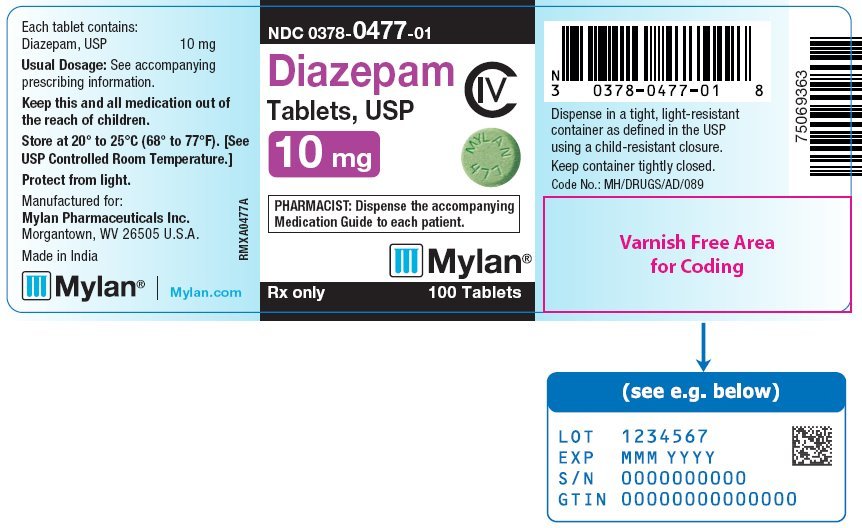
1. Comprehensive Introduction & Overview: Unveiling Diazepam (Valium)
Diazepam, commonly known by its brand name Valium, is a widely recognized medication belonging to the benzodiazepine class of drugs. First synthesized in 1959 by Leo Sternbach at Hoffmann-La Roche and introduced in 1963, it quickly became one of the most prescribed medications globally, revolutionizing the treatment of various neurological and psychiatric conditions.
As an expert medical SEO copywriter and orthopedic specialist, it's crucial to understand Diazepam's multifaceted utility and the importance of its responsible application. While not directly an orthopedic drug, its muscle relaxant properties make it indirectly relevant for managing acute muscle spasms often associated with musculoskeletal injuries or conditions.
Diazepam primarily acts as a central nervous system (CNS) depressant. Its therapeutic effects include:
* Anxiolytic: Reducing anxiety and tension.
* Sedative/Hypnotic: Inducing sleepiness and promoting sleep.
* Anticonvulsant: Preventing or stopping seizures.
* Muscle Relaxant: Alleviating skeletal muscle spasms.
* Amnestic: Causing temporary memory impairment, useful for pre-procedural sedation.
Given its potency and potential for dependence, Diazepam is a Schedule IV controlled substance in the United States and is typically prescribed for short-term use or specific chronic conditions under strict medical supervision. This comprehensive guide will delve into its intricate mechanisms, clinical applications, potential risks, and crucial management strategies.
2. Deep-Dive into Technical Specifications & Mechanisms
Understanding how Diazepam works at a molecular level is fundamental to appreciating its therapeutic effects and managing its side effects.
Mechanism of Action: How Diazepam Works
Diazepam exerts its effects by enhancing the activity of gamma-aminobutyric acid (GABA), the primary inhibitory neurotransmitter in the central nervous system. It does not directly activate GABA receptors but rather acts as an allosteric modulator.
Here's a step-by-step breakdown:
* GABA-A Receptor Binding: Diazepam binds to specific benzodiazepine receptor sites located on the GABA-A receptor complex. These sites are distinct from where GABA itself binds.
* Conformational Change: This binding induces a conformational change in the GABA-A receptor.
* Increased Chloride Ion Influx: The conformational change increases the frequency of chloride ion channel opening when GABA binds to its site on the receptor.
* Neuronal Hyperpolarization: The influx of negatively charged chloride ions into the neuron makes the cell's interior more negative (hyperpolarization).
* Reduced Neuronal Excitability: This hyperpolarization makes the neuron less responsive to excitatory stimuli, thus decreasing neuronal excitability and transmission.
The overall effect is a generalized depression of the CNS, leading to its characteristic anxiolytic, sedative, hypnotic, anticonvulsant, and muscle relaxant properties.
Pharmacokinetics: The Journey of Diazepam in the Body
Pharmacokinetics describes how the body handles a drug, including its absorption, distribution, metabolism, and elimination. Diazepam's pharmacokinetic profile is critical for determining appropriate dosing and understanding its duration of action.
- Absorption:
- Oral: Rapidly and completely absorbed from the gastrointestinal tract. Peak plasma concentrations are typically reached within 30-90 minutes.
- Intramuscular (IM): Absorption can be slow and erratic, making it generally less preferred than IV for acute situations.
- Intravenous (IV): Produces the fastest onset of action, making it suitable for acute conditions like status epilepticus.
- Rectal: Rapidly absorbed, particularly useful in pediatric patients for acute seizure management.
- Distribution:
- Highly lipid-soluble, allowing it to rapidly cross the blood-brain barrier (BBB) to exert its CNS effects.
- It also readily crosses the placental barrier and is excreted into breast milk.
- Highly bound to plasma proteins (approximately 98%), primarily albumin.
- Large volume of distribution, indicating extensive tissue penetration.
- Metabolism:
- Primarily metabolized in the liver by cytochrome P450 (CYP) enzymes, particularly CYP2C19 and CYP3A4.
- Undergoes N-demethylation and 3-hydroxylation to form several active metabolites:
- Desmethyldiazepam (Nordiazepam): The major active metabolite, with a very long half-life (30-100 hours).
- Temazepam: An active metabolite, also a commonly prescribed benzodiazepine.
- Oxazepam: Another active metabolite, also a commonly prescribed benzodiazepine.
- These active metabolites contribute significantly to Diazepam's prolonged therapeutic and side effects.
- Elimination:
- Excreted mainly in the urine, predominantly as glucuronide conjugates of its metabolites.
- The elimination half-life of the parent drug, Diazepam, is relatively long, ranging from 20 to 100 hours, depending on individual factors like age and liver function.
- The half-life of its active metabolite, desmethyldiazepam, is even longer, often exceeding 100 hours. This extended half-life means that steady-state concentrations are achieved slowly, and drug accumulation can occur with chronic dosing, especially in elderly patients or those with impaired liver function.
3. Extensive Clinical Indications & Usage
Diazepam's broad spectrum of effects makes it valuable across several medical disciplines. However, its use requires careful consideration of its benefits versus risks.
Detailed Indications for Diazepam
Diazepam is approved for the management of various conditions, including:
- Anxiety Disorders:
- Short-term relief of anxiety symptoms (e.g., generalized anxiety disorder, panic attacks, anxiety associated with depressive symptoms). Due to its potential for dependence, it's generally recommended for short-term use (2-4 weeks).
- Acute Alcohol Withdrawal:
- Management of agitation, tremor, delirium tremens, and impending delirium tremens. Benzodiazepines like Diazepam are the cornerstone of treatment for preventing and managing severe alcohol withdrawal symptoms, due to their ability to cross-tolerance with alcohol and provide CNS stabilization.
- Muscle Spasm:
- Relief of skeletal muscle spasm due to various etiologies, including:
- Inflammatory or traumatic conditions (e.g., acute lower back pain, neck pain).
- Spasticity associated with upper motor neuron disorders (e.g., cerebral palsy, paraplegia, athetosis, stiff-person syndrome).
- Its action helps break the cycle of pain-spasm-pain.
- Relief of skeletal muscle spasm due to various etiologies, including:
- Seizure Disorders:
- Adjunctive treatment for certain convulsive disorders.
- Status Epilepticus: Intravenous Diazepam is a first-line treatment for stopping prolonged or repetitive seizures.
- Febrile Seizures: Rectal Diazepam is often used by parents or caregivers at home to abort acute febrile seizures in children.
- Preoperative Sedation:
- To alleviate anxiety and provide sedation before surgical procedures, endoscopic procedures (e.g., colonoscopy, gastroscopy), or cardioversion. It also provides anterograde amnesia, which can be beneficial in these settings.
- Endoscopic Procedures:
- Used for conscious sedation during uncomfortable or anxiety-provoking procedures.
Dosage Guidelines: Tailoring Treatment
Dosage of Diazepam must be highly individualized, considering the patient's age, weight, medical condition, liver and kidney function, concomitant medications, and response to therapy. The goal is to use the lowest effective dose for the shortest possible duration. Gradual tapering is essential to avoid withdrawal symptoms.
Table 1: General Adult Dosage Guidelines for Oral Diazepam
| Indication | Initial Dose (Oral) | Frequency | Maximum Daily Dose (Oral) | Notes |
|---|---|---|---|---|
| Anxiety Disorders | 2 mg to 10 mg | 2 to 4 times daily | 40 mg | Use lowest effective dose for short-term relief. |
| Acute Alcohol Withdrawal | 10 mg | Initially, then 5-10 mg every 3-4 hours as needed | Varies, often tapered over several days | Closely monitor for sedation and respiratory depression. |
| Muscle Spasm | 2 mg to 10 mg | 3 to 4 times daily | 40 mg | Adjunctive therapy for acute or chronic spasms. |
| Adjunctive in Seizures | 2 mg to 10 mg | 2 to 4 times daily | 40 mg | Not primary therapy; typically used with other anticonvulsants. |
| Preoperative Sedation | 5 mg to 10 mg | Single dose, 30-60 minutes before procedure | 10 mg | For anxiolysis and light sedation. |
Special Populations:
- Elderly and Debilitated Patients: More sensitive to CNS depressant effects. Start with lower doses (e.g., 2 mg to 2.5 mg once or twice daily) and titrate carefully. They have slower metabolism and elimination, leading to increased risk of accumulation and side effects.
- Pediatric Patients:
- Oral Diazepam is generally not recommended for children under 6 months.
- For children over 6 months, initial doses range from 1 mg to 2.5 mg, 3 or 4 times daily, adjusted as needed.
- Rectal Diazepam (Diastat AcuDial) is used for acute repetitive seizures in children.
- Hepatic and Renal Impairment: Dose adjustments are necessary due to impaired metabolism and elimination, increasing the risk of adverse effects and accumulation of the drug and its active metabolites.
4. Risks, Side Effects, & Contraindications
While highly effective, Diazepam carries significant risks, including side effects, potential for dependence, and interactions with other substances.
Common Side Effects
The most frequently reported adverse reactions are related to its CNS depressant activity:
* Drowsiness
* Fatigue
* Ataxia (impaired coordination)
* Muscle weakness
* Dizziness
* Sedation
Less common side effects include:
* Confusion
* Depression
* Slurred speech
* Blurred vision or double vision
* Headache
* Nausea, constipation, or other gastrointestinal disturbances
* Skin rash
* Paradoxical reactions (e.g., agitation, acute hyperexcited states, hallucinations, rage) can occur, especially in children and the elderly, though rare.
Serious Side Effects & Warnings
- Dependence and Withdrawal: Diazepam has a high potential for physical and psychological dependence, especially with prolonged use or at high doses. Abrupt discontinuation can lead to severe withdrawal symptoms, including anxiety, insomnia, tremor, abdominal and muscle cramps, vomiting, sweating, and in severe cases, seizures and delirium. Gradual tapering is crucial.
- Respiratory Depression: Particularly concerning with intravenous administration, co-administration with other CNS depressants (e.g., opioids, alcohol), or in patients with pre-existing respiratory compromise (e.g., COPD, sleep apnea).
- Anterograde Amnesia: Patients may experience impaired memory of events that occur after administration, especially with higher doses.
- CNS Depression: Impairs mental alertness and physical coordination, making it unsafe to drive or operate heavy machinery while taking Diazepam.
- Abuse Potential: As a Schedule IV controlled substance, Diazepam has a potential for abuse. Prescribing physicians must assess patients for a history of substance abuse.
Contraindications
Diazepam is contraindicated in patients with:
* Hypersensitivity: Known allergy to Diazepam or other benzodiazepines.
* Acute Narrow-Angle Glaucoma: Can worsen the condition.
* Severe Respiratory Insufficiency: Risk of exacerbating respiratory depression.
* Severe Hepatic Insufficiency: Impaired metabolism can lead to drug accumulation and toxicity.
* Sleep Apnea Syndrome: Can worsen respiratory depression during sleep.
* Myasthenia Gravis: Can exacerbate muscle weakness.
* Children under 6 months: Oral formulation not recommended.
Drug Interactions
Diazepam interacts with numerous medications, potentially altering its efficacy or increasing the risk of adverse effects.
- CNS Depressants:
- Opioids, alcohol, barbiturates, other sedatives, hypnotics, antipsychotics, antidepressants, antihistamines: Concomitant use significantly increases the risk of profound sedation, respiratory depression, coma, and death. Co-prescription should be avoided or used with extreme caution and reduced dosages.
- CYP450 Inhibitors:
- Fluoxetine, cimetidine, erythromycin, ketoconazole, itraconazole, fluvoxamine, grapefruit juice: These substances inhibit the CYP enzymes responsible for Diazepam metabolism, leading to increased plasma concentrations of Diazepam and its active metabolites, thus enhancing its effects and increasing toxicity risk.
- CYP450 Inducers:
- Rifampin, carbamazepine, phenytoin: These drugs can induce the metabolism of Diazepam, potentially decreasing its plasma concentrations and reducing its therapeutic effect.
- Antacids:
- May delay the absorption of oral Diazepam, but generally do not affect the extent of absorption.
- Levodopa:
- Diazepam may decrease the therapeutic efficacy of levodopa in Parkinson's disease patients.
Pregnancy and Lactation Warnings
- Pregnancy Category D: Studies have shown a risk to the fetus.
- Use during the first trimester has been associated with an increased risk of congenital malformations, particularly cleft lip and palate.
- Use late in pregnancy can lead to neonatal withdrawal symptoms (hypotonia, lethargy, feeding difficulties, respiratory depression) and "floppy infant syndrome."
- Diazepam should only be used during pregnancy if the potential benefit justifies the potential risk to the fetus, and safer alternatives are not available.
- Lactation:
- Diazepam and its active metabolites are excreted into breast milk.
- Nursing infants may experience sedation, feeding difficulties, and weight loss.
- Due to the long half-life of Diazepam and its metabolites, accumulation can occur in breastfed infants.
- Breastfeeding is generally not recommended while taking Diazepam.
Overdose Management
Diazepam overdose can range from mild to life-threatening, especially when combined with other CNS depressants.
- Symptoms of Overdose:
- Somnolence (extreme drowsiness)
- Confusion
- Impaired coordination (ataxia)
- Diminished reflexes
- Slurred speech
- Hypotension (low blood pressure)
- Respiratory depression
- Coma
- In rare, severe cases, death.
- Treatment of Overdose:
- Supportive Care: The primary approach is supportive.
- Maintain a patent airway and assist ventilation if necessary (e.g., endotracheal intubation, mechanical ventilation).
- Monitor vital signs (heart rate, blood pressure, respiratory rate, oxygen saturation).
- Administer intravenous fluids for hypotension.
- Gastric Decontamination: If ingestion was recent (within 1-2 hours) and the patient is conscious and cooperative, gastric lavage may be considered. Activated charcoal can be administered to reduce absorption.
- Flumazenil: This is a benzodiazepine receptor antagonist that can rapidly reverse the sedative and respiratory depressant effects of Diazepam.
- Caution: Flumazenil should be used with extreme caution and only under strict medical supervision. It can precipitate acute withdrawal symptoms, including seizures, in patients who are physically dependent on benzodiazepines or in those with mixed drug overdoses (especially involving tricyclic antidepressants), as it can unmask cardiotoxic effects. It has a shorter half-life than Diazepam, so repeat dosing may be necessary, and patients require prolonged monitoring for re-sedation.
- Continuous monitoring of cardiac and respiratory function is essential until the patient is stable.
- Supportive Care: The primary approach is supportive.
5. Massive FAQ Section: Your Questions Answered
Q1: What is the primary difference between Diazepam and other benzodiazepines like Lorazepam or Alprazolam?
A1: While all are benzodiazepines, they differ in potency, onset, and duration of action. Diazepam (Valium) has a rapid onset and a very long half-life due to its active metabolites, making its effects prolonged. Lorazepam (Ativan) has an intermediate onset and duration. Alprazolam (Xanax) has a rapid onset and a relatively short half-life. These differences influence their specific clinical uses; for instance, Diazepam is often preferred for alcohol withdrawal due to its long action, while Alprazolam is sometimes used for acute panic attacks.
Q2: How long does it take for Diazepam to work?
A2: When taken orally, Diazepam typically starts working within 30 to 60 minutes. For intravenous (IV) administration, the effects are almost immediate (within minutes), and for rectal administration, it usually works within 5 to 15 minutes.
Q3: How long does Diazepam stay in your system?
A3: Diazepam itself has a long half-life of 20-100 hours. However, its active metabolites, particularly desmethyldiazepam (nordiazepam), have even longer half-lives, sometimes exceeding 100 hours. This means that traces of Diazepam and its metabolites can be detected in the body for several days to even weeks after the last dose, especially with chronic use.
Q4: Can Diazepam be used for sleep?
A4: Yes, Diazepam's sedative properties can help with sleep, particularly if insomnia is related to anxiety. However, it's generally not a first-line treatment for chronic insomnia due to its potential for dependence and the availability of other, safer hypnotics. It's typically used for short-term relief of severe, debilitating insomnia.
Q5: Is Diazepam addictive?
A5: Yes, Diazepam has a high potential for physical and psychological dependence. It is a Schedule IV controlled substance. Dependence can develop even with therapeutic doses, especially with prolonged use. Abrupt discontinuation after chronic use can lead to significant withdrawal symptoms.
Q6: What happens if I stop taking Diazepam suddenly?
A6: Abruptly stopping Diazepam, especially after prolonged or high-dose use, can lead to severe withdrawal symptoms. These can include increased anxiety, insomnia, irritability, tremor, sweating, muscle cramps, vomiting, and in severe cases, seizures, hallucinations, and delirium. It is crucial to taper off Diazepam gradually under medical supervision.
Q7: Can I drink alcohol while taking Diazepam?
A7: Absolutely not. Combining Diazepam with alcohol is extremely dangerous. Both substances are central nervous system depressants, and their combined effect can lead to severe sedation, respiratory depression, profound confusion, coma, and even death. This interaction is one of the most critical warnings for Diazepam use.
Q8: Is Diazepam safe for long-term use?
A8: Generally, Diazepam is not recommended for long-term use (beyond 2-4 weeks) due to the high risk of dependence, tolerance, and withdrawal symptoms. If long-term use is deemed necessary for specific conditions (e.g., severe spasticity), it should be carefully managed by a specialist, with regular re-evaluations and monitoring for adverse effects and dependence.
Q9: What should I do if I miss a dose of Diazepam?
A9: If you miss a dose, take it as soon as you remember, unless it's almost time for your next scheduled dose. In that case, skip the missed dose and continue with your regular dosing schedule. Do not double your dose to make up for a missed one, as this can increase the risk of side effects. Consult your doctor if you frequently miss doses.
Q10: Can Diazepam cause depression?
A10: While Diazepam is sometimes used adjunctively for anxiety associated with depression, it is a CNS depressant and can potentially worsen depressive symptoms or cause new onset depression in some individuals, especially with prolonged use. Patients with pre-existing depression should be monitored carefully. Paradoxical effects, including emotional blunting or increased depression, are rare but possible.
Q11: How is Diazepam administered in an emergency, like status epilepticus?
A11: For emergency situations like status epilepticus (a prolonged or rapidly recurring seizure), Diazepam is typically administered intravenously (IV) to achieve rapid onset of action. In settings where IV access is difficult, rectal Diazepam can be used, especially in children, due to its relatively quick absorption from the rectal mucosa.
Q12: What are the risks of using Diazepam during pregnancy?
A12: Diazepam is classified as Pregnancy Category D, indicating clear evidence of risk to the human fetus. Use during the first trimester has been linked to an increased risk of congenital malformations (e.g., cleft lip/palate). Use late in pregnancy can lead to neonatal withdrawal symptoms, respiratory depression, and "floppy infant syndrome" in the newborn. It should generally be avoided during pregnancy unless absolutely necessary and the benefits outweigh the significant risks.