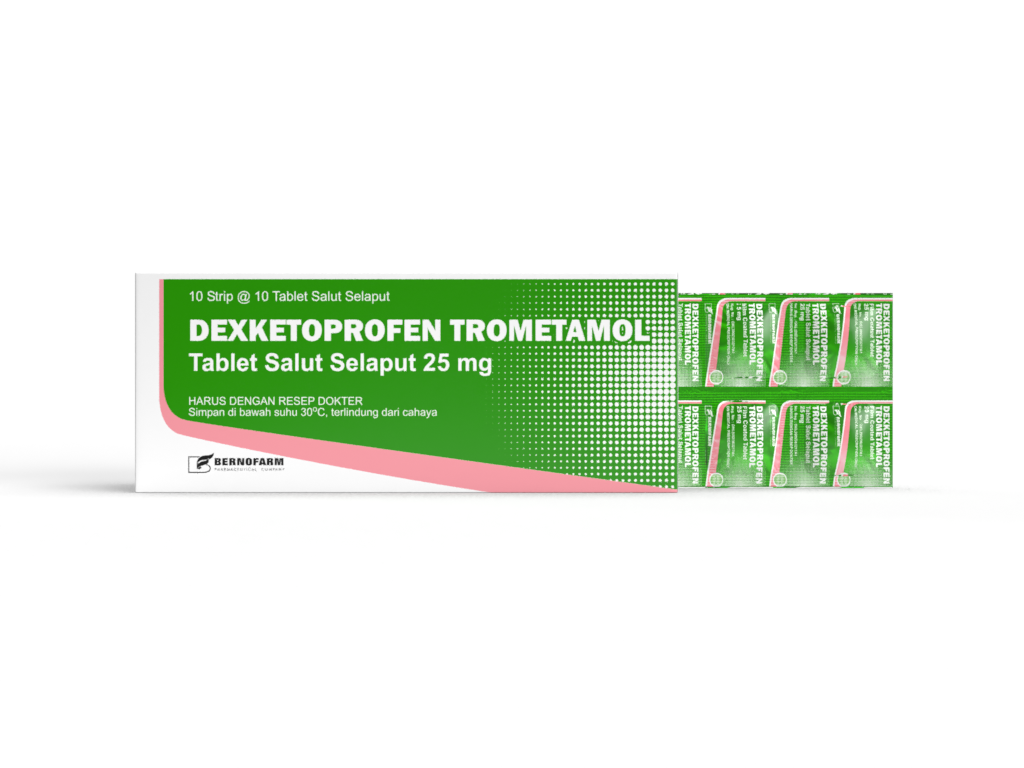
Dexketoprofen 25 mg Oral Jelly: An Expert Guide to Fast-Acting Pain Relief
Comprehensive Introduction & Overview
Welcome to this in-depth guide on Dexketoprofen 25 mg Oral Jelly, a rapidly acting non-steroidal anti-inflammatory drug (NSAID) designed for the symptomatic treatment of acute pain. As an expert medical SEO copywriter and orthopedic specialist, I understand the critical need for effective and fast-acting pain management solutions, especially in orthopedic and acute care settings. Dexketoprofen, specifically in its innovative oral jelly formulation, represents a significant advancement in delivering quick relief from various types of acute pain.
Dexketoprofen is the S-enantiomer of ketoprofen, a well-established NSAID. This specific chiral form is responsible for the majority of its therapeutic activity, offering potent analgesic, anti-inflammatory, and antipyretic effects. The oral jelly formulation further enhances its utility by offering several distinct advantages:
- Rapid Absorption: The pre-dissolved nature of the jelly bypasses the dissolution phase, leading to faster absorption and quicker onset of action compared to traditional tablet forms.
- Ease of Administration: Ideal for patients who have difficulty swallowing tablets or prefer a more convenient method of administration, especially in acute pain scenarios where immediate relief is paramount.
- Improved Patient Compliance: The palatable taste and easy-to-take format can improve adherence to treatment regimens.
This guide aims to provide an exhaustive, authoritative resource for healthcare professionals, patients, and caregivers seeking comprehensive information about Dexketoprofen 25 mg Oral Jelly. We will delve into its intricate mechanism of action, pharmacokinetic profile, detailed clinical indications, precise dosage guidelines, potential risks, and crucial safety considerations, including drug interactions, contraindications, and special population warnings.
Deep-Dive into Technical Specifications & Mechanisms
What is Dexketoprofen?
Dexketoprofen is a propionic acid derivative, a class of NSAIDs widely used for managing pain and inflammation. Its chemical structure as the S-(+)-enantiomer of ketoprofen confers its potent pharmacological activity, making it an effective choice for acute pain management.
Mechanism of Action
The primary mechanism by which Dexketoprofen exerts its therapeutic effects is through the inhibition of prostaglandin synthesis. Prostaglandins are lipid compounds that play a crucial role in mediating pain, inflammation, and fever.
- Cyclooxygenase (COX) Inhibition: Dexketoprofen acts as a potent, non-selective inhibitor of both cyclooxygenase-1 (COX-1) and cyclooxygenase-2 (COX-2) enzymes.
- COX-1: Primarily responsible for producing "housekeeping" prostaglandins involved in gastric mucosal protection, renal blood flow regulation, and platelet aggregation. Inhibition of COX-1 contributes to some of the gastrointestinal and bleeding side effects associated with NSAIDs.
- COX-2: Primarily induced during inflammatory processes, leading to the production of prostaglandins that mediate pain, inflammation, and fever. Inhibition of COX-2 is largely responsible for the analgesic and anti-inflammatory effects of Dexketoprofen.
- Reduction of Prostaglandin Levels: By inhibiting COX enzymes, Dexketoprofen significantly reduces the production of various prostaglandins (e.g., PGE2, PGI2, PGF2α, TXA2) at sites of inflammation and injury.
- Analgesic Effect: Reduced prostaglandin synthesis decreases the sensitization of peripheral nociceptors (pain receptors) to pain-producing stimuli and reduces the central processing of pain signals.
- Anti-inflammatory Effect: Lower prostaglandin levels lead to a reduction in vasodilation, edema, and leukocyte infiltration at inflammatory sites.
- Antipyretic Effect: Inhibition of prostaglandin E2 (PGE2) synthesis in the hypothalamus helps to reset the body's thermoregulatory set point, thereby reducing fever.
Pharmacokinetics
The pharmacokinetic profile of Dexketoprofen 25 mg Oral Jelly is characterized by its rapid absorption and efficient elimination, which contributes to its quick onset and relatively short duration of action, making it suitable for acute pain management.
Absorption
- Rapid Uptake: When administered as an oral jelly, Dexketoprofen is rapidly absorbed from the gastrointestinal tract. The pre-dissolved nature of the formulation eliminates the need for tablet disintegration, leading to faster uptake.
- Peak Plasma Concentration (Tmax): Peak plasma concentrations (Cmax) are typically achieved within 15-30 minutes after administration of the oral jelly, which is notably faster than conventional tablet formulations.
- Bioavailability: The oral bioavailability is high, approximately 80%, indicating that a significant portion of the administered dose reaches systemic circulation.
- Food Effect: While food can delay the absorption rate and decrease Cmax, it does not significantly affect the overall bioavailability (AUC). For fastest relief, it's often recommended to take it on an empty stomach, though it can be taken with food if gastrointestinal upset occurs.
Distribution
- Protein Binding: Dexketoprofen is highly bound to plasma proteins, primarily albumin, typically exceeding 99%.
- Volume of Distribution: It has a relatively small volume of distribution, reflecting its strong protein binding and limited tissue penetration beyond the site of action.
Metabolism
- Hepatic Metabolism: Dexketoprofen undergoes extensive metabolism in the liver, primarily through glucuronidation.
- Active Metabolites: The primary metabolic pathway results in the formation of inactive glucuronide conjugates, meaning there are no significant active metabolites contributing to its therapeutic effects or toxicity.
Elimination
- Excretion: The vast majority of Dexketoprofen and its metabolites are excreted in the urine, predominantly as glucuronide conjugates.
- Half-life: The elimination half-life (t½) of Dexketoprofen is relatively short, typically ranging from 1 to 2.7 hours, allowing for multiple daily doses without significant accumulation in patients with normal renal function.
Extensive Clinical Indications & Usage
Dexketoprofen 25 mg Oral Jelly is indicated for the short-term symptomatic treatment of acute pain of mild to moderate intensity. Its rapid onset makes it particularly useful in situations requiring prompt pain relief.
Primary Indications
- Acute Musculoskeletal Pain: This includes conditions such as:
- Sprains and strains (e.g., ankle sprains, muscle strains)
- Acute low back pain
- Neck pain
- Tendonitis
- Bursitis
- Post-operative Pain: Management of pain following minor surgical procedures.
- Dysmenorrhea: Relief of menstrual cramps and associated pain.
- Dental Pain: Effective for acute pain following dental procedures or due to dental conditions.
- Other Acute Pain Conditions: As deemed appropriate by a healthcare professional for acute, self-limiting pain.
Dosage Guidelines
The use of Dexketoprofen Oral Jelly should always be at the lowest effective dose for the shortest possible duration, consistent with individual patient treatment goals.
- Standard Dose: 25 mg (one sachet of oral jelly).
- Frequency: The usual dose is 25 mg every 8 hours.
- Maximum Daily Dose: The maximum recommended daily dose is 75 mg (three sachets) in a 24-hour period.
- Duration of Treatment: Treatment should be limited to the symptomatic period, typically not exceeding 3 to 7 days for acute pain. Prolonged use should be carefully evaluated by a physician.
Administration Tips for Oral Jelly
- Open the Sachet: Tear or cut the sachet along the indicated line.
- Direct Oral Administration: Squeeze the entire content of the sachet directly into the mouth.
- No Water Needed: The jelly formulation is designed to be taken without water, making it convenient anywhere, anytime.
- With or Without Food: For the fastest onset of action, it is generally recommended to take Dexketoprofen Oral Jelly on an empty stomach (at least 15 minutes before meals). However, if gastrointestinal upset occurs, it can be taken with food.
Special Populations
- Elderly Patients: Elderly patients are at an increased risk of adverse reactions, particularly gastrointestinal bleeding and renal impairment. A lower initial dose (e.g., 12.5 mg every 8-12 hours) and careful monitoring are recommended. The maximum daily dose should not exceed 50 mg in frail or very elderly patients.
- Renal Impairment:
- Mild Renal Impairment (Creatinine Clearance 50-80 mL/min): A lower initial dose (e.g., 50 mg total daily dose) should be considered.
- Moderate to Severe Renal Impairment (Creatinine Clearance < 50 mL/min): Dexketoprofen is contraindicated.
- Hepatic Impairment:
- Mild to Moderate Hepatic Impairment (Child-Pugh A or B): A lower initial dose (e.g., 50 mg total daily dose) and careful monitoring of liver function are recommended.
- Severe Hepatic Impairment (Child-Pugh C): Dexketoprofen is contraindicated.
Risks, Side Effects, or Contraindications
While Dexketoprofen 25 mg Oral Jelly is an effective pain reliever, like all medications, it carries potential risks and side effects. It is crucial for patients and healthcare providers to be aware of these to ensure safe usage.
Common Side Effects (Affecting 1-10% of patients)
These are generally mild and transient:
- Gastrointestinal (GI): Nausea, vomiting, dyspepsia (indigestion), abdominal pain, diarrhea.
- Nervous System: Headache, dizziness.
Less Common Side Effects (Affecting 0.1-1% of patients)
- GI: Gastritis, constipation, dry mouth, flatulence.
- Nervous System: Insomnia, somnolence (drowsiness).
- Skin: Rash.
- General: Fatigue, flushing.
Serious Side Effects (Rare but significant)
- Gastrointestinal Ulceration, Bleeding, or Perforation: NSAIDs can cause serious GI adverse events, which can be fatal. This risk increases with higher doses, longer duration of treatment, history of GI disease, and concomitant use of other medications like corticosteroids or anticoagulants.
- Cardiovascular Thrombotic Events: NSAIDs may cause an increased risk of serious cardiovascular thrombotic events, myocardial infarction, and stroke, which can be fatal. This risk may increase with duration of use and in patients with pre-existing cardiovascular disease or risk factors. Dexketoprofen is generally contraindicated in severe heart failure.
- Renal Impairment: NSAIDs can cause dose-dependent renal toxicity, including interstitial nephritis, nephrotic syndrome, and acute renal failure. Patients with impaired renal function, heart failure, or liver dysfunction, and the elderly, are at greater risk.
- Hepatic Dysfunction: Rare cases of severe hepatic reactions, including liver failure, have been reported.
- Hypersensitivity Reactions: Severe acute hypersensitivity reactions (e.g., anaphylaxis, angioedema) can occur, especially in patients with a history of asthma, rhinitis, or urticaria triggered by aspirin or other NSAIDs.
- Hematological Effects: NSAIDs can inhibit platelet aggregation and prolong bleeding time. Rare cases of blood dyscrasias (e.g., agranulocytosis, thrombocytopenia) have been reported.
- Skin Reactions: Severe skin reactions, including Stevens-Johnson Syndrome (SJS) and Toxic Epidermal Necrolysis (TEN), have been reported very rarely.
Contraindications
Dexketoprofen 25 mg Oral Jelly is contraindicated in patients with:
- Hypersensitivity: Known hypersensitivity to dexketoprofen, other NSAIDs, or any of the excipients.
- Asthma/Allergic Reactions: History of asthma, bronchospasm, acute rhinitis, nasal polyps, urticaria, or angioedema after taking aspirin or other NSAIDs.
- Active Peptic Ulcer/Hemorrhage: Active peptic ulcer, gastrointestinal bleeding, or a history of recurrent peptic ulceration/hemorrhage.
- GI Bleeding/Perforation History: History of gastrointestinal bleeding or perforation related to previous NSAID therapy.
- Inflammatory Bowel Disease: Crohn's disease or ulcerative colitis.
- Severe Heart Failure: Patients with severe heart failure.
- Moderate to Severe Renal Impairment: Creatinine clearance < 50 mL/min.
- Severe Hepatic Impairment: Child-Pugh C.
- Bleeding Diathesis: Known bleeding diathesis or other coagulation disorders.
- Third Trimester of Pregnancy: As with other NSAIDs, it is absolutely contraindicated during the third trimester of pregnancy due to potential risks to the fetus and mother.
Drug Interactions
Concomitant use of Dexketoprofen with certain medications can lead to increased risks or altered drug efficacy.
| Drug Class | Specific Examples | Interaction |
| NSAIDs (co-administration with Dexketoprofen) | Other NSAIDs (including COX-2 inhibitors) and high-dose aspirin (>1.5 g/day) | Increased risk of gastrointestinal adverse effects (ulcers, bleeding) due to synergistic action. Co-administration is generally not recommended.