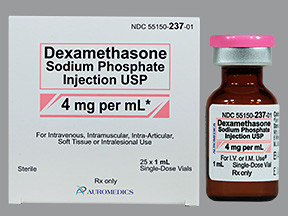
Dexamethasone: A Comprehensive Medical SEO Guide
Dexamethasone is a potent synthetic corticosteroid, widely recognized for its profound anti-inflammatory and immunosuppressive properties. As an expert medical SEO copywriter and orthopedic specialist, this guide aims to provide an exhaustive overview of this critical medication, from its fundamental mechanism of action to detailed clinical applications, potential risks, and management strategies. Its versatility makes it indispensable in treating a vast array of conditions, ranging from severe allergic reactions and rheumatic diseases to cerebral edema and certain cancers.
1. Comprehensive Introduction & Overview
Dexamethasone belongs to the class of glucocorticoids, a type of corticosteroid hormone. It is significantly more potent than naturally occurring cortisol and other synthetic corticosteroids like prednisone, with a longer biological half-life. This enhanced potency and duration of action contribute to its efficacy in conditions requiring strong, sustained anti-inflammatory or immunosuppressive effects.
Its introduction revolutionized the treatment landscape for numerous inflammatory and autoimmune disorders. In the field of orthopedics, Dexamethasone is frequently utilized to manage severe inflammatory conditions affecting joints, tendons, and surrounding soft tissues, providing significant relief from pain and swelling. However, its power necessitates careful prescription and monitoring due to a wide spectrum of potential side effects.
2. Deep-Dive into Technical Specifications / Mechanisms
Understanding how Dexamethasone works at a cellular level is crucial for appreciating its therapeutic effects and potential adverse reactions.
Mechanism of Action
Dexamethasone exerts its effects primarily by binding to intracellular glucocorticoid receptors (GRs), which are present in nearly all cells of the body. Once bound, the activated GR-ligand complex translocates into the cell nucleus, where it modulates gene expression through two main pathways:
- Genomic Effects (Primary Mechanism):
- Transactivation: The GR complex binds to specific DNA sequences called glucocorticoid response elements (GREs) in the promoter regions of target genes. This binding leads to increased transcription of genes encoding anti-inflammatory proteins, such as annexin A1 (lipocortin-1), which inhibits phospholipase A2 (a key enzyme in the inflammatory cascade), and various anti-cytokine factors.
- Transrepression: The GR complex also interacts with and inhibits the activity of pro-inflammatory transcription factors, such as NF-κB (nuclear factor kappa-light-chain-enhancer of activated B cells) and AP-1 (activator protein-1). This inhibition reduces the transcription of genes encoding pro-inflammatory mediators, including cytokines (e.g., IL-1, IL-6, TNF-α), chemokines, adhesion molecules, and cyclooxygenase-2 (COX-2), thereby suppressing the inflammatory response.
- Non-Genomic Effects (Rapid Onset):
- Some effects of dexamethasone are too rapid to be explained by gene transcription modulation. These involve direct interactions with cellular membranes or specific intracellular signaling pathways, contributing to immediate responses like stabilization of cell membranes and modulation of ion channels.
The overall result is a profound suppression of the immune system and inflammatory processes, leading to reduced pain, swelling, redness, and heat, and the attenuation of autoimmune responses.
Pharmacokinetics
The pharmacokinetic profile of Dexamethasone is critical for determining appropriate dosing regimens and understanding its duration of action.
- Absorption:
- Oral: Readily and completely absorbed from the gastrointestinal tract.
- Intravenous (IV) / Intramuscular (IM): Rapidly absorbed, providing quick systemic effects.
- Local Injections (e.g., intra-articular, soft tissue): Provides localized effects with minimal systemic absorption, though some systemic exposure can occur.
- Topical/Ophthalmic: Variable absorption depending on the formulation and integrity of the skin/mucosa.
- Distribution:
- Widely distributed throughout the body.
- Approximately 77% plasma protein binding (less than cortisol or prednisone).
- Crosses the placental barrier and is excreted into breast milk.
- Penetrates the blood-brain barrier, which is crucial for its use in cerebral edema.
- Metabolism:
- Primarily metabolized in the liver by the cytochrome P450 3A4 (CYP3A4) enzyme system.
- Undergoes hydroxylation and conjugation.
- Elimination:
- Excreted mainly by the kidneys as inactive metabolites.
- Plasma Half-Life: Approximately 3-4 hours.
- Biological Half-Life: Much longer, ranging from 36-72 hours, due to its strong receptor binding and sustained genomic effects. This long biological half-life allows for once-daily dosing in many applications.
Pharmacokinetic Summary Table:
| Parameter | Description |
|---|---|
| Absorption | Rapid and complete (oral, IV, IM) |
| Protein Binding | ~77% |
| Metabolism | Hepatic (CYP3A4) |
| Elimination | Renal (inactive metabolites) |
| Plasma Half-Life | 3-4 hours |
| Biological T½ | 36-72 hours |
| Onset of Action | Varies by route: IV (minutes to hours), Oral (hours) |
| Duration of Effect | Up to 72 hours (systemic) |
3. Extensive Clinical Indications & Usage
Dexamethasone's broad spectrum of action makes it invaluable across numerous medical specialties.
Systemic Indications
- Allergic Reactions: Severe allergic or anaphylactic reactions, severe asthma exacerbations, allergic rhinitis, severe dermatologic allergies (e.g., contact dermatitis, drug eruptions).
- Rheumatic Disorders (Orthopedic Relevance): Rheumatoid arthritis, systemic lupus erythematosus, psoriatic arthritis, ankylosing spondylitis, polymyalgia rheumatica, vasculitis. Used to reduce inflammation and pain during acute flares.
- Dermatologic Diseases: Pemphigus, bullous dermatitis herpetiformis, severe erythema multiforme (Stevens-Johnson syndrome), exfoliative dermatitis, mycosis fungoides, severe psoriasis, severe seborrheic dermatitis.
- Endocrine Disorders: Primary or secondary adrenocortical insufficiency (typically with a mineralocorticoid), congenital adrenal hyperplasia, pre-operative preparation of patients with Cushing's syndrome, diagnostic test for Cushing's syndrome.
- Gastrointestinal Diseases: Crohn's disease, ulcerative colitis (during acute exacerbations).
- Hematologic Disorders: Acquired (autoimmune) hemolytic anemia, idiopathic thrombocytopenic purpura (ITP) in adults, pure red cell aplasia.
- Neoplastic Diseases: Palliative management of leukemias and lymphomas in adults and children, multiple myeloma, hypercalcemia associated with cancer, and as an anti-emetic in chemotherapy regimens.
- Neurological Conditions: Cerebral edema associated with brain tumors, neurosurgery, or head injury (reduces intracranial pressure), acute exacerbations of multiple sclerosis, spinal cord compression.
- Ophthalmic Diseases: Severe acute and chronic allergic and inflammatory processes involving the eye and its adnexa (e.g., iritis, cyclitis, choroiditis, optic neuritis, allergic conjunctivitis, keratitis).
- Respiratory Diseases: Symptomatic sarcoidosis, berylliosis, fulminating or disseminated pulmonary tuberculosis (when used concurrently with appropriate antituberculous chemotherapy), aspiration pneumonitis.
- Renal Diseases: To induce diuresis or remission of proteinuria in the nephrotic syndrome, without uremia, of the idiopathic type or that due to lupus erythematosus.
- COVID-19: Used in hospitalized patients requiring supplemental oxygen or mechanical ventilation to reduce mortality.
Local/Regional Indications (Specific Orthopedic Relevance)
- Intra-articular Injections: Used directly into joints for conditions like osteoarthritis (especially knee, hip, shoulder), rheumatoid arthritis, post-traumatic osteoarthritis, and other inflammatory arthropathies, to provide localized relief of pain and inflammation.
- Soft Tissue Injections: Bursitis (e.g., subacromial, olecranon, trochanteric), tendinitis (e.g., rotator cuff tendinitis, Achilles tendinitis, patellar tendinitis), tenosynovitis (e.g., De Quervain's tenosynovitis), epicondylitis (tennis elbow, golfer's elbow).
- Epidural Injections: Although often considered off-label, Dexamethasone is frequently used in epidural steroid injections (ESIs) to manage radicular pain caused by disc herniation or spinal stenosis, reducing inflammation around compressed nerve roots.
- Intralesional Injections: For various dermatological conditions or localized inflammatory lesions.
Dosage Guidelines
Dosing of Dexamethasone is highly individualized, depending on the specific condition, severity, patient response, and formulation. The goal is to use the lowest effective dose for the shortest possible duration.
- General Principles:
- Initial Dose: May range from 0.75 mg to 9 mg daily (or higher for severe conditions like cerebral edema, up to 10 mg IV initially, followed by 4 mg every 6 hours).
- Maintenance Dose: Adjusted based on clinical response, often tapered to the lowest effective dose.
- Tapering: For prolonged therapy (typically >2 weeks), gradual dose reduction is crucial to prevent adrenal insufficiency. Abrupt cessation can lead to withdrawal symptoms and potentially life-threatening adrenal crisis.
- Specific Examples:
- Anti-inflammatory/Immunosuppressive: Oral doses often start at 0.75-9 mg/day, divided or as a single dose.
- Cerebral Edema: Initial IV dose of 10 mg, followed by 4 mg IM or IV every 6 hours until symptoms subside.
- COVID-19: 6 mg once daily for up to 10 days (oral or IV).
- Intra-articular/Soft Tissue Injections: Doses vary by joint size and condition, typically 2-8 mg.
4. Risks, Side Effects, and Contraindications
While highly effective, Dexamethasone carries a significant risk profile, especially with long-term or high-dose use.
Contraindications
- Systemic Fungal Infections: Dexamethasone can exacerbate these infections.
- Hypersensitivity: Known allergy to Dexamethasone or any component of the formulation.
- Live or Live-Attenuated Vaccines: During immunosuppressive doses of Dexamethasone, as it can impair the immune response and lead to vaccine-induced illness.
- Cautions: Active tuberculosis, herpes simplex infection of the eye, peptic ulcer disease, diverticulitis, fresh intestinal anastomoses, abscess or other pyogenic infections, renal insufficiency, hypertension, osteoporosis, diabetes mellitus, myasthenia gravis, glaucoma, cataracts, psychiatric disturbances.
Adverse Effects (Common and Serious)
Adverse effects are often dose-dependent and duration-dependent.
- Endocrine and Metabolic:
- Adrenal suppression (most common and significant with prolonged use).
- Cushing's syndrome (moon face, buffalo hump, central obesity).
- Hyperglycemia, new-onset diabetes or worsening of existing diabetes.
- Osteoporosis and increased fracture risk (orthopedic concern!).
- Growth retardation in children.
- Fluid retention, edema, hypertension.
- Hypokalemia.
- Gastrointestinal:
- Peptic ulcers, gastrointestinal bleeding, perforation.
- Pancreatitis.
- Nausea, vomiting, abdominal distention.
- Cardiovascular:
- Hypertension.
- Exacerbation of congestive heart failure.
- Arrhythmias.
- Neurological and Psychiatric:
- Insomnia, nervousness, restlessness.
- Mood changes (euphoria, depression, anxiety, personality changes).
- Psychosis, hallucinations, delirium.
- Headache, vertigo, seizures.
- Ocular:
- Posterior subcapsular cataracts (especially in children).
- Glaucoma, increased intraocular pressure.
- Exophthalmos.
- Dermatologic:
- Skin thinning, fragility, easy bruising.
- Impaired wound healing.
- Acne, hirsutism.
- Striae, petechiae, ecchymoses.
- Musculoskeletal (Orthopedic Concern!):
- Muscle weakness, steroid myopathy.
- Avascular necrosis (osteonecrosis), especially of the femoral head.
- Vertebral compression fractures.
- Tendinopathy and tendon rupture (especially with local injections).
- Immunological:
- Increased susceptibility to infection (bacterial, viral, fungal, parasitic).
- Masking of infection signs and symptoms.
- Impaired immune response to vaccines.
Drug Interactions
Dexamethasone interacts with numerous medications, altering their efficacy or increasing the risk of adverse effects.
- CYP3A4 Inducers: Phenytoin, barbiturates, rifampin, carbamazepine, ephedrine. These drugs can increase the metabolism of Dexamethasone, decreasing its plasma concentrations and therapeutic effect.
- CYP3A4 Inhibitors: Ketoconazole, itraconazole, macrolide antibiotics (e.g., erythromycin), ritonavir. These can inhibit Dexamethasone metabolism, leading to increased plasma concentrations and potential toxicity.
- NSAIDs (Nonsteroidal Anti-inflammatory Drugs): Concurrent use increases the risk of gastrointestinal ulceration and bleeding.
- Anticoagulants (e.g., Warfarin): Dexamethasone can either enhance or diminish the effects of anticoagulants; close monitoring of INR is necessary.
- Diuretics (Thiazide or Loop): Increased risk of hypokalemia.
- Antidiabetic Agents: Dexamethasone can elevate blood glucose levels, requiring dose adjustments of insulin or oral hypoglycemics.
- Live Vaccines: Contraindicated due to immunosuppression.
- Cholestyramine, Antacids: May decrease Dexamethasone absorption.
- Digitalis Glycosides: Increased risk of digitalis toxicity due to hypokalemia.
Pregnancy and Lactation Warnings
- Pregnancy (Category C): Dexamethasone crosses the placenta. Animal studies have shown teratogenic effects. In humans, there's a potential risk of fetal growth restriction and adrenal suppression in the neonate, especially with prolonged use. It should be used during pregnancy only if the potential benefit justifies the potential risk to the fetus. If used, neonates should be monitored for signs of hypoadrenalism.
- Lactation: Dexamethasone is excreted into breast milk. While the amount may be small, potential adverse effects on the infant include growth suppression and interference with endogenous corticosteroid production. A decision should be made whether to discontinue nursing or discontinue the drug, taking into account the importance of the drug to the mother.
Overdose Management
Acute Dexamethasone overdose is rare and generally not life-threatening. Chronic overdose, however, can lead to exacerbated side effects.
- Symptoms of Acute Overdose: Primarily an intensification of known adverse effects, such as fluid retention, hyperglycemia, hypertension, and psychiatric disturbances.
- Management:
- There is no specific antidote for Dexamethasone overdose.
- Treatment is primarily symptomatic and supportive.
- Gastric lavage or activated charcoal may be considered if ingestion was recent.
- Fluid and electrolyte balance should be monitored and corrected.
- For chronic overdose leading to adrenal suppression, gradual withdrawal of the drug is essential to prevent acute adrenal insufficiency. Abrupt cessation can be dangerous.
5. Massive FAQ Section
Q1: What is Dexamethasone used for?
Dexamethasone is a potent corticosteroid used to treat a wide range of inflammatory and autoimmune conditions. This includes severe allergies, asthma, arthritis, lupus, certain skin conditions, some cancers, cerebral edema, and even severe cases of COVID-19 to reduce inflammation. In orthopedics, it's frequently used for joint, tendon, and nerve inflammation.
Q2: How quickly does Dexamethasone work?
The onset of action varies by the route of administration and the condition being treated. Intravenous Dexamethasone for conditions like cerebral edema can show effects within minutes to a few hours. Oral doses typically start to show effects within a few hours, with full anti-inflammatory benefits developing over 1-2 days. Local injections (e.g., into a joint) can provide relief within hours to a day.
Q3: What are the most common side effects of Dexamethasone?
Common side effects include increased appetite, weight gain, fluid retention, mood changes (e.g., insomnia, anxiety, euphoria), increased blood sugar, indigestion, and high blood pressure. With prolonged use, more serious side effects like adrenal suppression, osteoporosis, cataracts, and increased infection risk can occur.
Q4: Can Dexamethasone be used for pain?
Yes, Dexamethasone can indirectly relieve pain by reducing inflammation. It is not a direct painkiller like ibuprofen or acetaminophen, but by suppressing the inflammatory response that often causes pain, it can be very effective in conditions like arthritis, tendinitis, or nerve compression.
Q5: Is Dexamethasone an antibiotic?
No, Dexamethasone is not an antibiotic. It is a corticosteroid, which means it reduces inflammation and suppresses the immune system. It has no direct effect on bacteria, viruses, or fungi. In fact, by suppressing the immune system, it can make individuals more susceptible to infections.
Q6: How should I take Dexamethasone (e.g., with food)?
Oral Dexamethasone is often recommended to be taken with food or milk to minimize gastrointestinal upset, such as stomach pain or heartburn. Always follow your doctor's specific instructions regarding timing and dosage.
Q7: What happens if I stop Dexamethasone suddenly?
If you have been taking Dexamethasone for an extended period (typically more than 2 weeks) or at high doses, stopping it suddenly can be dangerous. It can lead to adrenal insufficiency, a condition where your body doesn't produce enough natural corticosteroids. Symptoms can include severe fatigue, weakness, body aches, nausea, vomiting, dizziness, and low blood pressure. Your doctor will provide a tapering schedule to gradually reduce the dose.
Q8: Can Dexamethasone affect my blood sugar?
Yes, Dexamethasone can significantly increase blood sugar levels, even in individuals without diabetes. This is a common side effect, especially with higher doses or prolonged use. If you have diabetes, your blood sugar will need to be closely monitored, and your antidiabetic medication adjusted accordingly.
Q9: Is Dexamethasone safe during pregnancy?
Dexamethasone is classified as Pregnancy Category C. This means animal studies have shown adverse effects on the fetus, but there are no adequate and well-controlled studies in pregnant humans. It should only be used during pregnancy if the potential benefit outweighs the potential risk to the fetus. Neonates born to mothers who received Dexamethasone during pregnancy should be monitored for signs of adrenal suppression.
Q10: How long can I take Dexamethasone?
The duration of Dexamethasone treatment varies widely depending on the condition being treated. For acute, severe conditions, it might be prescribed for a few days to a week. For chronic conditions, it may be used for longer periods at the lowest effective dose, often with careful monitoring and a tapering plan. Long-term use significantly increases the risk of side effects.
Q11: Can Dexamethasone cause weight gain?
Yes, weight gain is a common side effect of Dexamethasone, particularly with prolonged use. This is often due to increased appetite, fluid retention, and changes in fat distribution (e.g., central obesity, "moon face").
Q12: What is the difference between Dexamethasone and Prednisone?
Both Dexamethasone and Prednisone are synthetic corticosteroids, but they differ in potency and duration of action. Dexamethasone is significantly more potent than Prednisone (approximately 6-7 times) and has a longer biological half-life (36-72 hours vs. 18-36 hours for Prednisone). This means Dexamethasone can often be given less frequently and at lower milligram doses to achieve similar effects. Prednisone is considered an intermediate-acting corticosteroid, while Dexamethasone is long-acting.