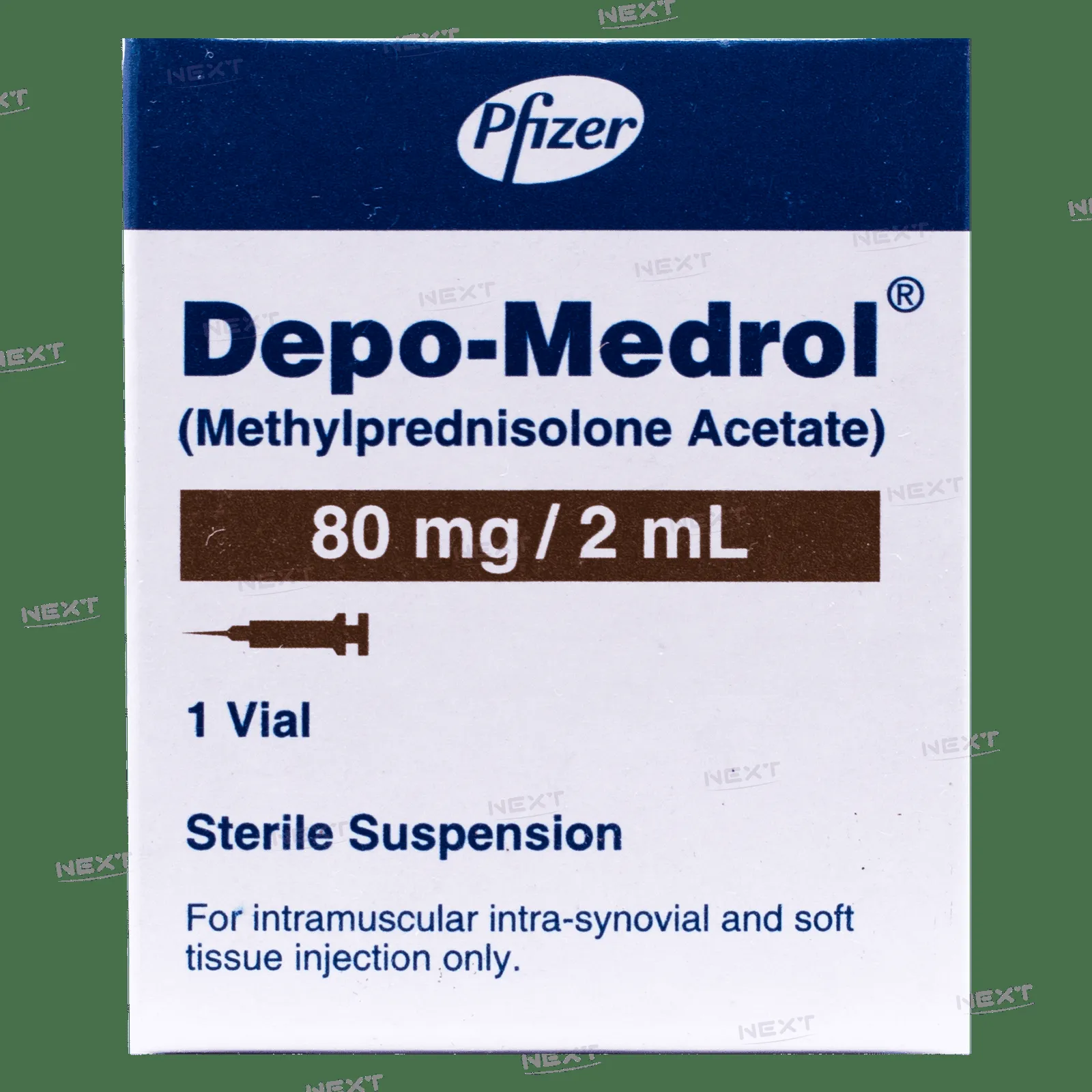

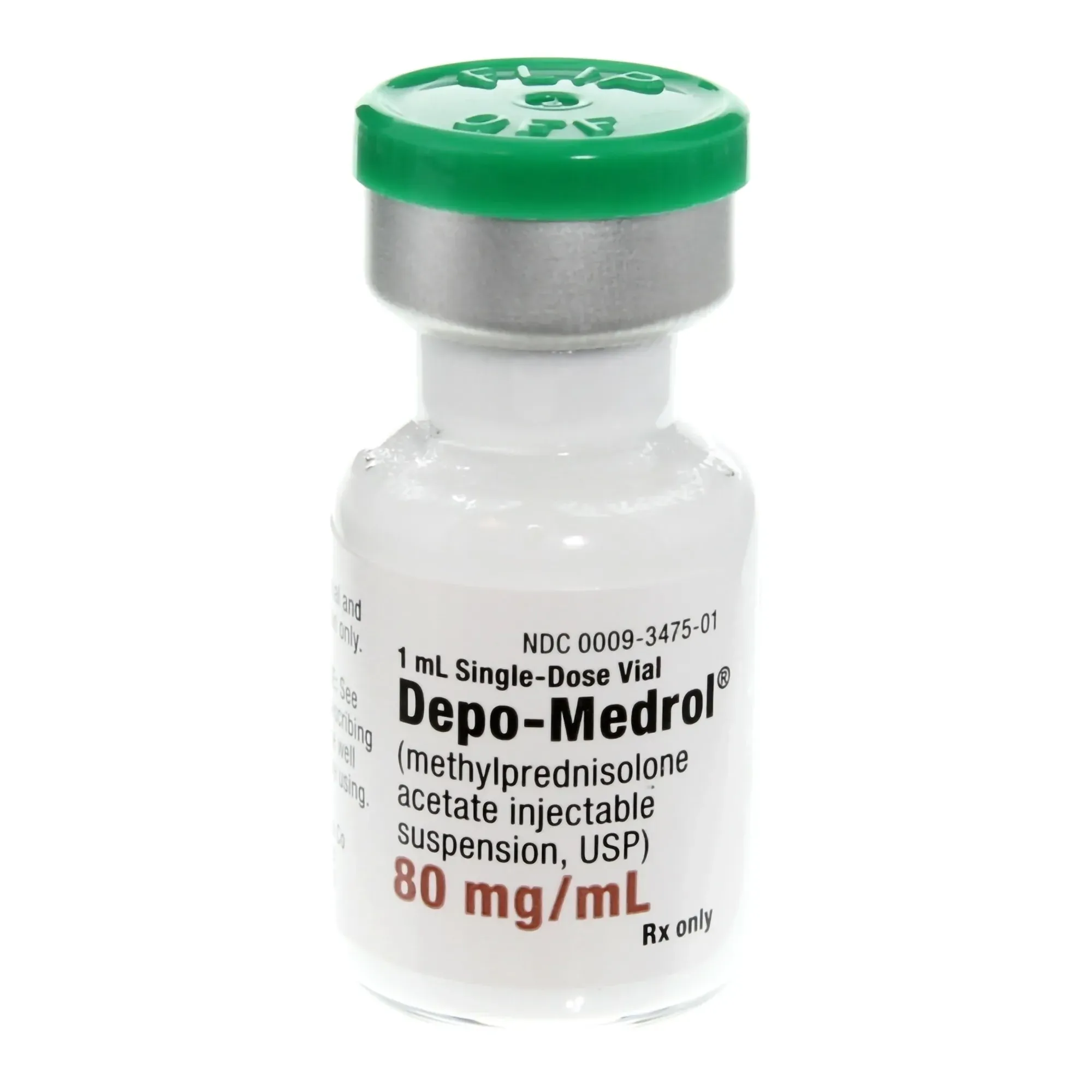
Depo-Medrol: An Authoritative Medical and Orthopedic Guide
1. Comprehensive Introduction & Overview
Depo-Medrol, the brand name for methylprednisolone acetate, is a potent synthetic glucocorticoid corticosteroid. Administered primarily via injection, it is renowned for its powerful anti-inflammatory and immunosuppressive properties. As an expert in orthopedic medicine, I frequently utilize Depo-Medrol to manage a wide array of musculoskeletal conditions characterized by inflammation and pain. Beyond orthopedics, its versatility extends to treating various allergic reactions, dermatological conditions, respiratory disorders, and autoimmune diseases.
Corticosteroids like Depo-Medrol mimic the effects of hormones naturally produced by the adrenal glands. By reducing inflammation and dampening the immune system's overactivity, Depo-Medrol can provide significant relief from symptoms, improve function, and enhance the quality of life for patients suffering from chronic or acute inflammatory processes. Its sustained-release formulation, particularly beneficial for local injections, offers prolonged therapeutic effects, making it a cornerstone in targeted pain and inflammation management.
It is crucial to understand that while Depo-Medrol is highly effective, its use requires careful consideration, precise dosing, and professional administration to maximize benefits and minimize potential risks. This comprehensive guide aims to provide an exhaustive overview of Depo-Medrol, detailing its scientific underpinnings, clinical applications, safety profile, and management protocols.
2. Deep-dive into Technical Specifications / Mechanisms
Mechanism of Action
Methylprednisolone acetate exerts its therapeutic effects through a complex interplay of genomic and non-genomic mechanisms, primarily by binding to intracellular glucocorticoid receptors (GRs).
- Genomic Mechanisms:
- Anti-inflammatory Gene Regulation: Upon binding, the activated GR-ligand complex translocates to the nucleus, where it modulates gene transcription. It upregulates the expression of anti-inflammatory genes (e.g., annexin A1, mitogen-activated protein kinase phosphatase-1) and downregulates pro-inflammatory genes.
- Inhibition of Pro-inflammatory Mediators: Depo-Medrol significantly inhibits the synthesis and release of various pro-inflammatory cytokines (e.g., TNF-alpha, IL-1, IL-6, IL-8), chemokines, and adhesion molecules.
- Suppression of Arachidonic Acid Pathway: It induces lipocortin-1 (annexin A1), which inhibits phospholipase A2. This enzyme is crucial for the release of arachidonic acid, the precursor to prostaglandins and leukotrienes, potent mediators of inflammation and pain.
- Reduced Nitric Oxide Synthase: Decreases the production of nitric oxide, another inflammatory mediator.
- Non-Genomic Mechanisms:
- Membrane Stabilization: Rapid effects, such as stabilization of lysosomal membranes, preventing the release of destructive enzymes.
- Direct Interaction: Possible direct interaction with cell membranes, altering ion flux and cellular excitability.
- Vasoconstriction: Reduces capillary permeability and vasodilation, thereby decreasing edema and leukocyte extravasation at the site of inflammation.
- Immunosuppressive Effects:
- Suppresses the migration of polymorphonuclear leukocytes (PMNs) and macrophages to the site of inflammation.
- Inhibits the proliferation of lymphocytes and reduces their activity.
- Decreases antibody production.
Pharmacokinetics
Depo-Medrol's unique pharmacokinetic profile, particularly its sustained release, is attributed to its acetate ester form.
- Absorption:
- Following intramuscular (IM) or intra-articular (IA) injection, methylprednisolone acetate is slowly absorbed from the injection site. This slow dissolution provides a sustained therapeutic effect, typically lasting for several weeks to months, depending on the dose and site of injection.
- Peak plasma concentrations are generally achieved within 6-12 hours post-IM injection, but the sustained release ensures therapeutic levels persist much longer.
- Distribution:
- Methylprednisolone is widely distributed throughout the body.
- It is approximately 77% bound to plasma proteins, primarily albumin and corticosteroid-binding globulin (transcortin), but this binding is saturable at higher concentrations.
- It crosses the blood-brain barrier, placenta, and is excreted in breast milk.
- Metabolism:
- Methylprednisolone is extensively metabolized in the liver, primarily by the cytochrome P450 3A4 (CYP3A4) enzyme system.
- It is converted into inactive metabolites, predominantly 20β-hydroxymethylprednisolone and 20β-hydroxy-6α-methylprednisolone.
- The ester linkage is hydrolyzed to release active methylprednisolone.
- Elimination:
- The inactive metabolites are primarily excreted in the urine.
- The plasma elimination half-life of methylprednisolone is approximately 2.5 to 3.5 hours, but the duration of action of the acetate ester form is considerably longer due to its slow absorption from the injection site.
- The biological half-life, reflecting the duration of glucocorticoid activity, can range from 18 to 36 hours.
3. Extensive Clinical Indications & Usage
Depo-Medrol's broad therapeutic utility makes it invaluable across numerous medical specialties. As an orthopedic specialist, my focus often lies in its application for musculoskeletal conditions, but its systemic uses are equally vital.
Orthopedic Indications (Local Injections)
Depo-Medrol is frequently utilized for its targeted anti-inflammatory effects directly at the site of musculoskeletal pain.
- Intra-Articular Injections:
- Osteoarthritis: Particularly for symptomatic relief in knee, hip, shoulder, or other peripheral joints.
- Rheumatoid Arthritis: For acute flares in specific joints, as an adjunct to systemic therapy.
- Gouty Arthritis: To rapidly reduce inflammation during acute attacks.
- Psoriatic Arthritis: For inflamed joints.
- Ankylosing Spondylitis: For peripheral joint involvement.
- Post-Traumatic Osteoarthritis: To manage inflammation and pain following injury.
- Soft Tissue Injections:
- Bursitis: Trochanteric bursitis (hip), olecranon bursitis (elbow), subacromial bursitis (shoulder).
- Tenosynovitis: Inflammation of the tendon sheath, such as De Quervain's tenosynovitis.
- Epicondylitis: "Tennis elbow" (lateral epicondylitis) and "golfer's elbow" (medial epicondylitis).
- Trigger Finger/Thumb: To reduce inflammation around the tendon sheath, facilitating smoother movement.
- Carpal Tunnel Syndrome: Injections into the carpal tunnel to reduce nerve compression.
- Ganglion Cysts: Although less common and often temporary, some cysts may respond to steroid injection.
Other Systemic and Local Indications
Depo-Medrol can be administered intramuscularly for systemic effects or locally for other conditions.
- Endocrine Disorders:
- Primary or secondary adrenocortical insufficiency (often in conjunction with mineralocorticoids).
- Congenital adrenal hyperplasia.
- Nonsuppurative thyroiditis.
- Hypercalcemia associated with cancer.
- Rheumatic Disorders (as adjunctive therapy for short-term administration during an acute episode):
- Systemic Lupus Erythematosus (SLE).
- Systemic dermatomyositis (polymyositis).
- Acute rheumatic carditis.
- Giant cell arteritis.
- Polymyalgia rheumatica.
- Dermatologic Diseases:
- Severe erythema multiforme (Stevens-Johnson syndrome).
- Exfoliative dermatitis.
- Mycosis fungoides.
- Severe psoriasis.
- Severe seborrheic dermatitis.
- Pemphigus.
- Allergic States (for severe or incapacitating allergic conditions refractory to adequate trials of conventional treatment):
- Seasonal or perennial allergic rhinitis.
- Bronchial asthma.
- Contact dermatitis.
- Atopic dermatitis.
- Serum sickness.
- Drug hypersensitivity reactions.
- Acute noninfectious laryngeal edema.
- Ophthalmic Diseases:
- Allergic conjunctivitis.
- Keratitis.
- Iritis and iridocyclitis.
- Chorioretinitis.
- Diffuse posterior uveitis and choroiditis.
- Optic neuritis.
- Sympathetic ophthalmia.
- Temporal arteritis.
- Respiratory Diseases:
- Symptomatic sarcoidosis.
- Loeffler's syndrome not manageable by other means.
- Berylliosis.
- Fulminating or disseminated pulmonary tuberculosis (when used concurrently with appropriate antituberculous chemotherapy).
- Aspiration pneumonitis.
- Hematologic Disorders:
- Acquired (autoimmune) hemolytic anemia.
- Pure red cell aplasia.
- Secondary thrombocytopenia in adults.
- Neoplastic Diseases (for palliative management):
- Leukemias and lymphomas in adults.
- Acute leukemia of childhood.
- Gastrointestinal Diseases (to tide the patient over a critical period of the disease):
- Ulcerative colitis.
- Regional enteritis (Crohn's disease).
- Nervous System:
- Exacerbations of multiple sclerosis.
- Cerebral edema associated with primary or metastatic brain tumor, or craniotomy.
Dosage Guidelines
Dosage of Depo-Medrol is highly individualized, depending on the specific condition, severity, patient response, and route of administration. It should always be determined by a qualified healthcare professional.
- Intra-Articular and Soft Tissue Injections:
- Large Joints (e.g., knee, shoulder, hip): Typically 20-80 mg.
- Medium Joints (e.g., elbow, wrist, ankle): Typically 10-40 mg.
- Small Joints (e.g., interphalangeal, metacarpophalangeal): Typically 4-10 mg.
- Bursae: 4-30 mg.
- Tendon Sheaths, Ganglia, Carpal Tunnel: 4-30 mg.
- Epidural/Intrathecal: Not recommended due to significant safety concerns.
- Frequency: Generally, injections are not given more frequently than every 3-4 months in the same joint to minimize the risk of cartilage damage.
- Intramuscular Injections (for systemic effect):
- General Dosage: 40-120 mg, repeated at intervals of 1 to 4 weeks, depending on the response and duration of relief required.
- Allergic Conditions (e.g., severe asthma): A single IM dose of 80-120 mg may be sufficient for prolonged relief.
- Dermatologic Conditions: 40-120 mg IM, repeated weekly for 1-4 weeks.
- Intralesional Injections (for dermatological conditions):
- Typically 20-60 mg, diluted to a concentration of 20-40 mg/mL, injected directly into the lesion.
- Total dose should not exceed 80 mg per week.
Important Considerations:
* Aseptic Technique: Strict aseptic technique is paramount for all injections to prevent infection.
* Dilution: Depo-Medrol can be diluted with 1% or 2% lidocaine HCl solution (without parabens) to reduce injection pain, but compatibility must be ensured.
* Withdrawal: After prolonged systemic therapy, withdrawal should be gradual to prevent acute adrenal insufficiency.
4. Risks, Side Effects, and Contraindications
While Depo-Medrol is a powerful therapeutic agent, its use is associated with potential risks, side effects, and specific contraindications that must be carefully considered.
Contraindications
- Systemic Fungal Infections: Corticosteroids can exacerbate these infections.
- Hypersensitivity: Known hypersensitivity to methylprednisolone, other corticosteroids, or any component of the formulation.
- Live or Live-Attenuated Vaccines: Administration is contraindicated during corticosteroid therapy due to immunosuppression.
- Intrathecal Administration: Not recommended due to reports of severe adverse events, including arachnoiditis, paraplegia, paralysis, and cauda equina syndrome.
- Epidural Administration: Not recommended due to reports of serious neurological adverse events.
Warnings and Precautions
- Adrenal Suppression: Prolonged use can lead to suppression of the hypothalamic-pituitary-adrenal (HPA) axis. Abrupt withdrawal can precipitate acute adrenal insufficiency, which can be life-threatening.
- Infections: Corticosteroids can mask signs of infection, increase susceptibility to new infections, and reactivate latent infections (e.g., tuberculosis, herpes simplex, fungal, parasitic infections).
- Cardiovascular Effects: May cause fluid retention, hypertension, and exacerbate congestive heart failure. Use with caution in patients with cardiovascular disease.
- Gastrointestinal Effects: Increased risk of peptic ulcer disease, perforation, and hemorrhage. Use with caution in patients with a history of GI disorders. May exacerbate diverticulitis or ulcerative colitis.
- Musculoskeletal Effects:
- Osteoporosis: Long-term use can lead to bone loss and increased fracture risk.
- Myopathy: Steroid-induced myopathy can occur, particularly with high doses.
- Avascular Necrosis: Risk of avascular necrosis of the femoral head or other joints, especially with high-dose, long-term use.
- Ocular Effects: Increased intraocular pressure (glaucoma), posterior subcapsular cataracts, and exacerbation of ocular herpes simplex. Regular ophthalmologic examinations are recommended during prolonged therapy.
- Psychiatric Disturbances: May cause mood swings, insomnia, euphoria, depression, or psychotic manifestations.
- Metabolic Effects: Exacerbation of diabetes mellitus, requiring adjustment of antidiabetic medication. May also lead to negative nitrogen balance.
- Growth Retardation: May suppress growth in children and adolescents.
- Pheochromocytoma Crisis: Corticosteroids can precipitate a crisis in patients with pheochromocytoma.
- Kaposi's Sarcoma: Has been reported to occur in patients receiving corticosteroid therapy.
- Immunosuppression: Patients on immunosuppressive doses should be warned to avoid exposure to chickenpox or measles and to seek medical advice if exposed.
Common Side Effects
Side effects can be local (at the injection site) or systemic, with systemic effects being more common with higher doses, more frequent administration, or prolonged use.
Local Side Effects (for injections):
* Post-injection flare: Transient increase in pain and inflammation in the injected joint, typically resolving within 24-48 hours.
* Pain and swelling: At the injection site.
* Subcutaneous atrophy: Dimpling or thinning of the skin and underlying fat at the injection site, which can be permanent.
* Skin discoloration: Hypopigmentation or hyperpigmentation.
* Infection: Though rare with proper aseptic technique.
Systemic Side Effects (with prolonged or high-dose use):
* Fluid and Electrolyte Disturbances: Sodium retention, fluid retention, potassium loss, hypokalemic alkalosis, hypertension.
* Musculoskeletal: Muscle weakness, steroid myopathy, loss of muscle mass, osteoporosis, vertebral compression fractures, aseptic necrosis of femoral and humeral heads, pathologic fracture of long bones.
* Gastrointestinal: Peptic ulcer with possible perforation and hemorrhage, pancreatitis, abdominal distention, ulcerative esophagitis.
* Dermatologic: Impaired wound healing, thin fragile skin, petechiae and ecchymoses, facial erythema, increased sweating, hirsutism, acne, striae.
* Neurological: Convulsions, increased intracranial pressure with papilledema (pseudotumor cerebri) usually after treatment, vertigo, headache.
* Endocrine: Development of Cushingoid state, suppression of growth in children, secondary adrenocortical and pituitary unresponsiveness, decreased carbohydrate tolerance, manifestations of latent diabetes mellitus, increased requirements for insulin or oral hypoglycemic agents in diabetics, menstrual irregularities.
* Ophthalmic: Posterior subcapsular cataracts, increased intraocular pressure, glaucoma, exophthalmos.
* Metabolic: Negative nitrogen balance due to protein catabolism.
* Other: Hypersensitivity reactions, weight gain, increased appetite, malaise.
Drug Interactions
Depo-Medrol can interact with various medications, altering their efficacy or increasing the risk of adverse effects.
- CYP3A4 Inducers (e.g., phenobarbital, phenytoin, rifampin): May increase the metabolism of methylprednisolone, leading to decreased corticosteroid effects.
- CYP3A4 Inhibitors (e.g., ketoconazole, erythromycin, diltiazem, grapefruit juice): May decrease the metabolism of methylprednisolone, leading to increased plasma concentrations and potential for enhanced corticosteroid effects.
- Nonsteroidal Anti-inflammatory Drugs (NSAIDs): Concomitant use increases the risk of gastrointestinal ulceration and bleeding.
- Anticoagulants (e.g., warfarin): Corticosteroids can both enhance or diminish the effects of anticoagulants; close monitoring of INR is advised.
- Diuretics (especially potassium-depleting): May enhance potassium loss, increasing the risk of hypokalemia.
- Antidiabetic Agents (e.g., insulin, oral hypoglycemics): Corticosteroids can increase blood glucose levels, requiring dose adjustments of antidiabetic medications.
- Vaccines: Corticosteroids can diminish the immune response to vaccines. Live or live-attenuated vaccines are contraindicated.
- Cardiac Glycosides (e.g., digoxin): Increased risk of toxicity with hypokalemia induced by corticosteroids.
- Cholestyramine: May decrease the absorption of corticosteroids.
- Cyclosporine: There may be mutual inhibition of metabolism; concurrent use may result in increased plasma concentrations of both drugs and increased risk of seizures.
- Oral Contraceptives/Estrogens: May increase the plasma half-life and concentration of corticosteroids, enhancing their effects.
- Antacids: May reduce the bioavailability of methylprednisolone.
Pregnancy and Lactation Warnings
- Pregnancy (FDA Pregnancy Category C):
- Animal studies have shown corticosteroids to be teratogenic (e.g., cleft palate, skeletal abnormalities).
- There are no adequate and well-controlled studies in pregnant women.
- Depo-Medrol should be used during pregnancy only if the potential benefit justifies the potential risk to the fetus.
- Infants born to mothers who have received substantial doses of corticosteroids during pregnancy should be carefully observed for signs of hypoadrenalism.
- Lactation:
- Methylprednisolone is excreted in breast milk.
- The potential for adverse effects in nursing infants (e.g., growth suppression, interference with endogenous corticosteroid production) exists.
- A decision should be made whether to discontinue nursing or to discontinue the drug, taking into account the importance of the drug to the mother.
Overdose Management
Acute overdose with Depo-Medrol is rare and typically not life-threatening.
- Symptoms: Primarily an exacerbation of known corticosteroid side effects, such as fluid retention, hypertension, hyperglycemia, and psychiatric disturbances.
- Treatment:
- There is no specific antidote for corticosteroid overdose.
- Management is primarily supportive and symptomatic.
- Electrolyte balance, fluid status, and blood glucose levels should be monitored.
- For chronic overdose leading to HPA axis suppression, gradual tapering of the corticosteroid dose is essential to prevent acute adrenal crisis. Hemodialysis is not effective for the removal of methylprednisolone.
5. Massive FAQ Section
Q1: What is Depo-Medrol?
A1: Depo-Medrol is the brand name for methylprednisolone acetate, a synthetic corticosteroid medication. It is primarily used for its powerful anti-inflammatory and immunosuppressive effects, commonly administered via injection.
Q2: How does Depo-Medrol work?
A2: Depo-Medrol works by mimicking natural hormones produced by your adrenal glands. It reduces inflammation by suppressing the immune system's response, decreasing the production of inflammatory chemicals, and stabilizing cell membranes. This helps to alleviate pain, swelling, and other symptoms associated with inflammatory conditions.
Q3: What are the common uses of Depo-Medrol?
A3: Depo-Medrol is used to treat a wide range of inflammatory and autoimmune conditions. Common uses include:
* Orthopedic: Osteoarthritis, rheumatoid arthritis flares, bursitis, tendinitis, epicondylitis (tennis/golfer's elbow), carpal tunnel syndrome.
* Allergic: Severe asthma, allergic rhinitis, skin allergies.
* Dermatologic: Severe psoriasis, eczema.
* Rheumatic: Systemic lupus erythematosus.
* Other: Inflammatory bowel disease, certain blood disorders, and some cancers (palliative).
Q4: Is Depo-Medrol the same as prednisone?
A4: Both Depo-Medrol (methylprednisolone acetate) and prednisone are corticosteroids, but they are not identical. Prednisone is an oral corticosteroid that needs to be metabolized by the liver into its active form (prednisolone). Depo-Medrol is an injectable form of methylprednisolone, which is already active and often formulated for sustained release, providing longer-lasting local or systemic effects from a single injection compared to a single dose of oral prednisone.
Q5: How long does Depo-Medrol last?
A5: The duration of action for Depo-Medrol varies depending on the dose, site of injection, and individual patient factors. For local injections (e.g., into a joint), the anti-inflammatory effects can last from several weeks to a few months. For intramuscular injections providing systemic effects, relief can also be sustained for several weeks.
Q6: What are the potential side effects of Depo-Medrol injections?
A6: Side effects can be local or systemic.
* Local: Temporary increase in pain (steroid flare), swelling, skin thinning, or discoloration at the injection site.
* Systemic (more common with higher doses or frequent use): Fluid retention, increased blood sugar (especially in diabetics), increased appetite, weight gain, mood changes, insomnia, high blood pressure, and in long-term use, osteoporosis or increased risk of infection.
Q7: Can I receive a Depo-Medrol injection if I have diabetes?
A7: Yes, but with caution. Corticosteroids like Depo-Medrol can increase blood glucose levels, potentially requiring adjustments to your diabetes medication or insulin dosage. Your doctor will monitor your blood sugar closely and discuss the risks and benefits with you.
Q8: How often can I get a Depo-Medrol injection?
A8: The frequency of Depo-Medrol injections depends on the condition being treated and the route of administration. For joint injections, it is generally recommended to not inject the same joint more frequently than every 3-4 months to minimize the risk of cartilage damage. Your doctor will determine the appropriate interval based on your specific needs and response to treatment.
Q9: What should I avoid after a Depo-Medrol injection?
A9: After a joint or soft tissue injection, it's generally advised to:
* Rest the injected area for 24-48 hours to allow the medication to settle.
* Avoid strenuous activities or heavy lifting for a few days.
* Monitor for signs of infection (increased redness, swelling, warmth, fever).
* Avoid immersing the injection site in water (e.g., baths, swimming) for 24 hours.
Your doctor will provide specific post-injection instructions.
Q10: Is Depo-Medrol safe during pregnancy or breastfeeding?
A10: Depo-Medrol is classified as Pregnancy Category C, meaning animal studies have shown potential harm to the fetus, but there are no adequate human studies. It should only be used if the potential benefit outweighs the potential risk to the fetus. It also passes into breast milk, so caution is advised, and your doctor will discuss whether to discontinue nursing or the medication.
Q11: What is a "steroid flare" and how is it managed?
A11: A "steroid flare" is a temporary increase in pain and inflammation that can occur in the injected joint or area within 24-48 hours after a corticosteroid injection. It's thought to be due to the body's reaction to the steroid crystals. It usually subsides on its own and can be managed with rest, ice packs, and over-the-counter pain relievers like acetaminophen.
Q12: Can Depo-Medrol cause weight gain?
A12: Yes, particularly with higher doses or prolonged systemic use, Depo-Medrol can cause increased appetite and fluid retention, which can lead to weight gain. This is a common side effect of corticosteroids and should be discussed with your healthcare provider if it becomes problematic.