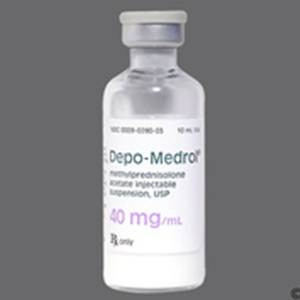
Depo-Medrol: An Expert Medical SEO Guide
Comprehensive Introduction & Overview
Depo-Medrol, a brand name for methylprednisolone acetate, is a synthetic glucocorticoid corticosteroid medication. As an expert in medical SEO and an orthopedic specialist, I recognize its pivotal role in managing a wide array of inflammatory, allergic, and autoimmune conditions. Administered primarily via intramuscular (IM) or intra-articular (IA) injection, Depo-Medrol is designed for sustained release, offering prolonged therapeutic effects compared to its soluble counterparts.
Its primary mechanism involves potent anti-inflammatory and immunosuppressive actions. By reducing inflammation, Depo-Medrol effectively alleviates pain, swelling, and redness associated with various diseases. In the orthopedic realm, it is a cornerstone treatment for localized inflammatory conditions such as osteoarthritis flares, bursitis, tendinitis, and epicondylitis, providing targeted relief directly to the affected joint or soft tissue. Systemically, it can manage more generalized inflammatory or allergic responses. This guide will delve into its intricate mechanisms, clinical applications, dosage protocols, potential risks, and crucial considerations for both healthcare providers and patients.
Deep-Dive into Technical Specifications / Mechanisms
Mechanism of Action
Methylprednisolone acetate exerts its therapeutic effects through a complex interplay with cellular processes, primarily by binding to cytoplasmic glucocorticoid receptors. This binding initiates a cascade of events that profoundly alters gene expression, leading to both anti-inflammatory and immunosuppressive outcomes.
- Genomic Effects:
- Transactivation: The activated steroid-receptor complex translocates into the nucleus, where it binds to specific DNA sequences known as glucocorticoid response elements (GREs) in the promoter regions of target genes. This binding upregulates the transcription of anti-inflammatory proteins, such as annexin A1 (lipocortin-1), which inhibits phospholipase A2. By blocking phospholipase A2, Depo-Medrol prevents the release of arachidonic acid from cell membranes, thereby inhibiting the synthesis of potent inflammatory mediators like prostaglandins and leukotrienes.
- Transrepression: Glucocorticoids also suppress the activity of pro-inflammatory transcription factors, such as NF-κB (Nuclear Factor kappa-light-chain-enhancer of activated B cells) and AP-1 (Activator Protein-1). This leads to a downregulation of genes encoding pro-inflammatory cytokines (e.g., TNF-α, IL-1, IL-6), chemokines, adhesion molecules, and inducible enzymes like COX-2 and iNOS.
- Non-Genomic Effects: While less understood, some rapid glucocorticoid effects are thought to occur through non-genomic mechanisms, potentially involving direct interaction with cell membranes or cytoplasmic receptors, leading to immediate changes in ion flux or signal transduction pathways.
- Cellular Effects:
- Inhibition of Leukocyte Migration: Depo-Medrol reduces the migration of neutrophils, monocytes, and lymphocytes to sites of inflammation.
- Reduction of Capillary Permeability: It stabilizes lysosomal membranes and reduces the permeability of capillaries, thereby decreasing exudation and edema.
- Lymphocyte Suppression: It induces apoptosis in lymphocytes and reduces their proliferation, contributing to its immunosuppressive properties.
Pharmacokinetics
The pharmacokinetics of methylprednisolone acetate are characterized by its sustained-release profile, which is crucial for its prolonged therapeutic action.
- Absorption: Following intramuscular or intra-articular injection, methylprednisolone acetate is slowly hydrolyzed to free methylprednisolone, which is then absorbed into the systemic circulation. This slow release results in a prolonged duration of action. Peak plasma concentrations typically occur between 4 to 8 hours post-injection, but detectable levels can persist for several weeks.
- Distribution: Once absorbed, methylprednisolone is widely distributed throughout the body. It crosses the blood-brain barrier, placenta, and is excreted in breast milk. Approximately 77% of methylprednisolone is reversibly bound to plasma proteins, primarily albumin and corticosteroid-binding globulin (transcortin).
- Metabolism: Methylprednisolone is primarily metabolized in the liver by the cytochrome P450 3A4 (CYP3A4) enzyme system. It undergoes hydroxylation and other transformations to inactive metabolites.
- Excretion: The inactive metabolites are primarily excreted in the urine. The plasma elimination half-life of methylprednisolone is approximately 1.8 to 3.5 hours, but its biological half-life (the duration of its effect at the tissue level) is significantly longer, typically ranging from 18 to 36 hours for the free form, and even longer for the acetate ester due to its sustained release from the injection site. This extended biological activity is why injections are effective for weeks to months.
Extensive Clinical Indications & Usage
Depo-Medrol's potent anti-inflammatory and immunosuppressive properties make it invaluable across a broad spectrum of medical disciplines.
General Indications
- Rheumatic Disorders: As an orthopedic specialist, this is where Depo-Medrol shines. It's used as adjunctive therapy for short-term administration during acute exacerbations or flares of:
- Rheumatoid Arthritis
- Osteoarthritis (post-traumatic or synovitis of osteoarthritis)
- Psoriatic Arthritis
- Ankylosing Spondylitis
- Acute and subacute Bursitis
- Acute Non-specific Tenosynovitis
- Epicondylitis (Tennis Elbow, Golfer's Elbow)
- Acute Gouty Arthritis
- Allergic States: Management of severe or incapacitating allergic conditions refractory to adequate trials of conventional treatment:
- Bronchial Asthma (severe)
- Contact Dermatitis
- Atopic Dermatitis
- Serum Sickness
- Seasonal or Perennial Allergic Rhinitis
- Drug Hypersensitivity Reactions
- Dermatologic Diseases:
- Pemphigus
- Severe Erythema Multiforme (Stevens-Johnson syndrome)
- Exfoliative Dermatitis
- Bullous Dermatitis Herpetiformis
- Severe Psoriasis
- Severe Seborrheic Dermatitis
- Gastrointestinal Diseases: To tide the patient over a critical period of the disease:
- Ulcerative Colitis
- Regional Enteritis (Crohn's Disease)
- Respiratory Diseases:
- Symptomatic Sarcoidosis
- Loeffler's Syndrome not manageable by other means
- Berylliosis
- Aspiration Pneumonitis
- Hematologic Disorders:
- Acquired (Autoimmune) Hemolytic Anemia
- Pure Red Cell Aplasia
- Secondary Thrombocytopenia in Adults
- Neoplastic Diseases: For palliative management of:
- Leukemias and Lymphomas in adults
- Acute Leukemia of childhood
- Nervous System:
- Acute exacerbations of Multiple Sclerosis
- Ophthalmic Diseases: Severe acute and chronic allergic and inflammatory processes involving the eye and its adnexa.
Orthopedic Specific Indications (Detailed)
In orthopedics, Depo-Medrol is frequently employed for localized relief, often directly injected into the affected area.
- Intra-articular Injection:
- Osteoarthritis: Particularly effective for symptomatic flares in weight-bearing joints like the knee and hip, and also in the shoulder, wrist, and small joints of the hand/foot. It reduces synovial inflammation, providing temporary pain relief and improved function.
- Rheumatoid Arthritis: Used for specific joints affected by severe inflammation, especially when systemic therapy is insufficient or contraindicated for that joint.
- Soft Tissue Injections:
- Bursitis: Common sites include subacromial (shoulder), olecranon (elbow), trochanteric (hip), and prepatellar (knee) bursae. Reduces inflammation within the bursa.
- Tenosynovitis: Conditions like De Quervain's tenosynovitis (thumb), trigger finger/thumb, and other forms of tendon sheath inflammation.
- Epicondylitis: Lateral (Tennis Elbow) and medial (Golfer's Elbow) epicondylitis, where inflammation at the tendon origin causes significant pain.
- Ganglion Cysts: Occasionally injected to reduce the size and symptoms of certain ganglion cysts, though aspiration is often performed concurrently.
Dosage Guidelines
Dosage of Depo-Medrol is highly individualized, depending on the specific condition, severity, and patient response. The goal is always to use the lowest effective dose for the shortest possible duration.
- Routes of Administration:
- Intramuscular (IM): For systemic effects. Administered deeply into the gluteal muscle.
- Intra-articular (IA): Directly into joint spaces (e.g., knee, shoulder, hip).
- Intralesional (IL): Directly into skin lesions.
- Intrasynovial (IS): Into tendon sheaths or bursae.
- NOT for Intravenous (IV) or Intrathecal use.
- Typical Adult Doses:
- Systemic IM (for allergic/inflammatory conditions): Typically 40 mg to 120 mg, administered deeply into the gluteal muscle. The frequency depends on the condition, usually once every 1-4 weeks.
- Intra-articular (large joints e.g., knee, shoulder): 20 mg to 80 mg.
- Intra-articular (medium joints e.g., wrist, ankle, elbow): 10 mg to 40 mg.
- Intra-articular (small joints e.g., fingers, toes): 4 mg to 10 mg.
- Bursitis/Tenosynovitis: 4 mg to 30 mg, depending on the size and location of the bursa/tendon sheath.
- Intralesional (dermatologic): 20 mg to 60 mg, usually diluted, injected into the lesion.
- Frequency: For local injections, repeat injections are generally not recommended more frequently than every 3-6 months into the same joint or soft tissue, to minimize potential local tissue damage (e.g., cartilage degradation, tendon weakening).
- Aseptic Technique: Strict aseptic technique is paramount for all injections to prevent infection.
- Tapering: While a single local injection typically doesn't require tapering, systemic IM injections given over a prolonged period may necessitate gradual dose reduction to prevent adrenal insufficiency.
Risks, Side Effects, or Contraindications
Contraindications
Depo-Medrol is contraindicated in several situations to prevent serious adverse outcomes:
- Systemic Fungal Infections: Corticosteroids can exacerbate these infections.
- Hypersensitivity: Known allergy to methylprednisolone or any component of the formulation.
- Live or Live-Attenuated Vaccines: During treatment with immunosuppressive doses of corticosteroids.
- Intrathecal Administration: Due to reports of severe adverse events, including arachnoiditis, paraplegia, sensory disturbances, and bowel/bladder dysfunction.
- Intravascular Administration: Specifically, for the acetate formulation, due to the particulate nature of the suspension.
- Local Infection: Injection into an acutely infected joint or bursa.
Warnings and Precautions
- Adrenal Suppression: Prolonged systemic use can suppress the hypothalamic-pituitary-adrenal (HPA) axis, leading to adrenal insufficiency upon abrupt discontinuation.
- Infection: Increased susceptibility to, and masking of symptoms of, various infections (bacterial, viral, fungal, parasitic). Reactivation of latent tuberculosis or strongyloidiasis.
- Cushing's Syndrome: Long-term, high-dose systemic use can lead to iatrogenic Cushing's syndrome.
- Osteoporosis: A significant concern with chronic systemic corticosteroid use, increasing fracture risk.
- Diabetes Mellitus: Corticosteroids can cause hyperglycemia, requiring dose adjustment of antidiabetic medications.
- Gastrointestinal Effects: Increased risk of peptic ulceration, perforation, and hemorrhage, especially when combined with NSAIDs.
- Psychiatric Disturbances: Mood swings, insomnia, personality changes, severe depression, or frank psychotic manifestations can occur.
- Fluid and Electrolyte Disturbances: Sodium retention, fluid retention, hypertension, potassium loss, hypokalemic alkalosis.
- Ocular Effects: Posterior subcapsular cataracts, glaucoma (with possible optic nerve damage), and exophthalmos.
- Growth Retardation: In children, chronic systemic corticosteroid use can suppress growth.
- Local Injection Site Reactions: Post-injection flare (temporary increase in pain and inflammation), subcutaneous and cutaneous atrophy (dimpling or depression at the injection site), infection, tendon rupture (rare, especially with repeated injections into tendons).
Drug Interactions
Methylprednisolone is metabolized by CYP3A4, making it susceptible to various drug interactions:
- CYP3A4 Inhibitors (e.g., Ketoconazole, Itraconazole, Ritonavir, Erythromycin, Diltiazem, Grapefruit Juice): Can significantly increase plasma concentrations of methylprednisolone, potentially leading to enhanced corticosteroid effects and adverse reactions.
- CYP3A4 Inducers (e.g., Phenobarbital, Phenytoin, Rifampin, Carbamazepine): Can accelerate the metabolism of methylprednisolone, decreasing its plasma concentrations and potentially reducing its therapeutic efficacy.
- Nonsteroidal Anti-inflammatory Drugs (NSAIDs): Concomitant use increases the risk of gastrointestinal ulceration and bleeding.
- Anticoagulants (e.g., Warfarin): Corticosteroids can either potentiate or inhibit the effects of anticoagulants; close monitoring of INR is required.
- Diuretics (Thiazide or Loop Diuretics): Concurrent use may enhance the excretion of potassium, increasing the risk of hypokalemia.
- Antidiabetics (Insulin, Oral Hypoglycemics): Corticosteroids can increase blood glucose levels, necessitating dose adjustments of antidiabetic agents.
- Vaccines (Live or Live-Attenuated): Administration of live or live-attenuated vaccines is generally contraindicated during immunosuppressive corticosteroid therapy due to the risk of vaccine-induced infection.
- Cholestyramine: May increase the clearance of corticosteroids.
- Cyclosporine: Co-administration may result in mutual inhibition of metabolism, potentially increasing the plasma concentrations of both drugs and increasing the risk of convulsions.
Pregnancy and Lactation Warnings
- Pregnancy (Category C): Studies in animals have shown corticosteroids to be teratogenic. There are no adequate and well-controlled studies in pregnant women. Depo-Medrol should be used during pregnancy only if the potential benefit justifies the potential risk to the fetus. Infants born to mothers who have received substantial doses of corticosteroids during pregnancy should be carefully observed for signs of hypoadrenalism.
- Lactation: Methylprednisolone is excreted in breast milk. While the amounts are generally small, potential for adverse effects on the infant (e.g., growth suppression, interference with endogenous corticosteroid production) exists. A decision should be made whether to discontinue nursing or to discontinue the drug, taking into account the importance of the drug to the mother.
Overdose Management
Acute overdose with Depo-Medrol is rare and typically not life-threatening.
- Symptoms: Acute overdose would likely manifest as an exacerbation of known corticosteroid side effects, such as fluid retention, hypertension, hyperglycemia, and psychiatric disturbances (e.g., anxiety, insomnia).
- Treatment: No specific antidote is available. Management is primarily symptomatic and supportive. Electrolyte balance should be monitored. Dialysis is not effective for removing methylprednisolone from the circulation. In cases of chronic overdose, the dose should be gradually reduced and tapered, rather than abruptly discontinued, to prevent the risks associated with adrenal insufficiency.
Massive FAQ Section
Q1: What is Depo-Medrol used for?
Depo-Medrol (methylprednisolone acetate) is primarily used to treat a wide range of inflammatory, allergic, and autoimmune conditions. This includes conditions like osteoarthritis flares, rheumatoid arthritis, bursitis, tendinitis, severe allergies, asthma, skin conditions (e.g., psoriasis), and certain gastrointestinal or respiratory diseases.
Q2: How long does Depo-Medrol last?
The effects of a Depo-Medrol injection are designed to be long-acting due to its sustained-release formulation. Depending on the dosage and individual metabolism, relief can last anywhere from several weeks to a few months (typically 3-6 months for joint injections).
Q3: Is Depo-Medrol a steroid?
Yes, Depo-Medrol is a synthetic corticosteroid, specifically a glucocorticoid. It mimics the effects of natural hormones produced by your adrenal glands, primarily to reduce inflammation and suppress the immune system.
Q4: What are the common side effects of Depo-Medrol?
Common side effects can include temporary pain or swelling at the injection site (known as a "steroid flare"), skin thinning or dimpling, temporary increase in blood sugar, fluid retention, mood changes, and insomnia. More serious side effects are rare, especially with localized injections.
Q5: Can Depo-Medrol be given intravenously?
No, Depo-Medrol (methylprednisolone acetate suspension) is specifically formulated for intramuscular, intra-articular, intralesional, or intrasynovial injection. It should never be administered intravenously (into a vein) or intrathecally (into the spinal canal) due to the particulate nature of the suspension, which can cause severe adverse reactions.
Q6: How often can I get a Depo-Medrol injection?
For injections into the same joint or soft tissue, it is generally recommended to wait at least 3 to 6 months between doses to minimize the risk of local tissue damage, such as cartilage degradation or tendon weakening. Your doctor will determine the appropriate frequency based on your condition and response.
Q7: Will Depo-Medrol raise my blood sugar?
Yes, Depo-Medrol, like other corticosteroids, can cause an increase in blood sugar levels, even with a single injection. This effect is usually temporary but can be more pronounced in individuals with diabetes or pre-diabetes, requiring careful monitoring.
Q8: Can I get a vaccine after a Depo-Medrol shot?
If you are receiving immunosuppressive doses of Depo-Medrol (typically large, systemic doses), live or live-attenuated vaccines are generally contraindicated. For localized injections or lower systemic doses, the risk may be lower, but it's crucial to discuss your vaccination schedule with your healthcare provider.
Q9: Is Depo-Medrol safe during pregnancy?
Depo-Medrol is classified as Pregnancy Category C. It should only be used during pregnancy if the potential benefit outweighs the potential risk to the fetus. If a pregnant woman receives substantial doses, her infant should be monitored for signs of adrenal suppression. Always consult your doctor if you are pregnant or planning to become pregnant.
Q10: What should I avoid while on Depo-Medrol?
Avoid abrupt discontinuation of systemic Depo-Medrol without medical advice. Inform your doctor about all other medications you are taking, especially blood thinners, NSAIDs, diabetes medications, and certain antifungals or antibiotics, as interactions can occur. Also, avoid consuming grapefruit juice if you're on systemic therapy.
Q11: How quickly does Depo-Medrol start working?
While the full effect of Depo-Medrol is sustained over weeks, many patients begin to experience relief from pain and inflammation within 24 to 72 hours after an injection, although this can vary depending on the individual and the condition being treated.