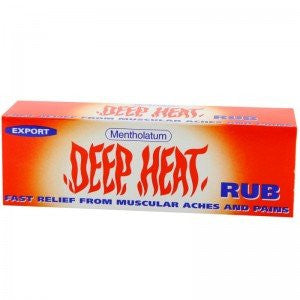
Deep Heat Rub: A Comprehensive Medical SEO Guide for Musculoskeletal Pain Relief
As an expert in orthopedic care and medical SEO copywriting, we understand the critical need for accurate, in-depth information regarding over-the-counter therapeutic agents. Deep Heat Rub is a widely recognized topical analgesic, a staple in many households and sports kits for the symptomatic relief of muscular aches and pains. This exhaustive guide aims to provide a definitive resource, delving into its scientific underpinnings, clinical applications, safety profile, and management considerations.
1. Comprehensive Introduction & Overview
Deep Heat Rub is a topical preparation designed to provide warmth and pain relief to muscles and joints. It belongs to a class of medications known as counter-irritants, which work by creating a localized sensation (such as warmth or coolness) that distracts from or reduces the perception of deeper pain. Its primary active ingredients, methyl salicylate and menthol, are well-established for their analgesic and counter-irritant properties.
Often utilized for conditions ranging from everyday muscle stiffness to acute sports injuries, Deep Heat Rub offers a convenient and non-invasive option for managing localized pain. While generally safe for external use, understanding its precise mechanism, pharmacokinetics, and potential risks is paramount for both healthcare professionals and consumers.
2. Deep-Dive into Technical Specifications & Mechanisms
Deep Heat Rub's efficacy stems from the synergistic action of its key active pharmaceutical ingredients (APIs): Methyl Salicylate and Menthol.
2.1. Active Ingredients
- Methyl Salicylate: A derivative of salicylic acid, belonging to the non-steroidal anti-inflammatory drug (NSAID) class.
- Menthol: A cyclic terpene alcohol derived from peppermint oil.
- Other Ingredients (may vary by formulation): Often include eucalyptus oil, turpentine oil, and camphor, which also possess mild counter-irritant properties, contributing to the overall warming sensation and aroma.
2.2. Mechanism of Action
The therapeutic effects of Deep Heat Rub are primarily attributed to its counter-irritant properties and, in the case of methyl salicylate, its local analgesic and anti-inflammatory actions.
2.2.1. Methyl Salicylate
Upon topical application, methyl salicylate is absorbed through the skin. It acts as a local analgesic and anti-inflammatory agent through several pathways:
* Counter-Irritation: It causes local vasodilation, leading to a sensation of warmth. This sensation distracts the brain from the underlying pain, effectively reducing its perception.
* Prostaglandin Inhibition: Once absorbed and metabolized to salicylic acid, it can inhibit cyclooxygenase (COX) enzymes (COX-1 and COX-2) locally. This inhibition reduces the synthesis of prostaglandins, which are key mediators of pain and inflammation, thus contributing to its analgesic and anti-inflammatory effects.
* Nerve Desensitization: High concentrations may desensitize nociceptors (pain receptors), further diminishing pain signals.
2.2.2. Menthol
Menthol provides both a cooling sensation and, subsequently, a warming sensation, acting as a potent counter-irritant:
* TRPM8 Receptor Activation: Menthol primarily interacts with and activates the transient receptor potential melastatin 8 (TRPM8) receptor, a cold-sensitive ion channel found on sensory neurons. This activation produces the characteristic cooling sensation.
* Vasodilation: Beyond the initial cooling, menthol can also induce vasodilation, leading to increased blood flow and a subsequent warming sensation.
* Local Anesthetic Properties: Menthol possesses mild local anesthetic properties, contributing directly to pain relief by temporarily blocking nerve signals.
* Gate Control Theory: Both methyl salicylate and menthol, as counter-irritants, are thought to engage the "gate control theory" of pain. By stimulating non-nociceptive nerve fibers, they can "close the gate" to pain signals traveling to the brain, thereby reducing the perception of pain.
2.3. Pharmacokinetics
The pharmacokinetics of topically applied Deep Heat Rub are distinct from oral administration, emphasizing local action with limited systemic exposure.
- Absorption:
- Skin Penetration: Both methyl salicylate and menthol are lipophilic, allowing them to readily penetrate the stratum corneum (outermost layer of the skin). Absorption rate is influenced by factors such as skin integrity, application area, concentration, duration of contact, and occlusion.
- Systemic Absorption: While designed for local action, a small amount of methyl salicylate can be absorbed systemically, especially with large application areas, frequent use, or application to compromised skin. Menthol also exhibits some systemic absorption.
- Distribution: Once absorbed into the systemic circulation, methyl salicylate is primarily metabolized.
- Metabolism:
- Methyl Salicylate: In the skin, esterases hydrolyze methyl salicylate to salicylic acid. Systemically absorbed salicylic acid is primarily metabolized in the liver via conjugation with glucuronic acid and glycine.
- Menthol: Systemically absorbed menthol undergoes hepatic metabolism, primarily through glucuronidation.
- Excretion: Metabolites of both active ingredients are primarily excreted via the kidneys in urine.
Factors Influencing Absorption:
* Skin Integrity: Damaged or inflamed skin increases absorption.
* Application Area: Larger areas lead to greater total absorption.
* Occlusion: Covering the applied area with bandages can significantly increase absorption and the risk of systemic effects.
* Heat: External heat sources (e.g., heating pads, hot showers) can enhance absorption.
3. Extensive Clinical Indications & Usage
Deep Heat Rub is indicated for the symptomatic relief of a wide range of musculoskeletal conditions where local pain, stiffness, and inflammation are present. Its warming action and analgesic properties make it suitable for both acute and chronic conditions.
3.1. Detailed Indications
Deep Heat Rub is primarily used for:
- Muscular Aches and Pains: General muscle soreness, fatigue, and stiffness resulting from overexertion, poor posture, or minor trauma.
- Strains and Sprains: Mild to moderate soft tissue injuries involving muscles, tendons, or ligaments (e.g., ankle sprains, hamstring strains). It's crucial to ensure there are no open wounds.
- Backache: Lower back pain, lumbago, and general stiffness in the back muscles.
- Rheumatic Pain: Symptomatic relief for mild forms of arthritis, fibromyalgia, and other rheumatic conditions affecting joints and surrounding soft tissues.
- Sciatica: Adjunctive relief for nerve pain associated with sciatica, particularly when muscular tension contributes to the discomfort.
- Fibrositis: Pain, tenderness, and stiffness in muscles, tendons, and fibrous tissues.
- Chilblains: To relieve the itching and inflammation of chilblains, provided the skin is not broken.
- Sports Injuries: A common go-to for athletes for post-exercise recovery, minor sprains, strains, and general muscle fatigue.
3.2. Dosage Guidelines
Deep Heat Rub is for external use only. Adherence to recommended dosage and application instructions is critical to maximize efficacy and minimize risks.
General Application:
* Frequency: Apply thinly to the affected area 2-3 times daily.
* Method: Gently massage into the skin until the rub is absorbed.
* Hand Hygiene: Always wash hands thoroughly immediately after applying the rub to prevent accidental contact with eyes or mucous membranes.
* Duration of Use: If symptoms persist for more than 7 days, or worsen, consult a healthcare professional.
Specific Considerations:
* Children: Not recommended for use in children under 5 years of age. Some formulations may have a higher age restriction (e.g., under 12 years). Always check the specific product label.
* Elderly: No specific dosage adjustment is typically required, but elderly individuals may have more sensitive skin and should use with caution.
* Avoid Occlusion: Do not bandage the treated area tightly, as this can increase systemic absorption and the risk of adverse effects.
* Heat Application: Avoid using external heat sources (e.g., heat pads, hot water bottles) on the treated area, as this can intensify the warming sensation to an uncomfortable level and increase absorption.
4. Risks, Side Effects, & Contraindications
While generally safe for topical application, Deep Heat Rub carries potential risks, side effects, and specific contraindications that must be understood.
4.1. Side Effects
Most side effects are localized and mild. Systemic side effects are rare but possible, especially with misuse.
Common Local Side Effects:
* Skin Irritation: Redness (erythema), itching (pruritus), burning sensation, or warmth at the application site. This is often part of the counter-irritant effect but can become excessive.
* Rash: Localized allergic skin reactions.
Rare but Serious Side Effects (often due to excessive use, large application areas, or broken skin):
* Chemical Burns: Can occur if applied excessively, to sensitive skin, or in conjunction with heat/occlusion.
* Allergic Reactions: More severe skin reactions (e.g., hives, blistering), or systemic allergic reactions (e.g., angioedema, difficulty breathing) are extremely rare but require immediate medical attention.
* Salicylate Toxicity (Systemic): Although rare with topical use, excessive absorption of methyl salicylate can lead to symptoms similar to oral salicylate overdose. These include:
* Tinnitus (ringing in the ears)
* Nausea and vomiting
* Dizziness
* Headache
* Hyperventilation
* Metabolic acidosis (in severe cases)
4.2. Contraindications
Deep Heat Rub should not be used in the following circumstances:
- Hypersensitivity: Individuals with a known allergy or hypersensitivity to salicylates (including aspirin), menthol, or any other ingredient in the formulation.
- Broken or Damaged Skin: Do not apply to cuts, grazes, open wounds, or irritated skin, as this increases systemic absorption and the risk of severe irritation or chemical burns.
- Mucous Membranes and Eyes: Avoid contact with eyes, mouth, nostrils, and other mucous membranes.
- Children: Generally contraindicated in children under 5 years of age. Always verify the specific product label for age restrictions.
- Asthma: Individuals with aspirin-sensitive asthma (a form of NSAID-exacerbated respiratory disease) should avoid products containing salicylates due to the potential for bronchospasm.
- Anticoagulant Therapy: Patients taking oral anticoagulants (e.g., warfarin) should exercise extreme caution and consult a doctor. While systemic absorption is usually low, there's a theoretical risk of increased bleeding due to salicylate's antiplatelet effects.
- Pregnancy and Lactation: See detailed warnings below.
4.3. Drug Interactions
While systemic absorption is limited, potential drug interactions exist, particularly with methyl salicylate.
- Oral Anticoagulants (e.g., Warfarin): Topical methyl salicylate can be absorbed systemically and may potentiate the effects of anticoagulants, increasing the risk of bleeding. Use with caution and under medical supervision.
- Other NSAIDs: Concomitant use with oral NSAIDs may theoretically increase the risk of systemic side effects, although the contribution from topical application is usually minor.
- Other Topical Medications: Avoid applying other topical medications to the same area simultaneously without consulting a doctor, as interactions or altered absorption may occur.
4.4. Pregnancy and Lactation Warnings
The use of Deep Heat Rub during pregnancy and lactation requires caution and medical consultation.
- Pregnancy:
- Methyl Salicylate: Due to its systemic absorption and classification as a salicylate, topical methyl salicylate should be used with caution during pregnancy, especially in the third trimester. NSAIDs, including salicylates, can cause premature closure of the fetal ductus arteriosus, fetal renal dysfunction, and inhibit labor.
- Menthol: While generally considered safe for topical use in limited amounts, systemic absorption is still a factor.
- Recommendation: Pregnant women should consult their doctor or pharmacist before using Deep Heat Rub. It is generally advised to avoid its use, particularly in the later stages of pregnancy.
- Lactation (Breastfeeding):
- Methyl Salicylate: Salicylates can be excreted in breast milk. While the amount from topical application is likely small, the potential for adverse effects on the infant cannot be entirely ruled out.
- Menthol: Data on menthol excretion in breast milk is limited.
- Recommendation: Breastfeeding mothers should seek medical advice before using Deep Heat Rub. If used, ensure the product is not applied to areas where the infant might come into direct contact or ingest it.
4.5. Overdose Management
Overdose with topical Deep Heat Rub is rare but can occur with excessive application, ingestion, or application to compromised skin over large areas.
- Topical Overdose (Local):
- Symptoms: Intense burning sensation, severe skin redness, blistering, or chemical burns.
- Management: Immediately wash the affected area thoroughly with soap and plenty of cool water. Do not try to neutralize with other substances. If symptoms are severe or persist, seek medical attention.
- Systemic Overdose (from excessive topical absorption or accidental ingestion):
- Symptoms: Signs of salicylate toxicity (salicylism) can include tinnitus, hearing loss, nausea, vomiting, dizziness, headache, hyperventilation, confusion, and in severe cases, metabolic acidosis, seizures, or coma.
- Management:
- Immediate Medical Attention: Call emergency services or a poison control center immediately.
- Gastric Decontamination (if ingested): Activated charcoal may be administered if ingestion was recent and significant.
- Supportive Care: Maintain airway, breathing, and circulation. Administer intravenous fluids.
- Alkalinization: Sodium bicarbonate may be given to alkalinize urine and enhance salicylate excretion.
- Hemodialysis: In severe cases of salicylate toxicity, hemodialysis may be necessary to remove salicylates from the blood.
5. Massive FAQ Section
Here are answers to frequently asked questions about Deep Heat Rub:
Q1: What is Deep Heat Rub primarily used for?
A1: Deep Heat Rub is primarily used for the symptomatic relief of muscular aches, pains, stiffness, strains, sprains, backache, rheumatic pain, and fibrositis. It provides a warming sensation and helps to relieve localized pain.
Q2: How does Deep Heat Rub work to relieve pain?
A2: It works through two main active ingredients: Methyl Salicylate and Menthol. Methyl Salicylate is a topical NSAID that reduces pain and inflammation locally by inhibiting prostaglandins and acting as a counter-irritant. Menthol acts as a counter-irritant by activating cold receptors, providing an initial cooling sensation followed by warmth, and has mild local anesthetic properties. Together, they distract from pain and increase local blood flow.
Q3: Can I use Deep Heat Rub every day?
A3: Deep Heat Rub can be used 2-3 times daily for a short period. If your symptoms persist for more than 7 days, or worsen, you should stop using it and consult a doctor or pharmacist for further advice. Prolonged or excessive use is not recommended without professional guidance.
Q4: Is Deep Heat Rub safe for children?
A4: Deep Heat Rub is generally not recommended for use in children under 5 years of age. Some formulations may have a higher age restriction (e.g., under 12 years). Always check the specific product label for age guidelines and consult a healthcare professional before using any topical pain relief on children.
Q5: Can I use Deep Heat Rub if I'm pregnant or breastfeeding?
A5: No, it is generally advised to exercise caution and consult your doctor or pharmacist before using Deep Heat Rub during pregnancy or breastfeeding. Methyl salicylate can be absorbed systemically, and NSAIDs are generally not recommended in the third trimester of pregnancy due to potential risks to the fetus. Similarly, small amounts could pass into breast milk.
Q6: What are the common side effects of Deep Heat Rub?
A6: The most common side effects are localized skin irritation, such as redness, itching, or an intense burning sensation at the application site. These are usually mild and temporary. Rarely, more severe allergic reactions or chemical burns can occur, especially with excessive use or on broken skin.
Q7: Can I use Deep Heat Rub with other pain relievers, like oral paracetamol or ibuprofen?
A7: You can generally use Deep Heat Rub with oral pain relievers like paracetamol. However, caution is advised if you are also taking oral NSAIDs (like ibuprofen or naproxen), as methyl salicylate is also an NSAID. While systemic absorption from topical use is usually low, combining them might theoretically increase the risk of NSAID-related side effects, particularly if large areas are treated or skin is compromised. Consult your doctor or pharmacist if you have concerns.
Q8: How long does it take for Deep Heat Rub to start working?
A8: The warming sensation and initial pain relief from Deep Heat Rub can often be felt within minutes of application, as the active ingredients begin to stimulate nerve endings. Full therapeutic effects may develop over 10-30 minutes.
Q9: What should I do if I accidentally get Deep Heat Rub in my eyes or on mucous membranes?
A9: If Deep Heat Rub comes into contact with your eyes or mucous membranes (e.g., mouth, nose), immediately rinse the affected area thoroughly with plenty of cool water for several minutes. If irritation persists or is severe, seek medical attention promptly.
Q10: Is Deep Heat Rub an anti-inflammatory?
A10: Yes, one of its primary active ingredients, methyl salicylate, is a salicylate, which is a type of non-steroidal anti-inflammatory drug (NSAID). When absorbed through the skin, it can exert local anti-inflammatory effects by inhibiting prostaglandin synthesis, alongside its counter-irritant and analgesic actions.
Q11: Can Deep Heat Rub help with nerve pain, such as sciatica?
A11: Deep Heat Rub can provide adjunctive symptomatic relief for nerve pain like sciatica, particularly when the pain is accompanied by muscle tension or stiffness in the surrounding areas. The warming sensation and muscle relaxation can help alleviate some discomfort. However, it is not a primary treatment for underlying nerve compression or damage and should be used as part of a broader management plan, ideally under medical guidance. If nerve pain is severe or persistent, consult a healthcare professional.
This comprehensive guide underscores the importance of informed usage of Deep Heat Rub to maximize its benefits while minimizing potential risks. Always prioritize consulting with a healthcare professional for persistent pain or any concerns regarding medication use.