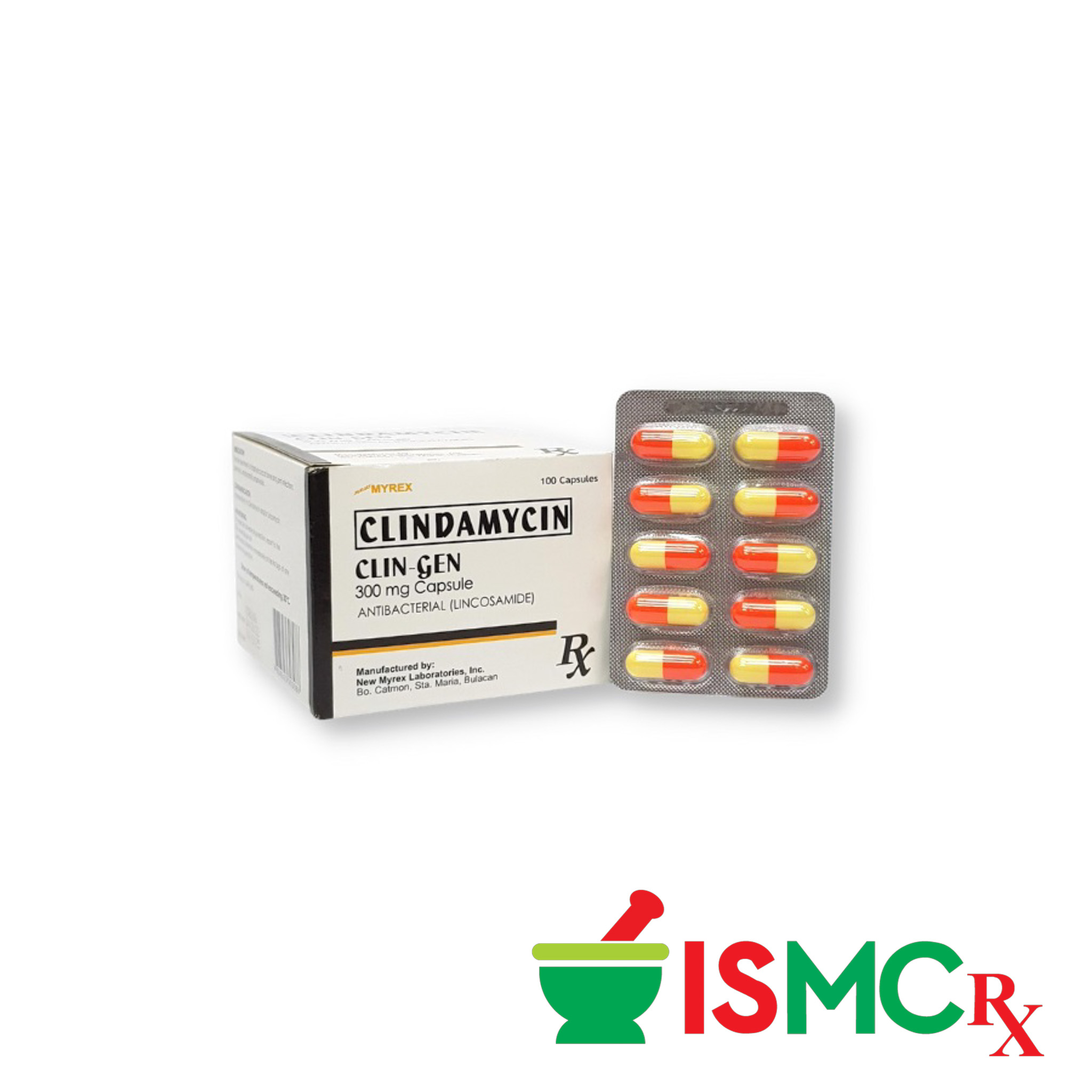
Clindamycin: An Expert Medical SEO Guide
Comprehensive Introduction & Overview
Clindamycin is a vital lincosamide antibiotic widely utilized in modern medicine, particularly valued for its efficacy against a broad spectrum of bacteria, including many anaerobic organisms and Gram-positive aerobes. First introduced in the 1960s, it has proven indispensable in treating a variety of serious bacterial infections, especially in patients with penicillin allergies. As an expert medical SEO copywriter and orthopedic specialist, I recognize Clindamycin's critical role in managing infections ranging from skin and soft tissue conditions to complex bone and joint infections.
Its therapeutic versatility stems from its unique mechanism of action, allowing it to penetrate tissues effectively and achieve bactericidal concentrations in specific scenarios. However, its use is also associated with a notable risk of Clostridioides difficile-associated diarrhea (CDAD), a serious gastrointestinal complication that necessitates careful consideration and patient monitoring. This comprehensive guide will delve into every critical aspect of Clindamycin, offering an authoritative resource for healthcare professionals and informed patients alike.
Deep-dive into Technical Specifications & Mechanisms
Mechanism of Action
Clindamycin exerts its antibacterial effect by interfering with bacterial protein synthesis. It achieves this by binding specifically to the 50S ribosomal subunit of susceptible bacteria. This binding primarily occurs at the A-site (aminoacyl site), preventing the translocation of peptidyl-tRNA from the A-site to the P-site (peptidyl site) and thus inhibiting the nascent polypeptide chain elongation. The consequence is a disruption in bacterial protein synthesis, leading to either a bacteriostatic (inhibiting growth) or, at higher concentrations or against highly susceptible organisms, a bactericidal (killing) effect.
Key aspects of Clindamycin's mechanism:
* Target: 50S ribosomal subunit.
* Binding Site: Primarily A-site, preventing translocation.
* Effect: Primarily bacteriostatic; can be bactericidal.
* Spectrum: Highly effective against most Gram-positive aerobes (Staphylococcus aureus, Streptococcus pyogenes, Streptococcus pneumoniae) and a wide range of anaerobic bacteria (Bacteroides fragilis, Clostridium perfringens, Peptostreptococcus spp.). It is generally not active against Gram-negative aerobes.
* Resistance: Resistance can develop through several mechanisms, including methylation of the 23S rRNA component of the 50S ribosomal subunit (conferring cross-resistance to macrolides and streptogramin B, known as MLSB resistance) or efflux pumps.
Pharmacokinetics
Understanding Clindamycin's pharmacokinetic profile is crucial for optimizing dosing and predicting its efficacy and safety.
Absorption
- Oral: Clindamycin is rapidly and almost completely absorbed from the gastrointestinal tract (approximately 90%). Peak plasma concentrations are typically reached within 45-60 minutes after oral administration. Food does not significantly impair the extent of absorption but may slightly delay the time to peak concentration.
- Intramuscular (IM): Rapidly absorbed from IM injection sites. Peak plasma levels are usually attained within 1-3 hours.
- Intravenous (IV): Achieves immediate therapeutic concentrations.
- Topical/Vaginal: Minimal systemic absorption, primarily acting locally.
Distribution
- Clindamycin distributes widely into various body fluids and tissues, including bone, synovial fluid, pleural fluid, peritoneal fluid, bile, and abscesses.
- High concentrations are achieved in infected tissues, which is particularly beneficial for orthopedic infections.
- It does not readily cross the intact blood-brain barrier, making it generally unsuitable for treating meningitis unless the meninges are inflamed.
- It crosses the placenta and is found in breast milk.
- Plasma protein binding ranges from 40% to 90%, depending on the concentration.
Metabolism
- Clindamycin is extensively metabolized in the liver, primarily by the cytochrome P450 3A4 (CYP3A4) enzyme system.
- Major metabolites include clindamycin sulfoxide (active) and N-demethylclindamycin (active).
- These metabolites are less active than the parent drug but contribute to its overall antimicrobial activity.
Excretion
- Both parent drug and metabolites are primarily excreted through urine (approximately 10-20%) and feces/bile (approximately 30-40%).
- The elimination half-life is typically 2-3 hours in adults with normal renal and hepatic function.
- In patients with severe renal or hepatic impairment, the half-life may be prolonged, although dosage adjustments are often not required for mild to moderate impairment due to alternative excretion pathways.
Extensive Clinical Indications & Usage
Clindamycin's broad spectrum against anaerobes and certain Gram-positive aerobes makes it a valuable agent for a diverse range of infections.
General Indications
- Anaerobic Infections: This is a cornerstone indication. Clindamycin is highly effective against most clinically significant anaerobic bacteria, including those causing intra-abdominal infections, pelvic infections, aspiration pneumonia, and skin/soft tissue infections.
- Skin and Soft Tissue Infections: Cellulitis, abscesses, impetigo, wound infections, and diabetic foot infections, particularly when anaerobic involvement is suspected or confirmed. Topical formulations are used for acne vulgaris.
- Respiratory Tract Infections: Aspiration pneumonia, lung abscesses, empyema, and chronic sinusitis where anaerobes play a significant role.
- Gynecological Infections: Pelvic inflammatory disease (PID), bacterial vaginosis (topical/vaginal formulations), tubo-ovarian abscesses, and postpartum endometritis.
- Dental Infections: Periodontal abscesses, periapical abscesses, and other odontogenic infections.
Orthopedic & Surgical Indications (Specialist Focus)
As an orthopedic specialist, I frequently encounter situations where Clindamycin is a preferred choice, especially given its excellent bone penetration and activity against common orthopedic pathogens.
- Bone and Joint Infections:
- Osteomyelitis: Chronic and acute osteomyelitis, particularly when caused by Staphylococcus aureus (including some MRSA strains, if susceptible) or mixed anaerobic infections.
- Septic Arthritis: Often used in conjunction with surgical drainage for bacterial arthritis.
- Prosthetic Joint Infections: A critical component of treatment regimens for periprosthetic joint infections, especially those involving Staphylococcus species or anaerobes.
- Surgical Prophylaxis:
- In patients undergoing certain orthopedic procedures (e.g., total joint arthroplasty) with a penicillin allergy, Clindamycin can be a suitable alternative.
- Dental procedures in high-risk patients (e.g., prosthetic heart valve, history of infective endocarditis) to prevent infective endocarditis.
- Diabetic Foot Infections: Often polymicrobial, involving both aerobes and anaerobes, making Clindamycin a valuable component of combination therapy.
Other Specific Indications
- Toxoplasmosis: In combination with pyrimethamine, used for treating toxoplasmosis, particularly in immunocompromised patients.
- Pneumocystis Pneumonia (PCP): In combination with primaquine, an alternative regimen for moderate to severe PCP in HIV-infected patients.
- Malaria: Used in combination with quinine for treating uncomplicated malaria caused by Plasmodium falciparum.
Dosage Guidelines
Dosage varies significantly based on the infection type, severity, patient age, and route of administration. It is crucial to follow prescribed guidelines strictly.
Oral Administration
- Adults:
- Mild-to-moderate infections: 150-300 mg every 6-8 hours.
- Severe infections: 300-450 mg every 6-8 hours.
- Maximum recommended oral dose is typically 1.8 grams/day.
- Pediatric (over 1 month of age):
- 8-25 mg/kg/day divided into 3-4 equal doses.
- For severe infections, higher doses up to 25-40 mg/kg/day may be used.
Intravenous (IV) / Intramuscular (IM) Administration
- Adults:
- Mild-to-moderate infections: 600-1200 mg/day divided into 2-4 equal doses.
- Severe infections: 1200-2700 mg/day divided into 2-4 equal doses.
- Life-threatening infections: Up to 4800 mg/day in severe cases.
- IM doses should not exceed 600 mg per injection site. IV doses should be infused slowly over 10-60 minutes to avoid adverse cardiac effects.
- Pediatric (over 1 month of age):
- 10-40 mg/kg/day divided into 3-4 equal doses.
Topical Administration (for Acne Vulgaris)
- Apply a thin layer to affected areas twice daily.
Vaginal Administration (for Bacterial Vaginosis)
- Clindamycin phosphate vaginal cream (2%): One applicatorful (5 grams, containing 100 mg clindamycin) intravaginally, once daily at bedtime for 3 or 7 days.
- Clindamycin vaginal suppositories (100 mg): One suppository intravaginally, once daily at bedtime for 3 days.
Dosage Adjustments
- Renal Impairment: Generally, no dosage adjustment is required for mild to moderate renal impairment. For severe impairment (CrCl < 30 mL/min) or end-stage renal disease, the dosing interval may need to be extended. Hemodialysis and peritoneal dialysis do not effectively remove clindamycin.
- Hepatic Impairment: Dosage adjustment is usually not necessary for mild to moderate hepatic dysfunction. For severe hepatic impairment, careful monitoring of liver function and plasma clindamycin levels is recommended, and dose reduction or interval extension may be considered.
Risks, Side Effects, & Contraindications
While highly effective, Clindamycin carries a profile of potential risks and side effects that necessitate careful patient selection and monitoring.
Contraindications
- Hypersensitivity: Known hypersensitivity to clindamycin, lincomycin, or any component of the formulation.
- History of Antibiotic-Associated Colitis: Patients with a history of pseudomembranous colitis or Clostridioides difficile-associated diarrhea (CDAD) should generally avoid clindamycin due to its high risk of recurrence.
Common Side Effects
| System Affected | Side Effect | Incidence |
|---|---|---|
| Gastrointestinal | Diarrhea, nausea, vomiting, abdominal pain | Very Common |
| Esophagitis (oral capsules, if not taken with enough water) | Common | |
| Dermatologic | Rash, pruritus, urticaria | Common |
| Local (IM/IV) | Pain, induration, sterile abscess at IM site | Common |
| Thrombophlebitis after IV infusion | Common |
Serious Side Effects & Warnings
- Clostridioides difficile-Associated Diarrhea (CDAD): This is the most serious and well-known adverse effect, carrying a BLACK BOX WARNING. CDAD can range from mild diarrhea to fatal pseudomembranous colitis. It can occur during or even several weeks after discontinuation of therapy. Patients experiencing persistent diarrhea should be evaluated for CDAD, and clindamycin should be discontinued if confirmed.
- Hypersensitivity Reactions: Severe reactions, including anaphylaxis, Stevens-Johnson syndrome (SJS), toxic epidermal necrolysis (TEN), and drug reaction with eosinophilia and systemic symptoms (DRESS) have been reported.
- Hepatotoxicity: Transient elevations in serum transaminases (AST, ALT) and bilirubin have been observed. Rarely, more severe liver injury can occur.
- Blood Dyscrasias: Transient leukopenia, neutropenia, agranulocytosis, and thrombocytopenia have been reported. Periodic complete blood counts may be warranted during prolonged therapy.
- Neuromuscular Blockade: Clindamycin has neuromuscular blocking properties and can enhance the effects of other neuromuscular blocking agents. Use with caution in patients receiving such agents.
- Esophagitis: Oral capsules should be taken with a full glass of water and while in an upright position to prevent esophageal irritation.
Warnings/Precautions
- History of GI Disease: Use with extreme caution in individuals with a history of gastrointestinal disease, particularly colitis.
- Renal/Hepatic Impairment: Monitor liver and kidney function, especially during prolonged therapy or in patients with pre-existing impairment.
- Infants: Contains benzyl alcohol in some formulations, which has been associated with a fatal "gasping syndrome" in premature infants.
- Elderly Patients: May be more susceptible to adverse effects, particularly CDAD.
Drug Interactions
| Interacting Drug/Class | Effect of Interaction | Management |
|---|---|---|
| Neuromuscular Blocking Agents | Clindamycin can potentiate the action of neuromuscular blocking agents (e.g., succinylcholine, rocuronium), leading to prolonged respiratory depression or paralysis. | Monitor for increased neuromuscular blockade; adjust dose of neuromuscular blocker if necessary. |
| Erythromycin & Macrolides | Antagonistic effect. Clindamycin and macrolides (e.g., erythromycin) compete for the same binding site on the 50S ribosomal subunit, potentially reducing the efficacy of both. | Avoid concomitant use. |
| Kaolin-Pectin | May decrease the absorption of orally administered clindamycin. | Administer clindamycin at least 2 hours before or 3-4 hours after kaolin-pectin. |
| Warfarin & Anticoagulants | Clindamycin may enhance the anticoagulant effects of warfarin and other vitamin K antagonists, increasing the risk of bleeding. | Monitor INR frequently, especially at the initiation and discontinuation of clindamycin therapy; adjust anticoagulant dose as needed. |
| CYP3A4 Inducers/Inhibitors | Clindamycin is metabolized by CYP3A4. Strong CYP3A4 inhibitors (e.g., ketoconazole, ritonavir) may increase clindamycin levels, while strong inducers (e.g., rifampin, phenytoin) may decrease them. | Monitor for altered efficacy or increased side effects; dose adjustment of clindamycin may be necessary. |
| Live Bacterial Vaccines | May reduce the therapeutic effect of live bacterial vaccines (e.g., oral typhoid vaccine). | Administer live vaccines at least 24 hours after completion of clindamycin therapy. |
Pregnancy and Lactation Warnings
- Pregnancy Category B: Clindamycin is generally considered safe for use during pregnancy, as animal reproduction studies have shown no evidence of harm to the fetus. However, adequate and well-controlled studies in pregnant women are lacking. It should be used during pregnancy only if clearly needed and the potential benefits outweigh the potential risks.
- Lactation: Clindamycin is excreted into breast milk. While the amounts are typically small, there is a potential for adverse effects in the breastfed infant, including altered gut flora leading to diarrhea, candidiasis (thrush), or sensitization. A decision should be made whether to discontinue nursing or discontinue the drug, taking into account the importance of the drug to the mother.
Overdose Management
There is no specific antidote for clindamycin overdose. Management should be symptomatic and supportive.
- General Measures: Maintain airway, breathing, and circulation. Monitor vital signs.
- Gastrointestinal Decontamination: If an overdose is recent (within 1-2 hours) and significant, activated charcoal may be considered to reduce absorption, though its efficacy is not fully established. Gastric lavage is rarely indicated.
- Supportive Care: Address any symptoms that arise. For severe diarrhea, ensure adequate fluid and electrolyte replacement.
- Dialysis: Hemodialysis and peritoneal dialysis are not effective in removing clindamycin from the blood due to its high protein binding and large volume of distribution.
Massive FAQ Section
Q1: What is Clindamycin used for?
A1: Clindamycin is an antibiotic used to treat a wide range of bacterial infections, particularly those caused by anaerobic bacteria and certain Gram-positive aerobes. This includes skin and soft tissue infections, dental infections, bone and joint infections (like osteomyelitis), gynecological infections, and specific respiratory tract infections such as aspiration pneumonia. It's also a valuable alternative for patients with penicillin allergies.
Q2: How does Clindamycin work to fight infections?
A2: Clindamycin works by stopping bacteria from producing essential proteins they need to grow and multiply. It binds to a specific part of the bacteria's ribosomes (the 50S ribosomal subunit), which are the protein-making machinery of the cell. By doing this, it either inhibits the bacteria's growth (bacteriostatic) or kills them directly (bactericidal) at higher concentrations or against highly susceptible organisms.
Q3: Is Clindamycin considered a strong antibiotic?
A3: Yes, Clindamycin is considered a potent antibiotic, especially against anaerobic bacteria and certain Gram-positive bacteria, including some strains of Staphylococcus aureus. Its effectiveness in penetrating tissues like bone and abscesses makes it particularly strong for deep-seated or complex infections. However, its strength also comes with a significant risk of side effects, notably Clostridioides difficile-associated diarrhea.
Q4: Can Clindamycin cause C. diff?
A4: Yes, Clindamycin is well-known for its high risk of causing Clostridioides difficile-associated diarrhea (CDAD), which can range from mild to life-threatening pseudomembranous colitis. This is why it carries a Black Box Warning. If you experience severe or persistent diarrhea, abdominal pain, or fever while taking Clindamycin or even weeks after stopping it, contact your doctor immediately.
Q5: What should I avoid while taking Clindamycin?
A5: While taking Clindamycin, you should avoid:
* Erythromycin or other macrolide antibiotics: They can counteract Clindamycin's effects.
* Anticoagulants like Warfarin: Clindamycin can increase the risk of bleeding, so your INR needs close monitoring.
* Neuromuscular blocking agents: Clindamycin can enhance their effects, leading to prolonged muscle weakness.
* Kaolin-pectin antidiarrheals: These can reduce Clindamycin absorption; take Clindamycin at least 2 hours before or 3-4 hours after.
* Alcohol: While not a direct interaction, alcohol can irritate the stomach and may worsen gastrointestinal side effects.
Q6: How long does it take for Clindamycin to start working?
A6: The time it takes for Clindamycin to show noticeable effects can vary depending on the type and severity of the infection. Generally, patients may start to feel better within 24 to 48 hours of starting treatment. However, it's crucial to complete the entire prescribed course of antibiotics, even if symptoms improve, to ensure the infection is fully eradicated and prevent resistance.
Q7: Can I take Clindamycin if I'm allergic to penicillin?
A7: Yes, Clindamycin is often used as an alternative antibiotic for patients who are allergic to penicillin. It belongs to a different class of antibiotics (lincosamides) and does not have cross-reactivity with penicillin. This makes it a valuable option for many penicillin-allergic individuals requiring treatment for susceptible bacterial infections.
Q8: What are the most common side effects of Clindamycin?
A8: The most common side effects include gastrointestinal issues such as diarrhea, nausea, vomiting, and abdominal pain. Skin rashes and itching are also relatively common. When taken orally, it can sometimes cause esophagitis if not taken with enough water and while sitting upright.
Q9: Is Clindamycin safe during pregnancy?
A9: Clindamycin is classified as Pregnancy Category B, meaning animal studies have not shown harm to the fetus, but there are no adequate and well-controlled studies in pregnant women. It is generally considered acceptable for use during pregnancy if clearly needed and the potential benefits outweigh the potential risks. Always consult your doctor if you are pregnant or planning to become pregnant.
Q10: How should I take oral Clindamycin capsules?
A10: To minimize the risk of esophageal irritation and esophagitis, it is crucial to take oral Clindamycin capsules with a full glass of water (at least 8 ounces) and while in an upright position. Do not lie down for at least 30 minutes after taking the dose. You can take it with or without food, as food does not significantly affect its absorption.
Q11: Can Clindamycin be used for MRSA infections?
A11: Clindamycin can be effective against some strains of Methicillin-resistant Staphylococcus aureus (MRSA), particularly community-acquired MRSA (CA-MRSA). However, its effectiveness needs to be confirmed by susceptibility testing (e.g., D-test) because some MRSA strains may exhibit inducible resistance to clindamycin, even if they appear susceptible in initial tests. For serious MRSA infections, other agents are often preferred.
Q12: What's the difference between topical and oral Clindamycin?
A12: The primary difference lies in their application and systemic absorption. Oral Clindamycin is taken by mouth, absorbed into the bloodstream, and used to treat systemic or deep-seated infections throughout the body. Topical Clindamycin is applied directly to the skin (e.g., for acne) or intravaginally (e.g., for bacterial vaginosis). Topical forms have minimal systemic absorption, meaning they primarily act locally with fewer systemic side effects, but are not suitable for widespread or internal infections.