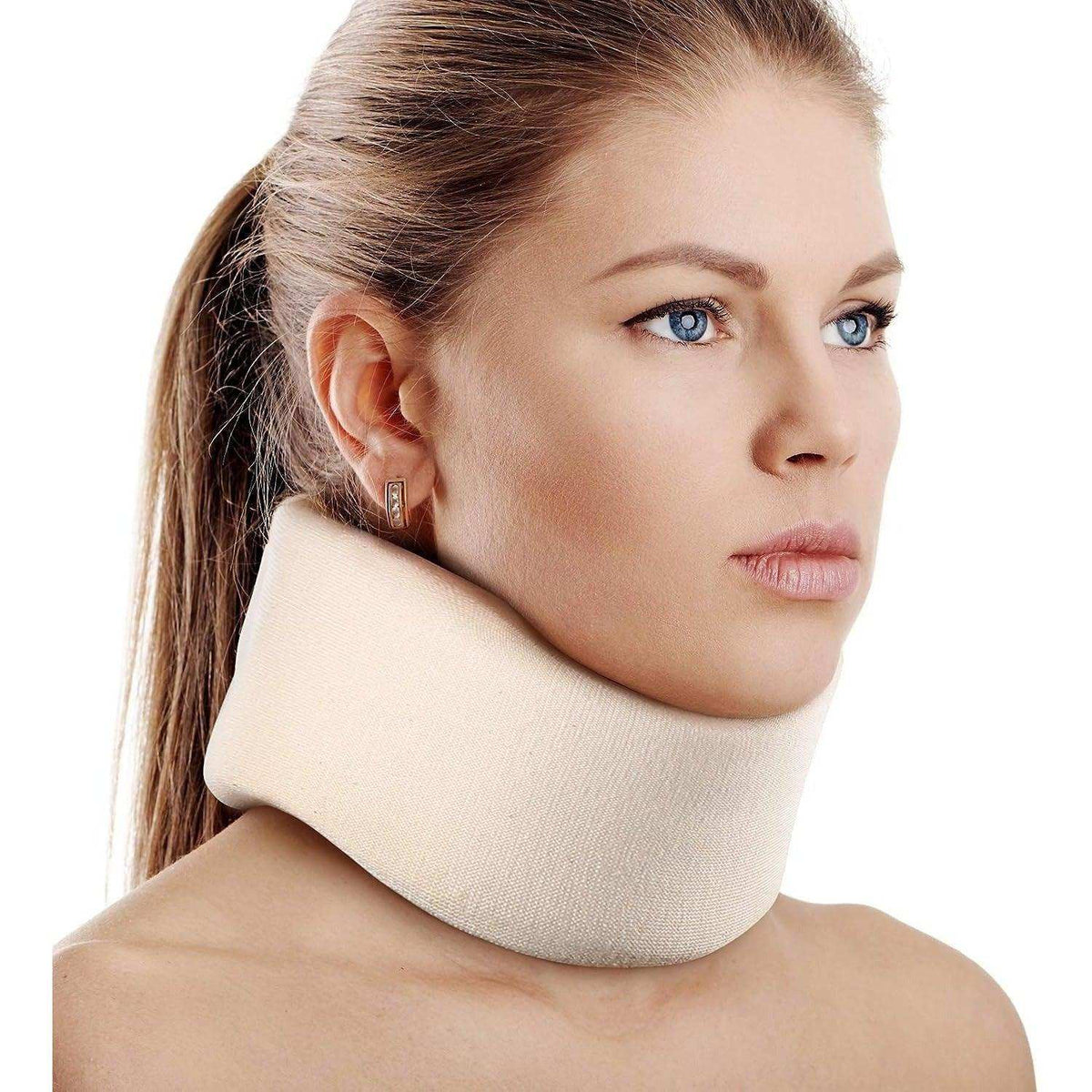
The Hard Cervical Collar: An Orthopedic Specialist's Comprehensive Guide to Neck Immobilization
The hard cervical collar is a critical medical device employed in orthopedic and emergency medicine to provide rigid support and immobilization to the cervical spine. Unlike its softer counterparts, a hard collar is engineered for maximum restriction of neck movement, playing an indispensable role in preventing further injury, promoting healing, and managing pain following trauma, surgery, or severe degenerative conditions. This exhaustive guide delves into every facet of the hard cervical collar, from its biomechanical principles to clinical applications, potential risks, and patient management strategies.
Comprehensive Introduction & Overview
A hard cervical collar, often constructed from rigid plastic with foam padding for comfort, is designed to limit motion in all planes of the cervical spine: flexion, extension, lateral bending, and rotation. Its primary objective is to maintain the neck in a neutral anatomical position, thereby reducing stress on injured tissues, stabilizing fractured vertebrae, and protecting the spinal cord from potential damage.
Key Characteristics of Hard Cervical Collars:
- Rigid Structure: Typically made from polyethylene or similar durable plastics.
- Adjustable Sizing: Many models feature adjustable components to accommodate diverse patient anatomies.
- Padding: Internal foam lining enhances comfort and prevents skin irritation.
- Two-Piece Design: Most modern hard collars consist of anterior and posterior components that are fastened together.
- Ventilation: Some designs incorporate perforations to improve airflow and reduce heat buildup.
Differentiating Hard vs. Soft Collars:
| Feature | Hard Cervical Collar | Soft Cervical Collar |
|---|---|---|
| Material | Rigid plastic with foam padding | Soft foam |
| Immobilization | High degree of motion restriction | Minimal motion restriction, primarily proprioceptive |
| Primary Use | Trauma, post-surgery, unstable conditions | Mild sprains, muscle strains, comfort, psychological support |
| Support Level | Excellent structural support | Mild support |
| Comfort | Less comfortable, potential for pressure points | Generally more comfortable |
| Duration of Use | Often prolonged (weeks to months) | Shorter duration, often intermittent |
Deep-dive into Technical Specifications / Mechanisms
Understanding how a hard cervical collar functions is crucial for its effective application and patient management. While not a "medication" in the pharmacological sense, its "mechanism of action" refers to its biomechanical principles, and its "pharmacokinetics" can be interpreted as the dynamic interaction and physiological impact it has on the human body over time.
Mechanism of Action (Biomechanics of Stabilization):
The hard cervical collar achieves its therapeutic effect through a multi-point pressure system designed to restrict movement and maintain cervical alignment.
* Three-Point Pressure System: The collar typically exerts pressure at three key anatomical points:
1. Occiput (back of the head): Prevents hyperextension and provides posterior support.
2. Chin (mandible): Limits flexion and anterior movement.
3. Sternal/Clavicular Area (chest/collarbone): Provides inferior support and prevents further flexion or extension.
* Limiting Range of Motion: By creating a rigid external frame, the collar mechanically blocks the natural physiological movements of the cervical spine:
* Flexion: Reduced by chin support and sternal contact.
* Extension: Limited by occipital and upper back support.
* Lateral Bending (Side-to-Side): Restricted by the collar's height and lateral contours.
* Rotation: Significantly minimized by the overall rigid structure encompassing the neck.
* Axial Load Reduction: The collar can help distribute some of the head's weight, thereby reducing direct axial compression on the cervical vertebrae. This offloading can be critical in managing unstable fractures or severe disc pathology.
* Proprioceptive Feedback: While primarily mechanical, the constant presence of the collar also provides proprioceptive feedback, reminding the patient to maintain a neutral head position and avoid sudden movements.
"Pharmacokinetics" (Device-Body Interaction Dynamics and Physiological Impact):
Interpreting "pharmacokinetics" for a medical device involves analyzing how the device interacts with the body over time, its distribution of forces, and its systemic physiological impact.
- "Absorption/Distribution" (Pressure Distribution & Skin Integrity):
- Pressure Points: The rigid nature of the collar means pressure is not evenly distributed. Key areas like the chin, occiput, and clavicles are susceptible to increased pressure.
- Skin Breakdown Risk: Sustained pressure, especially over bony prominences, can lead to skin erythema, maceration (due to moisture/sweat), and ultimately pressure ulcers. This risk is exacerbated by improper fit, patient immobility, poor hygiene, and pre-existing skin conditions.
- Neurovascular Compromise: A collar that is too tight can potentially compress superficial nerves or blood vessels, though this is rare with proper fitting.
- "Metabolism/Excretion" (Physiological Adaptation & Long-term Effects):
- Muscle Atrophy: Prolonged immobilization of the cervical muscles (sternocleidomastoid, trapezius, paraspinal muscles) inevitably leads to disuse atrophy and weakening. This necessitates a structured rehabilitation program upon collar removal.
- Joint Stiffness: Restricted motion can cause capsular and ligamentous stiffness in the cervical facet joints.
- Psychological Impact: Patients may experience claustrophobia, anxiety, depression, or body image issues due to the visible nature and restrictive feel of the collar.
- Impact on Activities of Daily Living (ADLs): Eating, drinking, sleeping, personal hygiene, and communication are often significantly challenged.
- Respiratory and Swallowing Difficulties: In some individuals, particularly those with pre-existing respiratory issues or dysphagia, the collar can exacerbate these problems by restricting neck extension or altering airway mechanics.
Extensive Clinical Indications & Usage
The application of a hard cervical collar is a critical decision made by medical professionals based on a thorough assessment of the patient's condition.
Detailed Indications for Hard Cervical Collar Use:
- Cervical Spine Trauma:
- Suspected or Confirmed Cervical Fractures: Stable or unstable fractures of cervical vertebrae (e.g., Jefferson, Hangman's, odontoid fractures).
- Cervical Ligamentous Injuries: Severe sprains or tears (e.g., hyperflexion/hyperextension injuries, whiplash-associated disorders grade III/IV).
- Spinal Cord Injury (SCI) Prevention: Used in pre-hospital and emergency settings for any patient with suspected cervical spine trauma to prevent secondary neurological damage.
- Post-Surgical Immobilization:
- Cervical Fusion: Following anterior cervical discectomy and fusion (ACDF) or posterior cervical fusion to ensure graft stability and promote bony union.
- Laminectomy/Laminoplasty: To protect the surgical site and facilitate healing.
- Disc Arthroplasty: Occasionally used to limit early motion.
- Degenerative Conditions:
- Severe Cervical Radiculopathy/Myelopathy: In acute exacerbations where immobilization can reduce nerve root compression and pain.
- Cervical Spondylosis: For temporary relief during acute painful episodes or instability.
- Rheumatoid Arthritis of the Cervical Spine: To stabilize atlantoaxial subluxation or other instabilities.
- Other Conditions:
- Torticollis (Severe Acute): To maintain a neutral head position.
- Metastatic Disease to Cervical Spine: For palliative stabilization and pain control.
"Dosage Guidelines" (Fitting & Wear Protocols):
As a medical device, "dosage" translates to precise fitting and adherence to a prescribed wear schedule.
- Professional Fitting is Paramount:
- Measurement: Accurate measurement of neck height and circumference is essential. Most collars are sized as small, medium, large, or adjustable.
- Neutral Alignment: The collar must maintain the head in a neutral, slightly extended position, ensuring the earlobe aligns with the shoulder. Improper alignment can worsen injury or create new problems.
- Chin Support: The chin should rest comfortably within the chin piece, not floating or being pushed up excessively.
- Occipital Support: The occiput should be cradled securely without excessive pressure.
- Sternal/Clavicular Clearance: The inferior edge should rest on the sternum and clavicles without impinging on the trachea or great vessels.
- Snugness: The collar should be snug enough to prevent movement but not so tight as to cause choking sensation, skin blanching, or neurovascular compromise. Typically, one finger should fit between the collar and the skin.
- Wear Schedule:
- Continuous Wear: In most acute trauma or post-surgical cases, the collar is prescribed for continuous wear, 24 hours a day, including during sleep.
- Intermittent Wear: For less severe conditions or during the weaning phase, intermittent wear may be prescribed.
- Duration of Wear:
- Highly variable, ranging from a few weeks to several months, depending on the injury type, severity, healing progress, and surgeon's protocol.
- Radiographic evidence of healing (e.g., callus formation, bony fusion) is often required before weaning.
- Hygiene and Skin Care:
- Regular skin checks (at least daily) for redness, irritation, or breakdown, especially over bony prominences.
- Cleaning the skin with mild soap and water, ensuring it is completely dry before reapplying the collar.
- Changing the foam padding or liners regularly if they become soiled or damp.
- Re-evaluation: Periodic clinical and radiographic re-evaluation is necessary to monitor healing and adjust the treatment plan.
Risks, Side Effects, or Contraindications
While life-saving and therapeutic, hard cervical collars are not without potential complications and specific situations where their use is not advisable.
Contraindications:
- Unstable Cervical Fractures Requiring Alternative Fixation: Cases where a hard collar alone cannot provide adequate stability (e.g., certain highly unstable fractures necessitating halo traction, surgical fixation, or external fixation devices).
- Severe Respiratory Compromise: In patients with compromised respiratory function, the collar's pressure on the trachea or restriction of neck extension can further impair breathing.
- Active Skin Infections or Open Wounds: In areas that would be covered by the collar, to prevent worsening infection or delayed wound healing.
- Patient Inability to Tolerate/Comply: Severe claustrophobia, cognitive impairment leading to non-compliance, or extreme discomfort that cannot be managed.
- Vertebral Artery Dissection: While not a direct contraindication, careful monitoring is needed as neck positioning can theoretically influence blood flow.
"Drug Interactions" (Interactions with Other Treatments/Conditions):
This section considers how the physical presence of the collar can interact with other medical interventions or patient conditions.
- Topical Skin Preparations:
- Creams/Lotions: Can increase moisture and friction, exacerbating skin breakdown. Use sparingly and ensure full absorption.
- Antiseptics/Dressings: May need careful application to avoid interference with collar fit or material.
- Radiation Therapy: The plastic material of the collar can sometimes interfere with radiation beams or cause secondary radiation scatter. It may need to be temporarily removed or modified during treatment.
- Diagnostic Imaging:
- MRI: Most modern hard collars are MRI-compatible (non-ferromagnetic), but it's crucial to verify.
- X-rays/CT Scans: While often radiolucent, some components might obscure specific anatomical areas, potentially requiring temporary removal under strict medical supervision.
- Other Medical Devices:
- Tracheostomy: Specific collars are designed with a larger anterior opening to accommodate tracheostomy tubes.
- Feeding Tubes/Oxygen Cannulas: Care must be taken to ensure these devices do not create additional pressure points or interfere with collar function.
- Neurological Deficits: Patients with impaired sensation (e.g., due to spinal cord injury) are at higher risk for pressure sores as they may not perceive discomfort. Vigilant skin checks are critical.
- Cognitive Impairment: Patients with dementia or other cognitive deficits may not be able to communicate discomfort or adhere to wear protocols, requiring increased caregiver vigilance.
Pregnancy/Lactation Warnings (Special Considerations):
While a hard cervical collar has no pharmacological effects on pregnancy or lactation, its use during these periods warrants specific considerations.
- Comfort and Fit: Hormonal changes during pregnancy can lead to fluid retention, potentially altering neck circumference and collar fit. Regular re-evaluation for comfort and proper fit is important.
- Posture: The added weight of pregnancy can alter a woman's center of gravity and posture, potentially increasing discomfort while wearing the collar.
- Skin Sensitivity: Hormonal fluctuations can increase skin sensitivity, potentially making skin irritation or breakdown more likely.
- Imaging: If diagnostic imaging is required (e.g., X-rays to assess healing), radiation exposure to the fetus must be carefully considered and minimized, though cervical spine imaging typically poses minimal direct fetal risk.
- Breastfeeding: The collar should not interfere with the ability to comfortably position the infant for breastfeeding.
"Overdose Management" (Managing Misuse/Overuse/Complications):
"Overdose" in the context of a medical device refers to complications arising from improper use, prolonged wear, or failure to manage side effects.
- Skin Breakdown/Pressure Sores:
- Prevention: Proper fitting, daily skin checks, meticulous hygiene, use of moisture-wicking liners, and repositioning where possible.
- Management: Immediate collar adjustment or temporary removal (if medically safe), wound care, consultation with wound care specialists. In severe cases, a different immobilization method may be required.
- Muscle Atrophy and Stiffness:
- Prevention: Gradual weaning process, early initiation of physical therapy.
- Management: Comprehensive physiotherapy program focusing on range of motion, strengthening, and proprioception once medically cleared.
- Increased Pain/Discomfort:
- Assessment: Re-evaluate collar fit, rule out new injury or worsening of the underlying condition.
- Management: Analgesics, muscle relaxants, physical therapy, or collar adjustment.
- Neurological Deterioration:
- Immediate Action: Any new or worsening neurological symptoms (numbness, weakness, tingling) require immediate medical evaluation, potentially including emergency imaging and neurosurgical consultation. This could indicate collar-induced compression or progression of the underlying injury.
- Psychological Distress:
- Support: Patient education, counseling, and reassurance. Encourage communication with healthcare providers about feelings of claustrophobia or anxiety.
- Coping Strategies: Suggest relaxation techniques, distraction.
Massive FAQ Section
Q1: What is the primary difference between a hard and a soft cervical collar?
A hard cervical collar provides rigid, structural support to severely restrict neck movement, typically used for significant injuries or post-surgery. A soft collar offers minimal support, primarily acting as a reminder to limit motion for mild strains or comfort.
Q2: How long do I typically need to wear a hard cervical collar?
The duration varies significantly based on the injury's type and severity, surgical procedure, and individual healing rates. It can range from a few weeks to several months. Your orthopedic specialist will determine the exact duration based on clinical assessment and imaging studies.
Q3: Can I shower or bathe with my hard cervical collar on?
Generally, no. Most hard collars are not designed to get wet, as this can compromise the padding, lead to skin maceration, and make the collar unhygienic. Specific protocols for hygiene, often involving cleaning sections of the neck at a time or sponge baths, will be provided by your medical team.
Q4: How do I clean my hard cervical collar?
The plastic shell can usually be wiped down with a damp cloth and mild soap, then thoroughly dried. The foam padding or liners, if removable, should be cleaned according to manufacturer instructions, often by hand washing with mild soap and air drying. Disposable liners should be changed regularly.
Q5: What are the signs of a poorly fitting hard cervical collar?
Signs include excessive neck movement, persistent pain despite the collar, difficulty breathing or swallowing, severe skin redness or breakdown, numbness or tingling in the arms, or the chin "floating" out of the chin rest. Contact your healthcare provider immediately if you experience these.
Q6: Can I sleep with my hard cervical collar on?
Yes, in most cases of prescribed continuous wear, you must sleep with your hard cervical collar on. Your medical team will provide specific instructions for comfortable sleeping positions, often recommending sleeping on your back with supportive pillows.
Q7: Will wearing the collar weaken my neck muscles?
Yes, prolonged immobilization can lead to some degree of muscle atrophy and stiffness. This is an expected side effect. A structured physical therapy program will typically be initiated after the collar is removed to help regain strength and range of motion.
Q8: When can I remove my hard cervical collar permanently?
You should never remove your hard cervical collar permanently without explicit instructions from your orthopedic specialist. Removal is usually based on clinical assessment, pain levels, and radiographic evidence of adequate healing or fusion. A gradual weaning process is often recommended.
Q9: What activities should I avoid while wearing a hard cervical collar?
You should avoid any activity that puts stress on your neck or could lead to a fall or re-injury. This includes lifting heavy objects, strenuous exercise, contact sports, sudden movements, and driving (as it significantly restricts your field of vision).
Q10: What should I do if my skin becomes irritated or develops a sore under the collar?
Immediately notify your healthcare provider. Do not attempt to self-treat severe irritation or open sores. Your provider may instruct you on temporary collar removal for skin care, collar adjustment, or prescribe specific dressings or creams. Regular skin checks are essential for prevention.
Q11: Can I drive while wearing a hard cervical collar?
No, it is generally not safe or legal to drive while wearing a hard cervical collar. The collar severely restricts your ability to turn your head and check blind spots, which is crucial for safe driving.
Q12: Is it normal to feel claustrophobic or anxious while wearing the collar?
Yes, it is common to experience feelings of claustrophobia, anxiety, or general discomfort due to the restrictive nature of the collar. Discuss these feelings with your healthcare provider or a mental health professional, who can offer coping strategies and support.