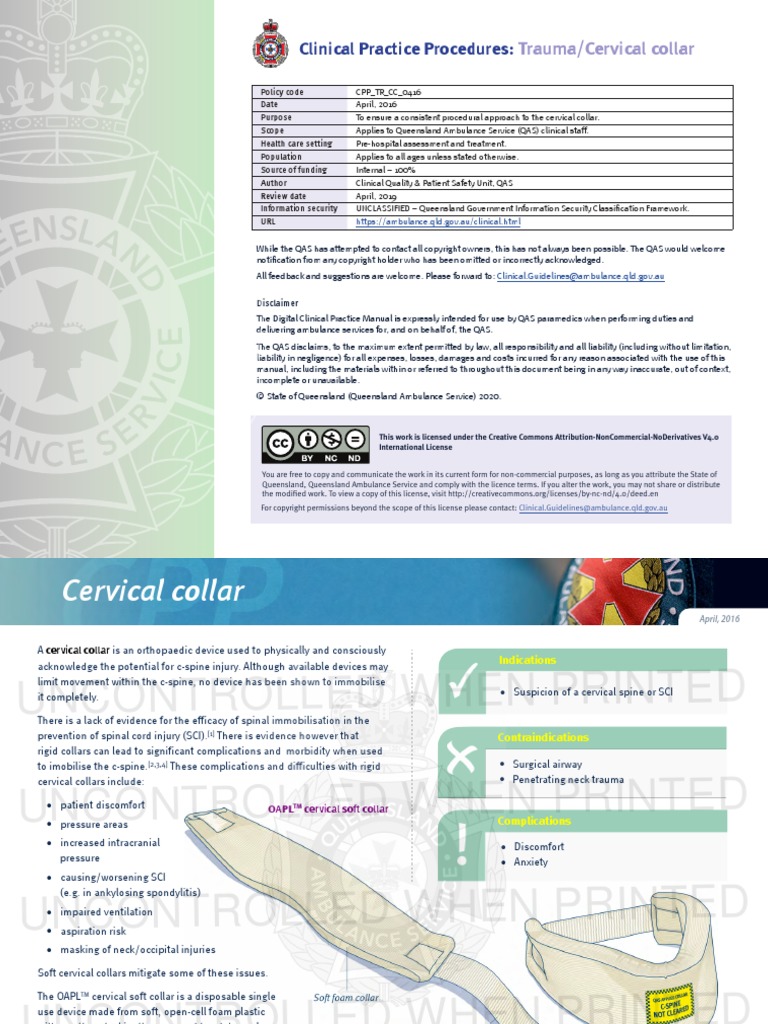
The Cervical Collar: Your Comprehensive Guide to Neck Support and Healing
The cervical collar, often simply called a neck brace, is a common medical device used to support, stabilize, and protect the cervical spine (neck). From acute injuries like whiplash to post-surgical recovery and managing chronic conditions, cervical collars play a crucial role in orthopedic and emergency medicine. This expert guide delves deep into the mechanics, indications, usage, and considerations surrounding cervical collars, providing you with authoritative information to understand their function and importance.
1. Comprehensive Introduction & Overview
A cervical collar is designed to limit motion of the head and neck, thereby reducing pain, preventing further injury, and facilitating healing. It achieves this by providing external support and restricting flexion, extension, lateral bending, and rotation of the cervical spine. While often associated with emergency situations, cervical collars are also widely used in rehabilitation settings and for managing various chronic neck conditions.
The primary objectives of cervical collar application include:
* Immobilization: To prevent movement of an unstable or injured cervical spine.
* Support: To bear the weight of the head, reducing the load on neck muscles and vertebrae.
* Pain Reduction: By limiting movement and supporting the neck, muscle spasms and nerve irritation can be alleviated.
* Protection: Shielding the neck from accidental movements or impacts during the healing process.
* Proprioceptive Feedback: Reminding the patient to limit neck movements.
Cervical collars come in various designs, each offering different levels of rigidity and support, tailored to specific clinical needs.
2. Deep-dive into Technical Specifications / Mechanisms
Understanding how a cervical collar works requires looking at its mechanical interaction with the body. While not a "drug" in the traditional sense, its "mechanism of action" and "pharmacokinetics" can be conceptualized through its biomechanical effects and the factors influencing its efficacy.
Mechanism of Action (Biomechanical Principles)
The effectiveness of a cervical collar stems from its ability to mechanically restrict cervical spine movement.
- Rigid Collars (e.g., Philadelphia, Miami J, Aspen):
- Immobilization: These collars provide the highest degree of motion restriction, particularly in flexion, extension, and lateral bending. They achieve this by creating a rigid frame that extends from the mandible (jaw) and occiput (back of the head) down to the sternum (breastbone) and upper back.
- Axial Load Reduction: By supporting the head's weight, they can reduce the compressive forces on the cervical vertebrae and discs.
- Three-Point Fixation: Many rigid collars use a "three-point fixation" system, applying pressure at the chin, occiput, and sternum/upper back to effectively stabilize the spine.
- Semi-Rigid Collars:
- Offer moderate support and motion restriction, often used as a step-down from rigid collars or for less severe injuries. They combine some rigidity with flexibility for enhanced comfort.
- Soft Collars (e.g., Foam Collars):
- Limited Immobilization: Primarily provide comfort, warmth, and proprioceptive feedback. They offer minimal mechanical restriction of movement.
- Support and Pain Relief: Help support the head's weight, reducing muscle strain and promoting relaxation, which can alleviate pain.
- Psychological Comfort: Can serve as a reminder to avoid sudden movements.
"Pharmacokinetics" (Factors Influencing Device Efficacy)
For a medical device like a cervical collar, "pharmacokinetics" translates to the critical factors that dictate its functional effectiveness within the body's biomechanical system.
- Proper Fit and Sizing: This is paramount. An ill-fitting collar can be ineffective, uncomfortable, or even detrimental.
- Too Loose: Allows excessive motion, negating its purpose.
- Too Tight: Can cause skin breakdown, nerve compression, increased intracranial pressure, or respiratory compromise.
- Correct Sizing: Involves measuring neck circumference and height, ensuring the chin and occiput are properly supported without excessive pressure.
- Material Properties:
- Rigidity: Determines the level of immobilization.
- Breathability: Affects skin integrity and comfort, especially with prolonged use.
- Hypoallergenic: Important to prevent skin reactions.
- Durability and Cleanability: Essential for hygiene and longevity.
- Duration and Schedule of Use:
- Continuous Wear: Often prescribed for acute injuries or post-surgical stabilization.
- Intermittent Wear: May be used for chronic conditions or during the weaning phase.
- Weaning Protocol: Gradual reduction of wear time is crucial to prevent muscle atrophy and allow the neck muscles to regain strength.
- Patient Compliance: Adherence to wearing instructions significantly impacts outcomes. Discomfort, skin issues, or lack of understanding can lead to poor compliance.
- Interaction with Body Mechanics: The collar alters normal head and neck movement patterns. This can impact:
- Vision: Restricted peripheral vision.
- Swallowing and Breathing: Especially with rigid collars.
- Balance: Changes in proprioception.
- Muscle Strength: Prolonged immobilization can lead to muscle weakness and stiffness.
3. Extensive Clinical Indications & Usage
Cervical collars are prescribed for a wide array of conditions, ranging from acute trauma to chronic degenerative diseases. The choice of collar type and duration of use is highly individualized, determined by the specific diagnosis, severity, and patient factors.
Detailed Indications for Cervical Collar Use:
- Acute Traumatic Injuries:
- Whiplash-Associated Disorders (WAD): Common after motor vehicle accidents, a soft or semi-rigid collar can provide comfort and limit exacerbating movements in the acute phase.
- Cervical Sprains and Strains: To support injured soft tissues and reduce pain.
- Stable Cervical Fractures: Rigid collars (e.g., Miami J, Philadelphia) are used for non-displaced or stable fractures to prevent further displacement and promote healing.
- Suspected Cervical Spine Injury: In emergency pre-hospital settings, a rigid collar is applied immediately to prevent secondary neurological injury until definitive imaging can rule out instability.
- Cervical Radiculopathy (Acute Exacerbation): To reduce nerve root compression by limiting aggravating movements.
- Post-Surgical Stabilization:
- Cervical Fusion Surgery: Rigid collars are critical for maintaining spinal alignment and promoting bony fusion after procedures like Anterior Cervical Discectomy and Fusion (ACDF) or Posterior Cervical Fusion.
- Laminectomy/Laminoplasty: To protect the surgical site and facilitate healing.
- Artificial Disc Replacement: May be used for initial support depending on surgeon preference.
- Degenerative Conditions:
- Cervical Spondylosis: In acute flare-ups, a soft collar can provide support and pain relief.
- Degenerative Disc Disease: To offload the discs and reduce mechanical pain.
- Rheumatoid Arthritis (Cervical Involvement): To protect unstable joints, particularly in the upper cervical spine.
- Other Conditions:
- Torticollis: In some cases, a collar may be used to assist in stretching and repositioning the head.
- Postural Support: Occasionally used for individuals with significant muscle weakness or poor head control.
- Spinal Stenosis (Cervical): To reduce compressive forces during symptomatic periods.
Dosage Guidelines (Application & Management)
Given that a cervical collar is a device, "dosage" refers to its proper application, duration, and management.
- Type Selection:
- Soft Collar: Mild pain, muscle strain, whiplash (initial phase), comfort, proprioceptive reminder.
- Semi-Rigid Collar: Moderate injuries, post-soft collar transition, some radiculopathy.
- Rigid Collar (e.g., Philadelphia, Miami J, Aspen): Unstable injuries, post-surgical immobilization, suspected fractures, severe radiculopathy.
- Proper Fitting:
- Measurement: Healthcare professionals measure neck circumference and the distance from the chin to the sternal notch (or similar landmarks depending on the collar type) to ensure appropriate sizing.
- Application: The collar should fit snugly but not restrict breathing or cause excessive pressure. The chin should be supported, and the head should be in a neutral position (neither flexed nor extended).
- Verification: Ensure the patient can breathe comfortably, swallow, and that no skin areas are being excessively compressed. Check for proper alignment.
- Duration of Wear:
- Acute Injuries: Typically worn continuously for days to weeks, as prescribed by a physician.
- Post-Surgery: Can range from 4-12 weeks or more, depending on the surgical procedure and healing progress.
- Chronic Conditions: May be used intermittently for pain relief or specific activities.
- Weaning: A gradual reduction in wear time is crucial to allow neck muscles to strengthen and prevent dependence. This is typically done under medical supervision.
- Hygiene and Skin Care:
- Cleaning: Collars should be cleaned regularly according to manufacturer instructions. Removable liners are often washable.
- Skin Inspection: Daily inspection of the skin under and around the collar for redness, irritation, or breakdown is vital, especially around the chin, occiput, and clavicles.
- Padding: Use appropriate padding if necessary to prevent pressure sores.
- Sleeping: Generally, rigid collars are worn during sleep as per physician's orders. Soft collars can also be worn for comfort. Proper pillow support is essential.
- Showering/Bathing: Rigid collars often require specific protocols for hygiene, potentially involving a second person to maintain stabilization while cleaning the neck. Some collars are waterproof, but most require careful cleaning or temporary removal.
4. Risks, Side Effects, or Contraindications
While beneficial, cervical collars are not without potential downsides or situations where their use is inappropriate.
Contraindications:
- Unstable Cervical Spine Fractures Requiring Immediate Surgical Intervention: In some cases, a collar alone is insufficient, and surgical stabilization is urgently needed.
- Conditions Where Immobilization Could Worsen Neurological Deficit: Though rare, improper application or specific fracture types could exacerbate neurological compromise.
- Severe Claustrophobia: While not an absolute contraindication, it can significantly impact patient compliance and requires careful management.
- Active Skin Infection or Open Wounds in the Collar Area: The collar can exacerbate infection or impede wound healing.
- Obstructed Airway: A collar should never be applied if it compromises the patient's breathing.
Risks and Side Effects:
- Skin Irritation and Breakdown: Pressure sores, redness, itching, and dermatitis are common, especially with prolonged use or improper fit. Areas prone to breakdown include the chin, occiput, and clavicles.
- Muscle Atrophy and Weakness: Prolonged immobilization can lead to disuse atrophy of neck muscles, resulting in stiffness and weakness upon removal.
- Increased Pain or Discomfort: An ill-fitting collar can cause new pain or worsen existing pain due to improper pressure points.
- Difficulty with Activities of Daily Living (ADLs):
- Eating and Swallowing: Especially with rigid collars, eating can be challenging.
- Breathing: Rigid collars, particularly in supine patients, can restrict respiratory excursion.
- Hygiene: Maintaining personal hygiene can be difficult.
- Vision: Restricted peripheral vision.
- Psychological Impact: Patients may experience feelings of dependence, anxiety, or claustrophobia.
- Nerve Compression: Improperly fitted collars can compress superficial nerves, leading to numbness or tingling.
- Increased Intracranial Pressure (ICP): In patients with head injuries, a collar that is too tight can impede venous drainage from the head, potentially increasing ICP.
"Drug Interactions" (Interactions with Other Treatments/Therapies):
While not interacting with drugs, cervical collars can influence the effectiveness or necessity of other treatments.
- Physical Therapy: Over-reliance on a collar can hinder the progression of physical therapy aimed at strengthening and mobilizing the neck. A balance is needed.
- Analgesic Medications: Effective collar use can reduce pain, potentially decreasing the need for high doses of pain medication.
- Imaging Studies: Metal components in some collars can cause artifacts on MRI scans, requiring temporary removal or specific collar types.
Pregnancy/Lactation Warnings:
Cervical collar use during pregnancy or lactation requires specific considerations for comfort and safety.
- Comfort and Fit: Changes in body shape and posture during pregnancy can affect collar fit and comfort. Regular reassessment of fit is crucial.
- Skin Sensitivity: Hormonal changes can increase skin sensitivity, making skin breakdown more likely.
- Center of Gravity: A rigid collar can further alter a pregnant individual's center of gravity, potentially affecting balance.
- Breastfeeding: Rigid collars can make comfortable breastfeeding positions challenging. Adaptations or temporary removal (if medically approved) may be necessary.
- Respiratory Impact: Any potential for respiratory compromise from a collar should be carefully monitored, especially in the third trimester when lung capacity can be reduced.
"Overdose Management" (Complications from Improper Use/Misuse Management):
Since a cervical collar is a device, "overdose" is not applicable. However, complications arising from improper use or prolonged, unsupervised wear can be significant. Management focuses on recognizing and addressing these issues.
- Recognition of Complications:
- Skin Breakdown: Persistent redness, blistering, open sores.
- Neurological Changes: New or worsening numbness, tingling, weakness, or changes in sensation.
- Respiratory Distress: Shortness of breath, increased effort to breathe.
- Increased Pain: Localized pain at pressure points or worsening overall neck pain.
- Swallowing Difficulty: Persistent choking or inability to swallow.
- Immediate Actions:
- Collar Adjustment/Removal: If safe and appropriate, immediately adjust or temporarily remove the collar to inspect the skin and alleviate pressure.
- Airway Assessment: If respiratory distress is present, ensure the airway is clear and seek immediate medical attention.
- Neurological Reassessment: Perform a quick neurological check for any deficits.
- Medical Intervention:
- Physician Consultation: Promptly contact the prescribing physician or healthcare provider for reassessment of the collar's fit, type, and continued necessity.
- Wound Care: For skin breakdown, appropriate wound care is essential.
- Physical Therapy: May be initiated to address muscle weakness and stiffness if the collar is to be weaned.
- Psychological Support: Address patient anxiety or discomfort.
5. Massive FAQ Section
Q1: What is a cervical collar used for?
A1: A cervical collar is used to support and immobilize the neck (cervical spine) to reduce pain, prevent further injury, and facilitate healing after injuries like whiplash, sprains, or fractures, and after neck surgery. It also provides stability for certain chronic conditions.
Q2: What are the different types of cervical collars?
A2: There are three main types:
* Soft Collars: Made of foam, offering minimal support, primarily for comfort and proprioceptive feedback.
* Semi-Rigid Collars: Provide moderate support and motion restriction, often a step-down from rigid collars.
* Rigid Collars: (e.g., Philadelphia, Miami J, Aspen) Offer maximum immobilization for severe injuries, fractures, or post-surgical stabilization.
Q3: How do I know what size cervical collar I need?
A3: Cervical collars are typically sized by healthcare professionals who measure your neck circumference and height (from chin to sternal notch). Proper fitting is crucial to ensure effectiveness and prevent complications like skin breakdown or inadequate immobilization. Do not self-fit a rigid collar.
Q4: How long should I wear a cervical collar?
A4: The duration of wear is highly dependent on your specific injury or condition and your doctor's recommendation. It can range from a few days for mild strains to several weeks or months after surgery or for stable fractures. Always follow your physician's prescribed schedule, including any weaning protocols.
Q5: Can I sleep with a cervical collar on?
A5: For rigid collars, it is generally required to wear them continuously, including while sleeping, to maintain immobilization. Soft collars can also be worn for comfort during sleep. Always confirm with your doctor if you should wear your specific collar while sleeping.
Q6: How do I clean my cervical collar?
A6: Most cervical collars have removable pads or liners that can be hand-washed with mild soap and water, then air-dried. The rigid plastic components can be wiped down with a damp cloth. Always refer to the manufacturer's instructions for specific cleaning guidelines. Regular cleaning is essential for hygiene and skin health.
Q7: What are the potential side effects of wearing a cervical collar?
A7: Common side effects include skin irritation, pressure sores, muscle weakness or stiffness (from prolonged use), difficulty eating or swallowing, and discomfort. Less common but serious side effects can include nerve compression or breathing difficulties if the collar is ill-fitting.
Q8: Can I shower with a cervical collar?
A8: Most rigid cervical collars are not designed to get wet, as this can affect the material and hygiene. Special precautions are usually needed, often involving a second person to help maintain neck stability while you clean your neck. Some newer collars are designed to be waterproof. Always consult your healthcare provider for specific instructions regarding showering with your collar.
Q9: When should I not use a cervical collar?
A9: Cervical collars should generally not be used in cases of unstable cervical fractures requiring immediate surgery, active skin infections in the collar area, or if it significantly compromises breathing. It's crucial to have a medical professional assess your condition before applying a collar.
Q10: Will wearing a cervical collar weaken my neck muscles?
A10: Yes, prolonged continuous use of a cervical collar can lead to disuse atrophy and weakening of the neck muscles, as the collar takes over their supporting role. This is why doctors often prescribe a specific duration of wear and a gradual weaning process, often accompanied by physical therapy, to help you regain neck strength and mobility.
Q11: Is a prescription needed for a cervical collar?
A11: For rigid and semi-rigid cervical collars, a prescription and professional fitting by a healthcare provider are almost always necessary due to the critical need for proper sizing and application for safety and effectiveness. Soft collars may be available over-the-counter, but it's still advisable to consult a doctor to ensure it's the right choice for your condition.
Q12: How do I adjust to wearing a cervical collar?
A12: Adjusting to a cervical collar takes time. Start by ensuring it's properly fitted and not causing undue pressure. Practice eating and drinking while wearing it. Regularly inspect your skin for irritation. If you experience significant discomfort, difficulty breathing, or new neurological symptoms (numbness, tingling), contact your healthcare provider immediately. Psychological support can also be helpful for feelings of claustrophobia or dependence.