Ceftriaxone for Injection: A Comprehensive Medical SEO Guide
1. Introduction & Overview of Ceftriaxone for Injection
Ceftriaxone for Injection is a critically important, broad-spectrum cephalosporin antibiotic belonging to the third-generation class. Developed for its potent bactericidal activity against a wide array of Gram-positive and Gram-negative bacteria, it has become a cornerstone in the treatment of various serious bacterial infections. Administered parenterally, either intravenously (IV) or intramuscularly (IM), Ceftriaxone's extended half-life allows for convenient once-daily dosing in many clinical scenarios, enhancing patient compliance and facilitating outpatient therapy when appropriate.
As an expert Medical SEO Copywriter with a specialization in orthopedics, I recognize Ceftriaxone's particular significance in managing musculoskeletal infections, including complex bone and joint infections, and its role in surgical prophylaxis to prevent post-operative complications. This comprehensive guide aims to provide a deep dive into Ceftriaxone, covering its mechanisms, pharmacokinetics, detailed indications, dosage, potential risks, and crucial safety considerations for both healthcare professionals and informed patients.
What is Ceftriaxone?
Ceftriaxone is a beta-lactam antibiotic. Its chemical structure grants it stability against many beta-lactamase enzymes produced by bacteria, which are common mechanisms of antibiotic resistance. This stability contributes to its broad utility and effectiveness against challenging pathogens. Its primary mechanism involves interfering with bacterial cell wall synthesis, leading to bacterial death.
2. Deep-Dive into Technical Specifications & Mechanisms
Understanding how Ceftriaxone works at a molecular level and how the body processes it is fundamental to its effective and safe use.
Mechanism of Action
Ceftriaxone, like other beta-lactam antibiotics, exerts its bactericidal effect by inhibiting bacterial cell wall synthesis. The bacterial cell wall is a vital structure providing structural integrity and protection.
The process involves:
* Binding to Penicillin-Binding Proteins (PBPs): Ceftriaxone irreversibly binds to specific enzymes located within the bacterial cell membrane, known as Penicillin-Binding Proteins. PBPs are crucial for the final steps of peptidoglycan synthesis, which is the primary component of the bacterial cell wall.
* Inhibition of Transpeptidation: By binding to PBPs, Ceftriaxone prevents the transpeptidation reaction, a critical cross-linking step that strengthens the peptidoglycan layer.
* Activation of Autolytic Enzymes: The disruption of cell wall synthesis leads to the activation of bacterial autolytic enzymes, which further degrade the existing cell wall.
* Osmotic Lysis: Without a properly formed and maintained cell wall, the bacterial cell becomes osmotically unstable, leading to cell lysis and death.
Ceftriaxone's stability against many common beta-lactamases (enzymes produced by resistant bacteria to inactivate beta-lactam antibiotics) contributes significantly to its broad spectrum of activity.
Pharmacokinetics
The pharmacokinetic profile of Ceftriaxone is favorable for clinical use, particularly its extended half-life.
Absorption
- Intravenous (IV) Administration: Rapid and complete absorption, resulting in peak plasma concentrations almost immediately.
- Intramuscular (IM) Administration: Well absorbed, with peak plasma concentrations occurring 2-3 hours after injection. Bioavailability is essentially 100%.
Distribution
- Extensive Tissue Penetration: Ceftriaxone distributes widely into various body fluids and tissues, including the lungs, heart, bone, gallbladder, bile, prostate, and synovial fluid. This makes it particularly effective for infections in these sites, such as osteomyelitis or septic arthritis.
- Central Nervous System (CNS) Penetration: Importantly, Ceftriaxone achieves excellent therapeutic concentrations in the cerebrospinal fluid (CSF), especially when meninges are inflamed, making it a drug of choice for bacterial meningitis.
- Protein Binding: It is highly bound to plasma proteins (85-95%), primarily albumin. This high binding contributes to its long half-life but means that only the unbound fraction is pharmacologically active.
Metabolism
- Ceftriaxone is not extensively metabolized by the liver. Approximately two-thirds of the dose is excreted unchanged. The remaining portion undergoes non-enzymatic hydrolysis in the gut lumen, forming inactive metabolites.
Elimination
- Dual Excretion Pathway: A unique feature of Ceftriaxone is its dual route of excretion:
- Renal Excretion: Approximately 33-67% of the dose is excreted unchanged via the kidneys (glomerular filtration and tubular secretion).
- Biliary/Fecal Excretion: The remaining 35-65% is excreted unchanged into the bile and subsequently into the feces.
- Long Half-Life: The plasma elimination half-life is relatively long, ranging from 5.8 to 8.7 hours in healthy adults. This extended half-life allows for once-daily or sometimes twice-daily dosing, simplifying treatment regimens.
- Renal/Hepatic Impairment: Due to its dual elimination pathway, dose adjustments are generally not required in patients with mild to moderate renal or hepatic impairment when these conditions are present individually. However, in severe combined renal and hepatic dysfunction, dose reduction and close monitoring may be necessary.
3. Extensive Clinical Indications & Usage
Ceftriaxone's broad spectrum of activity and excellent tissue penetration make it suitable for treating a wide range of serious bacterial infections.
Detailed Indications
Ceftriaxone is indicated for the treatment of the following infections when caused by susceptible organisms:
- Lower Respiratory Tract Infections: Including community-acquired pneumonia, hospital-acquired pneumonia, and acute bacterial exacerbations of chronic bronchitis.
- Skin and Skin Structure Infections: Such as cellulitis, erysipelas, abscesses, and wound infections.
- Urinary Tract Infections (UTIs): Both complicated and uncomplicated UTIs, including pyelonephritis.
- Bone and Joint Infections: This is particularly relevant in orthopedic practice. Ceftriaxone is highly effective against pathogens causing osteomyelitis (bone infection) and septic arthritis (joint infection), given its excellent penetration into bone and synovial fluid.
- Intra-abdominal Infections: Including peritonitis and infections of the biliary tract, often used in combination with agents active against anaerobes.
- Bacterial Meningitis: Due to its superior CSF penetration, Ceftriaxone is a first-line treatment for bacterial meningitis in both adults and children (excluding neonates with hyperbilirubinemia).
- Sepsis: Used as empiric therapy or targeted treatment for severe systemic infections.
- Gonorrhea: A single intramuscular dose is a standard treatment for uncomplicated gonococcal infections (cervical, urethral, rectal, pharyngeal).
- Surgical Prophylaxis: To reduce the incidence of post-operative infections in patients undergoing certain surgical procedures, particularly in abdominal and orthopedic surgeries.
- Lyme Disease: Effective for treating early disseminated and late-stage Lyme disease, especially neurological and cardiac manifestations.
- Febrile Neutropenia: Often used as part of empiric antibiotic regimens in immunocompromised patients with fever.
Dosage Guidelines
Dosage of Ceftriaxone varies significantly based on the type and severity of infection, patient age, weight, and renal/hepatic function. It can be administered intravenously (IV) or intramuscularly (IM).
General Adult Dosing
| Indication | Dose | Frequency | Route | Duration |
|---|---|---|---|---|
| Most Infections (moderate-severe) | 1-2 grams | Once daily | IV/IM | Varies (typically 4-14 days) |
| Severe Infections (e.g., Sepsis) | Up to 2 grams | Every 12 hours | IV/IM | Varies |
| Bacterial Meningitis | 2 grams | Every 12 hours | IV | 7-14 days (depending on pathogen) |
| Uncomplicated Gonorrhea | 500 mg (single dose) | Once | IM | Single dose |
| Surgical Prophylaxis | 1 gram | Single dose (30-90 min pre-op) | IV | Single dose |
| Lyme Disease (late) | 2 grams | Once daily | IV | 14-28 days |
Pediatric Dosing
- General Infections (excluding meningitis): 50-75 mg/kg/day, given once daily (max 2g/day).
- Bacterial Meningitis: 100 mg/kg/day, given once daily or divided every 12 hours (max 4g/day).
- Acute Otitis Media: 50 mg/kg IM as a single dose.
Dosing in Renal and Hepatic Impairment
- Renal Impairment: No dosage adjustment is typically required for mild to moderate renal impairment. For severe renal impairment (CrCl < 10 mL/min) without hemodialysis, the total daily dose should not exceed 2 grams. Close monitoring is recommended.
- Hepatic Impairment: No dosage adjustment is typically required for mild to moderate hepatic impairment. In severe hepatic dysfunction, especially if accompanied by significant renal impairment, the dose should be reduced, and plasma concentrations monitored.
Administration
- Intravenous (IV): Administer slowly over 30 minutes to minimize discomfort and potential vein irritation.
- Intramuscular (IM): Injected deep into a large muscle (e.g., gluteus maximus or vastus lateralis). For doses >1 gram, divide the dose and inject into multiple sites. Lidocaine 1% solution can be used as a diluent for IM injection to reduce pain.
4. Risks, Side Effects, and Contraindications
While Ceftriaxone is generally well-tolerated, it is crucial to be aware of its potential risks, side effects, and contraindications.
Contraindications
- Hypersensitivity: Patients with known hypersensitivity to Ceftriaxone, any other cephalosporin, or severe hypersensitivity to penicillin (e.g., anaphylaxis).
- Hyperbilirubinemic Neonates: Ceftriaxone can displace bilirubin from albumin binding sites, increasing the risk of bilirubin encephalopathy (kernicterus). Therefore, it is contraindicated in jaundiced neonates, especially premature infants.
- Neonates Receiving Calcium-Containing IV Solutions: Concomitant use of Ceftriaxone and IV calcium-containing solutions is absolutely contraindicated in neonates (≤28 days of age) due to the risk of precipitation in the lungs and kidneys, which can be fatal. This interaction can occur even if Ceftriaxone and calcium are administered through different IV lines at different times.
- Patients with severe renal and hepatic impairment: While not an absolute contraindication, caution and dose adjustment are advised due to potential accumulation.
Adverse Reactions (Side Effects)
Adverse reactions to Ceftriaxone are usually mild and transient.
Common Side Effects (>1%)
- Gastrointestinal: Diarrhea (most common), nausea, vomiting, abdominal pain.
- Injection Site Reactions: Pain, tenderness, induration, or rash at the injection site (especially with IM administration).
- Hematologic: Eosinophilia, thrombocytosis, leukopenia.
- Hepatic: Elevations in liver enzymes (AST, ALT, alkaline phosphatase).
- Dermatologic: Rash, pruritus.
Less Common but Serious Side Effects (<1%)
- Gastrointestinal:
- Clostridioides difficile-associated diarrhea (CDAD): Can range from mild diarrhea to fatal colitis. Occurs during or after antibiotic treatment.
- Biliary Pseudolithiasis ("Ceftriaxone Sludge"): Precipitation of Ceftriaxone-calcium salts in the gallbladder, leading to symptoms mimicking gallstones (abdominal pain, nausea, vomiting). Usually reversible upon discontinuation.
- Cholelithiasis and pancreatitis (rare).
- Hematologic: Anemia (including hemolytic anemia), neutropenia, agranulocytosis, coagulation disorders (prolonged prothrombin time/INR, bleeding).
- Hypersensitivity Reactions: Urticaria, fever, chills, bronchospasm, angioedema. Severe reactions include anaphylaxis, Stevens-Johnson syndrome, toxic epidermal necrolysis, and erythema multiforme.
- Renal: Acute renal failure, interstitial nephritis (rare).
- Neurological: Headache, dizziness, seizures (rare, especially in patients with renal impairment receiving high doses).
- Cardiovascular: Palpitations (rare).
Warnings and Precautions
- Hypersensitivity: Before initiating therapy, inquire about prior hypersensitivity reactions to cephalosporins, penicillins, or other drugs. Cross-reactivity with penicillin occurs in 5-10% of patients. Discontinue immediately if an allergic reaction occurs.
- C. difficile-associated Diarrhea: Consider CDAD in all patients who present with diarrhea following antibiotic use.
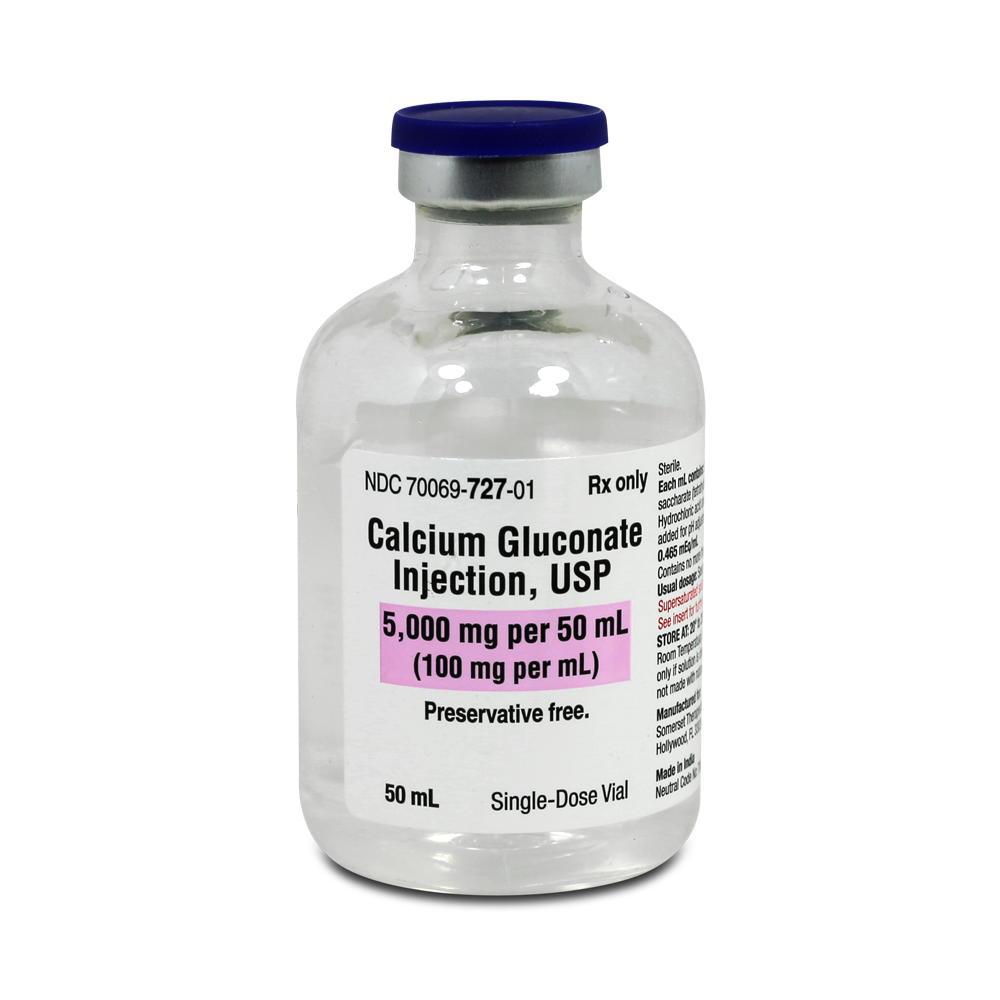
- Calcium Interaction: Strict avoidance of concurrent IV calcium-containing solutions in neonates. In other age groups, if concurrent administration is necessary, ensure careful flushing of lines and sequential administration, or preferably, avoid co-administration within 48 hours.
- Coagulation Abnormalities: Ceftriaxone can prolong prothrombin time, especially in patients with vitamin K deficiency or liver disease. Monitor INR/PT, and administer vitamin K if necessary.
- Biliary Pseudolithiasis: Patients developing symptoms of gallbladder disease should be evaluated. Discontinuation usually resolves the issue.
- Superinfection: Prolonged use may result in the overgrowth of non-susceptible organisms.
- Pancreatitis: Rare cases reported, sometimes associated with biliary obstruction.
5. Drug Interactions
Understanding potential drug interactions is critical for patient safety and efficacy.
- Calcium-containing Solutions/Products:
- ABSOLUTELY CONTRAINDICATED IN NEONATES (≤28 days): Risk of fatal Ceftriaxone-calcium precipitates in vital organs.
- Other Age Groups: Avoid concurrent administration of Ceftriaxone and IV calcium-containing solutions. If sequential administration is unavoidable, flush the IV line thoroughly between infusions. It is generally recommended to separate administration by at least 48 hours.
- Oral Anticoagulants (e.g., Warfarin): Ceftriaxone can enhance the anticoagulant effect of vitamin K antagonists, increasing the risk of bleeding. Close monitoring of INR/PT is essential.
- Aminoglycosides: While often used in combination for synergistic effects against certain pathogens, there is a theoretical concern for increased nephrotoxicity, though generally not considered significant with Ceftriaxone. Physical incompatibility exists, so they should not be mixed in the same syringe or infusion.
- Loop Diuretics (e.g., Furosemide): Concomitant use may increase Ceftriaxone levels, but this is usually not clinically significant.
- Probenecid: Unlike some other cephalosporins, probenecid does not significantly alter the pharmacokinetics of Ceftriaxone due to its dual elimination pathway.
- Alcohol: No disulfiram-like reaction (unlike some other cephalosporins).
Pregnancy and Lactation Warnings
Pregnancy (FDA Pregnancy Category B)
- Animal studies have not revealed evidence of harm to the fetus.
- Controlled studies in pregnant women are lacking, but available human data suggest no increased risk of major birth defects or miscarriage.
- Ceftriaxone crosses the placental barrier.
- Recommendation: Ceftriaxone should be used during pregnancy only if clearly needed and the potential benefits outweigh the potential risks.
Lactation (Breastfeeding)
- Ceftriaxone is excreted into breast milk in low concentrations.
- Generally considered compatible with breastfeeding, but potential risks to the infant include alterations in gut flora (leading to diarrhea, candidiasis) and allergic sensitization.
- Recommendation: Use with caution. Monitor breastfed infants for diarrhea, candidiasis (thrush), or signs of allergic reactions (e.g., rash).
Overdose Management
In the event of an overdose of Ceftriaxone, symptoms are typically an exacerbation of known side effects.
- Symptoms: Nausea, vomiting, diarrhea. At very high doses, particularly in patients with impaired renal function, neurological effects like seizures may occur.
- Treatment: No specific antidote exists. Management is primarily symptomatic and supportive.
- Elimination: Ceftriaxone is highly protein-bound, so hemodialysis or peritoneal dialysis are generally not effective in removing it from the body.
6. Massive FAQ Section
Here are some frequently asked questions about Ceftriaxone for Injection:
Q1: What is Ceftriaxone for Injection used for?
A1: Ceftriaxone is a broad-spectrum antibiotic used to treat a wide range of serious bacterial infections, including pneumonia, skin infections, urinary tract infections, bone and joint infections (like osteomyelitis), meningitis, sepsis, gonorrhea, and Lyme disease. It's also used for surgical prophylaxis.
Q2: How is Ceftriaxone administered?
A2: Ceftriaxone is administered parenterally, either intravenously (IV) as an infusion into a vein or intramuscularly (IM) as an injection into a large muscle. It is never taken orally.
Q3: What are the common side effects of Ceftriaxone?
A3: Common side effects include diarrhea, pain or tenderness at the injection site, rash, and temporary elevations in liver enzymes. Most side effects are mild and resolve on their own.
Q4: Can Ceftriaxone be given with calcium?
A4: Concomitant use of Ceftriaxone and intravenous calcium-containing solutions is absolutely contraindicated in neonates (up to 28 days old) due to the risk of fatal precipitation. In other age groups, co-administration should be avoided if possible. If sequential administration is necessary, flush the IV line thoroughly between infusions, and ideally, separate administrations by at least 48 hours.
Q5: Is Ceftriaxone safe during pregnancy or while breastfeeding?
A5: Ceftriaxone is classified as Pregnancy Category B. It is generally considered safe for use during pregnancy when clearly needed, as animal studies show no harm, and human data are reassuring. It is excreted into breast milk in low concentrations, and while generally compatible with breastfeeding, infants should be monitored for diarrhea, oral thrush, or allergic reactions.
Q6: How long does Ceftriaxone stay in your system?
A6: Ceftriaxone has a relatively long elimination half-life of 5.8 to 8.7 hours. This means it takes approximately 29-44 hours (5 half-lives) for the drug to be largely cleared from your system. Its long half-life allows for convenient once-daily dosing for many infections.
Q7: What should I do if I miss a dose of Ceftriaxone?
A7: If you miss a dose, contact your healthcare provider immediately. They will advise you on the best course of action, which may include administering the missed dose as soon as possible or adjusting your next dose. Do not double doses to make up for a missed one.
Q8: Is Ceftriaxone effective against MRSA?
A8: No, Ceftriaxone is not effective against Methicillin-Resistant Staphylococcus aureus (MRSA). MRSA is resistant to all beta-lactam antibiotics, including cephalosporins like Ceftriaxone. Other antibiotics are required to treat MRSA infections.
Q9: Can Ceftriaxone cause Clostridioides difficile infection?
A9: Yes, like many broad-spectrum antibiotics, Ceftriaxone can disrupt the normal gut flora, leading to an overgrowth of Clostridioides difficile bacteria. This can cause C. difficile-associated diarrhea (CDAD), which can range from mild to severe, even life-threatening colitis.
Q10: What is "Ceftriaxone sludge"?
A10: "Ceftriaxone sludge," also known as biliary pseudolithiasis, refers to the reversible precipitation of Ceftriaxone-calcium salts in the gallbladder. This can sometimes cause symptoms similar to gallstones, such as abdominal pain, nausea, and vomiting. It usually resolves when the medication is discontinued.
Q11: Is Ceftriaxone a penicillin?
A11: No, Ceftriaxone is not a penicillin. It belongs to a different class of antibiotics called cephalosporins. Both penicillins and cephalosporins are beta-lactam antibiotics, but they have distinct chemical structures and slightly different mechanisms of action and side effect profiles. However, there can be cross-reactivity (allergic reactions) between penicillins and cephalosporins in some individuals.
Q12: How quickly does Ceftriaxone work?
A12: Ceftriaxone begins working relatively quickly after administration. For IV administration, it reaches peak concentrations almost immediately. Clinical improvement, such as reduction in fever or other symptoms, can often be observed within 24-48 hours, depending on the type and severity of the infection. However, it's crucial to complete the full course of treatment as prescribed to ensure complete eradication of the bacteria and prevent resistance.