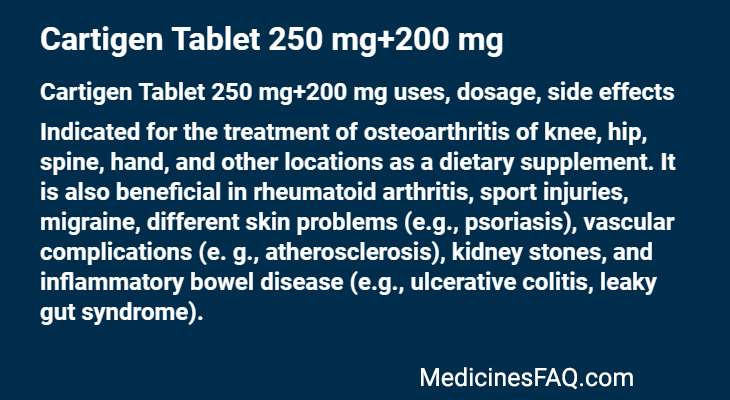
Cartigen D: A Comprehensive Medical SEO Guide to Joint and Cartilage Support
Welcome to the definitive medical SEO guide on Cartigen D, a leading medication designed to support joint health, cartilage integrity, and bone strength. As expert medical SEO copywriters and orthopedic specialists, we understand the complexities of musculoskeletal health and aim to provide you with an exhaustive, authoritative resource. This guide delves deep into Cartigen D's mechanisms, clinical applications, safety profile, and more, offering invaluable insights for patients, caregivers, and healthcare professionals alike.
Joint pain and degenerative conditions like osteoarthritis (OA) affect millions worldwide, significantly impacting quality of life. Cartigen D emerges as a vital intervention, combining powerful ingredients to address these challenges holistically. This guide will illuminate how Cartigen D works at a cellular level, its journey through the body, specific conditions it targets, and crucial information regarding its safe and effective use.
What is Cartigen D? An Overview
Cartigen D is a specialized medication formulated to provide comprehensive support for joint health, primarily focusing on cartilage repair, maintenance, and bone density. While specific formulations can vary by manufacturer, Cartigen D typically comprises a synergistic blend of key active ingredients, most commonly:
- Glucosamine Sulfate: A naturally occurring amino sugar found in cartilage, essential for building and repairing connective tissues.
- Chondroitin Sulfate: A complex carbohydrate that helps cartilage retain water, maintaining its elasticity and shock-absorbing properties.
- Vitamin D3 (Cholecalciferol): A fat-soluble vitamin crucial for calcium absorption, bone mineralization, and immune function, also implicated in musculoskeletal health.
This powerful combination aims to alleviate symptoms associated with joint degeneration, improve joint function, and contribute to overall bone health, making Cartigen D a cornerstone in the management of various orthopedic conditions.
Deep-Dive into Technical Specifications and Mechanisms
Understanding how Cartigen D works requires an exploration of its active components' intricate biological mechanisms and their journey through the body.
Mechanism of Action (MOA)
The therapeutic efficacy of Cartigen D stems from the complementary actions of its primary ingredients:
Glucosamine Sulfate
Glucosamine is a fundamental building block for glycosaminoglycans (GAGs) and proteoglycans, which are crucial components of cartilage matrix. Its mechanism of action includes:
* Cartilage Synthesis Stimulation: Glucosamine acts as a substrate, stimulating chondrocytes (cartilage cells) to synthesize new proteoglycans and collagen, thereby promoting cartilage repair and regeneration.
* Anti-inflammatory Effects: It modulates inflammatory pathways, potentially inhibiting the activity of pro-inflammatory enzymes (e.g., COX-2, iNOS) and cytokines (e.g., IL-1β, TNF-α), which contribute to cartilage degradation and pain in osteoarthritis.
* Synovial Fluid Improvement: Glucosamine may help improve the viscosity of synovial fluid, enhancing joint lubrication and shock absorption.
Chondroitin Sulfate
Chondroitin is a major structural component of cartilage, providing much of its resistance to compression. Its actions include:
* Water Retention: Chondroitin molecules possess a strong negative charge, attracting and binding water molecules within the cartilage matrix. This hydration is critical for cartilage's elasticity and shock-absorbing capacity.
* Enzyme Inhibition: It inhibits the activity of cartilage-degrading enzymes, such as hyaluronidase, collagenase, and elastase, which are overactive in osteoarthritic joints.
* Cartilage Protection: Chondroitin may protect existing cartilage from further breakdown and degradation by these destructive enzymes.
* Anti-inflammatory Properties: Similar to glucosamine, chondroitin also exhibits anti-inflammatory effects by modulating cellular signaling pathways involved in inflammation.
Vitamin D3 (Cholecalciferol)
Vitamin D3 plays a critical role beyond bone health, influencing various physiological processes relevant to joint function:
* Calcium Homeostasis and Bone Mineralization: It facilitates the absorption of calcium and phosphate in the intestine, crucial for maintaining bone density and preventing osteoporosis, a common comorbidity with joint issues.
* Muscle Function: Adequate Vitamin D levels are associated with improved muscle strength and reduced risk of falls, indirectly supporting joint stability.
* Modulation of Inflammation: Emerging research suggests Vitamin D may play a role in modulating immune responses and inflammatory processes, potentially influencing the progression and symptoms of osteoarthritis.
* Cartilage Health: Some studies indicate that Vitamin D receptors are present in chondrocytes, suggesting a direct role in cartilage metabolism and health.
Pharmacokinetics
Pharmacokinetics describes how the body absorbs, distributes, metabolizes, and excretes a medication.
Glucosamine Sulfate
- Absorption: After oral administration, glucosamine sulfate is absorbed from the gastrointestinal tract, with bioavailability estimated to be around 25-30% due to first-pass metabolism.
- Distribution: Once absorbed, it is widely distributed throughout the body, with significant uptake into articular cartilage, synovial fluid, and other connective tissues.
- Metabolism: Glucosamine is primarily metabolized in the liver, with a portion incorporated into plasma proteins and a significant fraction undergoing non-enzymatic degradation.
- Excretion: Excretion occurs mainly via the kidneys (urine), with a smaller portion eliminated in feces. The half-life is estimated to be several hours.
Chondroitin Sulfate
- Absorption: Oral bioavailability of chondroitin sulfate is relatively low, estimated between 10-20%, due to its large molecular size and enzymatic degradation in the gut. Absorption can occur as intact molecules or as depolymerized fragments.
- Distribution: Absorbed chondroitin and its metabolites distribute to various tissues, including cartilage, synovial fluid, and other connective tissues.
- Metabolism: It undergoes depolymerization and desulfation in the gut and liver.
- Excretion: Primarily excreted renally (urine). The half-life is longer than glucosamine, allowing for once or twice-daily dosing.
Vitamin D3 (Cholecalciferol)
- Absorption: Vitamin D3 is a fat-soluble vitamin, absorbed from the small intestine in the presence of bile salts.
- Distribution: It is transported in the blood bound to vitamin D-binding protein and stored in adipose tissue and muscle.
- Metabolism: Cholecalciferol is hydroxylated in the liver to 25-hydroxyvitamin D [25(OH)D], the main circulating form. This is further hydroxylated in the kidneys to 1,25-dihydroxyvitamin D [1,25(OH)2D], the biologically active form.
- Excretion: Metabolites are primarily excreted in bile (feces), with a small amount in urine. Its half-life is relatively long, especially for the stored forms.
Extensive Clinical Indications & Usage
Cartigen D is indicated for a range of conditions where joint health, cartilage integrity, and bone strength are compromised.
Primary Indications
- Osteoarthritis (OA): Cartigen D is predominantly used as a symptomatic slow-acting drug for osteoarthritis (SYSADOA). It helps:
- Reduce joint pain and stiffness, particularly in the knee, hip, and hand.
- Improve joint function and mobility.
- Potentially slow the progression of cartilage degradation in the long term.
- Joint Pain and Stiffness: For individuals experiencing general joint discomfort not necessarily diagnosed as severe OA, Cartigen D can offer relief and support.
- Cartilage Repair and Maintenance: As a nutritional supplement, it aids in maintaining the structural integrity of cartilage and supports its natural repair processes.
- Adjunctive Therapy in Arthropathies: It may be used as an adjunct in other inflammatory or degenerative joint conditions, though primary evidence is strongest for OA.
- Bone Health and Osteoporosis Prevention: The Vitamin D3 component is crucial for calcium absorption and bone mineralization, contributing to stronger bones and reducing the risk of osteoporosis, especially in conjunction with calcium supplementation.
- Post-Traumatic Joint Recovery: May aid in recovery following joint injuries or surgeries by supporting tissue repair.
Dosage Guidelines and Administration
The optimal dosage of Cartigen D depends on the specific formulation and the severity of the condition. It is crucial to follow the prescribing physician's instructions or the product label.
| Ingredient | Typical Daily Dose (Adults) | Administration Notes |
|---|---|---|
| Glucosamine Sulfate | 1500 mg | Often taken as a single daily dose or divided into two. |
| Chondroitin Sulfate | 800 - 1200 mg | Typically taken in divided doses (e.g., 400 mg twice daily). |
| Vitamin D3 | 400 - 2000 IU (10-50 mcg) | Dose varies based on deficiency status and overall health. |
- Administration: Cartigen D is typically taken orally. It is generally recommended to take it with food to minimize potential gastrointestinal upset.
- Duration of Treatment: The therapeutic effects of Cartigen D are not immediate. Relief from symptoms may take several weeks to months of consistent use (typically 4-12 weeks) to become noticeable. Long-term use is often recommended for sustained benefits and to potentially slow disease progression.
- Consistency: Adherence to the prescribed regimen is vital for achieving optimal outcomes.
Special Considerations
- Monitoring Efficacy: Patients should regularly consult their physician to assess the effectiveness of Cartigen D and make any necessary adjustments to the treatment plan.
- Lifestyle Modifications: Cartigen D works best when integrated into a comprehensive management plan that includes weight management, regular low-impact exercise, and physical therapy.
Risks, Side Effects, and Contraindications
While generally well-tolerated, Cartigen D, like any medication, has potential risks, side effects, and situations where its use is not recommended.
Contraindications
- Hypersensitivity: Individuals with a known allergy or hypersensitivity to glucosamine, chondroitin, Vitamin D, or any other component of Cartigen D should avoid its use.
- Shellfish Allergy: As glucosamine is often derived from shellfish (e.g., shrimp, crab), individuals with shellfish allergies should exercise caution or use shellfish-free formulations if available.
- Severe Liver or Kidney Impairment: While not an absolute contraindication, caution is advised, and dose adjustments may be necessary in patients with severe hepatic or renal dysfunction.
- Hypercalcemia/Hypervitaminosis D: Due to the Vitamin D3 component, Cartigen D is contraindicated in patients with pre-existing hypercalcemia (high blood calcium levels) or hypervitaminosis D (excessive Vitamin D levels).
- Bleeding Disorders/Anticoagulant Therapy: Chondroitin sulfate may possess mild anticoagulant properties. Patients with bleeding disorders or those on anticoagulant medications should use Cartigen D with caution and under medical supervision.
- Phenylketonuria: Some formulations may contain aspartame (a source of phenylalanine), which is contraindicated in individuals with phenylketonuria.
Warnings and Precautions
- Diabetes: Glucosamine has been theorized to affect glucose metabolism. Diabetic patients should monitor their blood glucose levels closely when initiating or discontinuing Cartigen D. While most studies show no significant impact on glycemic control, caution is warranted.
- Asthma: Rare cases of asthma exacerbation have been reported with glucosamine. Patients with asthma should be monitored.
- Sodium Content: Some glucosamine formulations contain a significant amount of sodium, which may be a concern for individuals on sodium-restricted diets.
- Sunlight Exposure: Excessive sunlight exposure or concomitant use of other Vitamin D supplements may lead to Vitamin D toxicity if not monitored.
Potential Side Effects
Cartigen D is generally well-tolerated, but some individuals may experience side effects. These are usually mild and transient.
Common Side Effects:
- Gastrointestinal upset: Nausea, abdominal pain, diarrhea, constipation, heartburn, indigestion.
- Headache
- Drowsiness or fatigue
Less Common/Rare Side Effects:
- Allergic reactions: Skin rash, itching, swelling (especially in individuals with shellfish allergy).
- Temporary increase in blood pressure (rare).
- Elevated liver enzymes (rare).
If any severe or persistent side effects occur, discontinue use and consult a healthcare professional immediately.
Drug Interactions
It is crucial to inform your doctor about all medications, supplements, and herbal products you are currently taking to avoid potential drug interactions.
- Anticoagulants (e.g., Warfarin): Both glucosamine and chondroitin sulfate may potentiate the effects of anticoagulants, increasing the risk of bleeding. Close monitoring of INR (International Normalized Ratio) is recommended.
- Antidiabetic Agents: Glucosamine may theoretically affect glucose metabolism. Patients on insulin or oral hypoglycemic agents should monitor blood glucose carefully.
- Tetracycline Antibiotics: Glucosamine may enhance the absorption of tetracyclines.
- Calcium Channel Blockers: No significant interaction reported.
- Cholesterol-Lowering Drugs (Statins): No significant interaction reported.
- Vitamin D Interactions:
- Thiazide Diuretics: May increase the risk of hypercalcemia.
- Cardiac Glycosides (e.g., Digoxin): Hypercalcemia induced by Vitamin D can increase the risk of digitalis toxicity.
- Anticonvulsants (e.g., Phenytoin, Barbiturates): May increase the metabolism of Vitamin D, reducing its effectiveness.
- Corticosteroids: May reduce the effectiveness of Vitamin D.
- Orlistat, Cholestyramine, Mineral Oil: These can impair the absorption of fat-soluble vitamins, including Vitamin D.
Use in Specific Populations
- Pregnancy and Lactation: There is insufficient data on the safety of glucosamine, chondroitin, and high doses of Vitamin D in pregnant or breastfeeding women. Therefore, Cartigen D is generally not recommended during pregnancy or lactation unless clearly indicated by a physician and the potential benefits outweigh the risks.
- Pediatric Use: The safety and efficacy of Cartigen D in children and adolescents have not been established. It is generally not recommended for pediatric use.
- Geriatric Use: Cartigen D is commonly used in the elderly population for osteoarthritis. No specific dose adjustments are usually required unless there is severe renal or hepatic impairment.
Overdose Management
In the event of an overdose with Cartigen D, symptoms are generally mild due to the low toxicity profile of its components.
- Symptoms: Primarily involve enhanced gastrointestinal side effects such as nausea, vomiting, diarrhea, and abdominal pain. For excessive Vitamin D intake, symptoms of hypercalcemia may occur, including persistent nausea, vomiting, constipation, excessive thirst, increased urination, muscle weakness, and fatigue.
- Treatment: Overdose management is primarily symptomatic and supportive. Discontinue the product immediately. In cases of significant Vitamin D overdose, monitoring of serum calcium levels and hydration is crucial. Seek immediate medical attention or contact a poison control center.
Massive FAQ Section
Here are answers to some of the most frequently asked questions about Cartigen D:
Q1: What is Cartigen D primarily used for?
Cartigen D is primarily used to manage symptoms of osteoarthritis, reduce joint pain and stiffness, improve joint function, support cartilage repair, and promote overall bone health due to its combination of glucosamine, chondroitin, and Vitamin D3.
Q2: How long does it take to see results from Cartigen D?
The therapeutic effects of Cartigen D are not immediate. Most individuals may start noticing improvements in pain and joint function after consistent use for 4 to 12 weeks. Sustained benefits often require long-term administration.
Q3: Can I take Cartigen D if I have a shellfish allergy?
Glucosamine is often derived from shellfish. If you have a shellfish allergy, you should consult your doctor before taking Cartigen D. Some formulations may offer shellfish-free glucosamine, but it's essential to verify the source.
Q4: Is Cartigen D safe for long-term use?
Yes, Cartigen D is generally considered safe for long-term use, especially in the management of chronic conditions like osteoarthritis. Regular medical check-ups are recommended to monitor its effectiveness and potential side effects.
Q5: Does Cartigen D interact with other medications?
Yes, Cartigen D can interact with certain medications, notably anticoagulants (like Warfarin), potentially increasing the risk of bleeding. It may also affect blood glucose levels in diabetics. Always inform your doctor about all medications and supplements you are taking.
Q6: Can I take Cartigen D if I am diabetic?
Diabetic patients should use Cartigen D with caution. While studies have shown mixed results regarding its impact on blood glucose, it's advisable to monitor your blood sugar levels closely and consult your doctor before starting treatment.
Q7: What are the common side effects of Cartigen D?
Common side effects are usually mild and include gastrointestinal upset (nausea, diarrhea, constipation, heartburn), headache, and drowsiness. If these persist or worsen, consult your healthcare provider.
Q8: Is a prescription needed for Cartigen D?
The need for a prescription for Cartigen D can vary by region and specific formulation. In many places, glucosamine, chondroitin, and Vitamin D are available as over-the-counter supplements, but consulting a doctor is always recommended before starting any new medication.
Q9: Can Cartigen D cure osteoarthritis?
No, Cartigen D cannot cure osteoarthritis. It is a symptomatic slow-acting drug for osteoarthritis (SYSADOA) that helps manage symptoms, improve joint function, and potentially slow the progression of cartilage degradation. It is part of a comprehensive management strategy.
Q10: How should Cartigen D be stored?
Cartigen D should be stored at room temperature, away from moisture and direct heat, and out of reach of children. Always check the specific storage instructions on the product packaging.
Q11: What if I miss a dose of Cartigen D?
If you miss a dose, take it as soon as you remember. If it's almost time for your next dose, skip the missed dose and resume your regular dosing schedule. Do not double the dose to catch up.
Q12: Can I take Cartigen D with food?
Yes, it is generally recommended to take Cartigen D with food to minimize potential gastrointestinal upset and enhance absorption.
Disclaimer: This medical SEO guide provides comprehensive information about Cartigen D for educational purposes only. It is not intended to be a substitute for professional medical advice, diagnosis, or treatment. Always seek the advice of your physician or other qualified health provider with any questions you may have regarding a medical condition or before starting any new treatment.