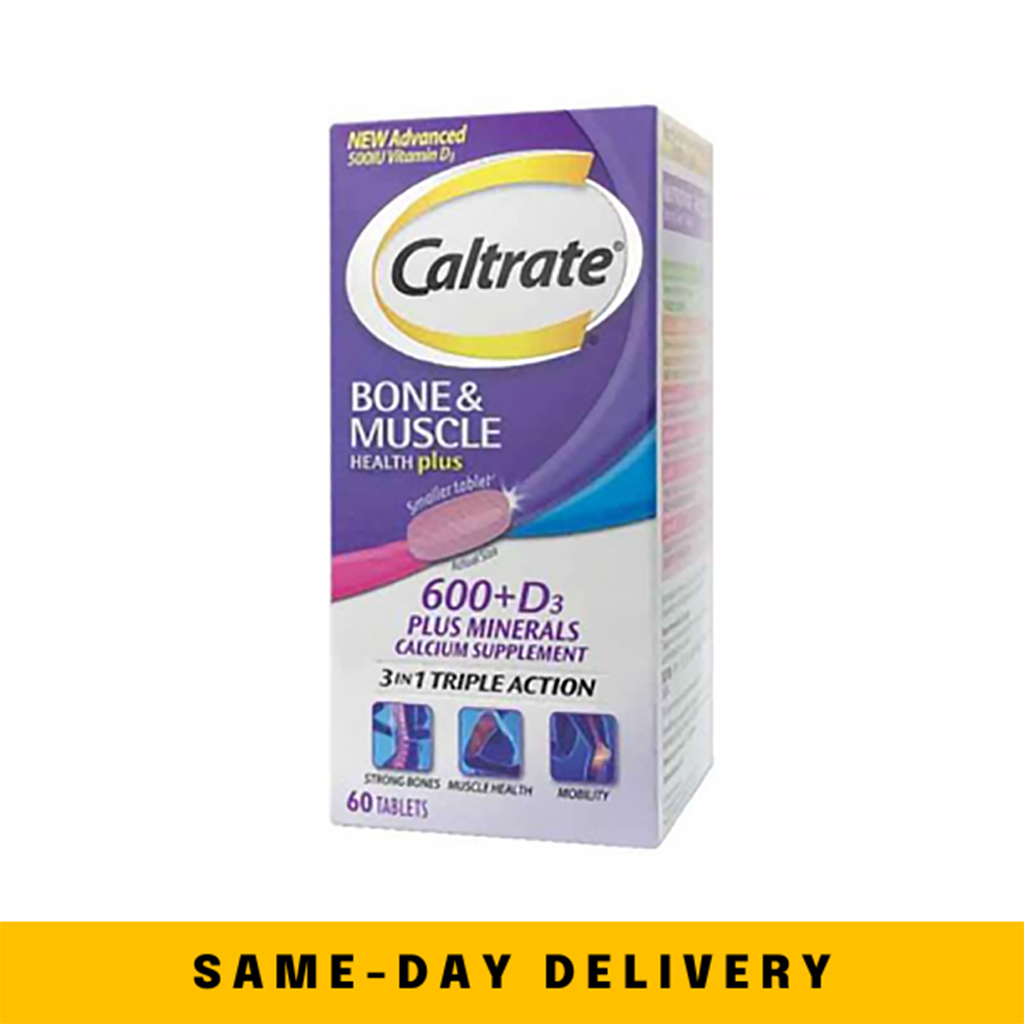
Caltrate: The Definitive Medical SEO Guide for Optimal Bone Health
1. Comprehensive Introduction & Overview
Caltrate stands as a widely recognized and essential over-the-counter supplement, primarily formulated to support and maintain robust bone health. As an expert in orthopedic health, I frequently encounter patients seeking reliable information on calcium and vitamin D supplementation, and Caltrate consistently emerges as a leading choice. This comprehensive guide aims to provide an exhaustive, authoritative medical overview of Caltrate, delving into its scientific underpinnings, clinical applications, and crucial safety considerations.
At its core, Caltrate is a dietary supplement designed to provide vital calcium and vitamin D, two nutrients indispensable for bone formation, strength, and overall skeletal integrity. While calcium is the primary building block of bones, vitamin D plays a pivotal role in ensuring the body can effectively absorb and utilize this calcium. Insufficient intake of either nutrient can lead to a range of bone-related issues, from reduced bone density to debilitating conditions like osteoporosis. Caltrate offers a convenient and effective way to bridge dietary gaps and fortify the body's defenses against bone deterioration.
This guide will serve as a valuable resource for patients, caregivers, and healthcare professionals alike, clarifying the complex mechanisms, appropriate usage, and potential interactions associated with Caltrate.
2. Deep-dive into Technical Specifications / Mechanisms
Understanding how Caltrate works requires a foundational grasp of its key ingredients and their respective physiological roles.
What is Caltrate Made Of? (Key Ingredients)
The primary active ingredients in most Caltrate formulations are:
- Calcium Carbonate: This is the most concentrated form of elemental calcium available in supplements, typically containing 40% elemental calcium by weight. It is widely used for its efficacy in bone mineralization.
- Vitamin D3 (Cholecalciferol): This is the natural form of vitamin D, identical to what the body produces when exposed to sunlight. It is crucial for calcium absorption and metabolism.
Many Caltrate products also include other essential trace minerals that support bone health, such as:
- Magnesium: Involved in over 300 enzymatic reactions, including those for bone formation and calcium regulation.
- Zinc: Essential for bone collagen synthesis and mineralization.
- Copper & Manganese: Play roles in enzyme systems critical for bone health.
Mechanism of Action
The synergistic action of calcium and Vitamin D3 is central to Caltrate's efficacy.
Calcium's Role
Calcium is not merely a structural component of bones and teeth; it's a vital cation involved in numerous physiological processes:
- Bone Structure and Strength: Approximately 99% of the body's calcium is stored in the bones, providing structural rigidity and acting as a reservoir to maintain constant serum calcium levels. Dynamic processes of bone remodeling (resorption and formation) continuously incorporate and release calcium.
- Neuromuscular Function: Calcium ions are essential for nerve impulse transmission, muscle contraction (including cardiac muscle), and neurotransmitter release.
- Blood Coagulation: Calcium is a critical cofactor for several clotting factors in the coagulation cascade.
- Cellular Signaling: It acts as a second messenger in various intracellular signaling pathways.
When consumed, calcium carbonate requires stomach acid for optimal dissolution and absorption. It is absorbed in the small intestine via both active transport (vitamin D-dependent) and passive paracellular diffusion, especially at higher intakes.
Vitamin D3's Role
Vitamin D3, or cholecalciferol, is a fat-soluble vitamin that acts as a prohormone. Its primary functions are intrinsically linked to calcium homeostasis:
- Enhanced Calcium Absorption: Vitamin D3 is metabolized in the liver to 25-hydroxyvitamin D [25(OH)D], which is then converted in the kidneys to its active form, 1,25-dihydroxyvitamin D [1,25(OH)2D], also known as calcitriol. Calcitriol significantly increases the efficiency of calcium absorption from the gut by stimulating the production of calcium-binding proteins (e.g., calbindin-D28k) and calcium channels in the intestinal cells.
- Phosphate Homeostasis: Similar to calcium, calcitriol also promotes the absorption of phosphate from the intestine.
- Bone Mineralization: By ensuring adequate levels of circulating calcium and phosphate, Vitamin D facilitates the proper mineralization of the bone matrix, preventing conditions like osteomalacia (in adults) and rickets (in children).
- Parathyroid Hormone (PTH) Regulation: Calcitriol helps regulate PTH secretion. Low calcium levels trigger PTH release, which then stimulates calcitriol production. Calcitriol, in turn, suppresses PTH synthesis, creating a feedback loop.
Pharmacokinetics
Understanding how Caltrate's components are processed by the body is crucial for optimal dosing and management.
Absorption
- Calcium Carbonate: Absorption typically ranges from 20% to 40% of the ingested dose. It is best absorbed when taken with food, as gastric acid secretion is stimulated, aiding dissolution. Splitting daily doses also improves overall absorption.
- Vitamin D3: Cholecalciferol is a fat-soluble vitamin, absorbed from the small intestine primarily via lymphatic pathways within chylomicrons. Its absorption is enhanced in the presence of dietary fats and bile salts.
Distribution
- Calcium: After absorption, calcium is rapidly distributed. Approximately 99% is incorporated into the bone matrix, while the remaining 1% circulates in the blood and extracellular fluid, tightly regulated to maintain physiological functions.
- Vitamin D3: Cholecalciferol is transported in the blood bound to vitamin D-binding protein (DBP). It is stored primarily in adipose tissue and muscle, from where it can be slowly released.
Metabolism
- Calcium: Elemental calcium is not metabolized in the traditional sense; its ionic form is maintained. Its levels are strictly controlled by parathyroid hormone (PTH), calcitonin, and vitamin D.
- Vitamin D3: Cholecalciferol undergoes a two-step hydroxylation process:
- Hepatic Hydroxylation: In the liver, it is hydroxylated by 25-hydroxylase (CYP2R1, CYP27A1) to form 25-hydroxyvitamin D [25(OH)D], also known as calcifediol. This is the main circulating form and the best indicator of vitamin D status.
- Renal Hydroxylation: In the kidneys, 25(OH)D is further hydroxylated by 1-alpha-hydroxylase (CYP27B1) to form 1,25-dihydroxyvitamin D [1,25(OH)2D], or calcitriol, the biologically active form. This step is tightly regulated by PTH, serum calcium, and phosphate levels.
Excretion
- Calcium: Excretion occurs primarily via the kidneys (glomerular filtration and tubular reabsorption), with a smaller amount eliminated through feces (unabsorbed calcium) and sweat.
- Vitamin D3: Metabolites of vitamin D, primarily 1,25(OH)2D, are conjugated in the liver and excreted mainly in the bile into the feces. A small amount is excreted in the urine.
3. Extensive Clinical Indications & Usage
Caltrate is indicated for a variety of conditions related to calcium and vitamin D deficiency and bone health maintenance.
Primary Indications
| Indication | Description
Caltrate is a brand name for a range of calcium and vitamin D supplements. The primary components are calcium carbonate and vitamin D3 (cholecalciferol). This guide will focus on the general properties of such combination products.
3. Extensive Clinical Indications & Usage
Caltrate is indicated for a variety of conditions related to calcium and vitamin D deficiency and bone health maintenance.
Primary Indications
| Indication | Description