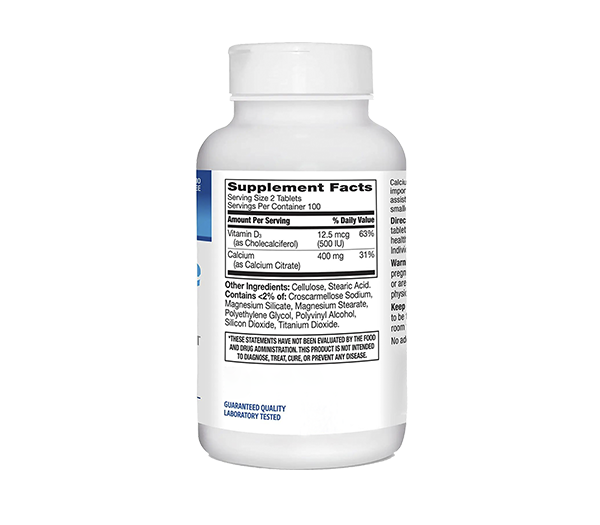
Calcium Citrate with Vitamin D3: An Expert Orthopedic Guide to Bone Health
1. Comprehensive Introduction & Overview
In the realm of orthopedic health and preventative medicine, Calcium Citrate with Vitamin D3 stands as a cornerstone supplement. This powerful combination is meticulously formulated to support and maintain robust bone health, mitigate the risks of bone-related diseases, and ensure optimal physiological function. As expert medical SEO copywriters and orthopedic specialists, we understand the critical role these nutrients play in the human body, extending far beyond just bones to influence muscle function, nerve transmission, and immune system health.
Calcium, the most abundant mineral in the body, is fundamental for building and maintaining strong bones and teeth. However, its absorption can be a complex process, often requiring specific conditions within the digestive system. This is where Calcium Citrate distinguishes itself. Unlike other forms of calcium, calcium citrate does not require stomach acid for absorption, making it an excellent choice for individuals with reduced stomach acidity, such as older adults or those taking acid-reducing medications.
Vitamin D3 (Cholecalciferol), on the other hand, is not merely a vitamin but acts as a prohormone, playing an indispensable role in calcium homeostasis. It orchestrates the absorption of calcium from the gut into the bloodstream and facilitates its incorporation into bone tissue. Without adequate Vitamin D3, even a sufficient intake of calcium may not translate into strong bones, leaving individuals vulnerable to conditions like osteoporosis and osteomalacia.
This comprehensive guide delves into the intricate details of Calcium Citrate with Vitamin D3, offering an authoritative perspective on its mechanisms, clinical applications, dosage, potential risks, and interactions. Our aim is to empower patients and healthcare professionals with the knowledge necessary to optimize bone health and overall well-being.
2. Deep-dive into Technical Specifications / Mechanisms
Understanding how Calcium Citrate with Vitamin D3 works at a physiological level is crucial for appreciating its therapeutic value.
Mechanism of Action
Calcium Citrate
Calcium is a vital mineral involved in numerous biological processes.
* Bone Mineralization: Approximately 99% of the body's calcium is stored in the bones and teeth, providing structural integrity. Calcium ions (Ca2+) combine with phosphate to form hydroxyapatite crystals, the primary mineral component of bone matrix.
* Muscle Contraction: Calcium influx into muscle cells triggers the interaction between actin and myosin, leading to muscle contraction.
* Nerve Transmission: Calcium plays a role in neurotransmitter release at synaptic junctions, facilitating communication between nerve cells.
* Blood Clotting: Calcium is a critical cofactor in several steps of the coagulation cascade.
* Enzyme Activity & Hormone Secretion: It acts as a secondary messenger in various cellular signaling pathways.
Calcium citrate is a highly bioavailable form of calcium. Its absorption is less dependent on stomach acid compared to calcium carbonate, making it a preferred option for individuals with achlorhydria or those on proton pump inhibitors (PPIs) or H2 blockers. The citrate anion itself may also enhance calcium absorption.
Vitamin D3 (Cholecalciferol)
Vitamin D3 is synthesized in the skin upon exposure to ultraviolet B (UVB) radiation or obtained through diet/supplements. Its primary role is to maintain calcium and phosphate homeostasis.
* Intestinal Calcium Absorption: Vitamin D3 is metabolized into its active form, calcitriol (1,25-dihydroxyvitamin D), primarily in the kidneys. Calcitriol significantly increases the absorption of dietary calcium and phosphate from the small intestine by upregulating calcium transport proteins (e.g., TRPV6) and calbindin-D28k.
* Bone Remodeling: Calcitriol works in concert with parathyroid hormone (PTH) to regulate bone remodeling. It promotes the differentiation of osteoclasts (bone-resorbing cells) but also supports osteoblast (bone-forming cells) activity, ensuring a balanced bone turnover.
* Parathyroid Hormone (PTH) Regulation: Low calcium levels stimulate PTH secretion. Calcitriol inhibits PTH synthesis and secretion, preventing excessive bone resorption in response to hypocalcemia.
* Other Roles: Emerging research suggests Vitamin D3 has roles in immune modulation, cell growth, and neuromuscular function.
Pharmacokinetics
Absorption
- Calcium Citrate: Absorbed primarily in the small intestine via both active transport (saturable, Vitamin D-dependent) and passive diffusion (non-saturable). Its absorption is efficient and does not require a highly acidic gastric environment. Food can slightly enhance absorption but is not strictly necessary.
- Vitamin D3: Cholecalciferol is a fat-soluble vitamin. It is absorbed from the small intestine into lymphatic circulation within chylomicrons. Bile salts are essential for its emulsification and absorption.
Distribution
- Calcium: Circulates in the blood in three forms: ionized (free, physiologically active), protein-bound (primarily to albumin), and complexed with anions (e.g., citrate, phosphate). It is distributed throughout the body, with the vast majority stored in bones.
- Vitamin D3: After absorption, cholecalciferol is transported to the liver, where it is hydroxylated. It is stored in adipose tissue and muscle, providing a reservoir.
Metabolism
- Vitamin D3: Undergoes two main hydroxylation steps:
- Liver: Cholecalciferol is hydroxylated by 25-hydroxylase (CYP2R1, CYP27A1) to form 25-hydroxyvitamin D [25(OH)D], also known as calcidiol. This is the main circulating form and the best indicator of Vitamin D status.
- Kidney: 25(OH)D is further hydroxylated by 1-alpha-hydroxylase (CYP27B1) in the renal tubules (and other tissues) to form 1,25-dihydroxyvitamin D [1,25(OH)2D], also known as calcitriol, the biologically active form. This step is tightly regulated by PTH, phosphate, and fibroblast growth factor 23 (FGF23).
Excretion
- Calcium: Primarily excreted via the kidneys in urine, with a smaller amount excreted in feces (unabsorbed dietary calcium) and sweat.
- Vitamin D Metabolites: Calcitriol and its metabolites are primarily excreted in bile and subsequently in feces. A small amount is excreted renally.
3. Extensive Clinical Indications & Usage
The combination of Calcium Citrate and Vitamin D3 is indicated for a wide range of conditions, primarily related to bone health and calcium/Vitamin D deficiencies.
Detailed Indications
- Osteoporosis Prevention and Treatment:
- Post-menopausal Osteoporosis: Women experience accelerated bone loss after menopause due to estrogen decline. Supplementation helps maintain bone mineral density (BMD).
- Senile Osteoporosis: Age-related bone loss in both men and women.
- Glucocorticoid-Induced Osteoporosis: Long-term use of corticosteroids can lead to bone loss; supplementation is often prescribed concurrently.
- Prevention of Fractures: Particularly hip and vertebral fractures in at-risk populations.
- Calcium Deficiency (Hypocalcemia):
- Dietary Insufficiency: Individuals with inadequate dietary intake of calcium (e.g., vegans, those with lactose intolerance).
- Malabsorption Syndromes: Conditions like Crohn's disease, celiac disease, or gastric bypass surgery can impair nutrient absorption.
- Chronic Kidney Disease (CKD): Patients with CKD often develop secondary hyperparathyroidism and hypocalcemia due to impaired Vitamin D activation and phosphate retention.
- Hypoparathyroidism: A condition where the parathyroid glands produce insufficient PTH, leading to hypocalcemia.
- Vitamin D Deficiency (Rickets and Osteomalacia):
- Rickets: A condition in children characterized by soft, weak bones due to defective mineralization.
- Osteomalacia: The adult equivalent of rickets, leading to bone softening, pain, and increased fracture risk.
- Risk Factors for Deficiency: Limited sun exposure, dark skin, obesity, certain medical conditions (e.g., liver or kidney disease).
- Other Conditions:
- Pregnancy and Lactation: Increased maternal calcium and Vitamin D requirements for fetal skeletal development and breast milk production.
- Adolescent Growth Spurts: Crucial period for peak bone mass acquisition.
- Medication-Induced Nutrient Depletion: Certain drugs (e.g., anticonvulsants, some diuretics) can interfere with calcium or Vitamin D metabolism.
- Bone Health in Athletes: To support bone density and reduce stress fracture risk.
Dosage Guidelines
Dosage of Calcium Citrate with Vitamin D3 should always be individualized based on age, dietary intake, baseline calcium and Vitamin D levels, and specific medical conditions. Consultation with a healthcare professional is essential.
General Recommendations (Elemental Calcium & Vitamin D3)
| Age Group / Condition | Elemental Calcium (mg/day) | Vitamin D3 (IU/day) | Notes |
|---|---|---|---|
| Infants (0-6 months) | 200 | 400 | Primarily from breast milk/formula, liquid D3 supplement may be needed |
| Infants (7-12 months) | 260 | 400 | |
| Children (1-3 years) | 700 | 600 | |
| Children (4-8 years) | 1000 | 600 | |
| Adolescents (9-18 years) | 1300 | 600 | Crucial for peak bone mass |
| Adults (19-50 years) | 1000 | 600 | |
| Adults (51-70 years, Men) | 1000 | 600 | |
| Adults (51-70 years, Women) | 1200 | 600 | Increased need post-menopause |
| Adults (71+ years, All) | 1200 | 800 | |
| Pregnant/Lactating Women | 1000-1300 | 600-800 | Varies by age; consult OB/GYN |
| Osteoporosis Management | 1000-1200 | 800-2000+ | Often higher doses of D3 for deficiency or severe osteoporosis |
| Deficiency Treatment | Varies, often higher | 1000-5000+ | Based on serum 25(OH)D levels; short-term higher doses may be used |
Important Considerations:
* Splitting Doses: For optimal absorption, calcium intake should be spread throughout the day, typically in doses not exceeding 500-600 mg of elemental calcium at a time.
* With or Without Food: Calcium citrate can be taken with or without food.
* Monitoring: Regular monitoring of serum calcium, phosphorus, parathyroid hormone, and 25(OH)D levels is recommended, especially during high-dose therapy or in individuals with pre-existing conditions.
4. Risks, Side Effects, and Contraindications
While generally safe and well-tolerated, Calcium Citrate with Vitamin D3 is not without potential risks, side effects, and contraindications.
Contraindications
- Hypercalcemia: Pre-existing elevated levels of calcium in the blood. Supplementation would exacerbate this condition, leading to severe complications.
- Hypervitaminosis D: Excessively high levels of Vitamin D, which can lead to hypercalcemia.
- Severe Renal Impairment: Patients with severe kidney disease may have impaired calcium and Vitamin D metabolism and should only use these supplements under strict medical supervision and dose adjustment.
- Known Hypersensitivity: Allergy to calcium citrate, cholecalciferol, or any inactive ingredients in the formulation.
- Certain Kidney Stones: Individuals with a history of recurrent calcium oxalate kidney stones or other calcium-containing kidney stones may need to limit calcium intake or be closely monitored.
- Active Sarcoidosis or Other Granulomatous Diseases: These conditions can increase endogenous production of calcitriol, leading to hypercalcemia.
Drug Interactions
Calcium and Vitamin D can interact with various medications, affecting either their absorption or efficacy, or increasing the risk of adverse effects.
- Reduced Absorption of Other Drugs (Calcium):
- Tetracycline Antibiotics (e.g., doxycycline, minocycline): Calcium can chelate these antibiotics, significantly reducing their absorption. Administer calcium at least 2-4 hours before or after tetracyclines.
- Fluoroquinolone Antibiotics (e.g., ciprofloxacin, levofloxacin): Similar chelation effect. Administer calcium at least 2-6 hours before or after fluoroquinolones.
- Thyroid Hormones (e.g., levothyroxine): Calcium can impair levothyroxine absorption. Separate administration by at least 4 hours.
- Bisphosphonates (e.g., alendronate, risedronate): Calcium can interfere with bisphosphonate absorption. Take bisphosphonates first thing in the morning with plain water, and wait at least 30-60 minutes before taking any food, beverages, or other medications/supplements, including calcium.
- Iron Supplements: Calcium can inhibit iron absorption. Separate administration by at least 2 hours.
- Increased Calcium/Vitamin D Levels:
- Thiazide Diuretics (e.g., hydrochlorothiazide): These diuretics reduce renal calcium excretion, increasing the risk of hypercalcemia, especially with concurrent calcium/Vitamin D supplementation.
- Digoxin: Hypercalcemia, induced by excessive Vitamin D or calcium, can potentiate the effects of digoxin, increasing the risk of cardiac arrhythmias.
- Reduced Vitamin D Effectiveness:
- Anticonvulsants (e.g., phenytoin, barbiturates, carbamazepine): Can increase the metabolism of Vitamin D into inactive forms, leading to Vitamin D deficiency.
- Corticosteroids: Can reduce intestinal calcium absorption and interfere with Vitamin D metabolism.
- Orlistat (fat absorption inhibitor): Can reduce the absorption of fat-soluble vitamins, including Vitamin D.
Side Effects
Calcium Citrate with Vitamin D3 is generally well-tolerated. Most side effects are mild and gastrointestinal in nature.
- Common Side Effects:
- Constipation
- Gas/Flatulence
- Bloating
- Stomach upset/discomfort
- Less Common/More Serious Side Effects (often associated with excessive doses or overdose):
- Nausea and vomiting
- Loss of appetite
- Increased thirst and frequent urination (polyuria/polydipsia)
- Muscle weakness
- Bone pain
- Confusion, lethargy, fatigue
- Kidney stones (nephrolithiasis)
- Cardiac arrhythmias (in severe hypercalcemia)
- Hypercalciuria (excess calcium in urine)
- Hypercalcemia (excess calcium in blood)
Pregnancy and Lactation Warnings
- Pregnancy: Calcium and Vitamin D are essential nutrients during pregnancy for healthy fetal bone development and to prevent maternal bone loss. However, dosages must be carefully monitored to avoid hypercalcemia in the mother, which can lead to adverse effects on the fetus. Always consult an obstetrician or healthcare provider before starting or continuing supplementation during pregnancy.
- Lactation: Vitamin D3 is excreted in breast milk. At recommended physiological doses, supplementation is generally considered safe and beneficial for both mother and infant. However, excessive maternal intake of Vitamin D can lead to high levels in breast milk, potentially causing hypercalcemia in the infant. Close medical supervision is advised.
Overdose Management
Acute or chronic overdose of Calcium Citrate with Vitamin D3 can lead to hypercalcemia and hypervitaminosis D, which can be life-threatening.
- Symptoms of Overdose (Severe Hypercalcemia):
- Early: Anorexia, nausea, vomiting, constipation, abdominal pain, muscle weakness, fatigue, polyuria, polydipsia.
- Late/Severe: Confusion, stupor, coma, renal insufficiency, nephrocalcinosis, kidney stones, cardiac arrhythmias (bradycardia, shortened QT interval), hypertension, dehydration.
- Actions for Overdose:
- Discontinue Supplement: Immediately stop all calcium and Vitamin D supplementation.
- Hydration: Administer intravenous fluids (normal saline) to correct dehydration and promote calcium excretion.
- Diuretics: Loop diuretics (e.g., furosemide) may be used in conjunction with hydration to enhance renal calcium excretion, but thiazide diuretics should be avoided.
- Corticosteroids: May reduce intestinal calcium absorption and bone resorption, especially in Vitamin D toxicity.
- Calcitonin: Can rapidly decrease serum calcium by inhibiting osteoclast activity.
- Bisphosphonates: Intravenous bisphosphonates (e.g., pamidronate, zoledronic acid) can be used to inhibit bone resorption in severe hypercalcemia.
- Dialysis: In severe cases of hypercalcemia with renal failure, hemodialysis may be necessary.
- Immediate medical attention is required for suspected overdose.
5. Massive FAQ Section
Q1: What's the main difference between Calcium Citrate and Calcium Carbonate?
A1: The primary difference lies in their absorption. Calcium Citrate is absorbed efficiently with or without food and does not require stomach acid, making it ideal for individuals with low stomach acidity (e.g., older adults, those taking acid blockers). Calcium Carbonate, on the other hand, requires stomach acid for optimal absorption and is best taken with food. Calcium Carbonate also contains a higher percentage of elemental calcium per pill.
Q2: Why is Vitamin D3 included with Calcium Citrate?
A2: Vitamin D3 is crucial for calcium absorption. It acts as a prohormone, facilitating the absorption of calcium from the intestines into the bloodstream and its subsequent incorporation into bone. Without adequate Vitamin D3, the body cannot effectively utilize ingested calcium, regardless of the amount.
Q3: Can I get enough calcium and Vitamin D from my diet alone?
A3: While a balanced diet rich in dairy products, fortified foods, leafy greens, and fatty fish can provide significant amounts of calcium and Vitamin D, many individuals may still fall short of recommended daily intakes. Factors like dietary restrictions, malabsorption issues, limited sun exposure, and age can necessitate supplementation.
Q4: When is the best time to take Calcium Citrate with Vitamin D3?
A4: Calcium Citrate can be taken at any time of day, with or without food, due to its less stringent requirement for stomach acid. For optimal absorption and to minimize side effects, it's often recommended to split the daily dose into two or three smaller portions, rather than taking it all at once. For example, one dose in the morning and one in the evening.
Q5: How long does it take to see benefits from taking this supplement?
A5: The benefits of Calcium Citrate with Vitamin D3, particularly for bone density, are typically long-term. While some immediate effects on calcium levels can be observed, significant changes in bone mineral density take months to years of consistent supplementation, alongside other healthy lifestyle choices. Regular monitoring by a healthcare provider is key.
Q6: Are there any dietary restrictions or lifestyle changes I should consider while taking this supplement?
A6: While not strict restrictions, certain dietary habits can impact calcium and Vitamin D. Excessive intake of caffeine, alcohol, and high-sodium foods can increase calcium excretion. Smoking and a sedentary lifestyle negatively impact bone health. Maintaining a balanced diet, engaging in regular weight-bearing exercise, and avoiding smoking are beneficial alongside supplementation.
Q7: Can men take Calcium Citrate with Vitamin D3?
A7: Absolutely. While osteoporosis is often associated with women, men are also susceptible to bone loss and Vitamin D deficiency, especially as they age. Calcium and Vitamin D are essential for bone health in both sexes, and supplementation may be recommended for men with inadequate dietary intake or specific risk factors.
Q8: What are the signs of calcium deficiency (hypocalcemia)?
A8: Early signs of chronic calcium deficiency can be subtle, including muscle cramps, numbness or tingling in fingers and toes, fatigue, and brittle nails. Severe or acute deficiency can lead to more pronounced symptoms like muscle spasms (tetany), seizures, and abnormal heart rhythms. Long-term deficiency contributes to osteoporosis.
Q9: Is Calcium Citrate with Vitamin D3 safe for children?
A9: Yes, when administered at appropriate pediatric dosages under medical supervision. Calcium and Vitamin D are crucial for bone growth and development in children and adolescents. Pediatricians often recommend supplements for children with dietary deficiencies, limited sun exposure, or certain medical conditions.
Q10: What should I do if I miss a dose?
A10: If you miss a dose, take it as soon as you remember, unless it's almost time for your next scheduled dose. In that case, skip the missed dose and resume your regular dosing schedule. Do not double up on doses to make up for a missed one, as this can increase the risk of side effects.
Q11: Can Calcium Citrate with Vitamin D3 cause kidney stones?
A11: While calcium supplements are sometimes implicated in kidney stone formation, the risk is generally low at recommended doses, especially with adequate hydration. However, individuals with a history of recurrent calcium-containing kidney stones, or those prone to hypercalciuria (excess calcium in urine) or hypercalcemia, should consult their doctor before taking calcium supplements. Maintaining good hydration is crucial.
Q12: How often should I have my calcium and Vitamin D levels checked?
A12: The frequency of monitoring depends on individual risk factors, existing medical conditions, and current supplementation regimen. For most healthy individuals, annual checks of Vitamin D (25(OH)D) levels might be sufficient if a deficiency is suspected or being treated. Serum calcium levels are often part of routine blood work. Your doctor will advise on the appropriate monitoring schedule.