
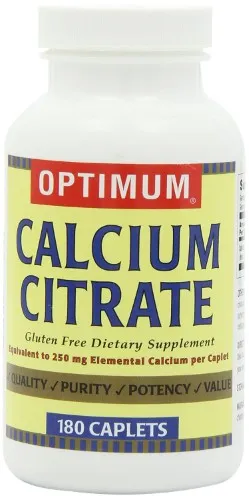
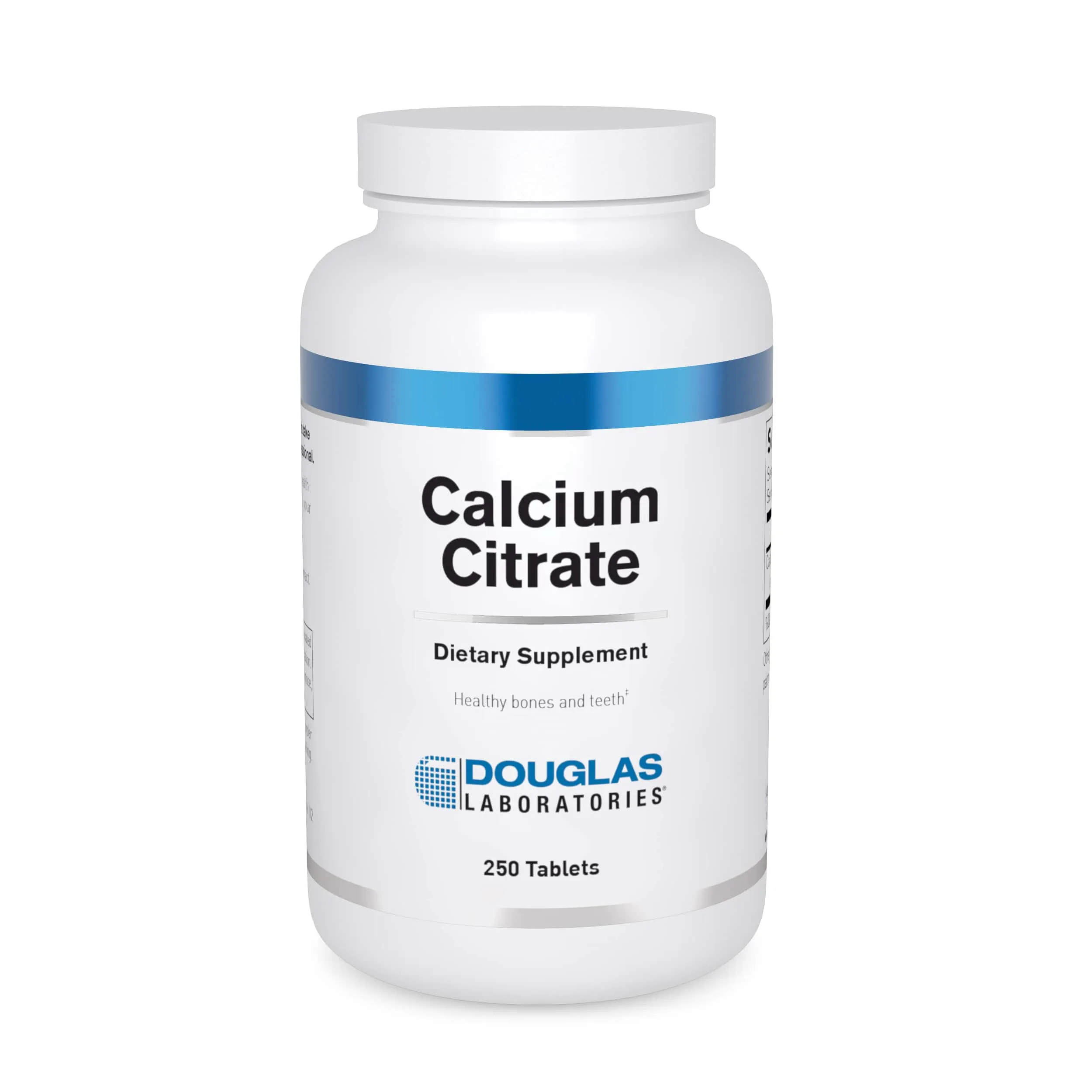
Calcium Citrate: An Expert's Comprehensive Guide to Bone Health and Beyond
As an expert in orthopedic health and medical SEO, we understand the critical role calcium plays in maintaining a robust musculoskeletal system and overall physiological function. Among the various forms of calcium supplements available, Calcium Citrate stands out for its superior bioavailability and specific clinical advantages. This exhaustive guide aims to provide a definitive resource for patients, caregivers, and healthcare professionals seeking in-depth knowledge about this essential medication.
1. Introduction & Overview: Unlocking the Power of Calcium Citrate
Calcium is the most abundant mineral in the human body, vital not just for strong bones and teeth, but also for critical functions such as nerve transmission, muscle contraction, blood clotting, and hormonal secretion. When dietary intake is insufficient or absorption is compromised, supplementation becomes necessary.
Calcium citrate is a calcium salt of citric acid. It is a highly soluble form of calcium, making it an excellent choice for individuals who may have reduced stomach acid or those seeking a supplement that can be taken independently of meals. Unlike calcium carbonate, which requires stomach acid for optimal absorption, calcium citrate is readily absorbed, providing a reliable source of elemental calcium to the body.
This guide will delve into the intricate mechanisms by which calcium citrate exerts its effects, its pharmacokinetic profile, detailed indications for its use, precise dosage guidelines, potential risks, drug interactions, and crucial considerations for specific populations.
2. Deep-Dive into Technical Specifications & Mechanisms
Understanding the science behind calcium citrate is key to appreciating its therapeutic value.
2.1 Chemical Composition and Bioavailability
Calcium citrate is represented by the chemical formula Ca₃(C₆H₅O₇)₂. Its unique structure, being a calcium salt of citric acid, confers significant advantages in terms of absorption.
- Solubility: Calcium citrate is highly soluble in water, meaning it dissolves easily in the digestive tract.
- Bioavailability: It boasts higher bioavailability compared to calcium carbonate, particularly in individuals with compromised gastric acidity (e.g., elderly, those on proton pump inhibitors or H2 blockers, or with achlorhydria/hypochlorhydria). This is because its absorption is less dependent on stomach acid.
- Elemental Calcium Content: Calcium citrate typically contains about 21% elemental calcium by weight. This means a 1000 mg tablet of calcium citrate provides approximately 210 mg of elemental calcium.
2.2 Mechanism of Action
The therapeutic actions of calcium citrate are primarily derived from the elemental calcium it provides, which then participates in numerous physiological processes:
- Bone Mineralization and Remodeling: Calcium is the primary structural component of hydroxyapatite, the mineral matrix of bones and teeth. Adequate calcium intake is essential for bone formation, maintenance of bone density, and the continuous process of bone remodeling (breakdown and rebuilding of bone tissue). Calcium citrate directly supplies the raw material needed for these processes, helping to prevent and treat conditions like osteoporosis.
- Nerve Impulse Transmission: Calcium ions (Ca²⁺) play a crucial role in nerve impulse conduction. They facilitate the release of neurotransmitters at synapses, enabling communication between nerve cells and between nerves and muscles.
- Muscle Contraction: In both skeletal and cardiac muscle, calcium ions are the key triggers for muscle contraction. They bind to regulatory proteins (e.g., troponin C in skeletal muscle), leading to a cascade of events that result in muscle fiber shortening.
- Blood Coagulation: Calcium is an essential co-factor (Factor IV) in the complex cascade of blood clotting. It is required for the activation of several clotting factors, ultimately leading to the formation of a stable fibrin clot.
- Enzyme Activity & Hormonal Regulation: Calcium acts as a co-factor for numerous enzymes and plays a vital role in the secretion of various hormones, including parathyroid hormone (PTH) and calcitonin, which are central to calcium homeostasis.
2.3 Pharmacokinetics
The journey of calcium citrate through the body is well-understood:
- Absorption: After oral administration, calcium citrate dissolves in the gastrointestinal tract, releasing calcium ions. Absorption primarily occurs in the small intestine through two main mechanisms:
- Active Transport: A saturable, vitamin D-dependent process that is efficient at lower calcium intakes.
- Passive Diffusion: A non-saturable process that dominates at higher calcium intakes and is significantly enhanced by the solubility of calcium citrate.
- Unlike calcium carbonate, calcium citrate does not require an acidic environment, making its absorption more consistent across various gastric pH levels.
- Distribution: Once absorbed, calcium enters the bloodstream. Approximately 50% of plasma calcium is in its ionized (free) form, which is biologically active. The remaining calcium is protein-bound (primarily to albumin) or complexed with anions like citrate, phosphate, or bicarbonate. The vast majority (99%) of total body calcium is stored in bones and teeth.
- Metabolism: Elemental calcium itself is not "metabolized" in the traditional sense; rather, it is utilized as an ion for various physiological functions. The citrate component is metabolized in the liver, contributing to energy production.
- Excretion: Calcium is primarily excreted by the kidneys via urine, with a smaller amount eliminated in feces and sweat. Renal excretion is tightly regulated by parathyroid hormone (PTH), calcitonin, and vitamin D, which modulate calcium reabsorption in the renal tubules to maintain serum calcium homeostasis.
3. Extensive Clinical Indications & Usage
Calcium citrate is a versatile supplement indicated for a wide range of conditions related to calcium deficiency and bone health.
3.1 Preventing and Treating Calcium Deficiency
- Osteoporosis: This is the most common and critical indication. Calcium citrate, often in combination with Vitamin D, is used to prevent bone loss, maintain bone mineral density, and reduce the risk of osteoporotic fractures, particularly in postmenopausal women and the elderly.
- Osteopenia: As a precursor to osteoporosis, osteopenia involves reduced bone density. Supplementation helps to slow bone loss and prevent progression to full-blown osteoporosis.
- Hypocalcemia: Calcium citrate is used to treat conditions causing low blood calcium levels, such as:
- Hypoparathyroidism (underactive parathyroid glands)
- Chronic renal failure (impaired vitamin D activation and calcium reabsorption)
- Vitamin D deficiency (leading to impaired calcium absorption)
- Malabsorption syndromes
- Rickets and Osteomalacia: These conditions, characterized by defective bone mineralization in children (rickets) and adults (osteomalacia), require calcium supplementation alongside Vitamin D therapy.
3.2 Specific Patient Populations
Calcium citrate is particularly beneficial for certain groups due to its superior absorption characteristics:
- Postmenopausal Women: Estrogen deficiency after menopause accelerates bone loss. Calcium citrate helps to counteract this by providing essential calcium for bone maintenance.
- Elderly Individuals: Often experience reduced gastric acid secretion and decreased efficiency of active calcium absorption, making calcium citrate a preferred choice. They also tend to have lower dietary calcium intake.
- Individuals with Lactose Intolerance or Dairy Allergies: For those unable to consume dairy products, a primary source of dietary calcium, supplementation is crucial.
- Patients on Certain Medications:
- Proton Pump Inhibitors (PPIs) and H2 Blockers: These medications reduce stomach acid, impairing calcium carbonate absorption. Calcium citrate's absorption is less affected.
- Corticosteroids: Long-term use can lead to bone loss.
- Anticonvulsants: Some can interfere with vitamin D metabolism, indirectly affecting calcium.
- Gastric Bypass Surgery Patients: Altered gastrointestinal anatomy and reduced stomach acid often lead to malabsorption of nutrients, including calcium. Calcium citrate is generally recommended.
- Individuals with Malabsorption Syndromes: Conditions like Crohn's disease, celiac disease, or inflammatory bowel disease can impair nutrient absorption, necessitating efficient calcium supplementation.
3.3 Other Potential Uses
While requiring further research, some studies suggest calcium citrate may have other benefits:
- Premenstrual Syndrome (PMS): Some evidence suggests calcium supplementation can alleviate symptoms like mood swings, bloating, and cramps.
- Colon Cancer Prevention: Observational studies have indicated a potential protective effect of adequate calcium intake against colorectal cancer, though definitive recommendations are pending.
- Hypertension Management: Modest reductions in blood pressure have been observed in some individuals with hypertension following calcium supplementation.
3.4 Dosage Guidelines & Administration
The appropriate dosage of calcium citrate depends on age, sex, existing medical conditions, and dietary intake. It is crucial to consider the amount of elemental calcium rather than the total weight of the calcium citrate compound.
Recommended Dietary Allowance (RDA) for Elemental Calcium:
| Age Group | RDA (mg/day) |
|---|---|
| 0-6 months | 200 |
| 7-12 months | 260 |
| 1-3 years | 700 |
| 4-8 years | 1000 |
| 9-18 years | 1300 |
| 19-50 years | 1000 |
| 51-70 years (men) | 1000 |
| 51-70 years (women) | 1200 |
| 71+ years | 1200 |
| Pregnancy/Lactation | 1000-1300 |
- Typical Supplemental Doses: For deficiency or bone health, doses typically range from 200-500 mg of elemental calcium per dose.
- Maximum Daily Intake (UL): Exceeding the Upper Limit (UL) can lead to adverse effects.
Tolerable Upper Intake Level (UL) for Elemental Calcium:
| Age Group | UL (mg/day) |
|---|---|
| 0-12 months | 1000 |
| 1-8 years | 2500 |
| 9-18 years | 3000 |
| 19-50 years | 2500 |
| 51+ years | 2000 |
- Administration:
- Calcium citrate can be taken with or without food. While food can sometimes aid absorption and reduce gastrointestinal upset, it is not strictly necessary for calcium citrate as it is for calcium carbonate.
- Divide Doses: The body can only absorb a limited amount of elemental calcium (typically 500-600 mg) at one time. To maximize absorption, it is recommended to divide larger daily doses into two or three smaller doses throughout the day.
- Importance of Vitamin D: Vitamin D is crucial for calcium absorption and utilization. Many calcium citrate supplements are co-formulated with Vitamin D to enhance efficacy. Ensure adequate Vitamin D intake, either through diet, sun exposure, or supplementation.
4. Risks, Side Effects, & Contraindications
While generally safe and well-tolerated, calcium citrate is not without potential risks and interactions.
4.1 Common Side Effects
Most side effects are mild and gastrointestinal in nature:
- Constipation: This is the most frequently reported side effect.
- Gas and Bloating: Can occur as the body adjusts to the supplement.
- Stomach Upset/Nausea: Generally less common with calcium citrate than with calcium carbonate.
These side effects can often be mitigated by taking smaller, divided doses, increasing fluid and fiber intake, or taking the supplement with food if tolerated.
4.2 Serious Side Effects (Rare)
Serious side effects are uncommon, typically occurring with excessive dosing or in individuals with pre-existing conditions.
- Hypercalcemia (Too Much Calcium in the Blood): Symptoms include nausea, vomiting, loss of appetite, excessive thirst and urination, muscle weakness, fatigue, confusion, and in severe cases, cardiac arrhythmias or coma.
- Kidney Stones: High doses of calcium, especially without adequate fluid intake, can increase the risk of calcium-containing kidney stones. This risk is higher in individuals with a history of kidney stones or certain metabolic conditions.
- Milk-Alkali Syndrome: A rare but serious condition caused by excessive intake of calcium and absorbable alkali (e.g., antacids), leading to hypercalcemia, metabolic alkalosis, and renal failure.
4.3 Contraindications
Calcium citrate should not be used in individuals with:
- Hypercalcemia: Pre-existing elevated blood calcium levels, as supplementation would exacerbate the condition.
- Severe Renal Impairment: Patients with severe kidney disease may have difficulty excreting excess calcium, increasing the risk of hypercalcemia and soft tissue calcification. Use with extreme caution and under strict medical supervision.
- History of Calcium-Containing Kidney Stones (Relative Contraindication): While not an absolute contraindication, individuals with a history of calcium oxalate stones should use calcium supplements cautiously and only under medical guidance, often alongside dietary modifications and increased fluid intake.
- Hypersensitivity: Known allergy or hypersensitivity to calcium citrate or any of its components.
4.4 Drug Interactions
Calcium citrate can interact with several medications, potentially altering their absorption or efficacy. It is crucial to inform your healthcare provider of all medications and supplements you are taking.
| Drug Class | Interaction Mechanism | Management |
|---|---|---|
| Bisphosphonates | Calcium can chelate and reduce absorption. | Separate administration by at least 30-60 minutes (or as directed by physician). |
| Thyroid Hormones | Calcium can reduce absorption of levothyroxine. | Separate administration by at least 4 hours. |
| Tetracycline Antibiotics | Calcium chelates antibiotics, reducing absorption. | Separate administration by 2-6 hours. |
| Quinolone Antibiotics | Calcium chelates antibiotics, reducing absorption. | Separate administration by 2-6 hours. |
| Iron Supplements | Calcium can inhibit iron absorption. | Separate administration by several hours. |
| Thiazide Diuretics | Can decrease renal calcium excretion, increasing hypercalcemia risk. | Monitor serum calcium levels closely. |
| Digoxin | High calcium levels can increase risk of digoxin toxicity. | Monitor serum calcium and digoxin levels; adjust digoxin dose if necessary. |
| Corticosteroids | Can increase calcium excretion and decrease absorption. | May require higher calcium (and Vitamin D) supplementation. |
| Proton Pump Inhibitors (PPIs) & H2 Blockers | Less interaction than with calcium carbonate, making calcium citrate a preferred choice. | No specific separation needed for absorption purposes, but still monitor overall calcium status. |
4.5 Pregnancy & Lactation Warnings
- Pregnancy: Adequate calcium intake is essential during pregnancy for both maternal bone health and fetal skeletal development. Calcium citrate is generally considered safe and is often recommended as a supplement. However, the specific dosage should always be determined by a healthcare professional.
- Lactation: Calcium passes into breast milk, which is vital for the nursing infant. Calcium citrate is considered safe for breastfeeding mothers when taken within recommended dietary allowances. Consult a physician for appropriate dosing while lactating.
4.6 Overdose Management
Acute or chronic overdose of calcium citrate can lead to hypercalcemia, which can be life-threatening if severe.
- Symptoms of Overdose: Early symptoms include anorexia, nausea, vomiting, constipation, polyuria (frequent urination), polydipsia (excessive thirst), and muscle weakness. As hypercalcemia worsens, symptoms can progress to confusion, lethargy, cardiac arrhythmias, and coma.
- Treatment:
- Discontinuation: Immediately stop calcium citrate and any other calcium or Vitamin D supplements.
- Hydration: Administer intravenous fluids (saline) to promote calcium excretion and correct dehydration.
- Diuretics: Loop diuretics (e.g., furosemide) may be used to enhance renal calcium excretion after adequate hydration.
- Other Medications: In severe cases, medications like calcitonin, bisphosphonates, or corticosteroids may be used to lower serum calcium.
- Hemodialysis: In extreme, life-threatening hypercalcemia unresponsive to other treatments, hemodialysis may be necessary.
- Immediate medical attention is required for suspected calcium overdose.
5. Massive FAQ Section
Here are some frequently asked questions about calcium citrate:
1. What is the difference between calcium citrate and calcium carbonate?
Calcium carbonate contains a higher percentage of elemental calcium (40%) but requires stomach acid for absorption and is best taken with food. Calcium citrate contains less elemental calcium (21%) but is highly soluble and absorbed well with or without food, making it preferable for individuals with low stomach acid.
2. When is the best time to take calcium citrate? With or without food?
Calcium citrate can be taken with or without food. Its absorption is not significantly affected by stomach acid levels, unlike calcium carbonate. However, taking it with food might help reduce potential mild gastrointestinal upset for some individuals.
3. How much elemental calcium is in calcium citrate?
Calcium citrate contains approximately 21% elemental calcium by weight. So, a 1000 mg tablet of calcium citrate provides about 210 mg of elemental calcium.
4. Can calcium citrate cause kidney stones?
While high doses of any calcium supplement can potentially increase the risk of kidney stones, especially in susceptible individuals or with inadequate fluid intake, calcium citrate is generally considered to have a lower risk compared to calcium carbonate for those prone to certain types of kidney stones. Always consult your doctor if you have a history of kidney stones.
5. Is calcium citrate better for people with low stomach acid?
Yes, calcium citrate is often recommended for individuals with low stomach acid (e.g., elderly, those taking proton pump inhibitors or H2 blockers) because its absorption does not rely heavily on gastric acid.
6. Can I take calcium citrate with my other medications?
Calcium citrate can interact with several medications, including certain antibiotics (tetracyclines, quinolones), thyroid hormones (levothyroxine), bisphosphonates, and iron supplements. It's crucial to separate the administration times of these medications and always inform your healthcare provider about all supplements you are taking.
7. What are the signs of too much calcium (hypercalcemia)?
Symptoms of hypercalcemia include nausea, vomiting, loss of appetite, excessive thirst and urination, constipation, muscle weakness, fatigue, confusion, and in severe cases, cardiac arrhythmias. If you experience these symptoms, seek immediate medical attention.
8. Is calcium citrate safe during pregnancy and breastfeeding?
Yes, calcium citrate is generally considered safe and often recommended during pregnancy and breastfeeding to meet increased calcium demands for both mother and child. However, always consult your healthcare provider for appropriate dosage recommendations.
9. Does calcium citrate help with osteoporosis?
Yes, calcium citrate is widely used to prevent and treat osteoporosis by providing essential elemental calcium needed for bone formation and maintenance of bone mineral density, especially when combined with adequate Vitamin D.
10. How long does it take for calcium citrate to work?
Calcium citrate begins to be absorbed relatively quickly after ingestion. However, the benefits for bone health, such as increased bone mineral density or reduced fracture risk, are long-term effects that develop over months to years of consistent supplementation.
11. Can children take calcium citrate?
Calcium is essential for children's growing bones. Calcium citrate can be given to children if recommended by a pediatrician, typically to address dietary deficiencies or specific medical conditions, always adhering to age-appropriate dosages.
12. Is calcium citrate vegan/vegetarian friendly?
Most calcium citrate supplements are vegan and vegetarian friendly, as calcium citrate is synthesized from mineral sources. However, always check the product's ingredient list and certifications for any non-vegan excipients (e.g., gelatin in capsules).
13. Does calcium citrate interact with vitamin D?
No, they do not negatively interact. In fact, Vitamin D is crucial for the absorption of calcium in the intestines, and they often work synergistically. Many calcium citrate supplements are formulated with Vitamin D to enhance efficacy.